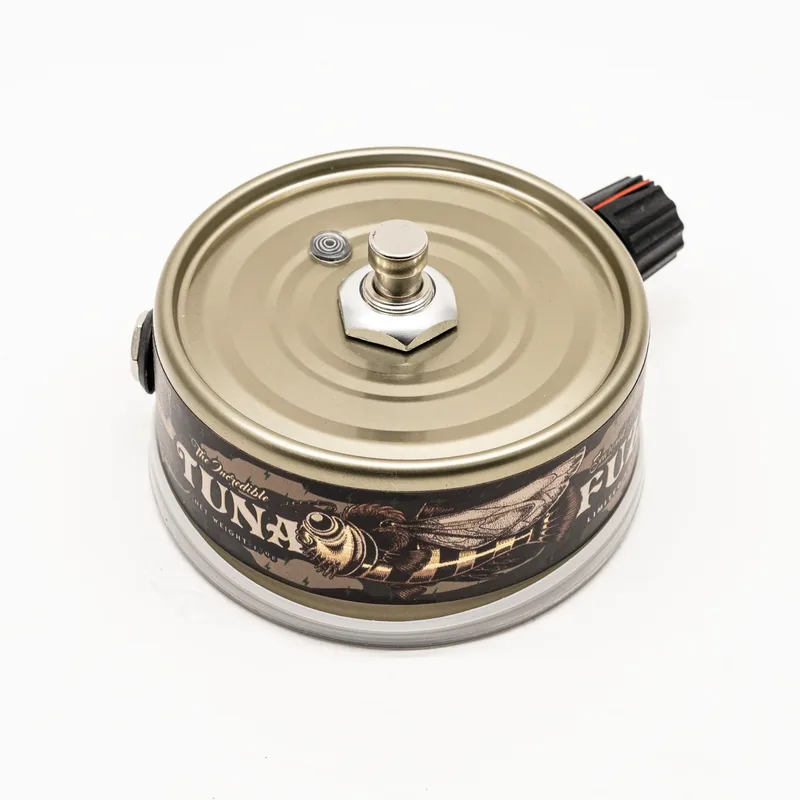
The Beetronics Tuna Fuzz BEECON Limited Edition is a limited run of the company's one-knob fuzz pedal, housed in a real tuna can. Beetronics pitches it as "the ultimate guitar tone" hook: a flavorful fuzz in the fuzz family, inspired by the maker's favorite vintage fuzz boxes, with a single control and a circuit that responds to your guitar's volume knob.1
The BEECON Limited Edition is sold out on Beetronics' own product page as of 25 October 2026.1
The BEECON edition and the circuit
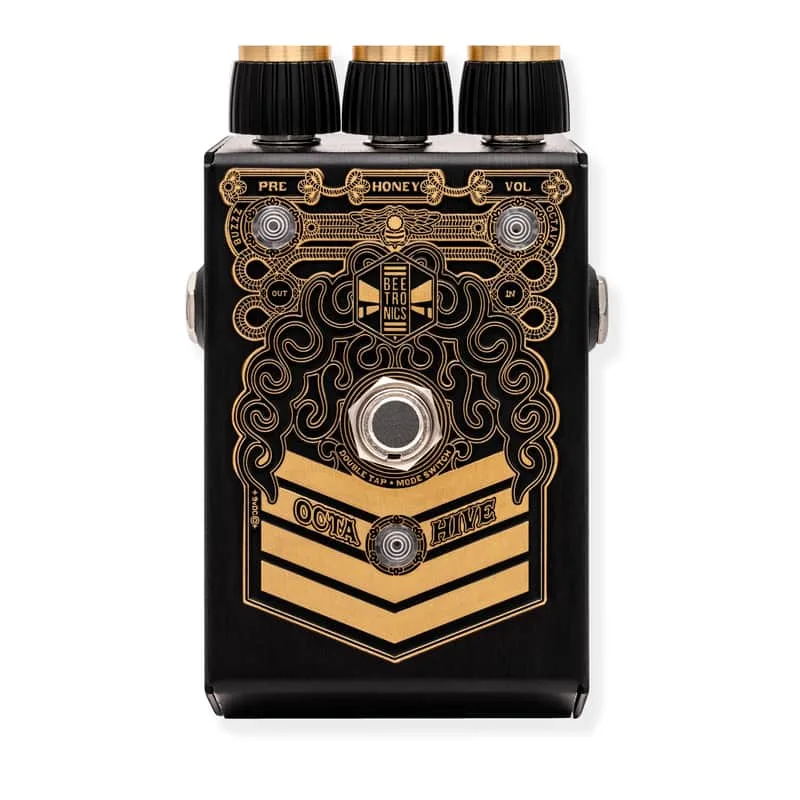
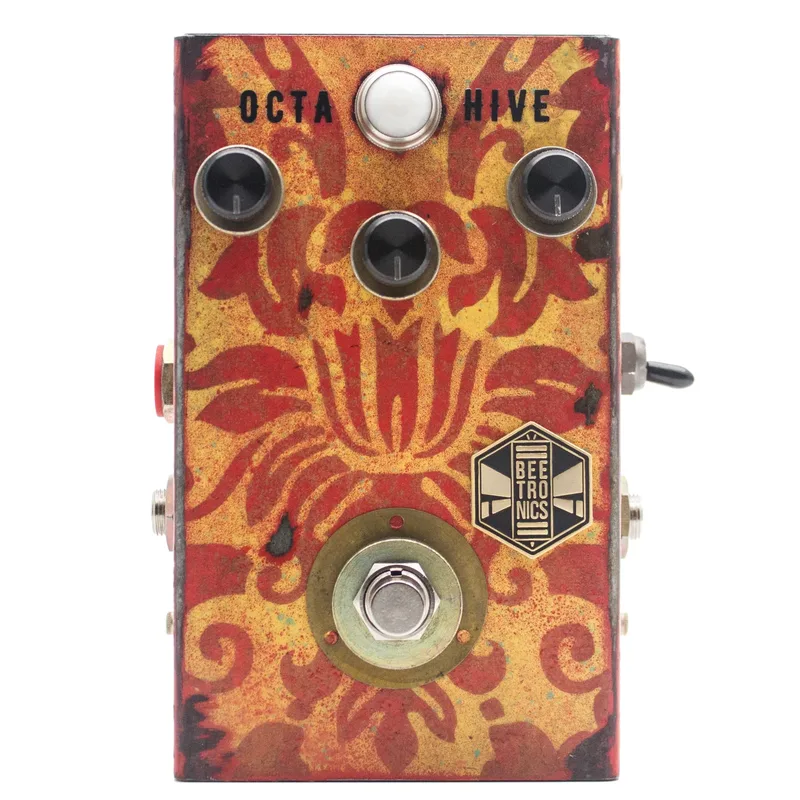
At its core the Tuna Fuzz is a three-transistor fuzz. Beetronics says it "shares some similarities with the Octahive, but the tone can be quite different," so players familiar with the Beetronics OctaHive should treat the Tuna as its own voicing rather than a clone.1
The maker describes the sound in concrete terms: "The Tuna has a lot of volume and is very dynamic, delivering a sound that's impressively close to vintage fuzzes. It also cleans up real nice."1
"Housed in an iconic tuna can, this pedal delivers stinking good sounds inspired by our favorite vintage fuzz boxes."
Controls and how it cleans up
The Tuna Fuzz keeps its faceplate simple:
| Control | What it does |
|---|---|
| STINKER | Dials in the master volume1 |
Cleanup comes from the guitar, not the pedal. While the STINKER knob works as a master volume, Beetronics says the Tuna Fuzz "cleans up real nice by using your guitar's volume knob as a gain control," which is the classic vintage-fuzz trick: roll the guitar volume down for a cleaner tone and up for full fuzz.1
Buffers and placement
"While many of our circuits have no issues with buffers, we don't recommend using a buffer before the Tuna Fuzz." Beetronics1
For players with a buffer pedal or buffered effects on the board, the practical reading of that advice is to place the Tuna Fuzz before any buffering stage in the chain. The pedal is true bypass, so when it is switched off it stays out of your signal path.1
The can enclosure
The enclosure is part of the appeal and part of the story. Beetronics says its "artisan bees have sourced real tuna cans, and every can is hand-drilled right here in our hive." The maker also describes the can as strong enough to stomp on, so the novelty housing is built for floor use.1
Questions
Is the Beetronics Tuna Fuzz true bypass?
Yes. Beetronics answers the question on the product page with a plain "Yezzzzz!", confirming the Tuna Fuzz, including the BEECON Limited Edition, is true bypass. When the pedal is off, your guitar's signal passes to the amp without going through the fuzz circuit.
Is the Tuna Fuzz BEECON Limited Edition still available?
No. As of 25 October 2026, Beetronics' own product page lists the BEECON Limited Edition as sold out. Like other Beetronics limited editions, it appears in limited runs, so the page is now a reference for what the edition was rather than a place to order one.
Can I put a buffer before the Tuna Fuzz?
Beetronics advises against it. The maker says that while many of its circuits have no issues with buffers, it does not recommend using a buffer before the Tuna Fuzz. If your board has buffered pedals or a buffer pedal, placing the Tuna Fuzz before them is the safer arrangement.
How does the Tuna Fuzz differ from the Octahive?
Beetronics describes the Tuna Fuzz as a three-transistor fuzz that shares some similarities with the OctaHive, but says the tone can be quite different. Both come from the same maker and family of fuzz designs, but they are not the same circuit voicing.
Is the Tuna Fuzz really built in a tuna can?
Yes. Beetronics says its "artisan bees" sourced real tuna cans and that every can is hand-drilled at the company's workshop, which it calls the hive. The maker describes the enclosure as a real hand-drilled tuna can strong enough to stomp on.
Sources (1)
- Tuna Fuzz • BEECON Limited Edition, Beetronics