
What it does
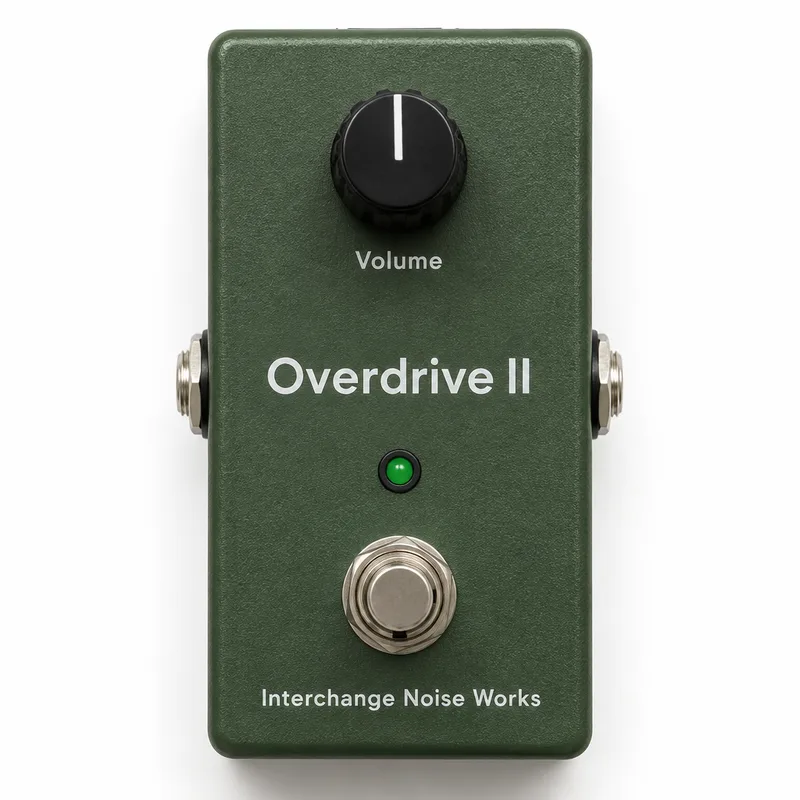
All three Overdrives take their elements from the Electra Distortion circuit, a simple one-transistor design that has long been a starting point for builders. What sets the three pedals apart is voicing: the internal parts are different for each, and were swapped out by ear as the builds went, to create three specific tones. The Overdrive II is the one that leans more towards lighter drive and boost territory, which puts it closer in use to a boost pedal than a heavy distortion.1
The control layout is as simple as it gets: each pedal in the series is equipped with just one Volume control. There is no gain, tone or drive knob to dial in, so the pedal is set by how hard you push it and where you set the output level.1
Stacking with the series
The three pedals were designed with each other in mind. Pedal of the Day noted that they play well individually, and they play well together, meaning they can be stacked for new sounds: running the Overdrive II into one of its siblings, or the other way around, changes the character of the drive in a way a single pedal cannot.1
"They play well individually, and they play well together."
Where it sits among other overdrives
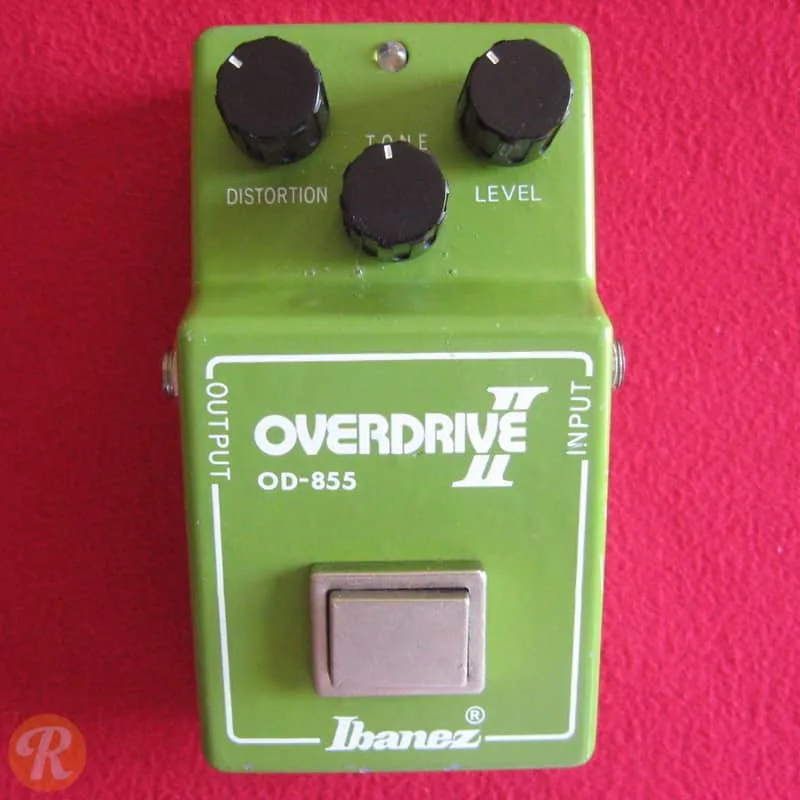
The Electra Distortion basis places the Overdrive II in a different family from the clipping-based overdrives most players know, such as the Tube Screamer style circuits covered in the Boss SD-1 vs Ibanez TS9 comparison or the Ibanez OD-855 Overdrive II, which despite the shared "Overdrive II" name is a Dist+/OD250 based design. For more on the wider category, see Overdrive Pedals.1
Videos
Pedal of the Day
Sources (1)
- Interchange Noise Works Overdrives I, II & III, Pedal of the Day, 2021-08-14