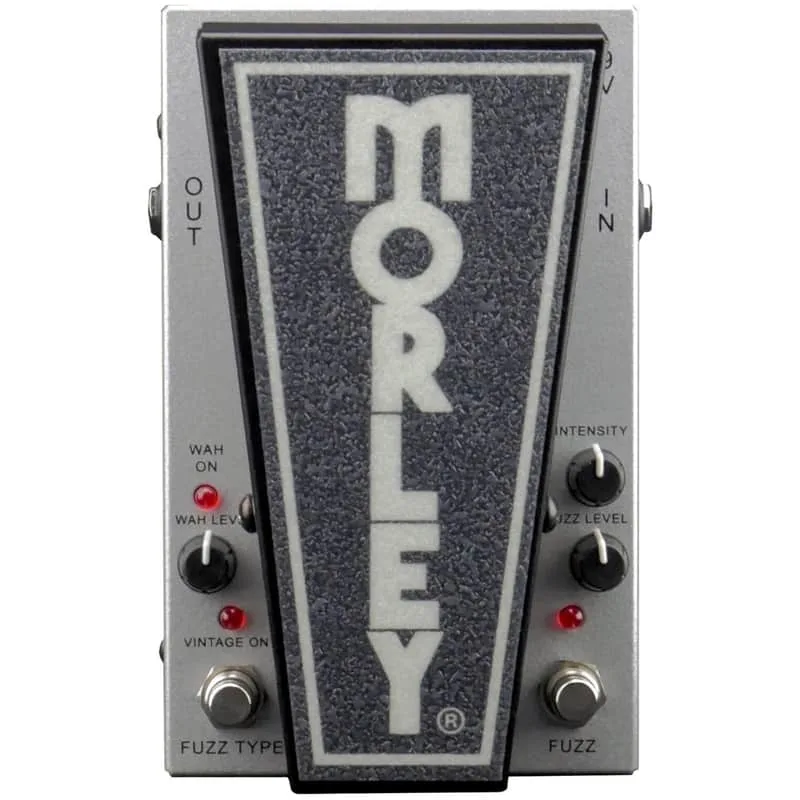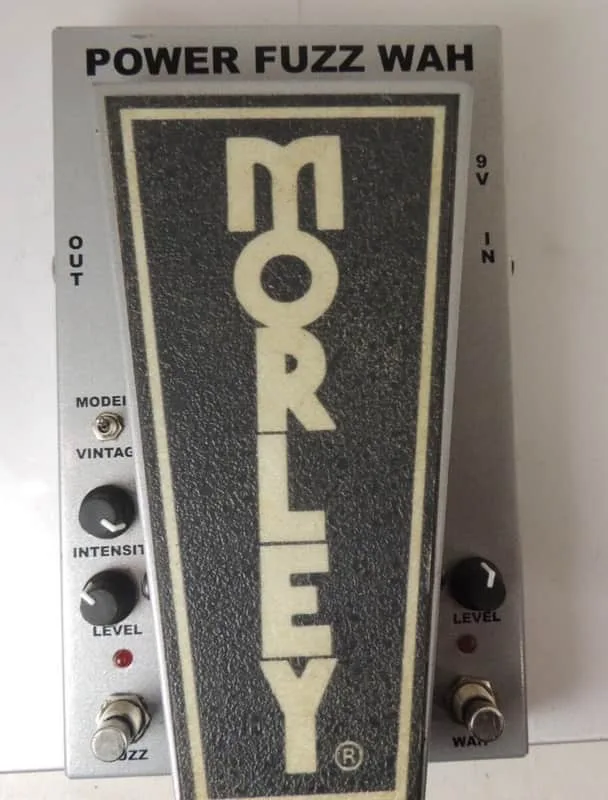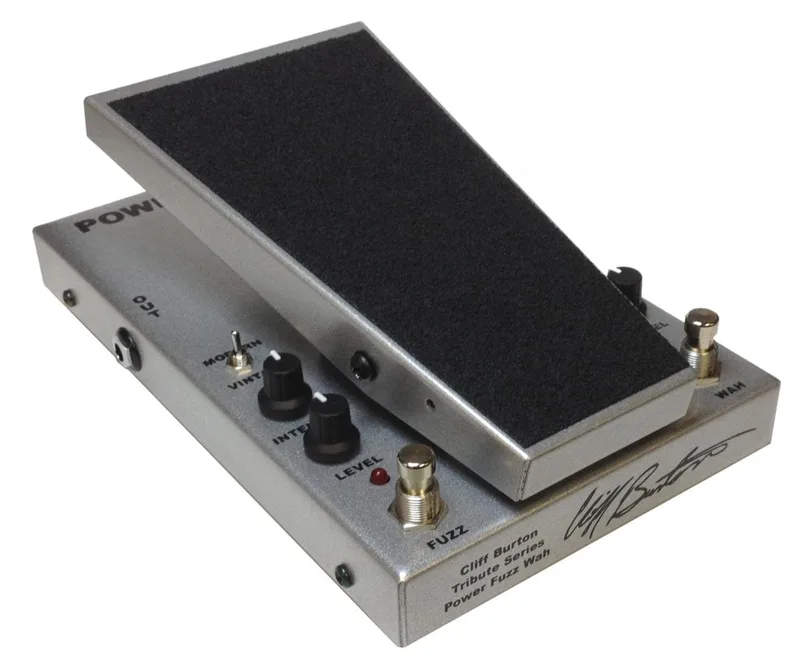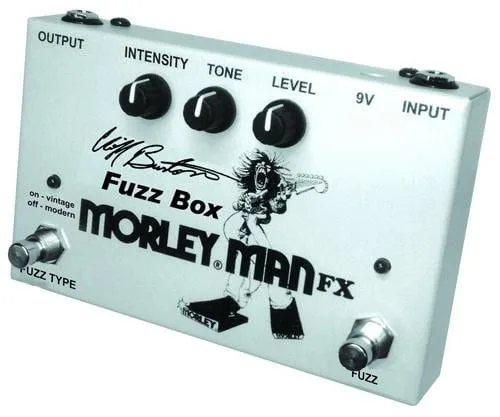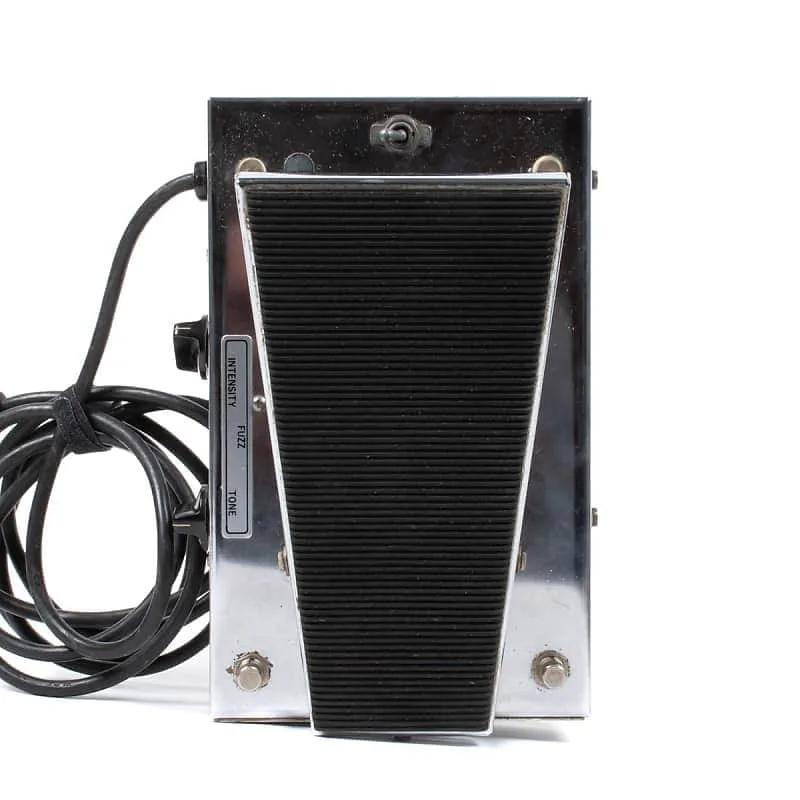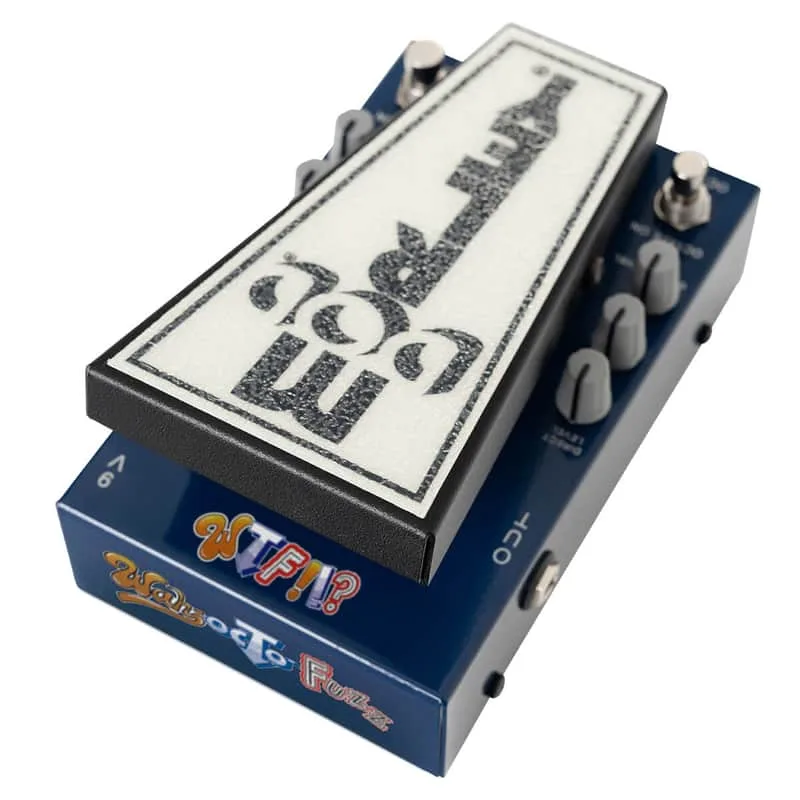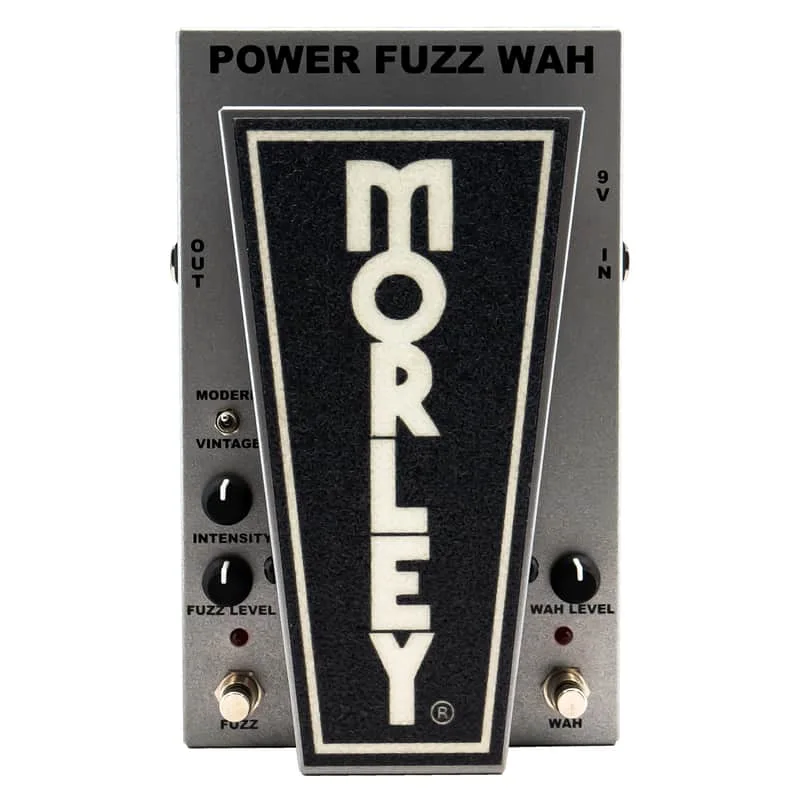


The Morley Classic Power Fuzz Wah is a fuzz and wah packed into one pedal. Just like the original, it combines wah and fuzz that can be used separately or together, and the fuzz circuit sits before the wah circuit in the signal chain, exactly as in the original design1. It belongs to the same family as the Morley Power Fuzz Wah and the later Morley Cliff Burton Tribute Series Power Wah Fuzz.
What it does
Morley describes the Classic Power Fuzz Wah as offering the company's widest frequency sweep, two fuzz modes and level controls1. The two modes cover different territory:
- Vintage Fuzz mode emulates the old-school ripped speaker sound that the original MPSA12 transistors achieved1
- Modern Fuzz mode is tighter and more like guitar distortion1
Because the fuzz feeds the wah, rocking the treadle sweeps the filtered frequency across an already fuzzed signal, the arrangement players associate with the classic Morley design1. A premium buffer circuit, according to Morley, ensures pure guitar tone and output1.
Power, build and practical details
The pedal runs on one 9-volt battery or an optional Morley 9V adapter, and Morley says it is compatible with most 9V adapters1. The housing is rugged cold-rolled steel with LED indication and a quick clip battery door, in Morley's classic construction measuring 9.13 x 5.88 x 2.75 inches (L x W x H)1. Morley backs it with a one-year warranty1.
Morley also states the pedal works with guitar, bass or keys, so it is not limited to six-string use1.
Where it sits in Morley's range
The Power Fuzz Wah sits in Morley's range as a wah, fuzz and distortion combination built around the company's classic pedal format. The Classic Power Fuzz Wah uses Morley's rugged cold-rolled steel housing with LED indication, a quick clip battery door and a one-year warranty, in a housing measuring 9.13″ x 5.88″ x 2.75″ (L x W x H)1. Its fuzz side offers two voicings: Morley describes Modern Fuzz mode as "tighter and more Guitar Distortion like" than the other mode1.
"Try one today and see why it's been featured on countless records and used by many notable musicians."
For players weighing a combined fuzz and wah against separate pedals, the Classic Power Fuzz Wah's appeal is the original circuit ordering and the two fuzz modes in one steel housing1.
Videos
Guitar Interactive Magazine
Brian Sances official YouTube Channel
The Bass Channel
Questions
Does the Morley Classic Power Fuzz Wah take a battery?
Yes. Morley powers the Classic Power Fuzz Wah with one 9-volt battery, and it can also run on an optional Morley 9V adapter. The pedal is compatible with most 9V adapters, so it fits into a typical pedalboard power supply as well as running standalone on battery power.
What is the difference between Vintage and Modern fuzz mode?
Vintage Fuzz mode emulates the old-school ripped speaker sound that the original MPSA12 transistors achieved, according to Morley. Modern Fuzz mode is tighter and more like guitar distortion. The pedal offers both modes alongside level controls and Morley's widest frequency wah sweep.
Does the fuzz come before the wah in the signal chain?
Yes. Morley states that the fuzz circuit comes before the wah circuit, just like the original Power Fuzz Wah. That ordering means the wah sweeps the fuzzed signal, which is the arrangement players associate with the classic design.
Can you use the Power Fuzz Wah with bass or keyboards?
Morley says the pedal works with guitar, bass or keys. The wide frequency sweep of the wah is part of what makes it usable across instruments, and Morley notes the design has been featured on countless records and used by many notable musicians.
What warranty does Morley give on the Classic Power Fuzz Wah?
Morley backs the Classic Power Fuzz Wah with a one-year warranty. The pedal is built in Morley's classic construction with a rugged cold-rolled steel housing, LED indication and a quick clip battery door.
Sources (1)
- Classic Power Fuzz Wah, Morley