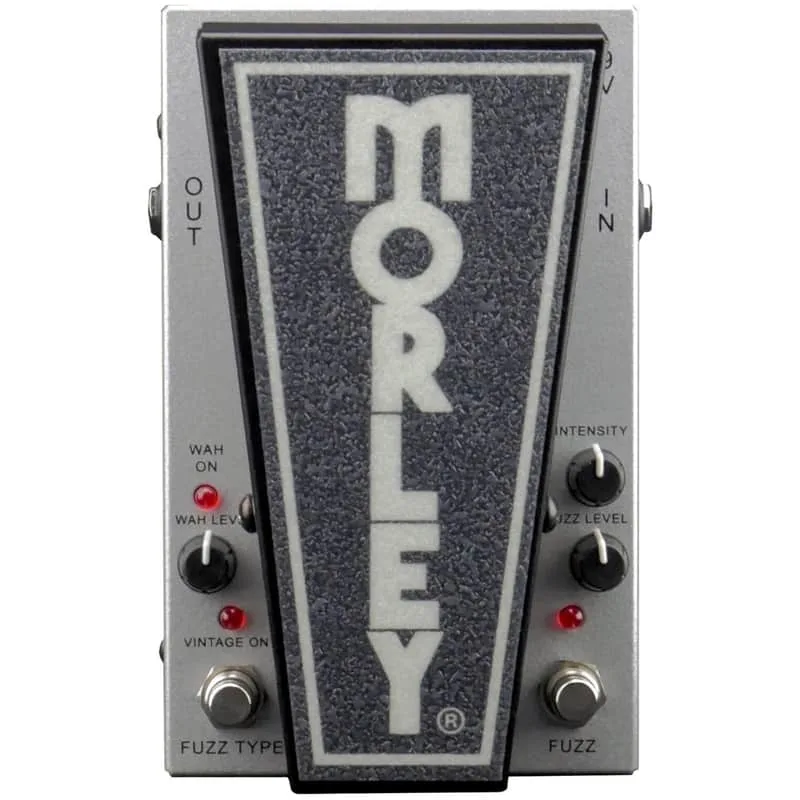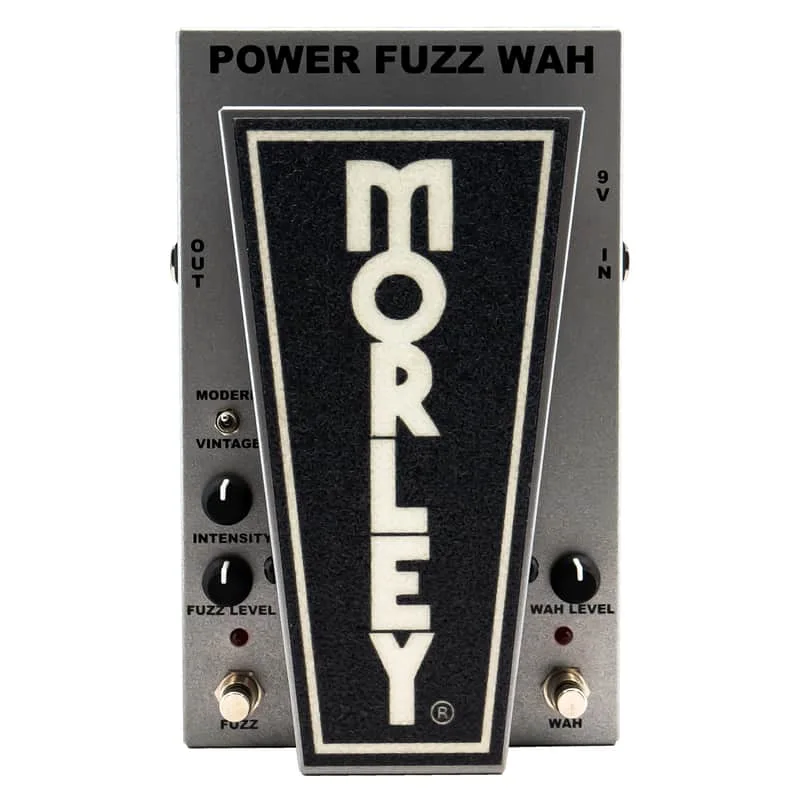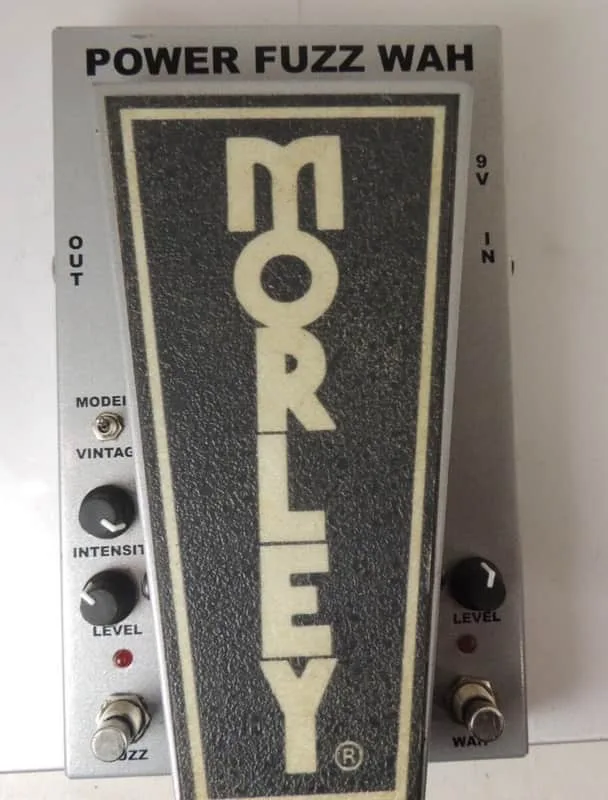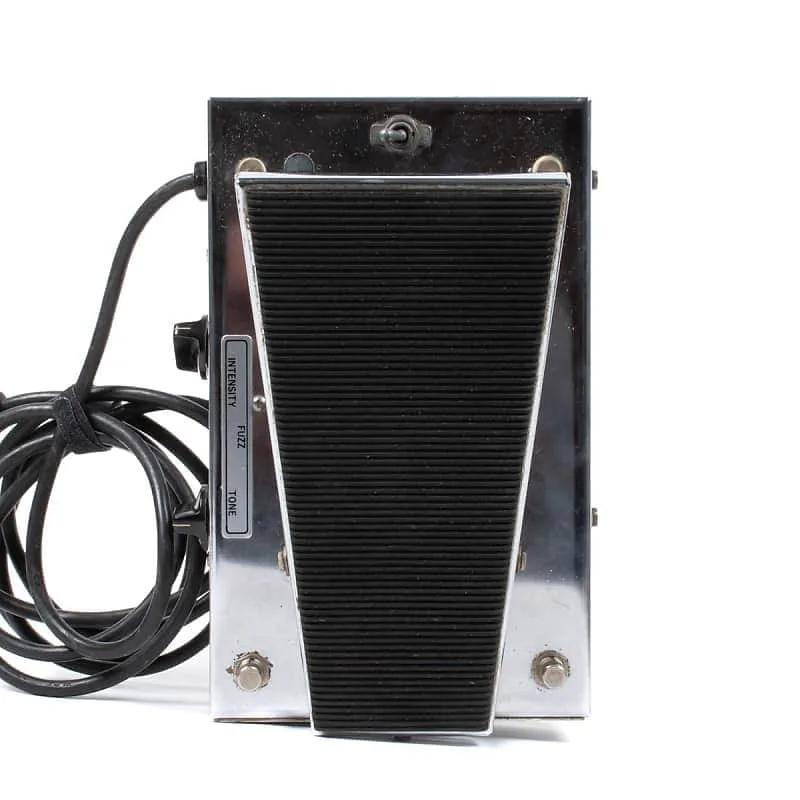

The Morley PWF Power Wah Fuzz is a fuzz-wah pedal from the mid-to-late 1970s that combines a thick, aggressive fuzz with a wah-wah controlled by light rather than a potentiometer. GuitarPlayer's Dave Hunter wrote that the name was short for Power Wah Fuzz and that the pedal was "long on aggressive, hard-charging tone."1 It was built by Morley, whose original pedals came from Tel-Ray Electronics, a TV and radio repair company in Los Angeles.1
What it does to your sound
Hunter described the fuzz side plainly: "the fuzz from the PWF was brutally thick and aggressive, capable of plastering enticingly raspy distortion all over your tone."1 The wah and fuzz can work together or apart. The rocker pedal can blend the desired amount of fuzz into the clean signal, or merge the pedal's two effects for what Hunter called "an all-out fuzz-wah attack."1
Controls and how it works
| Control | What it does |
|---|---|
| Rocker pedal | Blends fuzz into the clean signal, or merges fuzz and wah for a combined fuzz-wah attack1 |
| Intensity | Fuzz level control1 |
| Tone | Fuzz tone control1 |
| Footswitches | Individual foot-switches for fuzz and wah-wah, plus a power switch at the toe end1 |
The wah section is the unusual part. Instead of a potentiometer, the PWF uses an internal light-dependent resistor (LDR) circuit: moving the rocker lifted and lowered a shade inside the pedal, changing how much light reached the LDR and with it the response of the tone-filter circuit.1
Because nothing mechanically touches the electronic components, Hunter noted, the design suffers less wear and tear on the parts and no scratchy potentiometers develop over time.1
The PWF does not take a battery or a standard DC adapter. Its hard-wired power cord plugs straight into a wall socket, and its internal transformer delivers upward of 60 volts to some parts of the circuit.1
Where it came from, and what came after
Tel-Ray Electronics, the Los Angeles TV and radio repair company that founded the Morley brand, built the original PWF in the mid-to-late 1970s.1 The design has returned several times since:
- The original Morley PWF Power Wah Fuzz was built around a heavy duty chromed steel enclosure and rocker pedal, with individual foot-switches for the fuzz and wah-wah effects.1
- It did not run on wall warts or batteries: the hard-wired power cord plugged straight into a wall socket, and an internal transformer delivered upward of 60 volts to some parts of the circuit.1
- Morley described the fuzz side as brutally thick and aggressive, capable of plastering enticingly raspy distortion all over your tone.1
For more on the effect family, see Fuzz Pedals and Wah-Wah Pedals.
Videos
Soulman Vintage
Questions
Does the Morley PWF Power Wah Fuzz use a battery?
No. The original PWF did not run on wall wart adapters or batteries. It had a hard-wired power cord that plugged straight into a wall socket, with an internal transformer delivering upward of 60 volts to some parts of the circuit. That is a very different power arrangement from modern pedals, so an original PWF is not a plug-and-play addition to a typical pedalboard power supply.
How does the light-dependent resistor wah work?
The PWF's wah uses an internal light-dependent resistor (LDR) circuit instead of a potentiometer. Moving the rocker pedal lifted and lowered a shade inside the pedal, changing how much light reached the LDR and therefore the response of the tone-filter circuit. Because nothing mechanically touches the electronic components, there is less wear on the parts and no scratchy potentiometer to develop over time.
Can I use the fuzz and the wah separately?
Yes. The PWF has individual footswitches for the fuzz and the wah-wah, so each effect can be switched on its own. The rocker pedal itself can also be used to blend a desired amount of fuzz into the clean signal, or to merge the two effects for what GuitarPlayer's Dave Hunter described as an all-out fuzz-wah attack.
Who originally made the Morley PWF?
The original manufacturer of Morley pedals was Tel-Ray Electronics, a TV and radio repair company in Los Angeles. The PWF, short for Power Wah Fuzz, appeared in the mid-to-late 1970s, and the example profiled by GuitarPlayer dates from circa 1977.
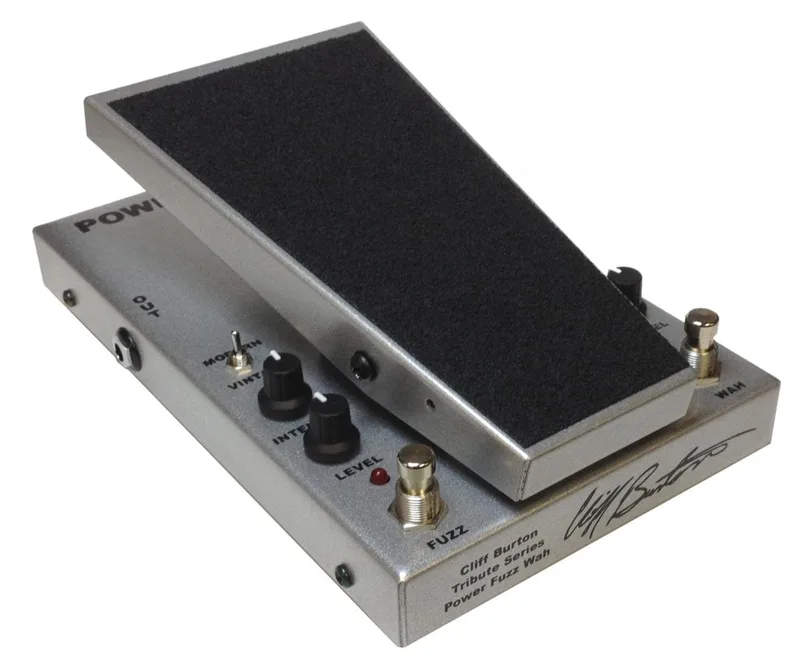
What is the Cliff Burton Tribute Power Wah Fuzz?
In February 2024, Morley reissued and modernized the Power Wah Fuzz as a Cliff Burton tribute pedal, based on Burton's 1976 wah fuzz. It has switchless activation, a glow-in-the-dark treadle and a distressed chrome finish, priced at $229 and sold exclusively through Guitar Center and Musician's Friend in the USA, with a wider release from April 1, 2024.
Sources (1)
- Introduced in the 1970s, Morley's PWF Power Wah Fuzz Pedal Was the Final Word in Unrelenting Fuzz-Wah Tone, GuitarPlayer (www.guitarplayer.com), 2023-06-07