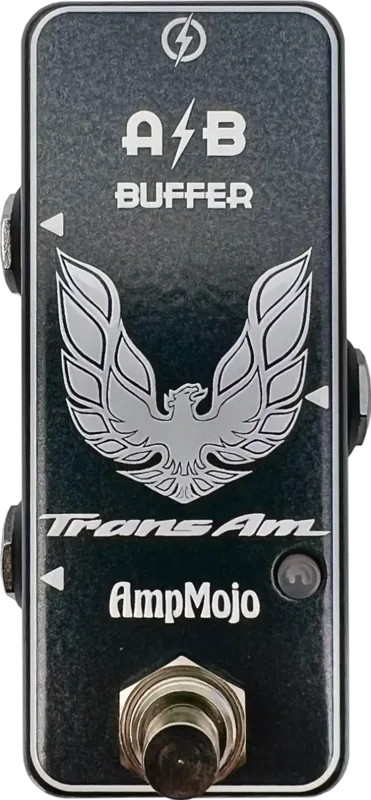
The AmpMojo Trans Am A/B Buffer is an A/B switching pedal with a high quality buffer circuit built in, made by AmpMojo. Its stated purpose is practical: RockBoard's PedalPedia describes it as "Perfect for getting that tone sucking tuner out of your signal chain," letting a player keep a tuner connected without it sitting in the main signal path.1
The buffer itself is an analog, unity gain design. RockBoard's PedalPedia says the circuit "combines two classic buffers into one, the warm transistor based 'Tube Screamer' type buffer and the clean and transpa[rent]" Klon type buffer, "to create one completely transparent, unity gain buffer that's warm, natural sounding, and feeling."1
What it does
As an A/B pedal, the Trans Am routes your signal between two outputs, and the built-in buffer drives whichever path is selected. The intended use is keeping a tuner permanently connected on the B side, buffered so it does not load down your guitar's signal, while the A side carries your main chain. For players who have removed a tuner from the board to protect their tone, this puts the tuner back without the loss.1
Power
The pedal runs on 9, 12, or 18 volts, which AmpMojo says lets you "create varying degrees of headroom." It does not operate with a battery, so an external supply is required.1
The Trans Am A/B Buffer cannot run on a battery. Plan for a power supply on your board.
How it compares
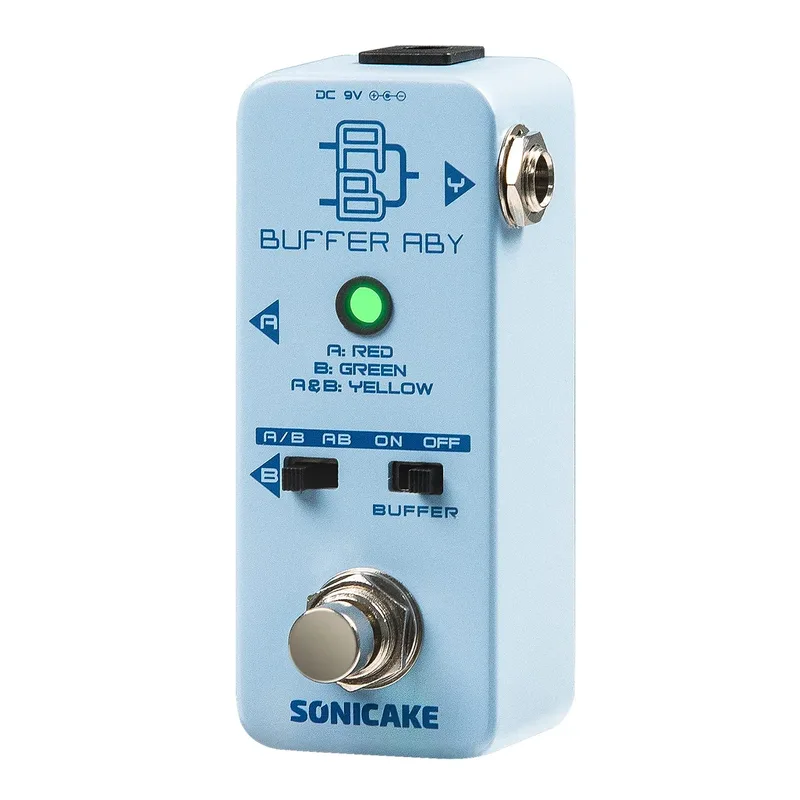
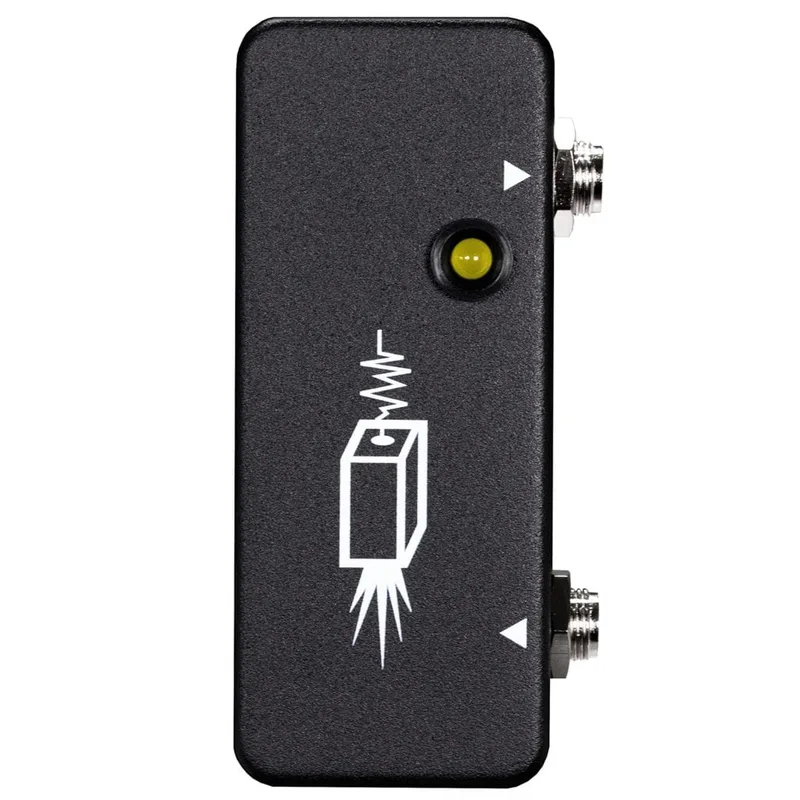
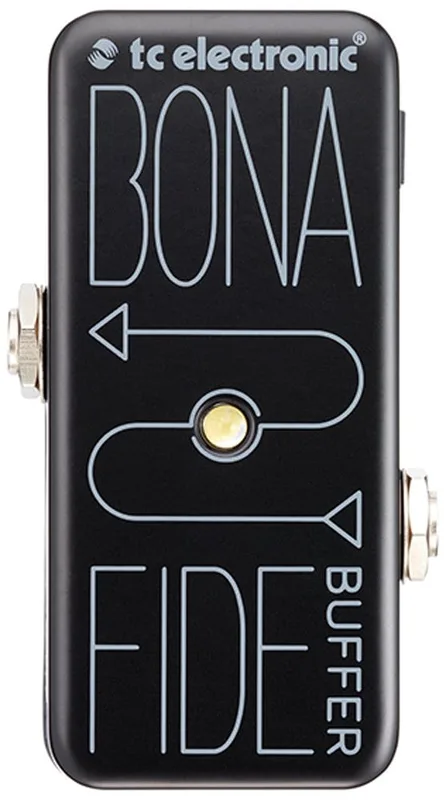
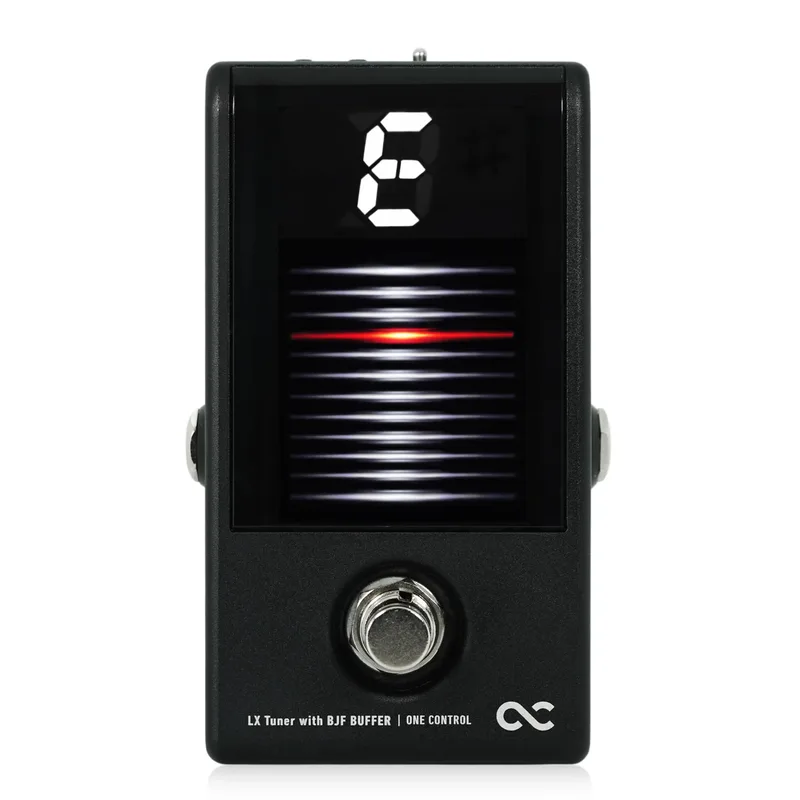
The buffer-plus-switching combination places the Trans Am among pedals like the Sonicake Buffer ABY and the EarthQuaker Devices Buffer/Splitter, which also pair routing with buffering. Players who only want a buffer with no switching can look at simpler units such as the JHS Pedals Little Black Buffer or the TC Electronic Bonafide Buffer, while the One Control LX Tuner with BJF Buffer takes a different route to the same goal by building the buffer into a tuner. See the Buffer Pedals page for the wider field.1
Questions
Does the AmpMojo Trans Am A/B Buffer work with a battery?
No. AmpMojo states that the circuit does not operate with a battery, so the pedal needs an external power supply. It accepts 9, 12, or 18 volts, which the maker says creates varying degrees of headroom, so a standard 9V pedal supply works, and higher voltages are an option if you want more headroom.
What is the buffer in the Trans Am A/B Buffer based on?
According to AmpMojo, the circuit combines two classic buffers into one: a warm transistor based Tube Screamer type buffer and a clean, transparent Klon type buffer. The maker describes the result as a completely transparent, unity gain buffer that is warm, natural sounding, and feeling.
Sources (1)
- Trans Am A/B Buffer by AmpMojo, RockBoard PedalPedia, 2026