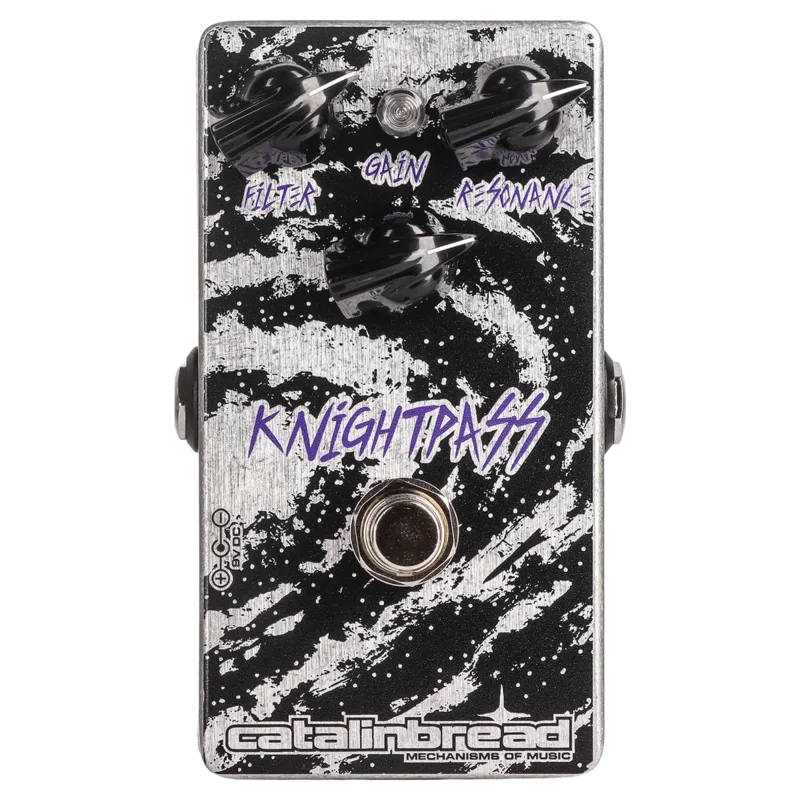
The Catalinbread Knightpass Filter is a compact filter pedal built around a state-variable low-pass filter circuit. A low-pass filter rejects frequencies above an adjustable cutoff point and lets the rest through, and Catalinbread describes the result as "a slick, studio-quality effect" that "sounds dynamite when stacked with a dirt box"1. The company positions it as putting "this synth-like control right at your feet," bringing filter-sweep sounds to a pedalboard without a wah or expression pedal.
Controls
The Knightpass keeps things stripped down: three knobs, each with a distinct job1.
| Control | What it does |
|---|---|
| FILTER | Selects the cutoff frequency of the low-pass filter. At one end the cutoff is about 9KHz; at the other it drops to 280Hz1 |
| RESONANCE | Introduces feedback into the circuit to make it more "synth-like." It does not cause the filter to oscillate at maximum1 |
| GAIN | A potentiometer in series with the input, working like a guitar's volume control. Catalinbread suggests leaving it cranked if the pedal runs first in the chain, and it can add grit to the signal1 |
The Resonance control, which Catalinbread also calls "feedback," is there "for a more intense filtering experience"1. Unlike some filter designs, cranking it fully will not send the circuit into self-oscillation, so the knob stays musical across its whole travel1.
Power and setup
The Knightpass Filter accepts a center-negative DC power supply capable of supplying 9 volts1. There is no mention of battery power on the maker's page, so plan on a standard pedal supply.
Catalinbread puts it plainly: "Plugging in the wrong supply will void the warranty and possibly summon a puff of ozone-tinged smoke." Use a 9V center-negative supply and keep it off shared daisy chains with higher-draw digital pedals1.
Availability
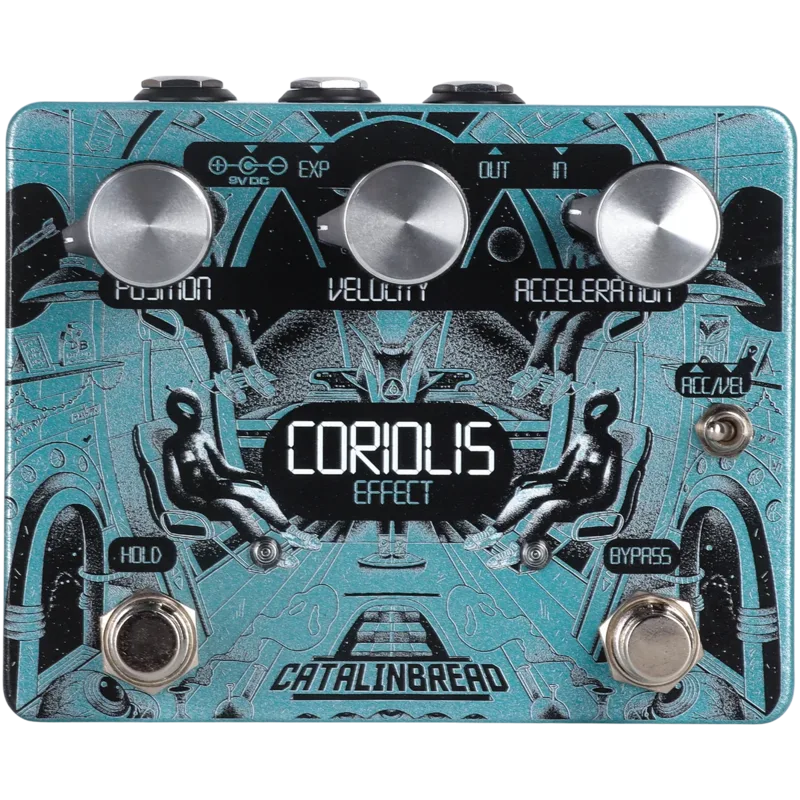
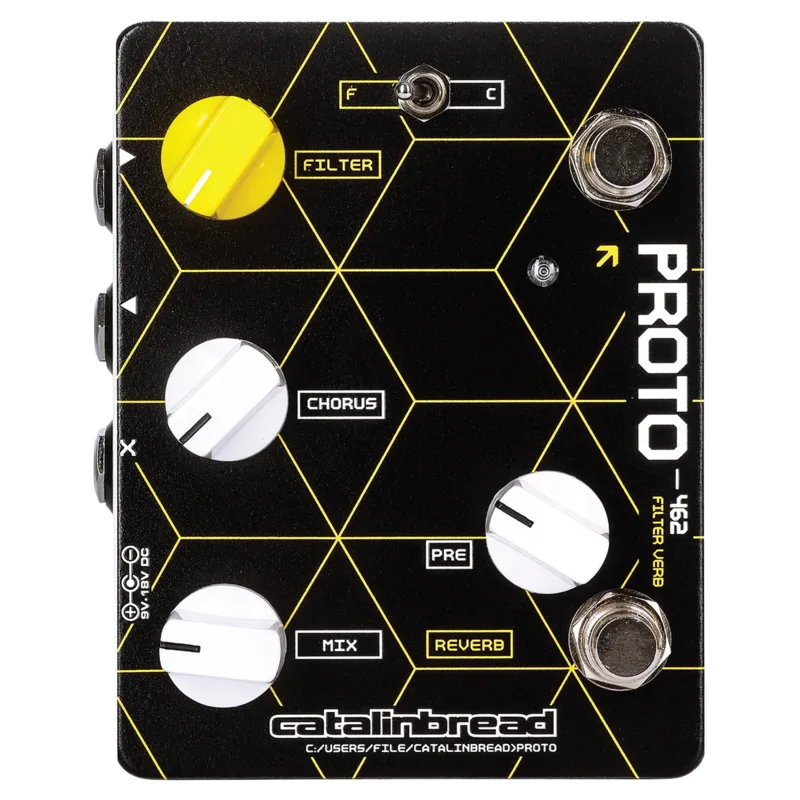
The Knightpass Filter was not a permanent catalog release. Catalinbread listed it as "ONLY AVAILABLE UNTIL SEPTEMBER 8," making it a limited-window offering1. Players interested in Catalinbread's filter designs may also come across related pedals from the maker, such as the Catalinbread Coriolis Effect and the Filter Verb (Proto 462), which have appeared as separate releases.
Questions
What power does the Catalinbread Knightpass Filter use?
The Knightpass Filter accepts a center-negative DC power supply capable of supplying 9 volts. Catalinbread warns that plugging in the wrong supply will void the warranty, so use a standard 9V center-negative pedal supply and avoid anything with the wrong voltage or polarity.
Does the Knightpass resonance control make the filter self-oscillate?
No. The Resonance knob introduces feedback into the circuit to make the effect more synth-like, but Catalinbread states it does not cause the filter to oscillate even at its maximum setting. It sharpens the filtering effect rather than producing a self-oscillating sweep.
What is the cutoff range of the Knightpass?
The FILTER knob selects the cutoff frequency of the low-pass filter. At one end of its travel the cutoff sits at about 9KHz, and at the other end it drops down to 280Hz, covering everything from a subtle top-end roll-off to a heavily filtered, dark tone.
What does the Gain knob do on the Knightpass?
The GAIN knob is actually a potentiometer in series with the input, working the same way as the volume control on a guitar. Catalinbread suggests you can leave it cranked if the pedal runs first in your chain, and use it to add grit to the signal.
Is the Knightpass a limited-run pedal?
Yes. Catalinbread listed the Knightpass Filter as only available until September 8, so it was offered for a limited window rather than as a permanent catalog product. Check the maker's page for whether any units remain.
Sources (1)
- Knightpass Filter, Catalinbread Effects