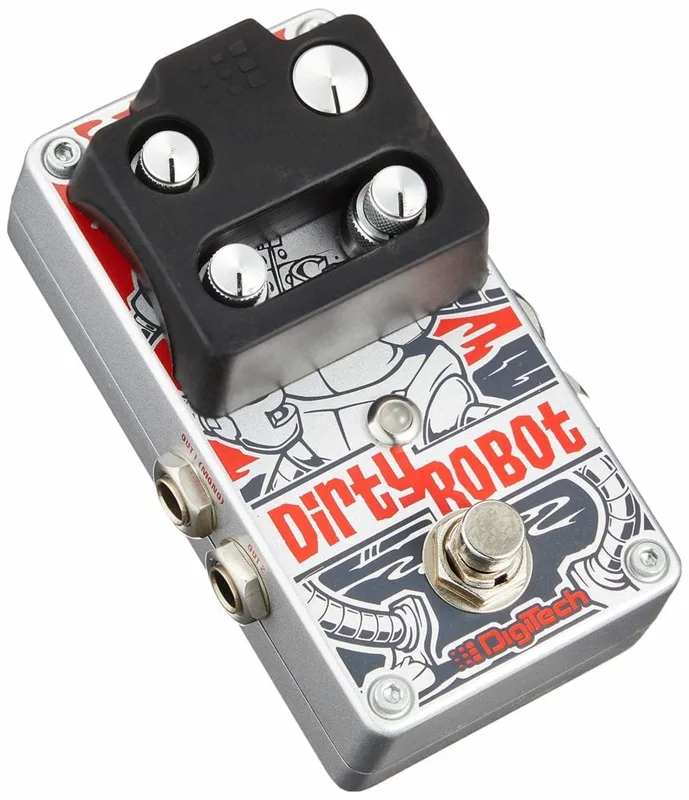


The DigiTech Dirty Robot is a stereo mini-synth pedal for guitar and bass, introduced by DigiTech by HARMAN in 201612. It takes the signal from a standard guitar or bass, with no special pickup required, and generates two selectable synth voices: V1, a straight envelope-style synthesis that DigiTech describes as warm analog synthesis with subtle to extreme envelope sweeps like classic synths from the '70s and '80s, and V2, a vocal formant synthesis213.
DigiTech no longer makes it. The product page lists it as a past product, no longer in production, though it may still be available through local and online retailers2. It launched at $187.44 MSRP in 20161.
Two synth voices and how to control them
The pedal carries seven controls and a footswitch12. Two concentric knobs sit at the center of the layout, with an inner and outer control on each.
| Control | What it does |
|---|---|
| MIX (inner) | Sets the amount of effect added to the dry signal; clockwise adds more effect1 |
| MOD (outer) | Adds chorus modulation to the synth signal for thickening1 |
| Sensitivity (inner) | Sets trigger sensitivity for the synth sweep; higher settings trigger more easily1 |
| Time (outer) | Sets the sweep time between the points set by the Start and Stop knobs1 |
| Start / Stop | Set the endpoints of the synth sweep1 |
| Drift | Rotates a full 360 degrees to morph between sub, octave and square waveforms6 |
| Footswitch | Effect on/off, plus momentary vibrato21 |
The Drift knob is the pedal's distinctive control. DigiTech describes it as blending square wave with octave and sub synthesis soundscapes as it turns2. The momentary vibrato works like a mod wheel on a keyboard synth: hold the footswitch down and the synth signal modulates with vibrato; release it and the green LED changes to red and the vibrato stops1.
The V2 voice and the talk box comparison
The second voice is where the Dirty Robot overlaps with vocal-style effects. Delicious Audio described the two voices this way:
"The first recalls the sounds of vintage analog synths, and the second provides a more "vocal" effect similar to a talk box."
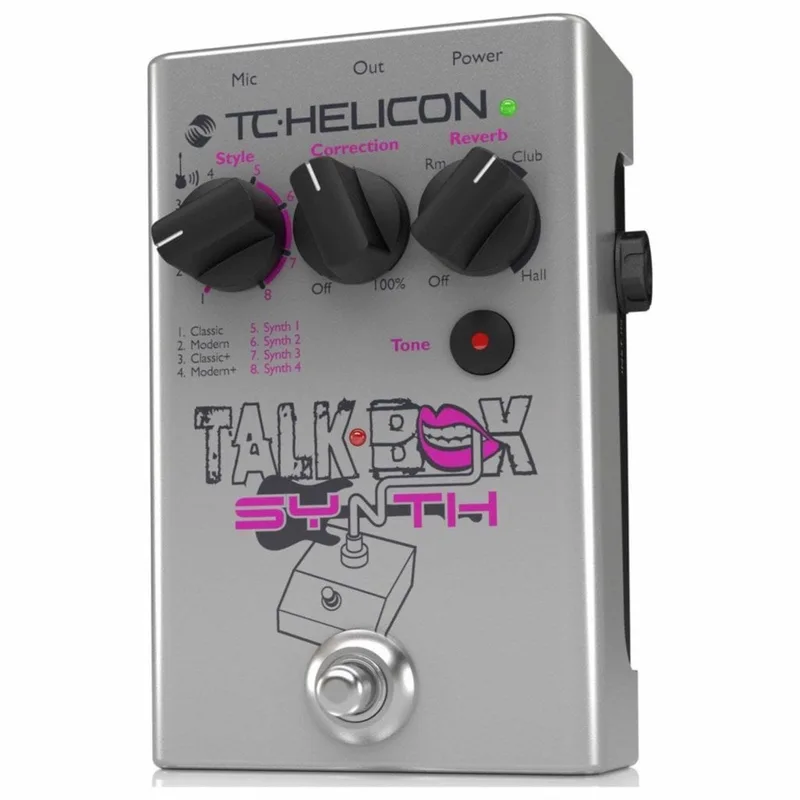
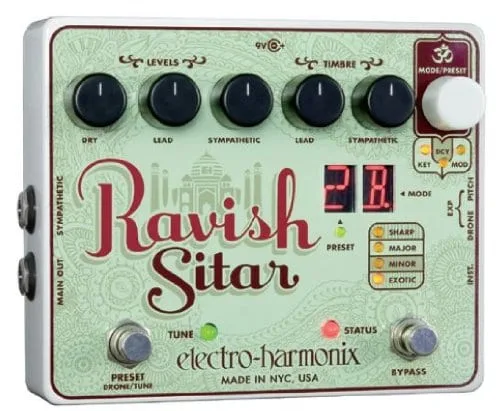
That V2 voice is formant synthesis, the same approach used in pedals like the TC Helicon TalkBox Synth, rather than the tube-and-tubing design of a traditional talk box. Players comparing synth pedals that lean vocal, such as the Electro-Harmonix Ravish Sitar or other formant-based boxes, will recognize the family resemblance.
A successor to the Synth Wah
DigiTech positioned the Dirty Robot as a follow-up to its earlier Synth Wah. Tom Cram, Marketing Manager at DigiTech, HARMAN Professional Solutions, said at launch:
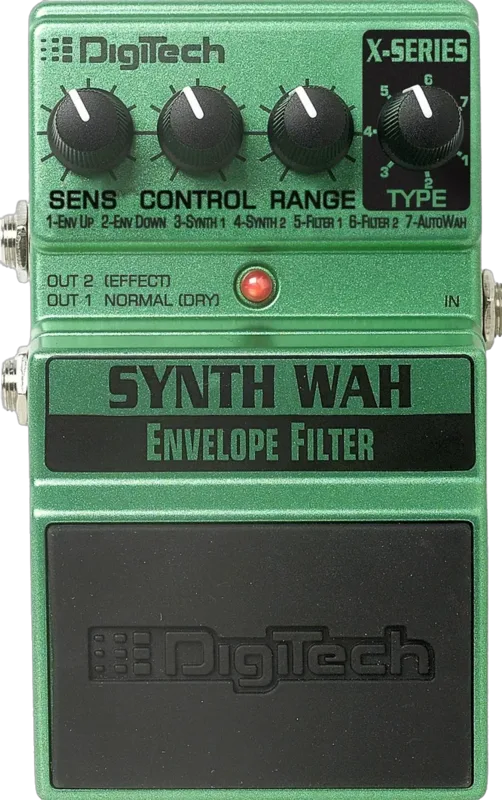
"The Dirty Robot is a worthy successor to the Synth Wah, but it also has some great new features that players will dig"
The Synth Wah was the predecessor synth effect pedal in DigiTech's line7. The new features Cram pointed to included the stereo inputs and outputs, the two selectable voices and the Drift knob216.
Power and connections
The Dirty Robot uses a 9V DC external power supply, center negative, to fit a standard pedalboard25. Typical current draw is 125 mA at 9V DC, with total power consumption listed at 1.2 W2.
There is no battery option. The pedal requires an external 9V DC supply, and DigiTech sold the PS0913DC power supplies separately in regional versions (PS0913DC-01 for US, JA and EU; PS0913DC-02 for AU and UK; PS0913DC-04 for all regions), each with a 9V DC 1.3 A output2.
The jacks are stereo 1/4" inputs and outputs2. The spec sheet labels them Input 1 (Mono), Input 2, Output 1 (Mono) and Output 2, so a mono connection into Input 1 and out of Output 1 works, with Input 2 and Output 2 adding the second channel for stereo2. Input impedance is listed as greater than 1 MΩ in stereo and greater than 500 kΩ in mono, both on and off, with output impedance of 1 kΩ and a true hardwire bypass when off2.
What reviewers said
Reviewers found the Dirty Robot to be a distinctive rather than universal pedal. Delicious Audio's take:
"While certainly not for every player, the Dirty Robot lets your imagination run wild. It can cover a lot of sounds and inspire you to come up with some very innovative tones of your own."
Pedal of the Day was more enthusiastic about its range, writing that it is "so much fun to explore this guy, and can be used subtly or over-the-top, or just somewhere in the middle if you like"8.
Where it sits among synth pedals
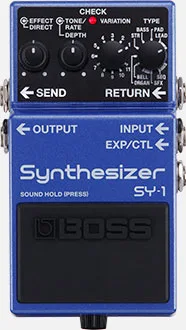
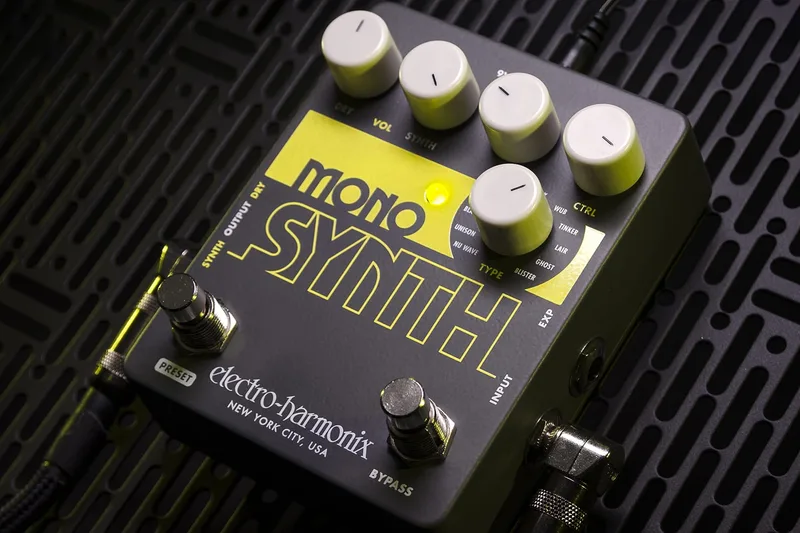
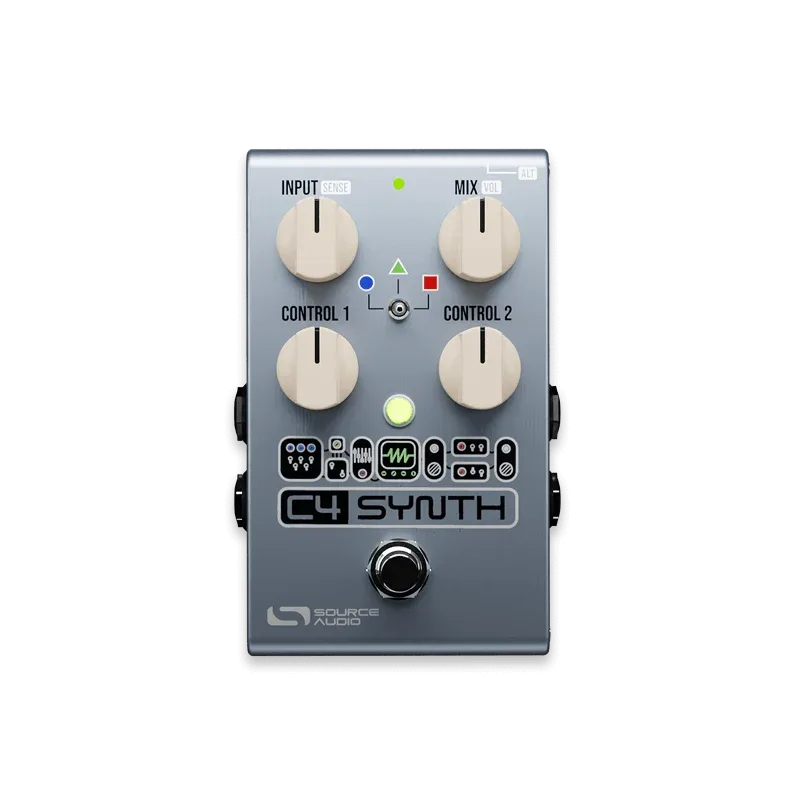
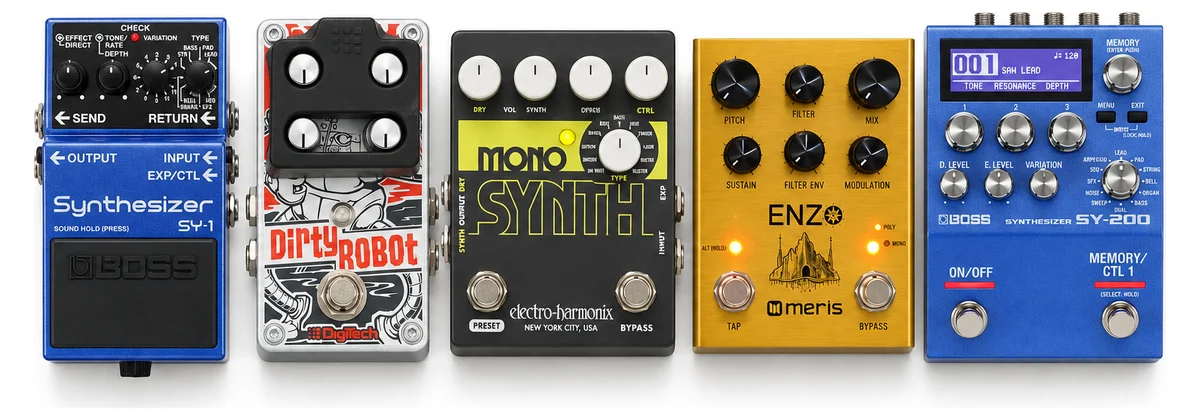
The Dirty Robot belongs to the broad family of synth pedals that convert a guitar signal into synthesized textures without a special pickup, alongside boxes like the Boss SY-1, the Electro-Harmonix Mono Synth and the Source Audio C4 Synth. Its envelope-sweep voice and vocal formant voice in one stereo box, with the 360-degree Drift knob morphing between waveforms, set it apart from single-voice designs16. For more on the maker, see the DigiTech brand page.
Videos
ProGuitarShopDemos
The Bass Channel
Reverb
Questions
Is the DigiTech Dirty Robot discontinued?
Yes. DigiTech lists the Dirty Robot as a past product that is no longer in production, though it may still be available through local and online retailers. It was introduced at Musikmesse 2016 and released that spring, so most units today are found secondhand.
Is the Dirty Robot true bypass?
Yes. DigiTech's product page specifies true bypass circuitry, and the launch press release described true bypass as keeping the guitar tone pristine when the pedal is off. The spec sheet lists the bypass as true hardwire bypass with 1 kΩ output impedance.
Can the Dirty Robot sound like a talk box?
Its second voice, V2, uses vocal formant synthesis, which Delicious Audio described as a more vocal effect similar to a talk box. It is a synthesized formant effect rather than an actual talk box driving your acoustic sound.
Does the Dirty Robot work in mono?
Yes. The spec sheet labels Input 1 and Output 1 as mono jacks, with Input 2 and Output 2 for the second stereo channel. Input impedance is listed separately for mono and stereo operation, so a single mono connection is supported.
What power supply does the Dirty Robot need?
It runs on a 9V DC external power supply, center negative, drawing about 125 mA. DigiTech sold the PS0913DC power supplies separately in US, EU, UK, AU and JA versions, each with a 9V DC 1.3 A output. There is no battery option.
Sources (8)
- DigiTech Releases the Dirty Robot Stereo Mini-Synth, Premier Guitar, 2016-04-15
- Dirty Robot, DigiTech, 2022-09-13
- A New Synth Pedal: DigiTech Dirty Robot!, Delicious Audio, 2016-11-22
- Musikmesse 2016: DigiTech unleashes Whammy Ricochet and Dirty Robot guitar effects pedals, MusicRadar, 2016-04-05
- Dirty Robot by DigiTech, RockBoard PedalPedia, 2026
- DigiTech Announces the Dirty Robot Mini-Synth Pedal, Guitar Interactive Magazine, 2016-04-06
- Musikmesse 2016: DigiTech announces the Dirty Robot Mini-Synth Pedal, guitar.com, 2016-04-05
- DigiTech Dirty Robot Stereo Mini-Synth, Pedal of the Day, 2017-02-07