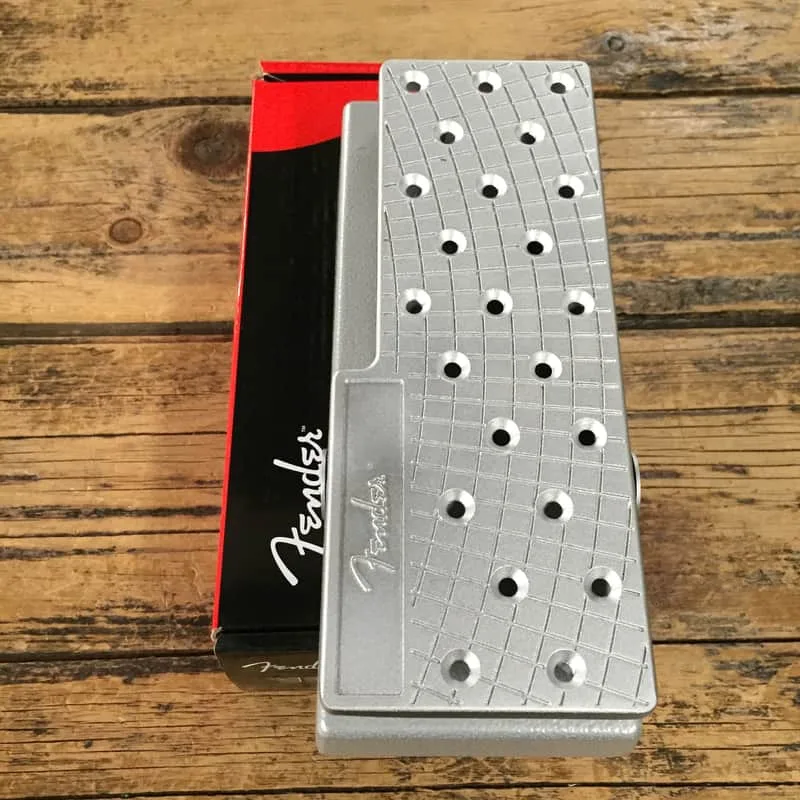


The Fender FVP-1 is a passive volume foot pedal designed for guitar and bass, announced at NAMM 2014. Because it is passive, it needs no battery or power supply: the rocker-style pedal controls volume using a passive 250k potentiometer with a high-life cycle for reliable, quiet operation1.
What it does
The FVP-1 sits on the floor and lets you sweep your volume with your foot, the way any volume pedal does. Fender's stated design point is tone retention: "Tone is maintained at any volume, and the special tone circuit retains high-end clarity as volume is reduced without becoming dark or muddy"1. That matters to passive volume pedals in general, since rolling a guitar's volume down often dulls the high end; Fender says its tone circuit is there to counter that.
Design and connections
The jacks are arranged for pedalboard convenience. "The input, output and tuner jacks are located on the front panel for easy access," according to the announcement1. A dedicated tuner jack means you can send a signal to a tuner without interrupting what reaches your amp.
The enclosure is built for floor use: "Its base and pedal are made of heavy-duty die-cast aluminum with a durable hammertone powder-coat finish on the base"1.
As a passive pedal, the FVP-1 draws nothing from a power supply and cannot be daisy-chained or battery powered, because it takes no power at all.
How it compares
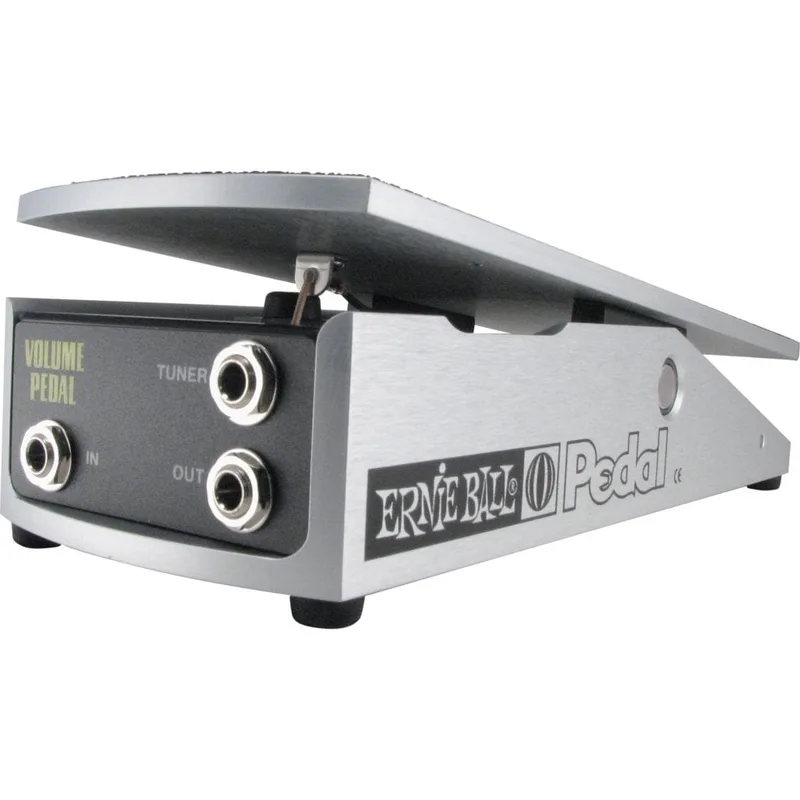
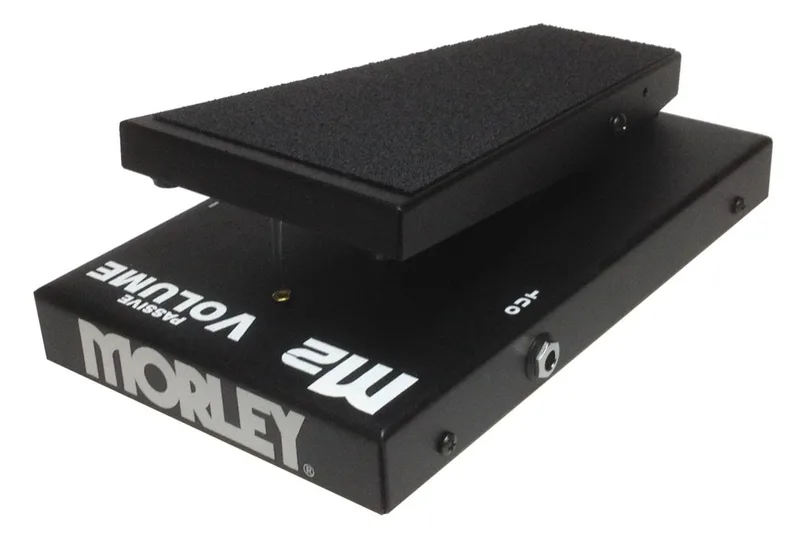
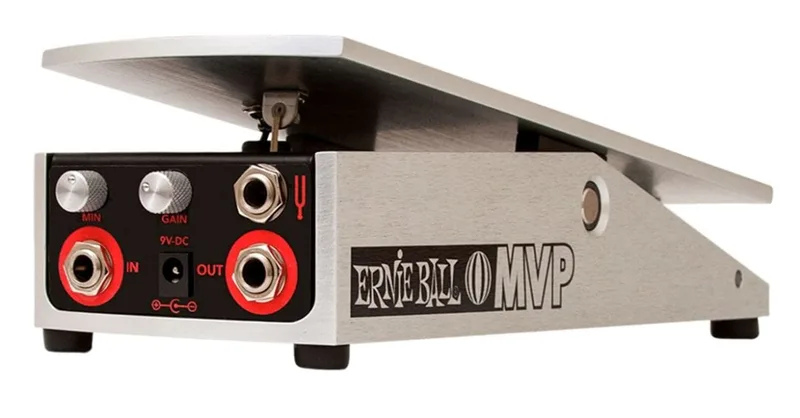
The 250k potentiometer places the FVP-1 among passive volume pedals intended for use with passive pickups, a category that also includes the Ernie Ball 250k Mono Volume Pedal and the Morley M2 Passive Volume. Powered alternatives with buffers or extra features, such as the Ernie Ball MVP or the Lehle Mono Volume, sit differently in a signal chain because they need power. The FVP-1's front-panel jacks and tuner output are its distinguishing practical features among these1.
Videos
Yooper Product Reviews
Nikolay Karageorgiev
Ezvid Wiki
Questions
Does the Fender FVP-1 need power?
No. Fender designed the FVP-1 as a passive pedal, so no batteries or other power sources are required. Because nothing is powered, there is no power jack to wire into a pedalboard supply, and the pedal works wherever it is placed in the signal chain.
What instruments is the FVP-1 designed for?
Fender describes the FVP-1 as a passive volume foot pedal designed for guitar and bass. The 250k potentiometer value suits passive pickups on both instruments, and the pedal sits on the floor like any rocker-style volume pedal.
Sources (1)
- NAMM 2014: Fender rolls out FVP-1 passive volume pedal, MusicRadar, 2014-01-24