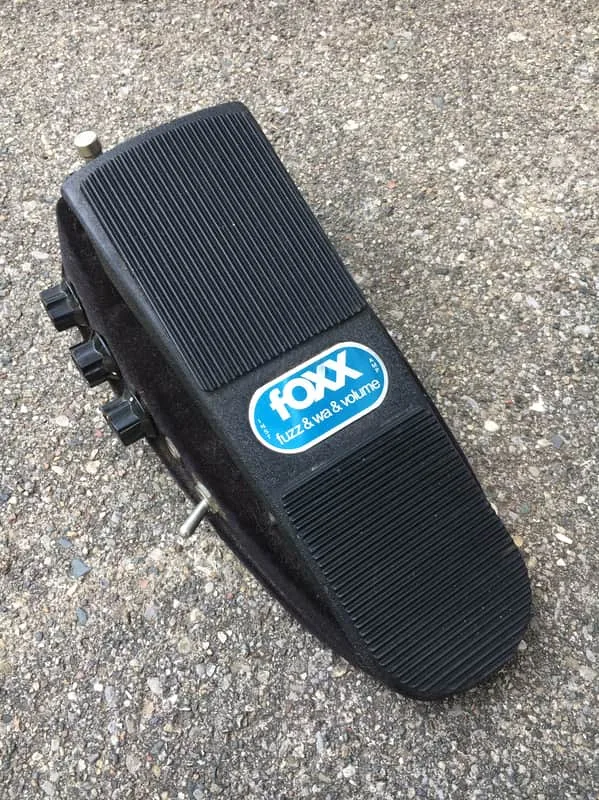


The fOXX Fuzz&Wa&Volume is a vintage rocker pedal from the early 1970s that combines three functions in one housing: a fuzz, a wah and a volume control. TONEHOME describes it as "basically fOXX' legendary Tone Machine teaming up with a fantastic Wah Wah" and calls the pedal gnarly1. It was made by Ridinger Associates Inc of Chatsworth, California, in the early 1970s, and a fOXX advert for it dates from 19711.
What it does
The pedal stacks three effects under one rocker, so a player can sweep the wah, set the level with the volume function, and switch the fuzz in and out without separate boxes. GuitarPlayer's Dave Hunter wrote that beyond its three obvious functions it also carried "the useful Foxx octave-up effect and four voicing modes for the wah"2.
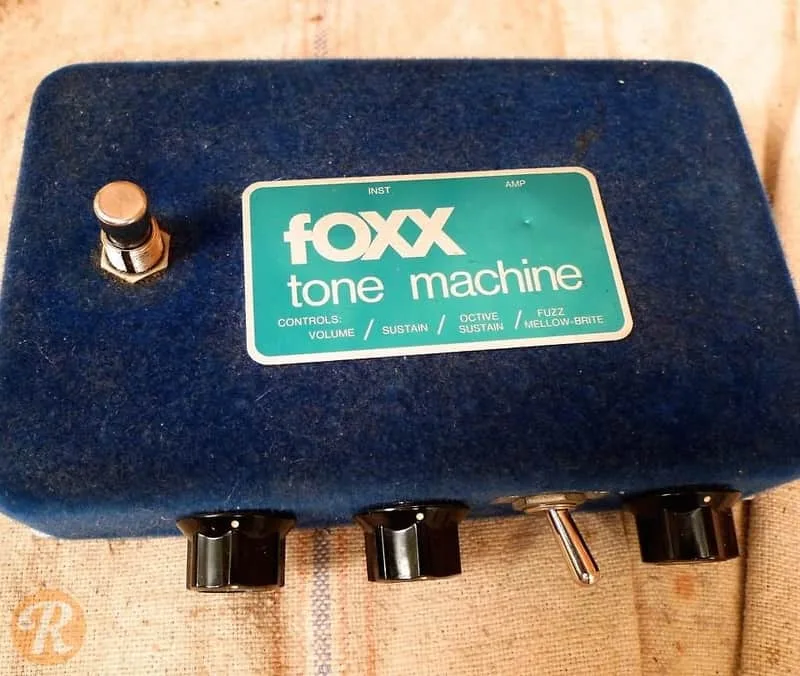
The fuzz side comes straight from the Tone Machine, fOXX's fuzz pedal. That circuit offered "a warm and thick-sounding fuzz with a controllable octave-up effect," as Paolo De Gregorio of Delicious Audio put it, with a switch that goes from standard fuzz to an octave-up fuzz34. The octave-up character is what the Tone Machine is known for, and it carries over into this pedal.
"The top dog was arguably the Fuzz & Wa & Volume, often considered the catch of the lineup."
Battery and enclosure
The pedal runs on a battery. TONEHOME notes one practical caution for owners: the internal wiring can be disturbed by accident when changing the battery, so the guts are the part to leave alone1.
TONEHOME's advice on the enclosure: "They look more fragile than they are. As long as you do not tamper with the guts, which sometimes happens accidentally when changing the battery, these pedals" hold up. The housing is sturdier than it appears; the risk is internal, not external1.
The fOXX family and related pedals
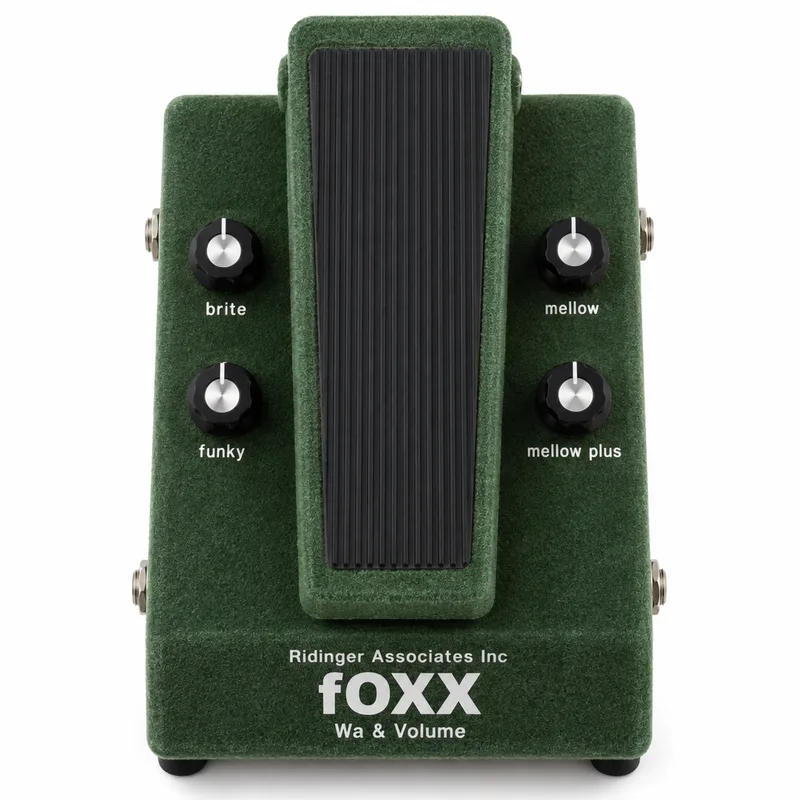
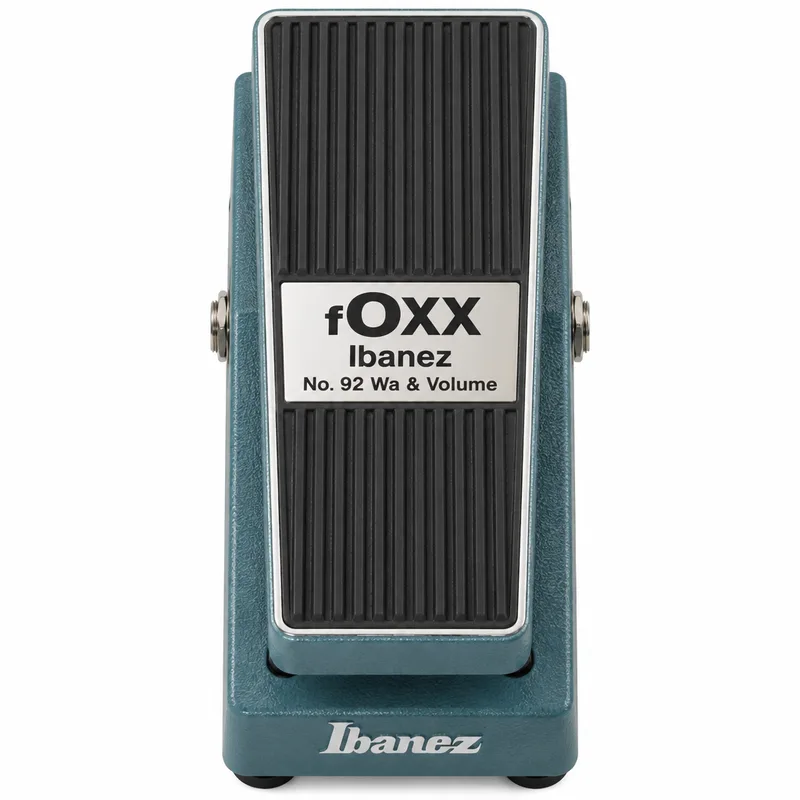
The Fuzz&Wa&Volume sat at the top of fOXX's early 1970s range in both price and, in Dave Hunter's view, standing12. The company also sold a two-function version, the Wa & Volume, without the fuzz, and the Tone Machine on its own. Later, fOXX supplied a wah and volume design to Ibanez as the No. 92 Wa & Volume, made by fOXX in California and produced from 1974 to 19755.
| Pedal | Functions | Listed retail price |
|---|---|---|
| fOXX Fuzz&Wa&Volume | fuzz, wah, volume, octave-up | $74.95 USD (1971)1 |
| fOXX Wa & Volume | wah, volume | $64.95 USD (1974)6 |
| fOXX Tone Machine | fuzz with octave-up | $59.95 USD (1974)3 |
The Tone Machine circuit itself has had a long afterlife, with several makers issuing their own versions of it in recent years, which Delicious Audio has tracked in a roundup of Tone Machine clones and evolutions4. For players interested in the other functions on their own, the site's pages on Wah-Wah Pedals and Volume Pedals cover the standalone versions of what this pedal combined.
Videos
dcooper830
AtomicMusicStore
Harmonitis
Questions
Does the fOXX Fuzz&Wa&Volume run on a battery?
Yes. TONEHOME describes the pedal as battery powered, and notes that the internal wiring can be disturbed by accident when changing the battery. The same page adds that as long as nobody tampers with the guts, these pedals hold up well, so battery changes are the main point of care for an owner.
What circuit is the fOXX Fuzz&Wa&Volume based on?
The fuzz section is the fOXX Tone Machine circuit. TONEHOME calls the pedal basically the legendary Tone Machine teaming up with a wah and a volume control, and GuitarPlayer's Dave Hunter adds that it carried the Foxx octave-up effect alongside its three main functions.
Who made the fOXX Fuzz&Wa&Volume?
It was made by Ridinger Associates Inc of Chatsworth, California, in the early 1970s, according to TONEHOME. The company sold pedals under the fOXX name, and later supplied wah and volume designs to Ibanez as well.
How much did the fOXX Fuzz&Wa&Volume cost when it was new?
TONEHOME lists a 1971 retail price of $74.95 USD. For comparison, the fOXX Wa & Volume listed at $64.95 in 1974 and the Tone Machine at $59.95 in 1974, so the three-in-one pedal carried the highest price of the family.
Is the fOXX Fuzz&Wa&Volume enclosure fragile?
TONEHOME says these pedals look more fragile than they are and are durable as long as the internals are left alone. The caution is about the guts, which can sometimes be disturbed accidentally when changing the battery, rather than about the housing itself.
Sources (6)
- TONEHOME, TONEHOME (tonehome.de), 1971
- The Foxx Tone Machine Was the Fuzz of Choice for Peter Frampton, Billy Gibbons, and Adrian Belew, GuitarPlayer (www.guitarplayer.com), 2021-11-15
- TONEHOME, TONEHOME - the World of Vintage Guitar Effect Pedals, 1974
- Best Foxx Tone Machine Fuzz Clones And Evolutions In 2025, Delicious Audio, 2024-12-31
- TONEHOME, TONEHOME
- TONEHOME, TONEHOME - the World of Vintage Guitar Effects Pedals, 1974