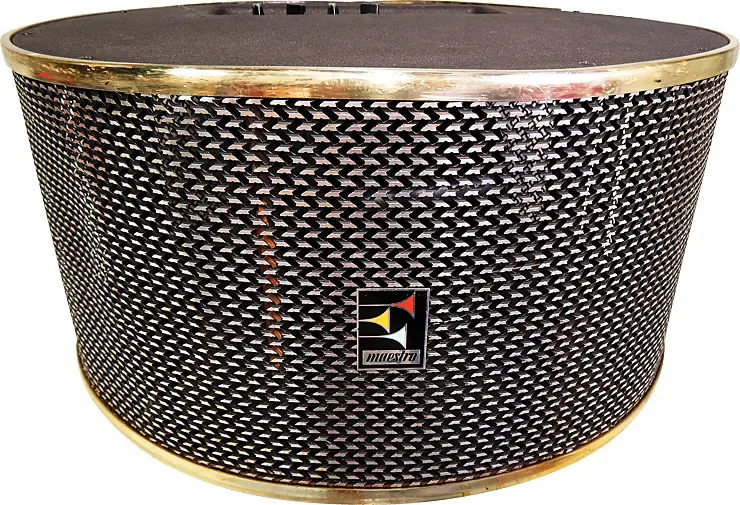

The Maestro Rover R0-1 was a rotating speaker unit for guitar, made by Gibson under its Maestro brand. Vintage Guitar magazine called it "the hands-down funkiest of them all" among the rotary speakers of its day. Instead of simulating the effect, the Rover used a specially designed 6-inch, 35-watt speaker inside a plastic enclosure that actually spun within a corrugated drum, putting the Doppler Effect to work on a guitar signal1.
How it works
The Rover is, as Vintage Guitar put it, "Mad Science 101; harness the Doppler Effect in a stationary speaker." A spinning sound source shifts in pitch as it moves toward and away from the listener, and the Rover recreates that by physically spinning the speaker enclosure inside the drum1.
The controls are four knobs: Volume, Speed, Slow, and Fast1. The Speed knob sets how fast the speaker spins, anywhere from zero to 20 revolutions per second1.
Vintage Guitar described the Rover's character this way: "The blues or rock musician will appreciate Rover's spacey and rotary controlled feedback sounds."1
Rover versus Leslie
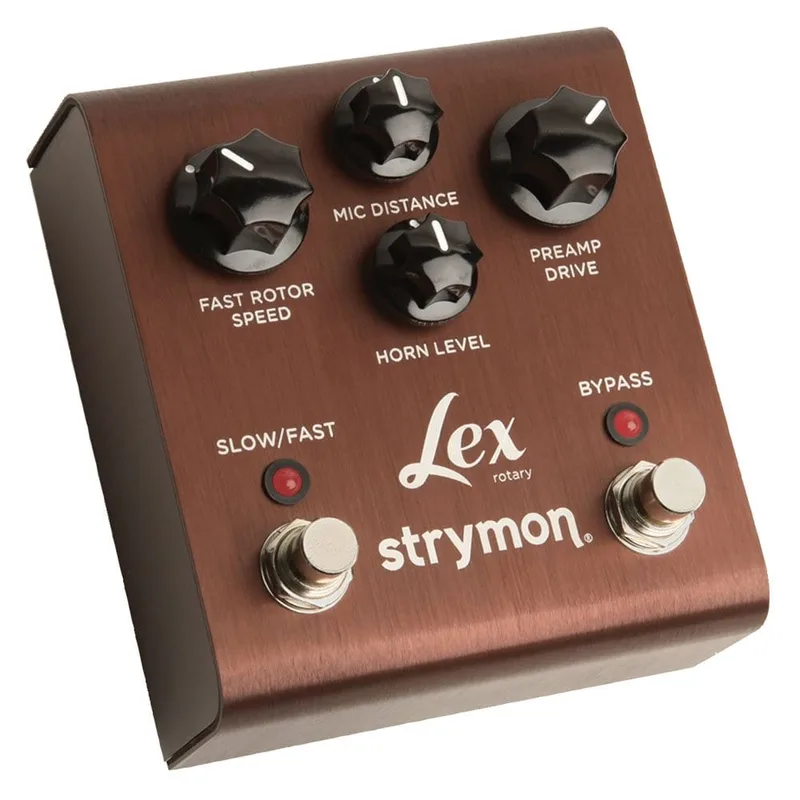
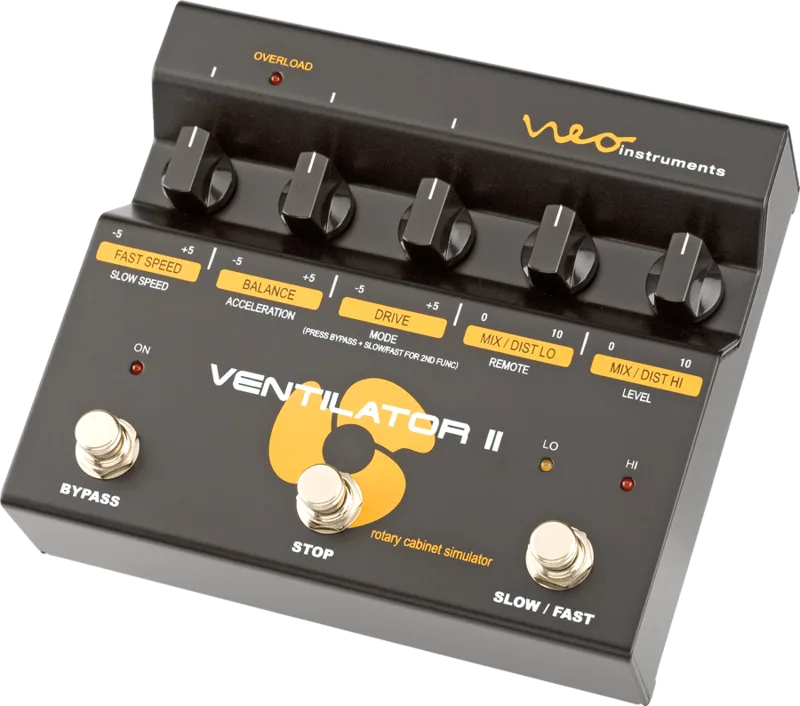
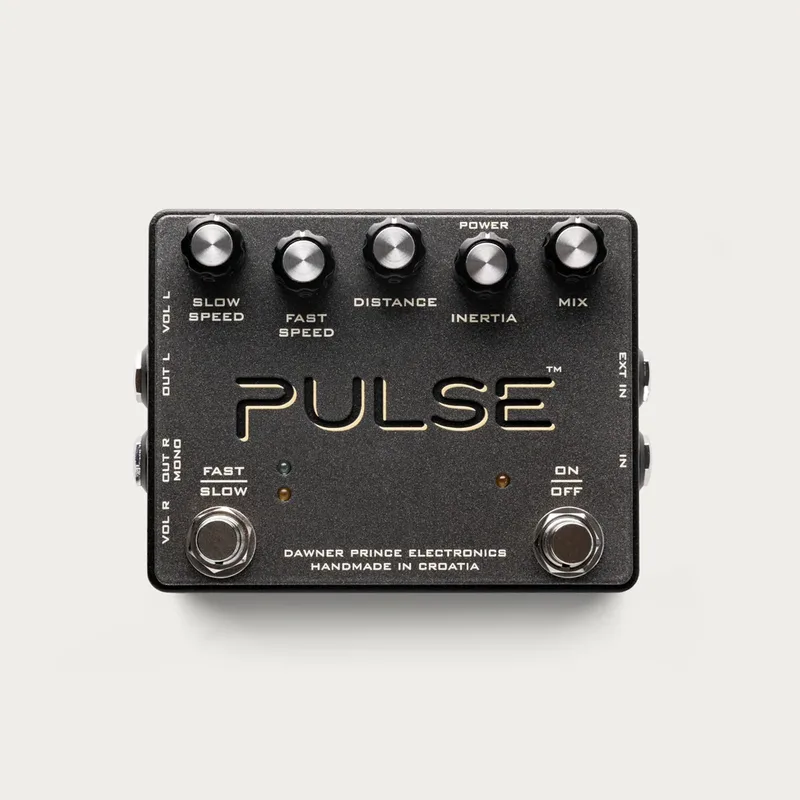
The main practical difference is the amplifier. Leslies were just a speaker, so they needed an outboard amp to boost the signal. The Rover had a built-in amp, so a player could plug a guitar straight into it1. It was also far easier to move: at less than 20 pounds, Vintage Guitar contrasted it with the "shoulder-straining, back-breaking Vibratone"1. Players looking at modern takes on the same idea can find pedal versions such as the Strymon Lex, the Neo Instruments Ventilator, or the Dawner Prince Pulse, which was explicitly inspired by the Rover1.
History and players
Maestro cut a demo record in 1972, with a narrator explaining the Rover's features, to launch what Vintage Guitar called its "spaceship"1.
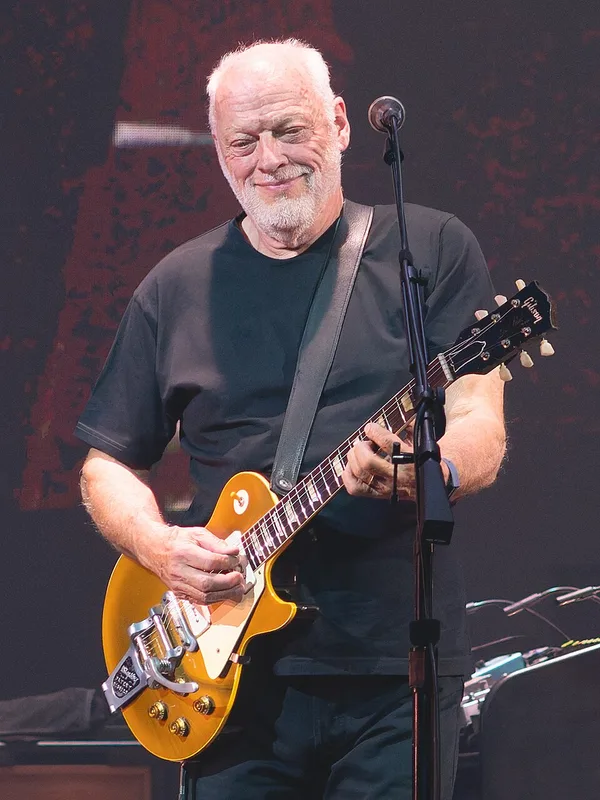
The Rover's best-documented player is David Gilmour, who used one during sessions for Pink Floyd's 1994 album The Division Bell1.
The Rover is a long-discontinued unit from the Maestro line, documented today as a piece of Gibson history rather than a current product1.
Videos
Adrian Täckman
Questions
Does the Maestro Rover need an outside amplifier?
No. Where Leslies were just a speaker and needed an outboard amplifier to boost the signal, the Rover had a built-in amplifier. That made it a self-contained rotating speaker unit a guitarist could plug into directly, rather than one more piece of outboard gear to carry and power.
How fast does the Maestro Rover spin?
The Rover could spin from zero to 20 revolutions per second, controlled by a Speed knob along with separate Slow and Fast knobs. At the top of that range the spinning speaker produces the spacey, rotary-controlled feedback sounds the unit was aimed at.
How big and heavy is the Maestro Rover?
The Rover measured 19 inches in diameter and stood 9 inches high, not including its adjustable stand, and it weighed less than 20 pounds. Vintage Guitar noted that was a light load compared to the shoulder-straining, back-breaking Vibratone.
Which David Gilmour recording used the Maestro Rover?
David Gilmour used the Maestro Rover during sessions for Pink Floyd's 1994 album The Division Bell. The Rover's spinning speaker and built-in amplifier put rotary sounds on those sessions without the outboard amplifier a Leslie would have needed.
How is the Rover different from a Leslie?
A Leslie is just a speaker, so it needs an outboard amplifier to boost the signal. The Rover had a built-in amplifier, so a guitarist could plug straight in. It also used a 6-inch, 35-watt speaker spinning inside a corrugated drum, a smaller and lighter arrangement than a Leslie cabinet.
Sources (1)
- Maestro Rover R0-1, Vintage Guitar magazine, 2016-08-06
 David Gilmour