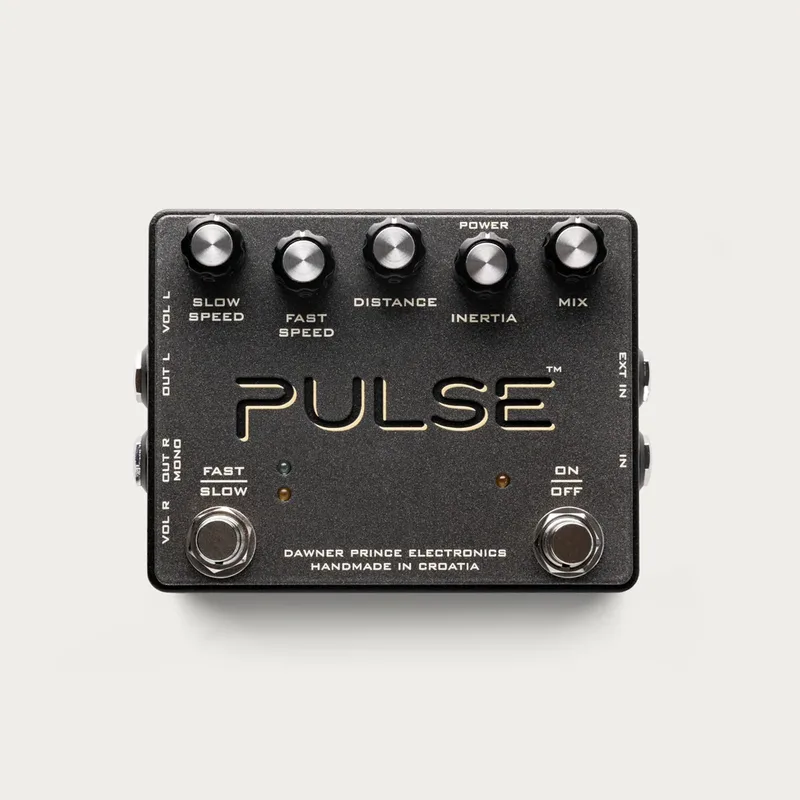


The Dawner Prince Pulse is an analog revolving speaker emulator pedal: a stompbox that recreates the sound of a spinning speaker cabinet in the tradition of the Leslie-style swirl heard on classic records. Dawner Prince describes it as an open cabinet revolving speaker emulator that produces "a realistic three-dimensional sound that swirls as the speaker accelerates, exact spatial modulation and the feel of the air moving with every spin"1. It was released in July 2020 by Croatian pedal maker Dawner Prince Electronics2, and the maker's product page currently lists it as Sold Out1.
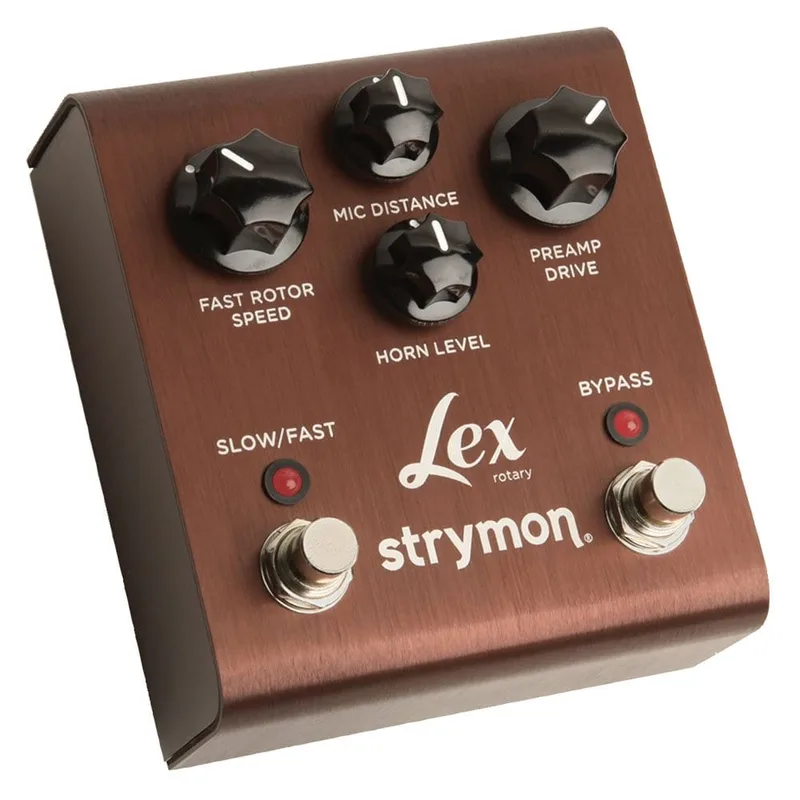
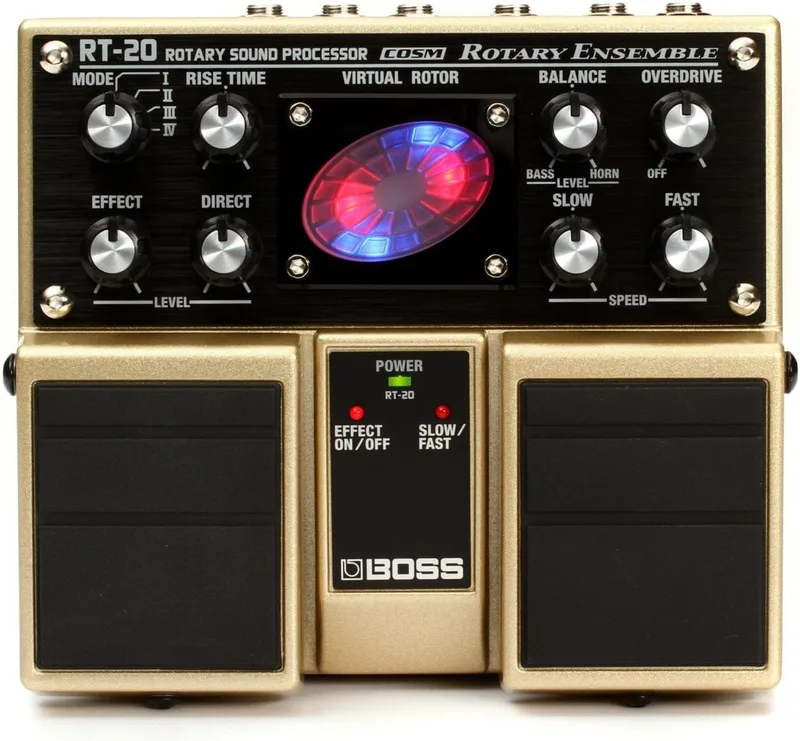
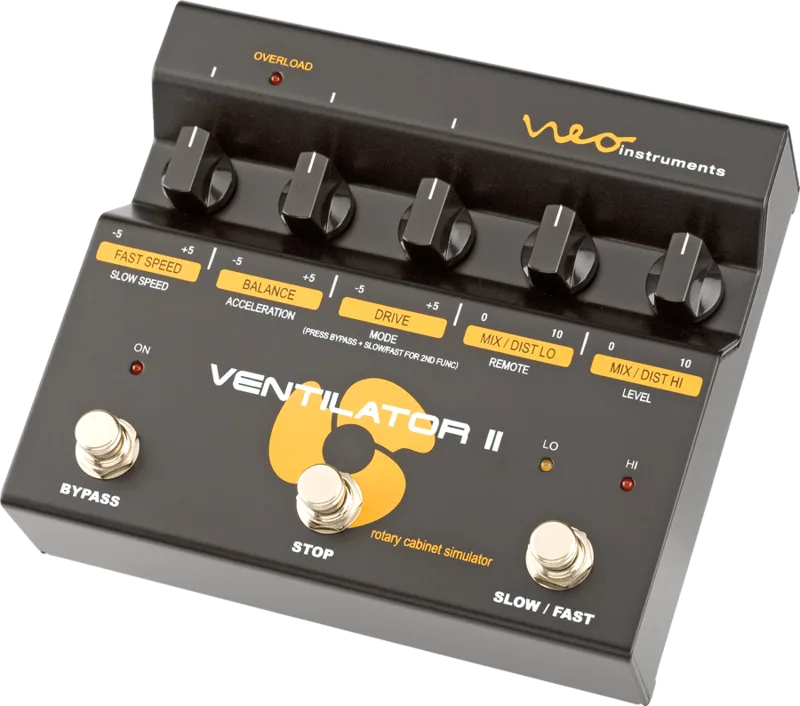
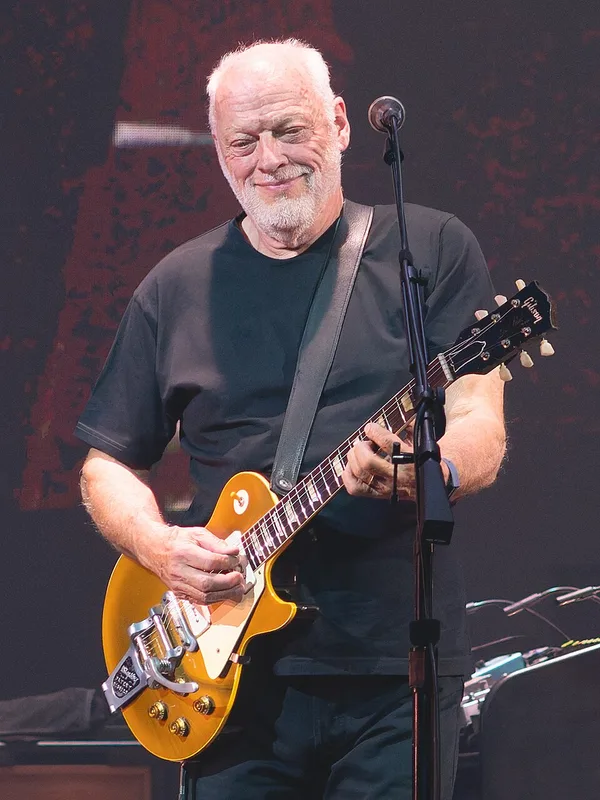
The Pulse is aimed squarely at players chasing the rotary tones associated with Jimi Hendrix and David Gilmour, the classic swirling Leslie speaker-type sound2. It sits in the same family as pedals like the Strymon Lex, the Boss RT-20 Rotary Ensemble and the Neo Instruments Ventilator, but unlike most of those it is an analog circuit built around a specific pair of vintage hardware designs rather than a general Leslie emulation.
What the Pulse does
A rotary speaker works by spinning a speaker driver inside a cabinet, so the sound reaching your ears shifts in pitch, volume and position as it turns. The Pulse emulates this electronically. Dawner Prince says it spent months of research and development packing "the hardware with real speakers as well as the electronics" of its inspirations into a pedal2, and RockBoard's PedalPedia describes its method as "measuring every detail on a real physical model and using advanced math to emulate its complex sound image"3.
The pedal provides a stereo output created by two virtual microphones placed on each side of the speaker cabinet. Using only the OUT R mono output engages a single virtual microphone in front of the cabinet instead1. The unit has two rotation modes, SLOW and FAST, and the modulation rate spans .4 to 8 virtual speaker rotations per second according to Premier Guitar's reviewer5.
The controls
The Pulse's front panel gives you separate controls for slow and fast rotation speed, plus the virtual microphone distance and output levels16.
| Control | What it does |
|---|---|
| Slow Speed | Sets the rotation speed in SLOW mode |
| Fast Speed | Sets rotation speed in FAST mode, from 4 revolutions per second (minimum) to 8 revolutions per second (maximum) |
| Distance | Virtual microphone placement: sets how far the virtual mics sit from the revolving cabinet. Minimum is the furthest distance, maximum the closest |
| Inertia | Sets how long the speaker takes to accelerate from SLOW to FAST and to decelerate back down |
| Volume R / Volume L | Output levels for the right and left channels; unity gain at 12:00 |
Two footswitches handle the rest. One switches the effect on and off, with a yellow status LED when active. The second toggles between SLOW and FAST rotation, with a yellow LED indicating slow mode and a blue LED indicating fast1. Gearnews noted that the Inertia control is the one that sells the effect for many players, since the ramp between speeds is a large part of what makes a real rotary speaker feel physical2.
Power and connections
The Pulse runs on a standard 9V DC supply through a 5.5mm/2.1mm center negative barrel connector, drawing about 70mA1. The circuit is true bypass2.
At roughly 70mA the Pulse draws more current than a simple analog overdrive, so plan for it on a powered pedalboard rather than a battery or a shared daisy chain.
The TRS input accepts either mono or TRS stereo signals, selected by an internal jumper, and the pedal ships preset in mono mode1. The external input accepts an expression pedal or a remote switch for external speed control1. For expression pedal use, Dawner Prince suggests plugging it in, setting it to the heel position and adjusting the SLOW SPEED pot to taste, then moving to toe and setting the FAST SPEED pot. The suggested pedal is the Roland EV-5, but the maker says almost any expression pedal will work17.
Built on the Doppola and the Maestro Rover RO-1
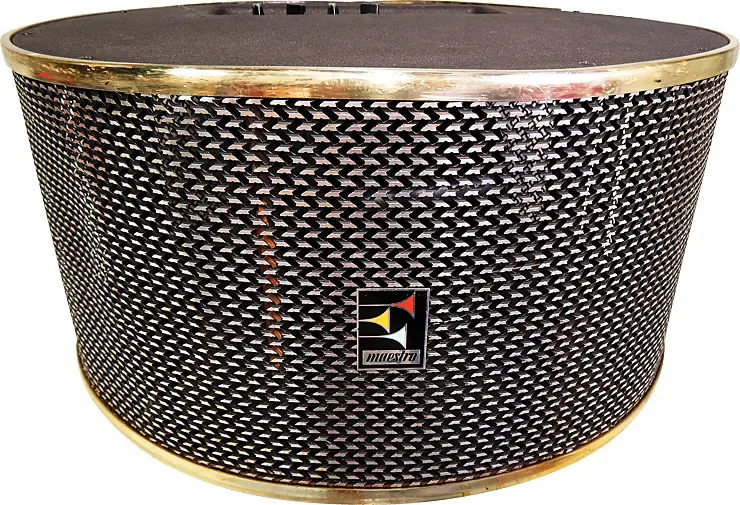
The Pulse's specific inspirations are two rotary speakers rather than the Leslie cabinet itself. Dawner Prince says it is "inspired by Pink Floyd's legendary rotary speaker Doppola and Gibson's Maestro Rover RO-1"1. The Doppola is the rotary speaker Pink Floyd used, and GuitarPlayer described the Pulse as a painstakingly researched emulation of the Pink Floyd-used Doppola and Gibson Maestro8. The Maestro Rover RO-1 was a consumer rotating speaker launched in 1972, in Guitar World's words "looking very space-age in its silver circular housing"4. You can read more about that hardware unit on the Maestro Rover R0-1 page.
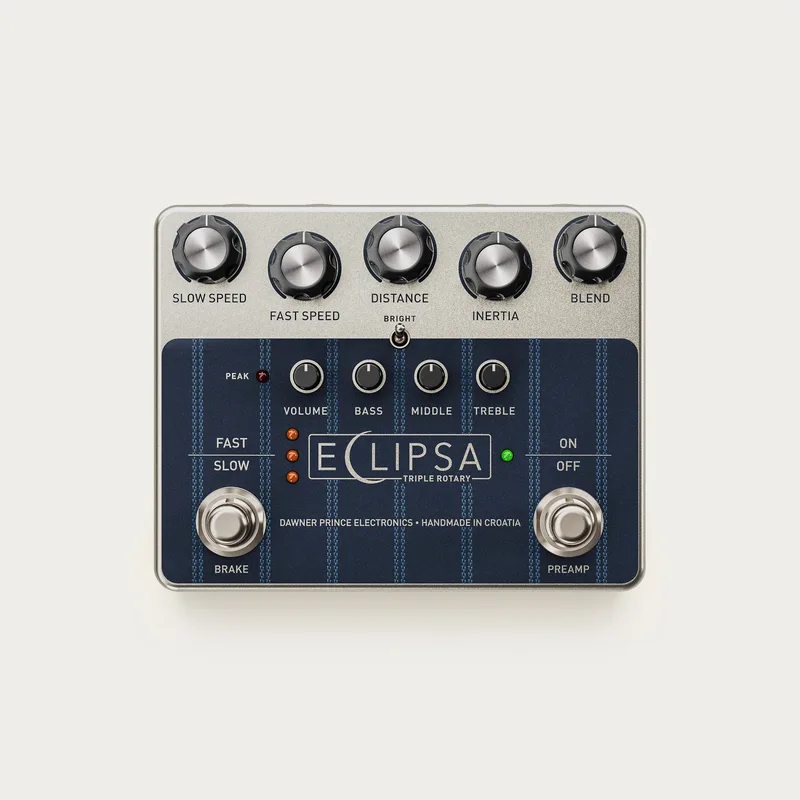
Dawner Prince later expanded its rotary line with the Eclipsa.
What reviewers said
Guitar World's reviewer Trevor Curwen found the Pulse convincing, writing:
"The Pulse does a really good job of recreating the multi-dimensional sound of a rotary speaker in action, especially if you can run it in stereo"4
Premier Guitar's reviewer found that "the slow and fast speed controls have great range," and noted the .4 to 8 virtual speaker rotations per second modulation span5. Gearnews summed up the appeal as "those classic swirling, Leslie speaker-type tones we associate with Jimi Hendrix and David Gilmour"2.
Videos
Pete Thorn
gilmourish
AndyDemos
Questions
Is the Dawner Prince Pulse true bypass?
Yes. The Pulse uses a true bypass switching system with a status LED that glows yellow when the effect is on. A second footswitch toggles between slow and fast rotation, with a yellow LED for slow mode and a blue LED for fast mode.
Can I control the Pulse speed with an expression pedal?
Yes. The external input accepts an expression pedal or a remote switch for external speed control. Dawner Prince suggests the Roland EV-5, but almost any expression pedal will work. Set the pedal to heel for the slow speed and toe for the fast speed, adjusting each on the pedal itself.
Does the Pulse work in mono?
Yes. The TRS input accepts mono or stereo signals, selectable by an internal jumper, and the pedal ships preset in mono. Using only the OUT R mono output engages a single virtual microphone in front of the speaker cabinet instead of the stereo pair.
Is the Dawner Prince Pulse still made?
The Pulse page on the Dawner Prince website currently lists the pedal as Sold Out. It was released in July 2020 at a regular price of $339.95 USD. Dawner Prince has since introduced the Eclipsa triple rotary speaker emulator.
Where is the Dawner Prince Pulse made?
The Pulse is made in Croatia by Dawner Prince Electronics, a Croatian pedal maker. The company spent months of research and development measuring a real physical rotary speaker model and using advanced math to emulate its complex sound image.
Sources (8)
- PULSE Revolving Speaker Emulator, Dawner Prince Electronics
- A Leslie? No! It's Dawner Prince Electronics' Pulse Revolving Speaker Emulator, gearnews.com, 2020-07-22
- Pulse by Dawner Prince, RockBoard PedalPedia (rockboard.de), 2026
- Dawner Prince Pulse review, Guitar World, 2021-02-05
- Gilmour’s Magic Mid-’90s Modulator Made Small, Premier Guitar, 2021-05-06
- Dawner Prince Pulse Revolving Speaker Emulator, Delicious Audio, 2022-02-16
- FAQs - Dawner Prince Electronics, Dawner Prince Electronics
- Dawner Prince Unveils New Pulse Revolving Speaker Emulator, GuitarPlayer, 2020-07-23
 David Gilmour