
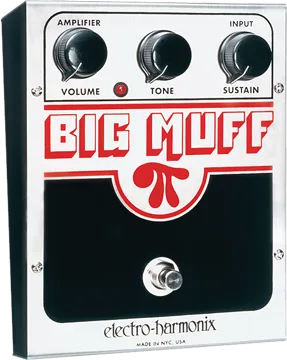
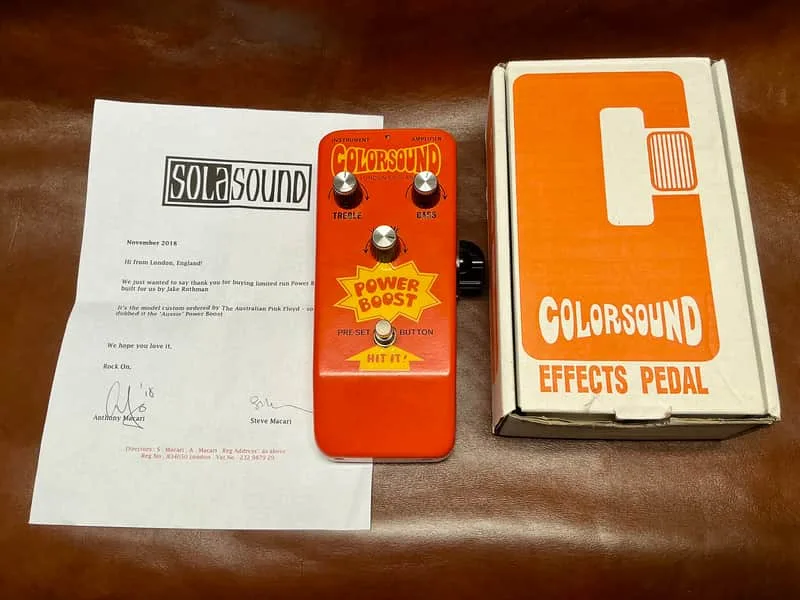
David Gilmour is the guitarist of Pink Floyd, and his sound is one of the most studied in rock: long, singing sustain, slow vibrato, big clean tones and a lead voice built from fuzz stacked with boost. His gear choices have been tracked in detail by historians and by the builders who worked on his rigs, and several of the pedals he made famous, from the Big Muff to the Colorsound Power Boost, are still sold today in versions aimed squarely at players chasing his tones12.
His rig has always been more than a row of pedals on the floor. From 1976 onward his boards were custom-built by Pete Cornish as remote controls for switching systems and racks, letting him call up combinations of effects from a floor unit while the signal chain lived in the wings34. That approach, plus Hiwatt amps and rotary speakers, is the backbone of the sound heard on Pink Floyd's records from the mid 1970s through the 1994 Division Bell tour.
The sound he is known for
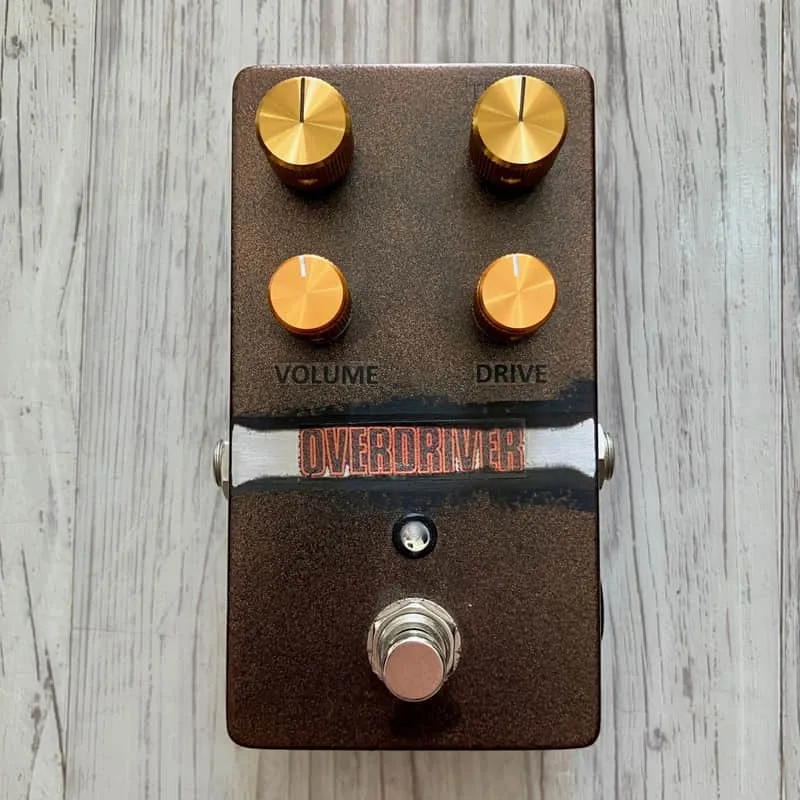
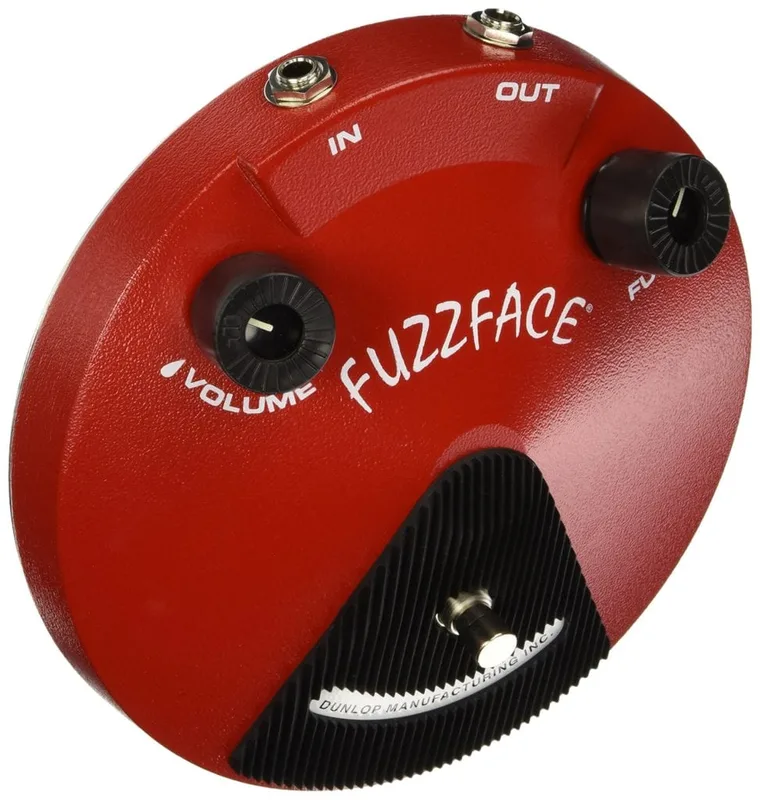
Gilmour's playing is identified with sustain and phrasing rather than speed, and the gear behind it has stayed remarkably consistent. His tech Phil Taylor said his distortion choice "is nearly always EH Big Muff, BK Butler Tube Driver, and, in the earlier days, a Fuzz Face or a Colorsound Overdriver"7. In an Electro-Harmonix interview he put it more simply:
"The Big Muff is the killer distortion."
"It's raw power."
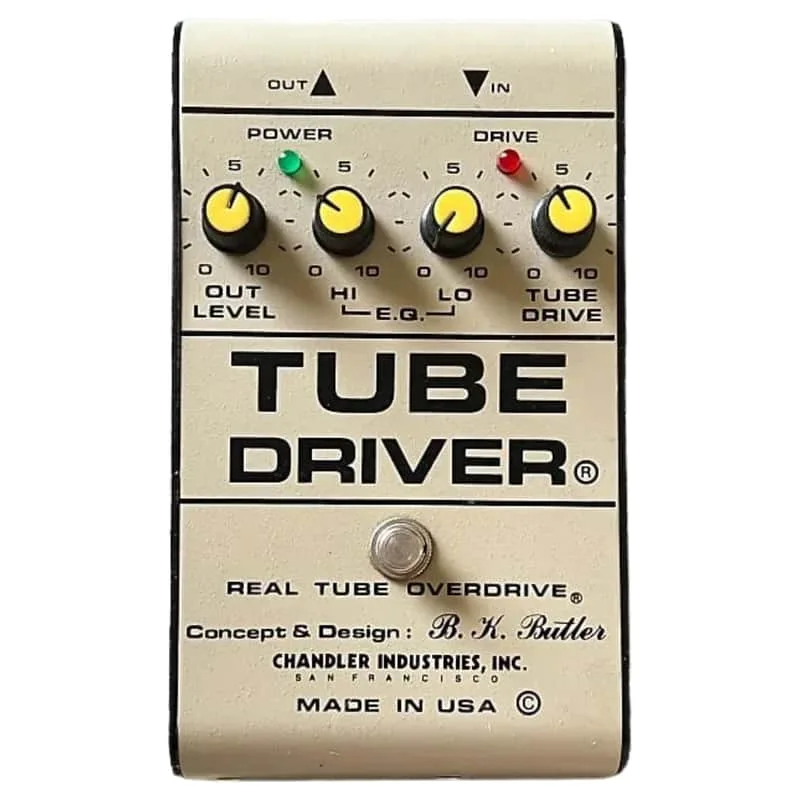
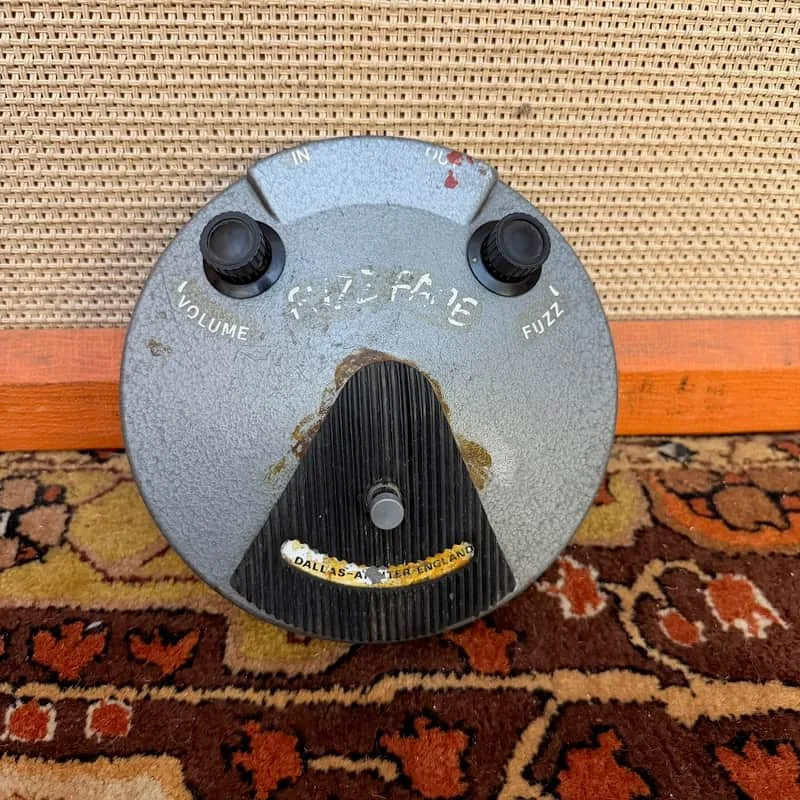
Before the Big Muff he used Fuzz Face pedals extensively from the time he joined Pink Floyd in 1968 through the 1970s, and they can be heard on Meddle, Dark Side of the Moon, Wish You Were Here and the Live at Pompeii film; he stopped using them in the 1980s9. He also found some of his most unusual sounds by accident: he plugged his wah-wah pedal in backwards and worked his tone knob to create the seagull cries in "Echoes" as heard in Live at Pompeii10. On "Pigs (Three Different Ones)" from 1977's Animals he recorded with a Heil Talk Box for the first time, mimicking grunting pigs on his Stratocaster11.
His guitars have shifted over the years. He started with a Telecaster and now also plays a Les Paul, including a Gold Top with P90 pickups seen in a late eighties Pink Floyd performance of "The Wall"3. His Stratocasters carry EMG active pickups with a dedicated Mid control and a Bass-Treble boost3, and his strings are custom GHS sets: .010, .012, .016, .028, .038 and .048 on the Strat, and .010.5 to .050 on the P90 Les Paul3.
Pink Floyd's peak era: Hiwatt and Colorsound Power Boost
On stage, Gilmour used and still uses only Hiwatt amplification with 4x12" WEM speaker cabinets3. In the studio he takes a different approach, running several amps at once: an old tweed Bassman together with a Leslie 760 rotary speaker, and a small 50 watt Hiwatt combo with Fane speakers3. As he put it in a 1996 Guitar Shop interview:
"I've got tiny Fender amps that sound positively enormous if you get them in the right place."
The other constant of the 1970s was the Colorsound Power Boost, a British boost pedal he used extensively during that decade, from 1972 onwards212. The pedal's association with his tones from that era is a large part of why it is still reproduced today213. A trick Gilmour particularly enjoys is using the Power Boost to enhance the Big Muff's sustain and presence12, which is the core of his lead sound: fuzz into a clean, loud amp, with boost pushing the fuzz harder.
His first Cornish board, drawn up on March 7, 1976, shows the shape of that era's rig4:
- Dallas Arbiter Fuzz Face, which Dave "really liked a lot"
- A Cornish Custom Fuzz
- MXR Phase 100 phaser
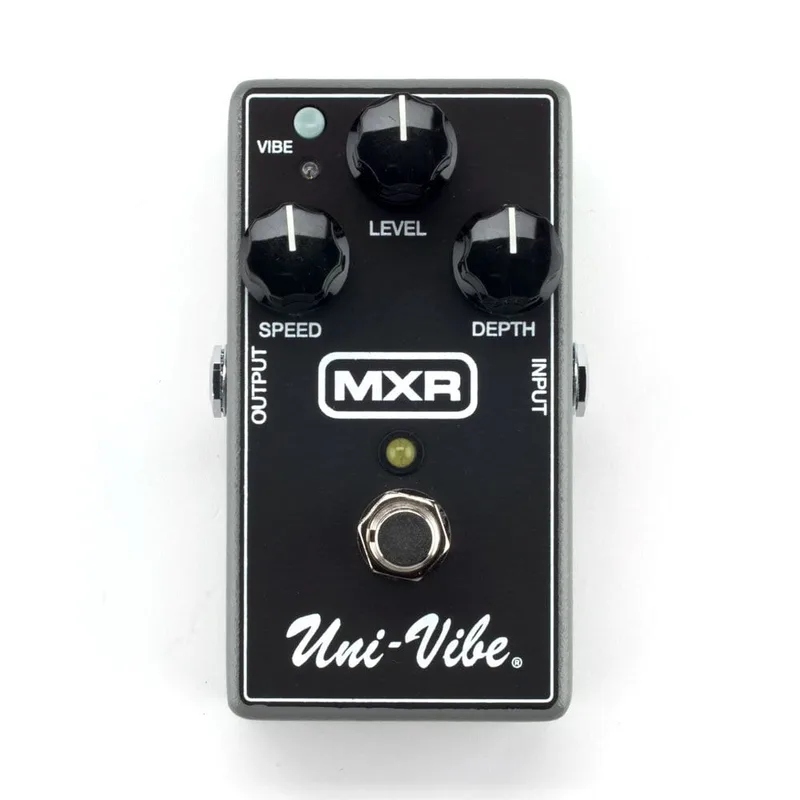
- Uni-Vibe
- A CryBaby wah with a reverse switch to reverse the travel
- MXR Dynacomp compressor
- An MXR noise gate
- Three outputs, each with its own on/off switch, so any combination of three amps (Hiwatt, Marshall or Yamaha) could be on at once4
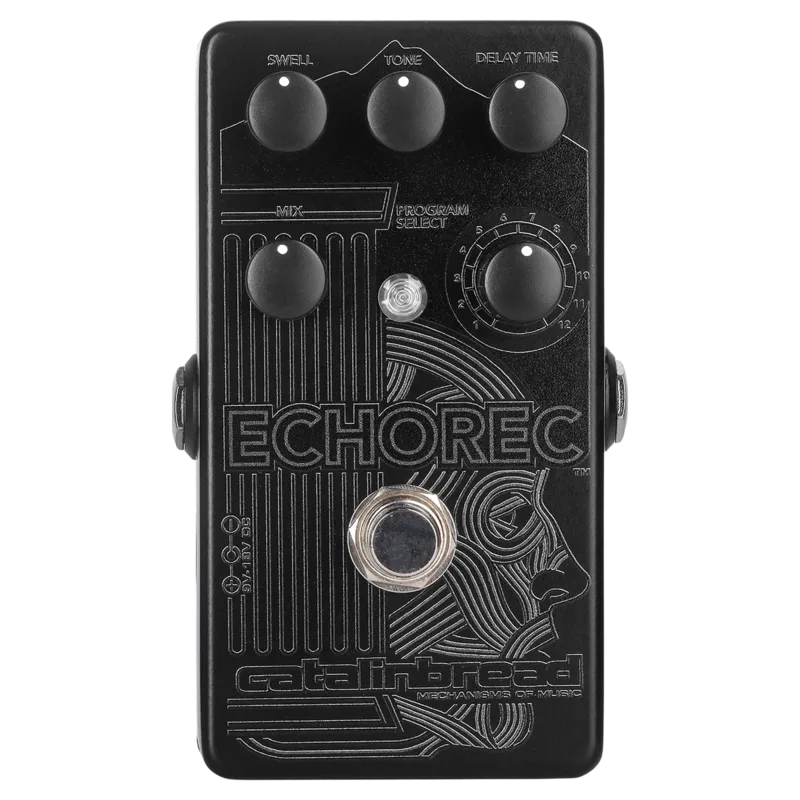
In 1977 the tone circuit was moved to just before the volume pedal and a treble and bass boost was added, which Cornish believes was a Colorsound unit, placed between the Uni-Vibe and the wah4. By 1978 his rig had grown to something like 20 different pedals, including phasers, fuzzes, tube distortions, delays, reverbs and echoes, among them the Italian Binson Echorec delay units3.
Remote-controlled pedalboards and racks
Gilmour started playing with a remote-controlled pedalboard and programmable racks in 19753, and his skill, developed together with Pete Cornish, was to build a pedalboard that works as a remote control for the whole system3. The routing on the first board began with an input selector for two guitars, then a strobo tuner feed, then a master bypass before the effects4. Gilmour described how he used it in a 1978 interview:
"I've got a switch to switch the volume pedal out... And I've got a master bypass, so that I can kind of pre set a combination of things on the board before I cut them all in, and I can cut them all in at once."
He always uses a volume pedal on stage, and in some of his larger rigs he had a volume bypass switch or master mute on his floor switcher to kill the sound between songs14. The second Pink Floyd board carried just one CryBaby, fitted out as a volume pedal, because Cornish had standardized the CryBaby body for pedal controllers4. To keep noise down in these high-gain rigs he used regulated power supplies, line drivers and occasionally noiseless pickups, and noise gates in a few instances, more to prevent buzz and interference from the lighting rigs of the time14.
The scale of the system kept growing. By 1996 Gilmour's Cornish rack had 24 send-and-returns, recently expanded by eight more so he could play the Dark Side of the Moon material15. The 1994 Pulse tour rig, routed through a Pete Cornish Routing Unit, shows how far this went16:
| # | Effect | # | Effect |
|---|---|---|---|
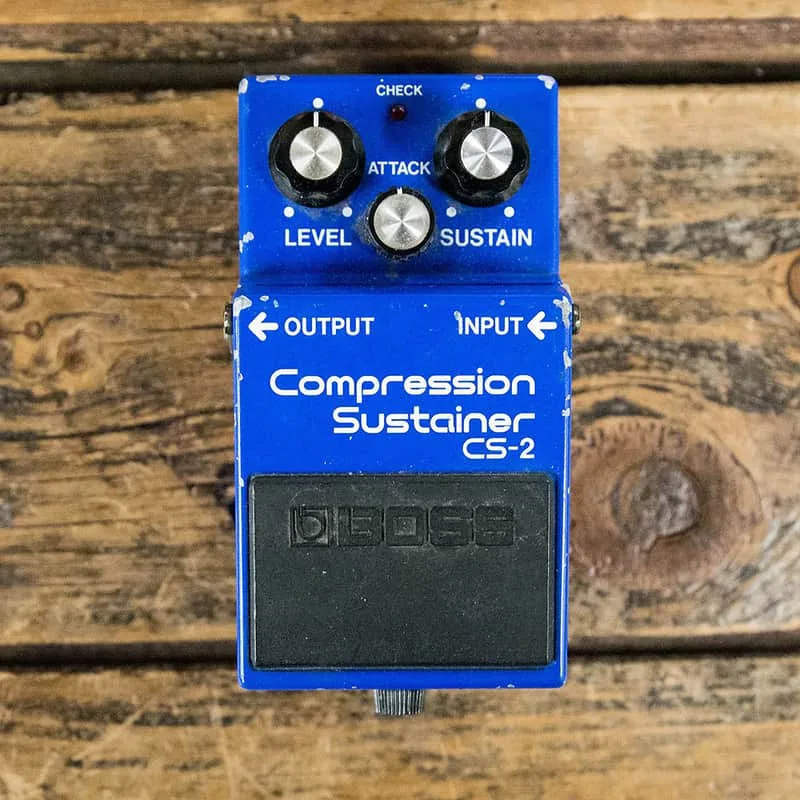
| 1 | Boss CS-2 Compressor | 13 | Uni-Vibe (rack mounted) |
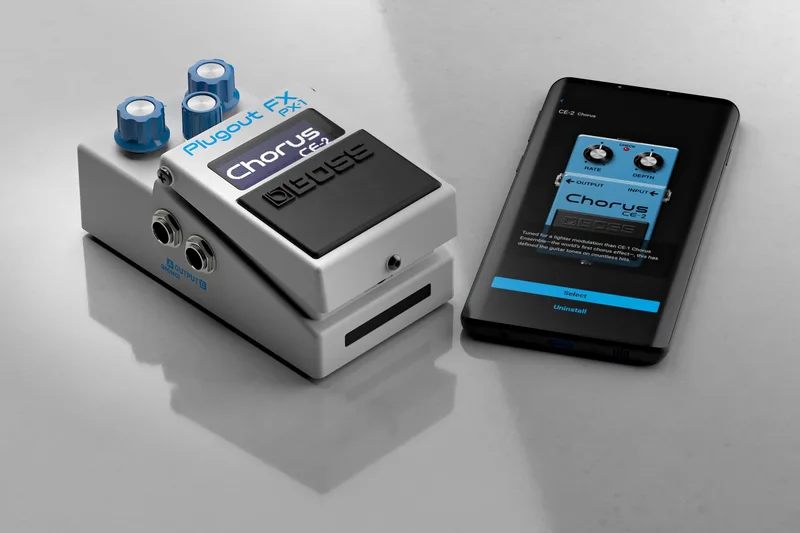
| 2 | MXR Dynacomp | 14 | Boss CE-2 |
| 3 | Ibanez Compressor | 15 | Tremulator |
| 4 | IPS 33B Pitch Shift | 16 | Boss GE-7 (1) |
| 5 | Hyperfuzz | 17 | Boss GE-7 (2) |
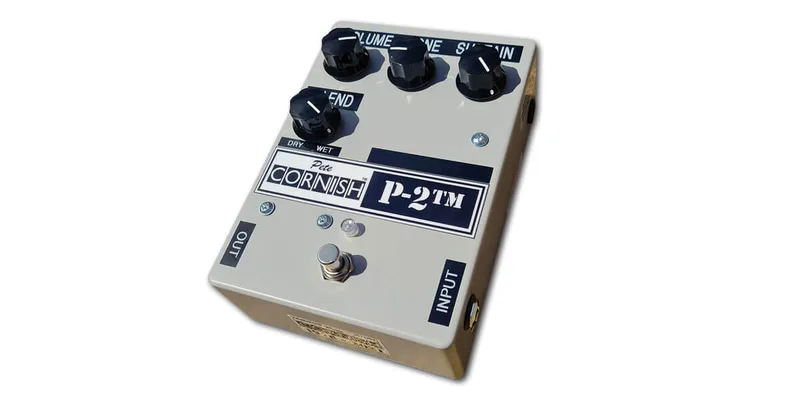
| 6 | Pete Cornish P-2 Fuzz | 18 | Boss GE-7 (3) |
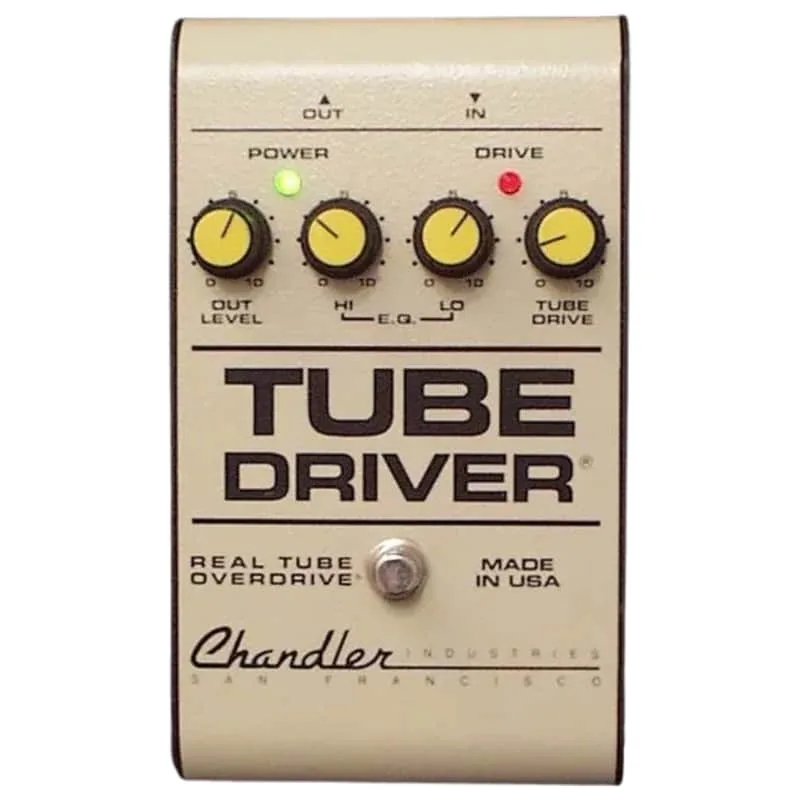
| 7 | Chandler Tube Driver (1) | 19 | MXR DDL II |
| 8 | Pro-Co Rat | 20 | TC2290 |
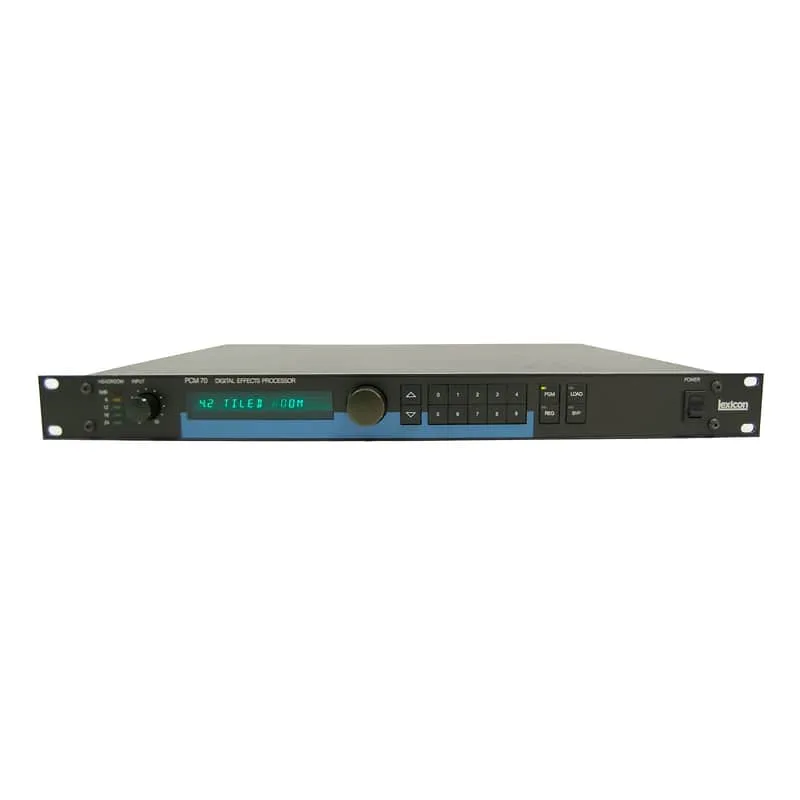
| 9 | Pete Cornish Soft-Sustain-2 | 21 | PCM 70 |
| 10 | Sovtek Big Muff | 22 | Doppola |
| 11 | Chandler Tube Driver (2) | 23 | Dynachord |
The Lexicon PCM-70 handles his reverbs and sits at the end of the chain, and an Alembic FB-2 bass preamp is always the first link in his signal chain, feeding a splitter3.
The Big Muff and boost behind his solo sustain
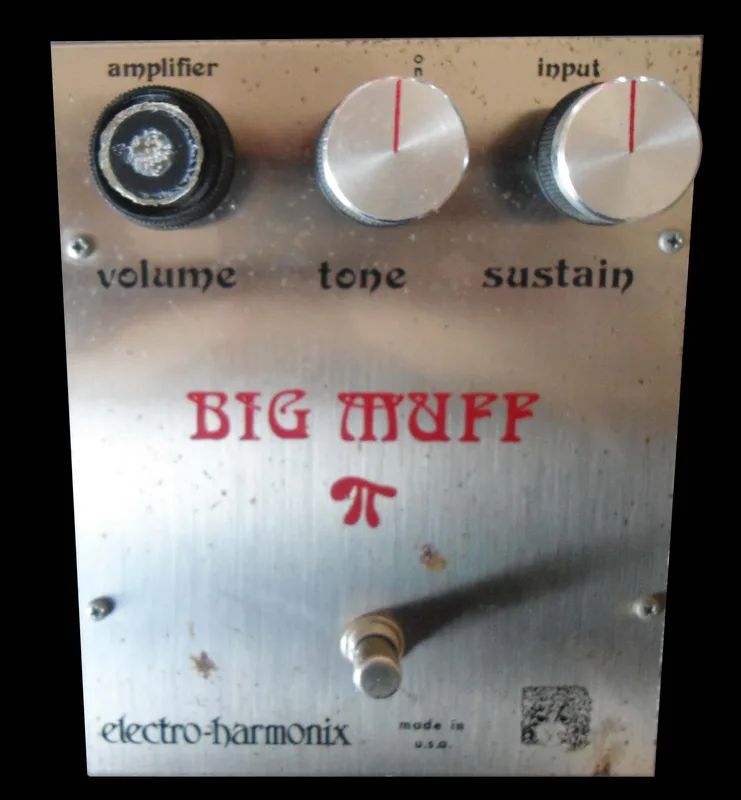
The Big Muff was Gilmour's go-to fuzz unit for the majority of his career17. His tech Phil Taylor introduced him to the pedal in 1974, though regular use is believed to have started around 1975 or 19766. A V2 "Ram's Head" Big Muff was reportedly his most used Big Muff, in both Pink Floyd and his solo recordings6, and his most famous solos with it are in "Comfortably Numb"96. That pedal, his 1974 Ram's Head known as the "DG ORIGINAL", was seen on top of his 1976 pedalboard in late 1976 and used throughout the January to March 1977 In the Flesh tour; in 1976 Pete Cornish replaced its pots, added an internal buffer and fitted Fuzz Face knobs, and its red LED is an after-market modification76. According to Phil Taylor, that #1 Big Muff "has often been preferred for most things" over all the others Gilmour owned, and he owned several V1 and V2 Big Muffs for studio and touring use6.
Big Muffs appeared across nearly every era that followed: the Animals and In the Flesh tour, his first solo record and tour, The Wall studio recordings and tour, The Final Cut, Momentary Lapse of Reason and its 1987 tour leg, Division Bell, and the On an Island recordings and 2006 tour6. They are heard all over Animals, The Wall, The Final Cut, and the Delicate Sound of Thunder (1988) and Live at Pompeii (2016) concert albums and videos18.
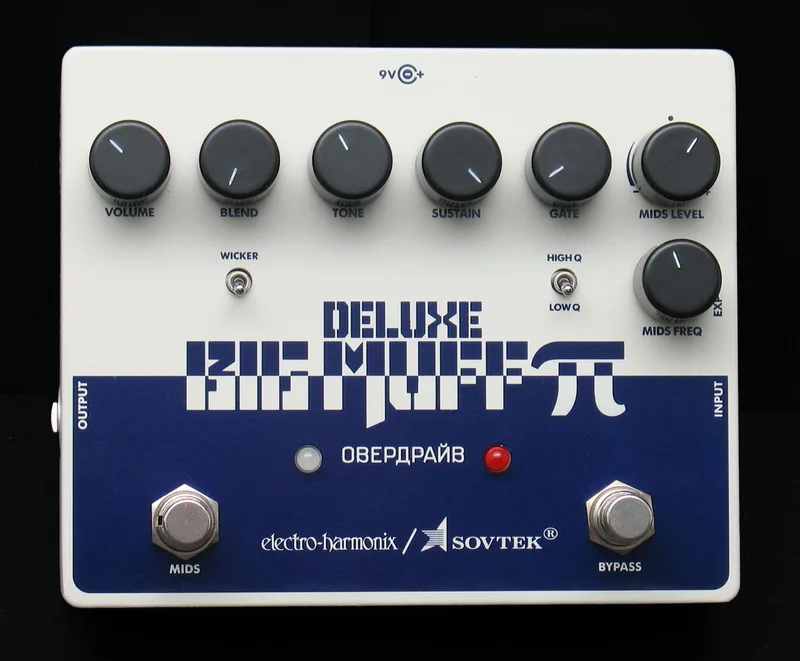
For the Division Bell album in 1993/94 and the tour that followed, he used a Civil War model Russian Big Muff19. The core of his signature Pulse solo sound, much sought after among Gilmour enthusiasts, was that Civil War Big Muff lightly driven and blended with a BK Butler Tube Driver for a slight gain boost and coloring, into a Fender Strat fitted with EMG-SA active pickups using the mid boost from the SPC tone control circuit19. He often blended the Civil War Muff with a Tube Driver9.
The Cornish fuzzes in his racks were mostly alternates. A Cornish P-2 was in his 1989 and 1990 Pink Floyd pedal boards, confirmed by the signal chain router visible in those concerts, and on the 1994 tour it was probably there as a backup for the Sovtek Big Muff, since signal chains indicate it was not used for the main tour7. A Cornish P-1 was built into his 1976 pedalboard and used briefly for the 2006 On an Island tour, sometimes for a few songs like "Comfortably Numb"7. The exception was the 2005 Pink Floyd Live 8 reunion, where he used a Cornish G-2 as the main distortion for the "Money" and "Comfortably Numb" solos, a departure from the Big Muff7. The Cornish P-2 distortion was first used by David around 1993 and has been his primary overdrive and distortion pedal since then9.
Rotary speakers and phasing
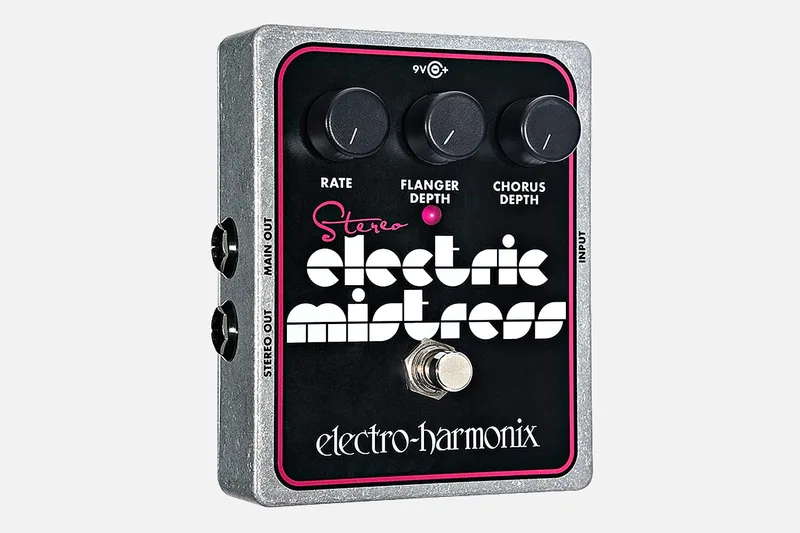
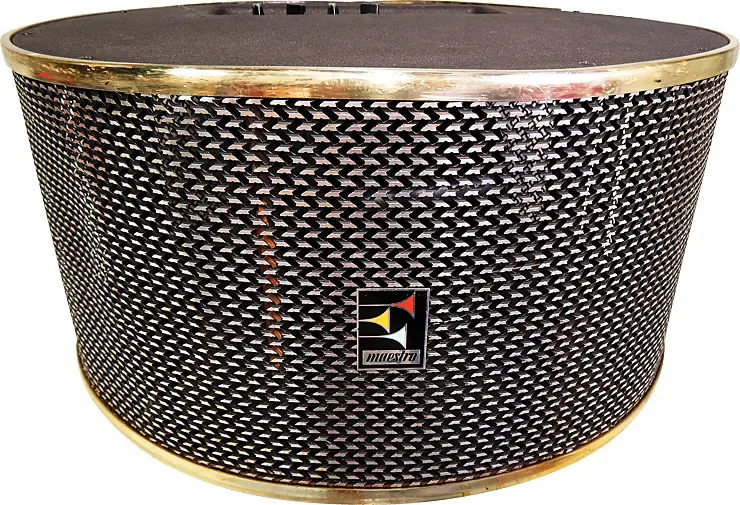
Rotating speaker cabinets have been part of Gilmour's sound since 1971-7220, and he has embraced rotary speakers regularly since 196921. He used a Leslie 147 on "The Narrow Way" from 1969's Ummagumma22, and for 1973's Dark Side of the Moon it is variously reported that he used either a Maestro, a Leslie 900, or a Univox Uni-Vibe pedal, or perhaps all three22. For modulation he is probably most famously associated with the Electro-Harmonix Electric Mistress flanger21.
The rotary sound became central to his biggest solo. He adopted the Yamaha RA-200 rotating speaker, combined with his Hiwatt amps, for Animals in 1977 and The Wall in 1979, specifically on the solo in "Comfortably Numb"22. He was still using the Yamaha cabinets at the end of the 1970s, along with Alembic F-2B valve preamps that powered them23. His setup ran the signal to both a rotary speaker and a regular guitar amp, and he mixed the two signals together on recordings and on stage, a trick also associated with his distinct recorded sound2425.
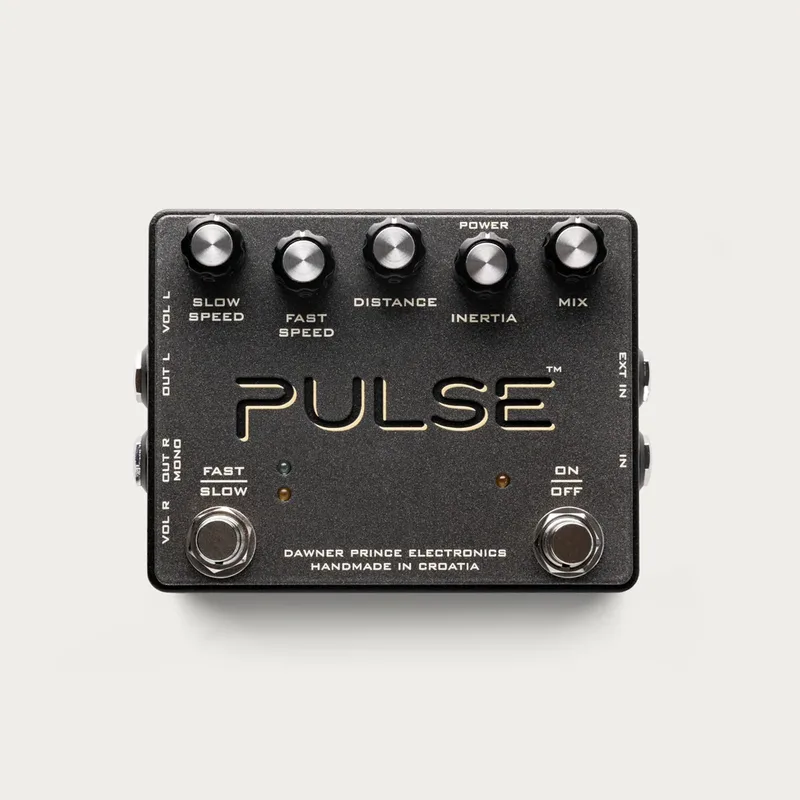
For The Division Bell he used a vintage Gibson Maestro Rover RO-1, which he used in the studio for the album26, and when Pink Floyd toured the album he took along three sets of custom rotating-speaker cabinets called Doppolas, built from Maestro Rovers by his techs Phil Taylor and Paul Leader, using a pair of similar rotating 6″ speakers with concert-worthy 100-watt drivers22. The Dawner Prince Pulse, a rotary pedal, is based on those Doppola cabinets and on the Maestro Rover he used in the studio for the album26. As MusicRadar noted, the Division Bell tones that inspired the Pulse are not a Leslie-simulating sound; it has more of an open character26.
Questions
What Big Muff did David Gilmour use on Comfortably Numb?
A V2 "Ram's Head" Big Muff, introduced to him by his tech Phil Taylor in 1974, is the fuzz heard in the "Comfortably Numb" solos and across Animals, The Wall and The Final Cut69. For the Division Bell era he switched to a Civil War Russian Big Muff, often blended with a BK Butler Tube Driver199.
What amps did David Gilmour use with Pink Floyd?
On stage he used only Hiwatt amplification with 4x12" WEM speaker cabinets3. In the studio he ran several amps at once, including an old tweed Bassman with a Leslie 760 and a small 50 watt Hiwatt combo with Fane speakers3. His early Cornish boards offered outputs for Hiwatt, Marshall or Yamaha amps in any combination4.
Who built David Gilmour's pedalboard?
Pete Cornish. The first board drawings are dated March 7, 1976, and Cornish went on to build his boards, routing units and racks, including a rack with 24 send-and-returns expanded by eight more415. The boards act as remote controls for the effects system rather than simple pedal chains3.
What compressor was on David Gilmour's board?
The first Pete Cornish board, whose drawings were done on March 7, 1976, included an MXR Dynacomp alongside a Fuzz Face, a Cornish Custom Fuzz, an MXR Phaser, a Uni-Vibe, a CryBaby and an MXR noise gate16. He also used compression for slide playing sustain on "High Hopes" on Pink Floyd's The Division Bell.
What strings does David Gilmour use?
Custom GHS strings gauged .010, .012, .016, .028, .038 and .048 on his Stratocaster, and a different GHS set gauged .010.5, .013, .017, .030, .040 and .050 on his Les Paul with P90 pickups3.
Did David Gilmour use a Leslie speaker?
Yes. A Leslie 147 appears on "The Narrow Way" from 1969's Ummagumma, and a Leslie 760 was part of his studio amp setup223. For Dark Side of the Moon he is variously reported to have used a Maestro, a Leslie 900 or a Univox Uni-Vibe, or perhaps all three22.
Sources (26)
- PastFx_Manuals_-_Reticon_Flanger.pdf, PastFx, 2021
- The Creation of the Colorsound Power Booster, tru-fi.com
- David Gilmour, treblebooster.net (BSM - Finest Treble Booster), 2025
- Pete Cornish: Pink Floyd Relics, Pete Cornish, 1995-07
- Creation of Zonk Machine Fuzz, tru-fi.com
- The Big Muff History of All Versions Part 1, Kit Rae (www.kitrae.net), 2023-02
- The Big Muffs of David Gilmour of Pink Floyd, kitrae.net, 2024-07
- David Gilmour's Big Muff 'Raw Power' Interview, Electro-Harmonix
- David Gilmour Tone Building, Kit Rae (kitrae.net), 1994
- Albatross.docx, Analog Man, 2022-06
- 10 Talk-Box Tunes, Stompbox Book (stompboxbook.com), 2018-10-22
- Green Carrot Comfortably Plum review, MusicRadar, 2020-04-02
- ThroBak Overdrive Boost, ThroBak Electronics, 1970
- David Gilmour Tone Building, Kit Rae (Kit's Secret Guitar, Gear, and Music Page), 2019-12
- Pete Cornish Q Magazine Article, Q Magazine, 1996-01
- David Gilmour's Pink Floyd 1994 Rig, Pete Cornish (petecornish.co.uk), 1994
- Verdigris Iron Bell, Mojo Hand FX
- The Big Muff History of All Versions Part 1, Kit Rae (kitrae.net), 2024-04
- The Big Muff History of All Versions 2, Kit Rae (kitrae.net), 2011-04
- Gilmourish.com reviews Lex Rotary, Strymon (www.strymon.net), 2012-07-18
- Gilmour’s Magic Mid-’90s Modulator Made Small, Premier Guitar, 2021-05-06
- Maestro Rover R0-1, Vintage Guitar magazine, 2016-08-06
- Dawner Prince Eclipsa review, Guitar.com
- Why is there no Mix control on Lex Rotary?, www.strymon.net, 2021-07-19
- micro Vent, neo-instruments.com
- Gilmour's Pink Floyd rotary speaker sound in a pedal? Say hello to the Dawner Prince Pulse, MusicRadar, 2020-07-28