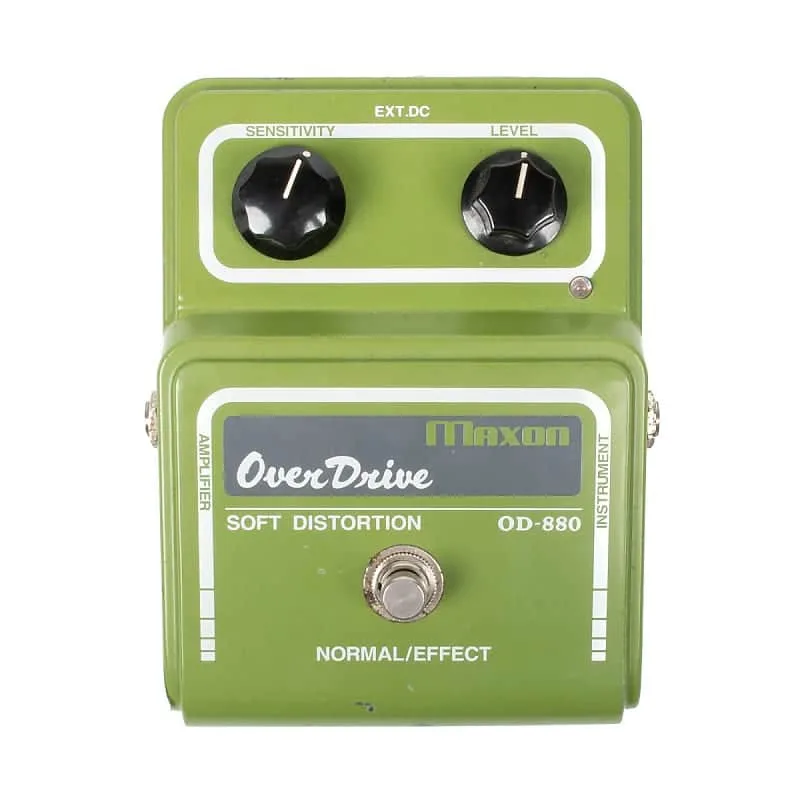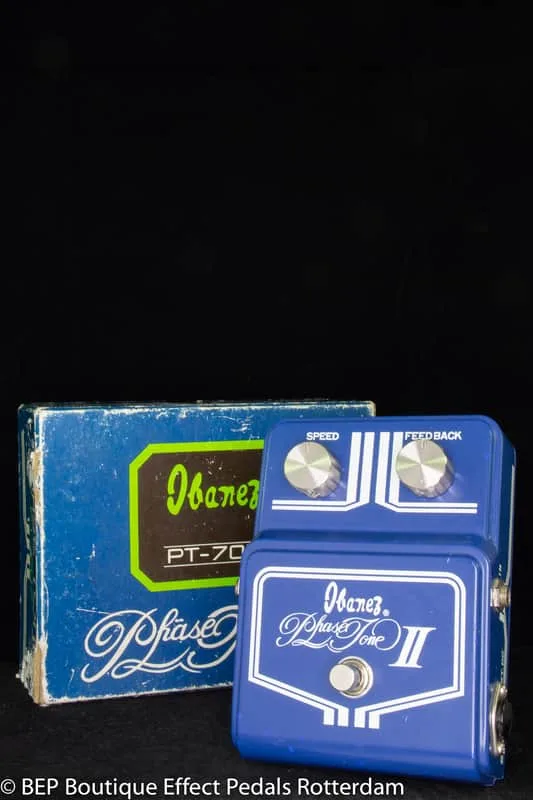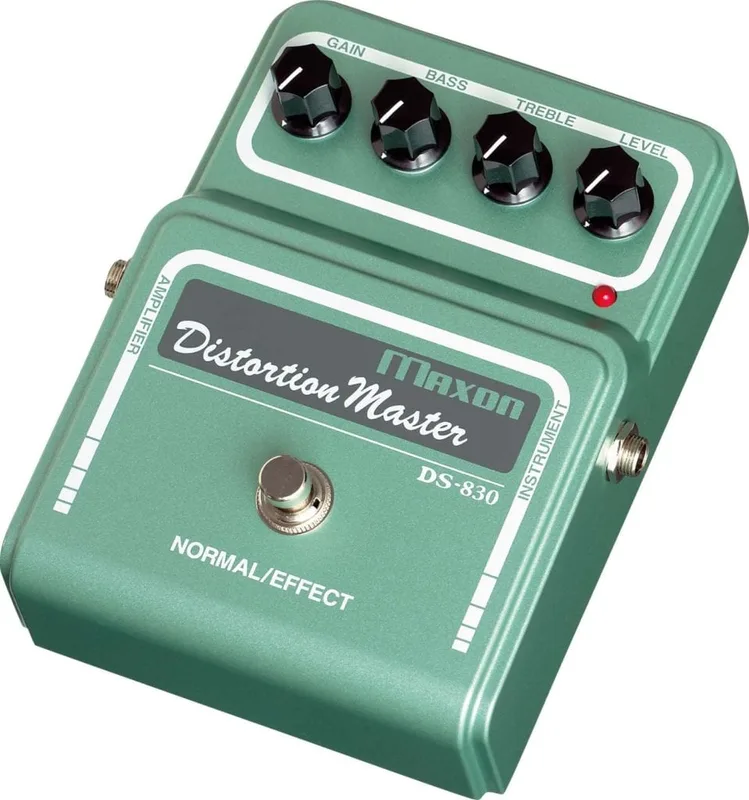



The Maxon DS-830 Distortion Master is a high-gain distortion pedal released by Maxon in 2001 as part of its Vintage Series1. It carries four controls, gain, bass, treble and level, and Maxon positions it as a high-gain distortion with amp-like character suited to classic rock tones in the vein of a Marshall JCM800 or 90023. The circuit was a brand new design at release, but its look deliberately echoes the big-box Maxon and Ibanez effects of the late 1970s, such as the OD-880 and Phase Tone II1.
What it does to your sound
Godlyke's listing describes the DS-830 as a high-gain distortion with amp-like character, good for classic rock guitar tones, with a wide range of usable gain settings that do not color your tone, and a low and low-mid push that makes a smaller amp sound like a stack34. The maker's own description of its character on bass is "generating an edgy, aggressive tone that retains the note clarity and character of your instrument"3.
MusicRadar's reviewer Trevor Curwen found a great range of punchy distortion on tap, of the sort that can make a small amp sound like a cranked stack, especially with the bottom end beefed up by the bass knob4. His overall verdict:
"This is a full-on distortion that offers a tightly focused and powerful sound."
Vintage Guitar's reviewers, writing in February 2002, reported getting "everything from a thick, crunchy overdrive to heavy distortion with a lot of musical sustain"27. They also noted the one thing the four-knob layout could not cover: the heavy metal "scooped mids" sound2.
The controls
The DS-830 keeps to a no-frills layout of four knobs24:
| Control | What it does |
|---|---|
| Gain | Sets the amount of distortion; the pedal offers a claimed 59dB of boost across gain and level together4 |
| Bass | "Contributes low-end muscle that makes a combo sound like a stack and turns a full stack into a wrecking ball"3 |
| Treble | "Dials in just the right amount of bite without excessive top-end sizzle"3 |
| Level | Sets output volume2 |
Vintage Guitar found this layout covered most needs, except the scooped-mids metal sound2. MusicRadar's reviewer found the two tone knobs together offer a wide tonal range4.
Why it is so big
The DS-830 is a large, very solidly built pedal like the rest of the Vintage Series4. Maxon's stated reason for the size is that it is necessary to optimize component positioning to minimize noise and coloration4. The enclosure styling was a deliberate nod to the late-1970s big-box Maxon and Ibanez pedals such as the OD-880 and Phase Tone II, even though the circuit inside was new1.
The circuit and DIY builds
The pedal runs on a JRC4558D op amp6, the dual op amp associated with many classic Maxon and Ibanez circuits, and uses 2SK246Y FETs, with builders asking whether the more common 2SK30A can substitute6. Guitar FX Layouts published a vero (stripboard) and tagboard layout for the circuit in July 2014, and the layout was verified as working by commenter johnk6.
Builders on that page also shared modifications:
- Replacing the 1u capacitor in the drive high-pass filter (390R/1u, about 408 Hz) with a 4u7 gave a lot more low end, but the dirt became too heavy6.
- An audio-taper gain pot instead of a linear one gives a much better sweep over the gain range6.
- Replacing the 220n bass EQ capacitor with a 1u lowers the bass control frequency and makes it sound good with bass; 470n and 680n were also tried, but 1u sounded best to that builder6.
Power and voltage
The JRC4558D op amp should be able to take 18V, but anything over it, for example a not-too-well balanced power supply, can burn it6. Builders disagree on where the practical limit sits: one says 12V is fine but 18V is not, or is on the fringe6. For more headroom without going to the edge, one builder suggests a voltage doubler with a 1N4001 diode in series with its input, which should give something like 16 volts6.
On bass
The DS-830 was marketed as suitable for bass as is6, and Godlyke's listing states it "Works great on Bass Guitar"3. For players who want even more low-end control, the capacitor swap described above, replacing the 220n bass EQ cap with a 1u, lowers the bass control frequency and was reported to sound good with bass6. Players comparing bass-specific distortions can also look at bass pedals more broadly.
Where it came from and where to find one
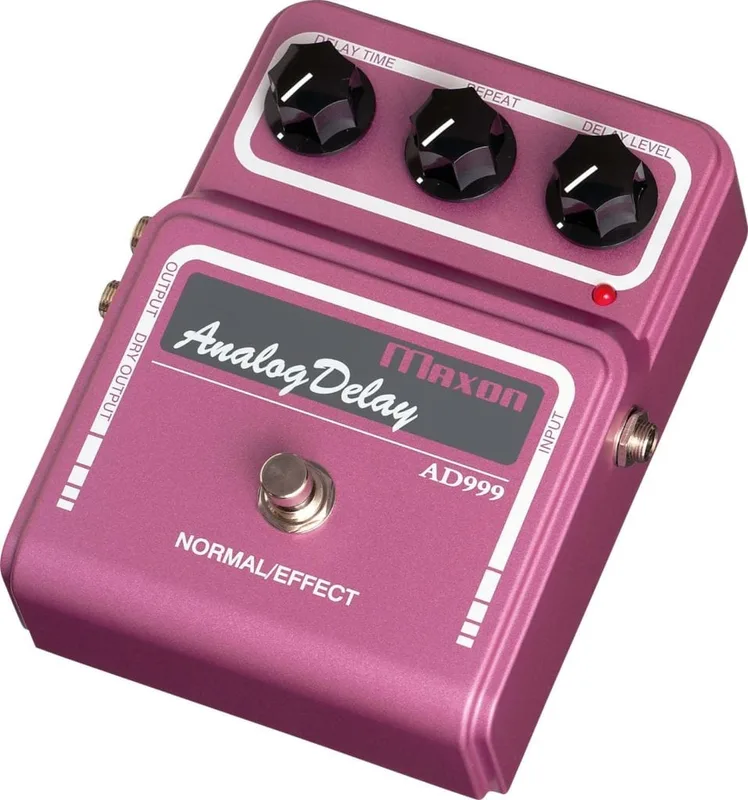
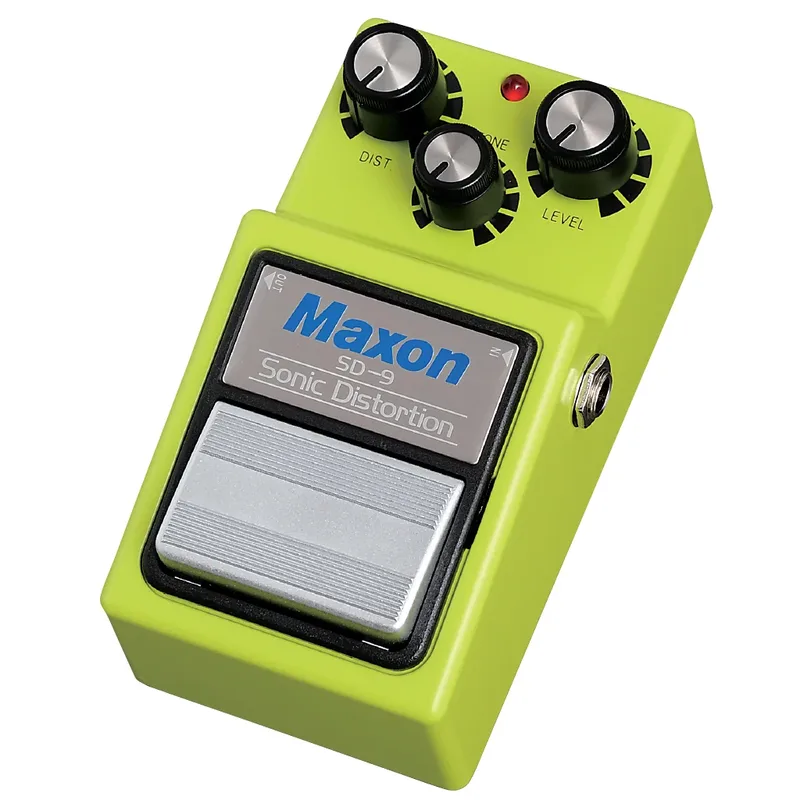
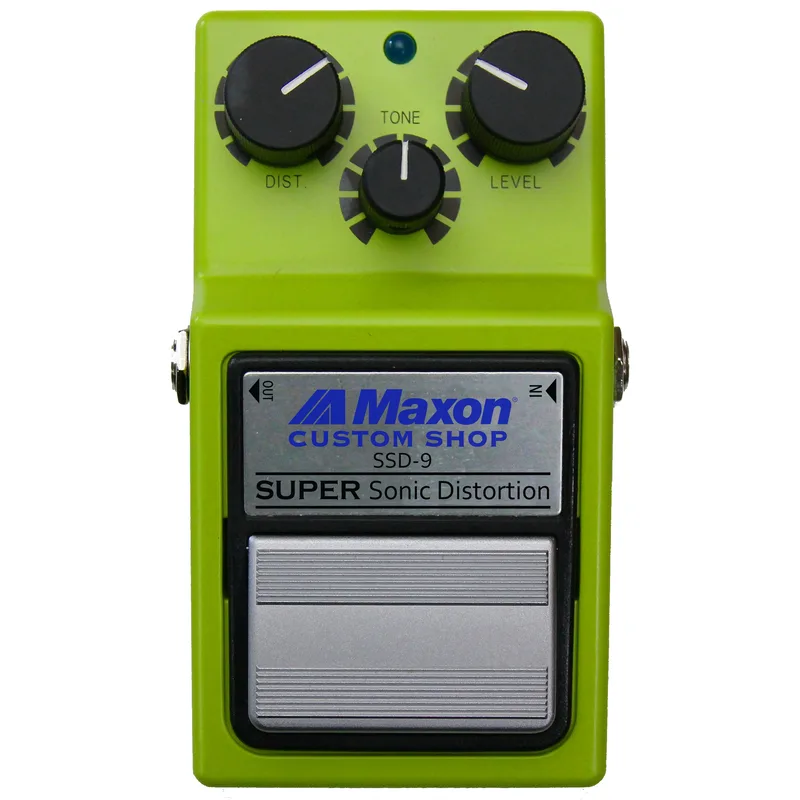
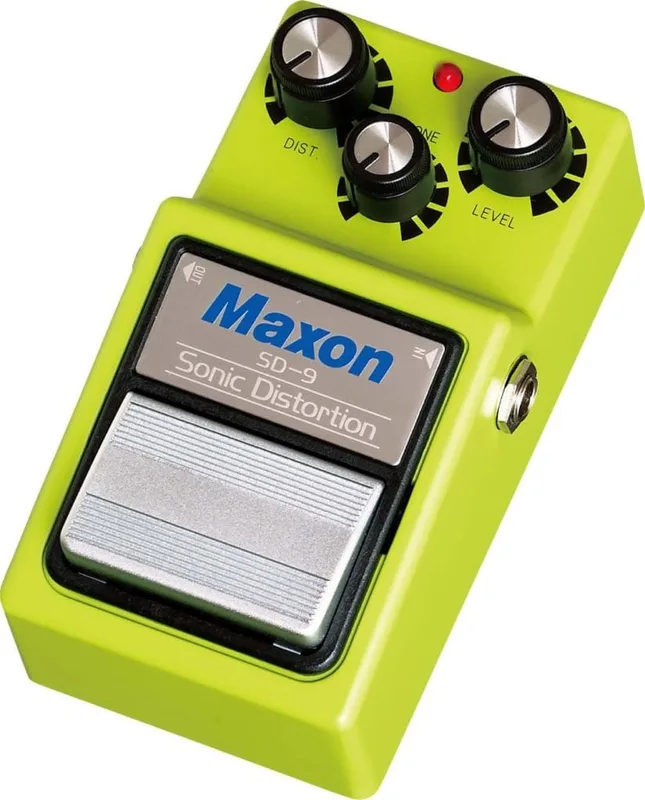
The DS-830 was first released in 2001 as part of Maxon's Vintage Series, alongside the AD-999 Analog Delay, the PH-350 Rotary Phaser, and a few others18. At launch it carried a $289 list price in Guitar Player's November 2001 review5. Godlyke's listing shows it sold out at £153.003, so secondhand units and DIY builds from the published layout are the practical routes today6. Players interested in other Maxon distortions can compare the Maxon SD-9 Sonic Distortion and the Maxon SSD-9 Super Sonic Distortion.
Videos
Mike Hermans
Captain Cherry
Jeff Zampillo
Questions
Can you use the Maxon Distortion Master on bass?
Yes. The original marketing text says the pedal is suitable for bass as is, and Godlyke's listing states it works great on bass guitar, generating an edgy, aggressive tone that retains note clarity and character. Builders on Guitar FX Layouts also found that swapping the 220n bass EQ capacitor for a 1u lowers the bass control frequency and makes it sound good with bass.
What op amp is in the Maxon DS-830?
The circuit uses a JRC4558D op amp, the same dual op amp found in many classic Maxon and Ibanez designs. The pedal also uses 2SK246Y FETs, and builders have asked whether the more common 2SK30A can substitute. The JRC4558D can take 18 volts, but a poorly balanced power supply above that can burn it.
Can the DS-830 run on 18 volts?
Opinions differ. One builder on Guitar FX Layouts says 12V is fine but 18V is not, or is on the fringe, while another points to the JRC4558D datasheet, which shows a bipolar plus/minus 18V supply, meaning a 36V swing, suggesting 18V should be fine. A voltage doubler with a 1N4001 in series should give about 16 volts, safe with more headroom.
Why is the Maxon Distortion Master so big?
Maxon says the large enclosure is necessary to optimize component positioning to minimize noise and coloration. The Vintage Series pedals are all large, very solidly built units, and the DS-830's look was inspired by the big-box Maxon and Ibanez effects of the late 1970s such as the OD-880 and Phase Tone II.
Is the Maxon DS-830 discontinued?
The pedal was first released in 2001 as part of Maxon's Vintage Series, alongside the AD-999 Analog Delay and PH-350 Rotary Phaser. Godlyke's listing shows it sold out at £153.00, and no current production is indicated, so it appears to be out of production, though DIY layouts exist for builders.
Sources (8)
- Nebula Vintage Distortion / Maxon® DS-830, Aion FX, 2022-04-08
- Maxon VS Effects 70's tones, 21st-century quality, Vintage Guitar Magazine, 2002-02
- DISTORTION MASTER (DS830), Godlyke Distributing, Inc.
- Maxon DS-830 Distortion Master pedal review, MusicRadar, 2010-08-26
- Maxon Vintage Series Review, Guitar Player Magazine (reprinted on maxonfx.com / Godlyke, Inc.), 2001-11
- Guitar FX Layouts: Maxon DS-830 Distortion Master, Guitar FX Layouts (tagboardeffects.blogspot.com), 2023-08-08
- Maxon VS Effects, Vintage Guitar magazine, 2005-11-03
- Nimbus Dynamic Overdrive / Maxon® OD-820, Aion FX, 2021-03-19