
Roger McGuinn, guitarist and 12-string player with the Byrds, created the mid 60s "jingle jangle" sound that defined songs like "Mr. Tambourine Man." The sound came from a specific chain: a Rickenbacker 12-string with "toaster" singlecoil pickups, a treble booster, and a compressor, played into clean amps12.
The jangle: compression and treble boost on a 12-string
The recipe behind the sound, as described on treblebooster.net's McGuinn artist page, is a combination of parts rather than any single one of them:
- a compressor
- a treble booster
- Rickenbacker "toaster" singlecoil pickups
- a semi-hollow maple guitar body
- 12-string construction
"This combination (compressor, treblebooster, toaster singlecil pickups, semi-hollow maple guitar body, 12 string construction) is the key to this special "jingle jangle" sound."
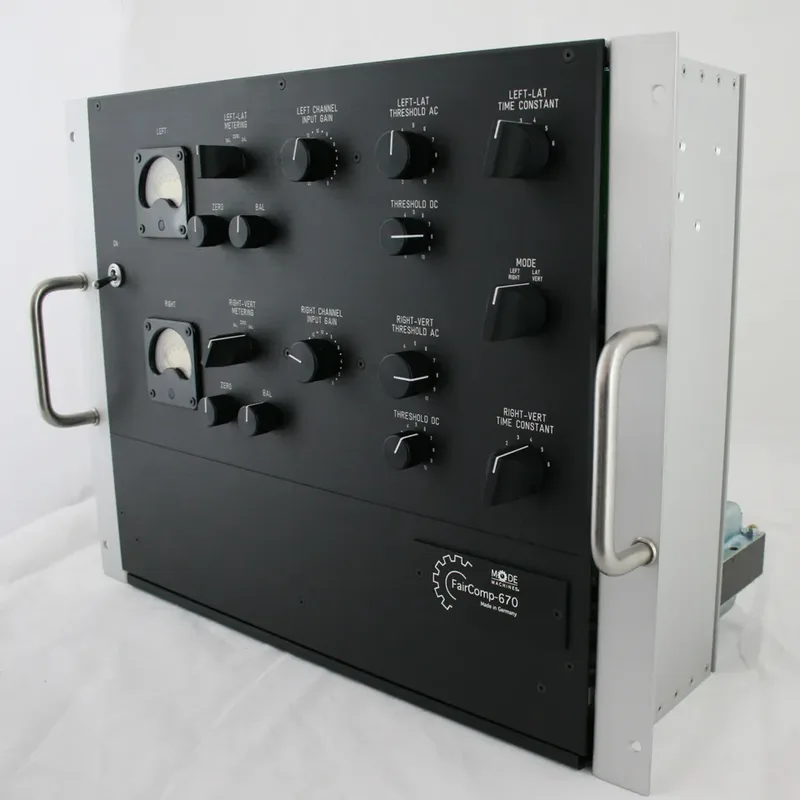
In the studio during the 1960s, McGuinn used a Fairchild 670 tube compressor right after his guitar, with the treble booster engaged, to add sustain and evenness to his tone3. Live, the setup was a Vox Treble Booster and a compressor in front of Fender amps1. He created the 1960s "jingle jangle" trademark sound with the V*X Treble Booster along with his 12-string Rickenbacker2.
McGuinn's tone was so dependent on compression that he had a compressor built into his Rickenbacker signature model, as Guitar World put it in a 2024 feature on guitar compression4.
Rickenbacker 12-strings and the built-in compressor
Before 1967, McGuinn played two Rickenbacker 360/12 models, and both were stolen3. His favorite guitar is the Rickenbacker 370/12 with the maple-glo finish3, and he was still playing his famous 12-string Rickenbacker with the Byrds in 19683.
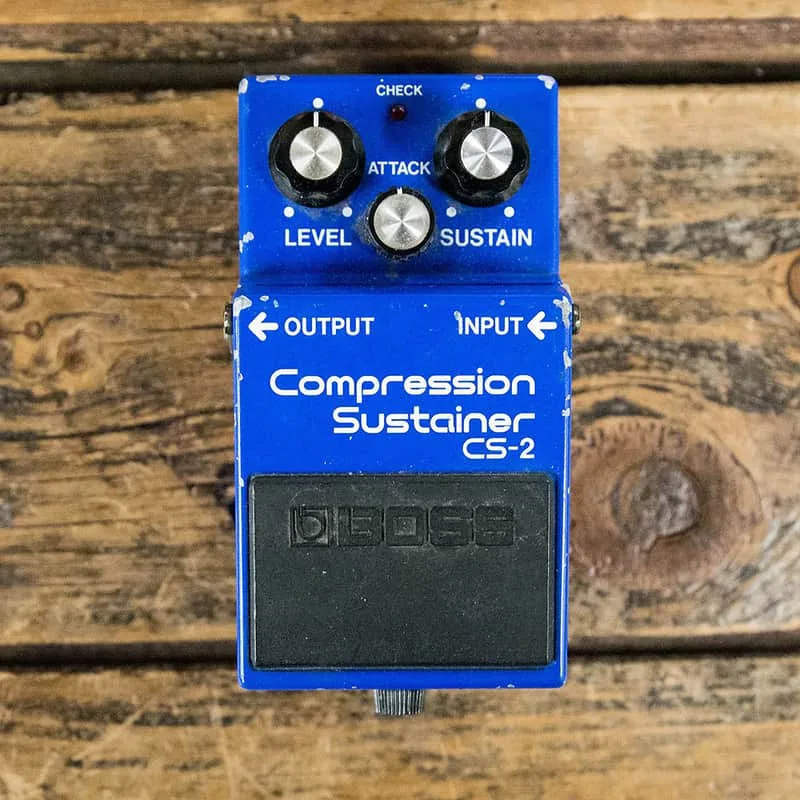
In 1988, Rickenbacker introduced the Roger McGuinn signature Rickenbacker guitar, a Ric 370 12-string with an onboard compressor based on the Dyna Comp5. The treblebooster.net artist page describes it as offering an onboard compressor similar to the Boss CS-2 model, with a switching option to pronounce the high end3.
The "toaster" pickups matter to the recipe. After 1969/70, Rickenbacker replaced them with the "hi-gain type" pickup, which has six iron polepieces, a ceramic magnet and more windings. The treblebooster.net page does not recommend the hi-gain type for the real McGuinn sound3.
McGuinn plays with his thumb and two fingers on the 12-string Rickenbacker, as an original banjo player3. For strings, he uses Pyramid Gold Flatwound strings in the gauges .010/.010, .013/.013, .010/.020w, .013/.030, .020w/.035 and .030/.04653. For amplification, McGuinn himself recommends a Roland Jazz Chorus amp to nail his sound3.
Getting the sound with pedals
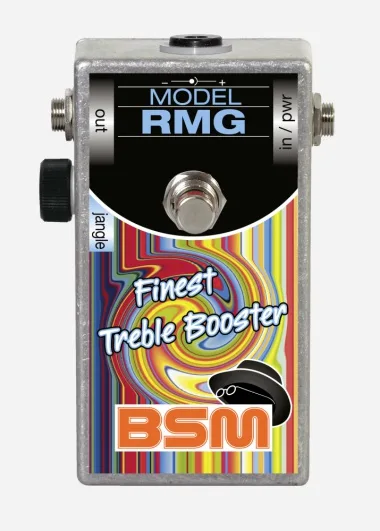
Two modern pedals aim squarely at this sound. The BSM RMG is a custom version of the Vox unit, built as a homage to McGuinn and his signature "jingle jangle" sound1. The RMG signature model is based on the original V*X Treble Booster and was modified to produce the clean "jingle jangle" sound of McGuinn and the Byrds67. Premier Guitar's 2007 press coverage described it as an homage to the famous Byrds guitarist, noting that with the tone pot set to maximum the unit produces a very glassy tone, the classic "jingle jangle" sound8.
BSM's related models sit around it in the range:
| Model | Character |
|---|---|
| RMG | The custom model for the typical "jingle jangle" McGuinn sound of the 60s, the perfect booster for all clean sounds9 |
| VX-C | Clean treble and bass boost, also voiced for the jangle family9 |
| VX-T | With the tone pot at maximum, like the McGuinn mid 60s sound but with more gain than the RMG and VX-C10 |
The other route is the JangleBox compressor. McGuinn loves the JangleBox and says it is a spot-on recreation of the compressor inside his signature guitar5.
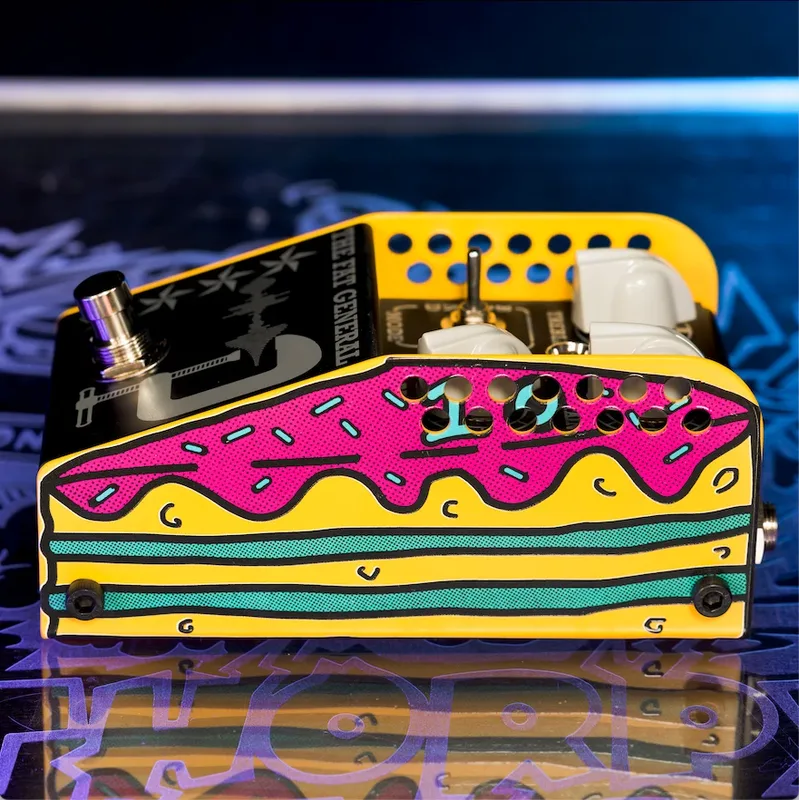
The combination also works with modern pedals. MusicRadar's reviewer Trevor Curwen, reviewing the ThorpyFX The Fat General compressor, found that the McGuinn-favored combination of squishy compression and treble boost works great on electric 12-string for a familiar 60s jangle11.
Questions
What compressor did Roger McGuinn use on Mr. Tambourine Man?
In the studio in the 1960s, McGuinn ran a Fairchild 670 tube compressor right after his guitar, with the treble booster engaged, to add sustain and evenness to his tone. Live and in general use he paired a Vox Treble Booster with a compressor in front of Fender amps. His 1988 Rickenbacker signature model later put a compressor inside the guitar itself.
What amp does Roger McGuinn recommend for his sound?
McGuinn himself recommends a Roland Jazz Chorus amp to nail his sound. In the mid 60s with the Byrds he played through Fender amps, with a Vox Treble Booster and a compressor in front of them feeding his Rickenbacker 12-string.
What strings does Roger McGuinn use on his Rickenbacker 12-string?
Pyramid Gold Flatwound strings, in the gauges .010/.010, .013/.013, .010/.020w, .013/.030, .020w/.035 and .030/.0465. The flatwound construction is part of the recipe behind the jingle jangle tone, alongside the compressor, treble booster and Rickenbacker toaster pickups.
Does Roger McGuinn use a pick or fingers?
He plays with his thumb and two fingers on the 12-string Rickenbacker. He came to guitar from banjo, and that fingerstyle technique is part of how the jangle is produced, rather than a flatpick attack.
Which Rickenbacker did Roger McGuinn play in the Byrds?
Before 1967 he played two Rickenbacker 360/12 models, both of which were stolen. His favorite guitar is a Rickenbacker 370/12 with the maple-glo finish, and in 1988 Rickenbacker introduced a Roger McGuinn signature model with an onboard compressor.
How do I get the Byrds jangle sound with pedals?
The recipe is a compressor and a treble booster into a clean amp, played on a 12-string with singlecoil pickups. BSM makes the RMG, a booster based on the Vox unit McGuinn used, modified for the clean jingle jangle sound. The JangleBox compressor is another route, and McGuinn says it is a spot-on recreation of the compressor inside his signature guitar.
Sources (11)
- RMG Clean Boost, treblebooster.net, 2025
- V-TB Clean Booster, treblebooster.net, 2025
- Roger McGuinn, treblebooster.net, 2025
- Guitar compression: everything you need to know, Guitar World, 2024-02-22
- Aurora Compressor / Sustainer, Aion FX, 2018-06-30
- Custom made, BSM (treblebooster.net), 2025
- Low-Gain Booster, treblebooster.net, 2025
- BSM's New Boosters, Premier Guitar, 2007-12-26
- VX-C Clean Treble/Bass Booster, treblebooster.net, 2025
- VX-T Treble/Mid Boost, treblebooster.net, 2025
- ThorpyFX The Fat General review, MusicRadar, 2019-06-01
