News
5 Essential Effects Pedals for Reggae
Reggae is based on Jamaican ska—a lively, upbeat genre from the early 60s. When reggae burst onto the scene in the late 60s, it came as a cultural bombshell to Jamaica as well as the rest of the world. It has influenced societies across the globe, playing a part in the development of new counterculture movements, specifically in the USA, Africa, and Europe. During the 70s, it affected Western punk rock and pop cultures as well as inspired the first USA rappers. Ever since the late 70s onwards, reggae has influenced African singers as well, including Lucky Dube, Tiken Jah Fakoly, and Alpha Blondy. Life would have been way easier if there was such a thing as a reggae stompbox. The good news is that practically any guitar pedal can be utilized to play reggae. Players can also get by with only an amp and a guitar. But for those who want the original reggae guitar tone, make sure to get the essential effects such as compressor, distortion, phaser, wah, and delay. This article elaborates on how these effects are utilized in reggae and lists some stompboxes that can help nail that perfect reggae vibe.
Compression
Capable of increasing sustain and evening out dynamics, compression stompboxes are wonderful tools that come in very handy for playing reggae. Compression may assist the signal’s front end by adding a definition to the attack. That yields an articulate and bright snap that can enable a guitar to cut through cleanly, which is crucial in reggae guitar.
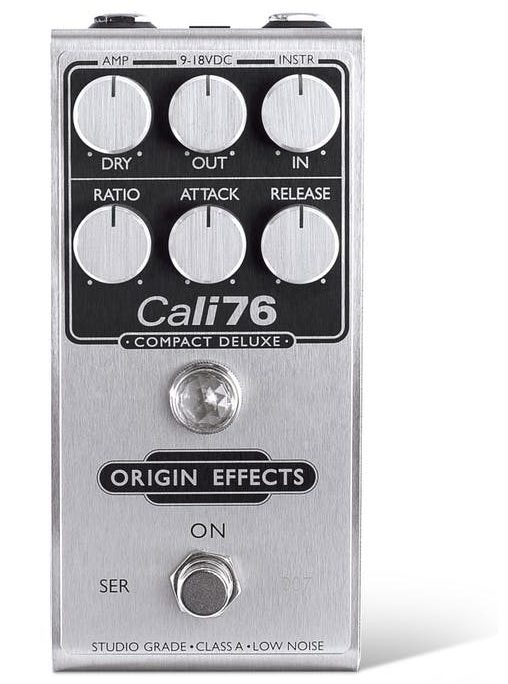
Compression has various flavors, but what is necessary is something with a quick response. Tube and optical compressors might be too slow for reggae. Better choices would be VCA (Voltage Controlled Amplifier) or FET (Field Effect Transistor) compressors. The Origin Cali76 Compact Deluxe is an 1176-esque studio-quality FET compressor, boasting discrete Class-A circuitry, low-noise, high-current, and dedicated parallel compression control. Origin Effects has built all the functionality from its flagship Cali76 Standard into this pedal. It also incorporated the highly requested parallel mix control, which used to be available only in its limited editions. Individual Ratio, Release, and Attack knobs allow users to accurately customize their tone. Per Origin Effects, “The ace in the hole is the Dry Blend control, which lets you mix your dry signal back in with your compressed guitar tone for true parallel compression. An indispensable studio recording technique, parallel compression gives you all of the tone thickening and increased sensitivity of the Cali76, while keeping hold of the natural dynamic expression in your playing.”
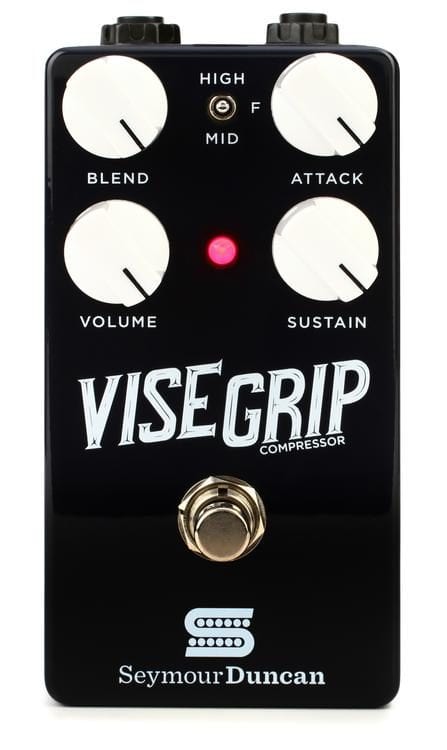
The Vise Grip Compressor from Seymour Duncan allows users unprecedented control over uncompressed and compressed signals. From mild dynamic tweaks to excessive squashed sounds, this studio-grade VCA-controlled compressor is complete with the necessary features and functionality. In addition to the usual Sustain and Attack dials, the Vise Grip carries a Blend knob for combining compressed with other signals. Using the Volume control, users can match their non-compressed signal perfectly. The Vise Grip Compressor does not restrict users to the rules of compression. The Mid/Full/High switch works in tandem with the Blend dial to let through the dry tone or only the mids or highs together with the compressed signal. “Use it to express more of your playing dynamics even when the compression is at its squishiest. Use it to boost the mids for soloing. Use it to retain crystal-clear high-end on jangly chords. Or use it to play above the compression threshold to bring the natural snap back to individual notes or a riff when you really dig in,” Seymour Duncan instructs. An OTA (Operational Transconductance Amplifier) compressor is also a great option. This type of compressor is fast, but with some drawbacks, including tone coloration and high noise. However, several modern iterations, such as the Wampler Ego and Mini Ego compressors, have improved upon the design and eradicated such downsides, so do not count out an OTA compressor. The often-imitated MXR Dyna Comp is a classic OTA compressor. It is capable of adding rich sustain, tightening up a signal, and emulating the percussive and clicky sound heard on countless hit records. Straightforward and user-friendly, the Dyna Comp is among the most celebrated compressors of all time. It served as the secret weapon on innumerable pedalboards for years.
Overdrive
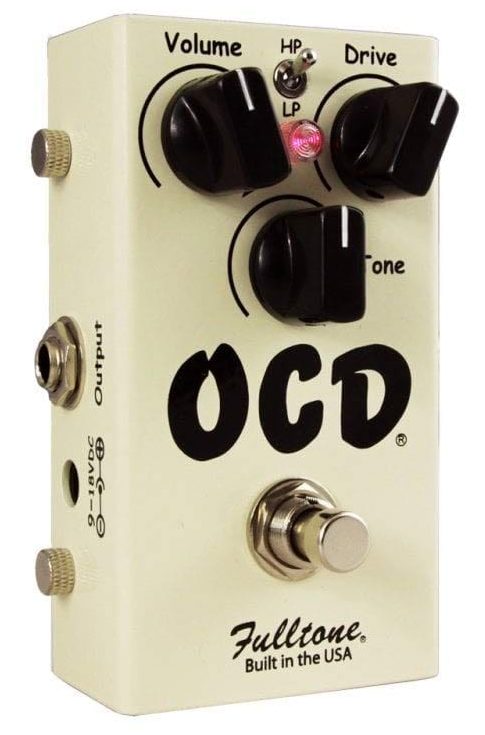
Just because reggae guitars favor clean rhythm work doesn’t mean an overdrive stompbox should be neglected. An excellent dirt pedal can impart some sizzle to help the chords slice through, or add warmth when necessary. Overdrive is also the solution for lead work to add some smooth sustain and grit. The aim is to pick an overdrive with an extensive range—cutting enough for lead and subtle enough for rhythm. The Fulltone OCD (Obsessive Compulsive Drive) is transparent and features a voicing switch that provides it with loads of versatility. Building on the iconic design of one of the most-utilized transparent overdrives of all time, the OCD V2 bolsters the rich harmonics and amp-esque roar of the original, featuring a new buffer, revamped bypass, and input section. According to Fulltone, “The OCD was the first pedal to use Mosfets as clipping devices. Another first was their configuration as ‘hard clippers connected to v-ref’ instead of to ground, as was the norm. These things contribute greatly as to why the OCD has such touch-sensitivity…why they react so well when the strings are hit hard or soft, and why they sound & feel different than all other pedals out there, 90% of which are just slight tweaks of the Tube Screamer.”
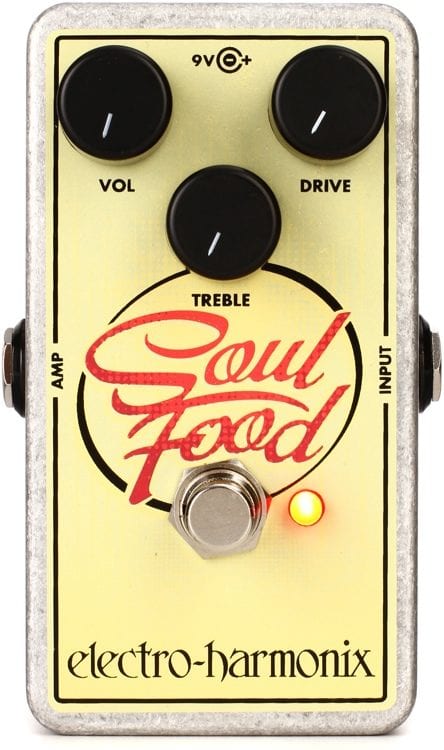
Another transparent overdrive unit is the Soul Food pedal from Electro-Harmonix. From clean boosts to rich distortion, this no-nonsense, tone-laden overdrive may be an amp’s new best friend. Users can conveniently drive their favorite tube amp to its breakup point, or utilize it for aggressive, distorted lead tones. The Soul Food sports a Treble knob capable of cutting or boosting high frequencies. It is perfect for adding bite to humbuckers or taming single-coils. The Soul Food serves up a transparent overdrive with exceptional touch and response. It boasts a circuitry with boosted power rails to offer an increased definition and plenty of headroom. Even better, one does not need to be a rock star to snag one.
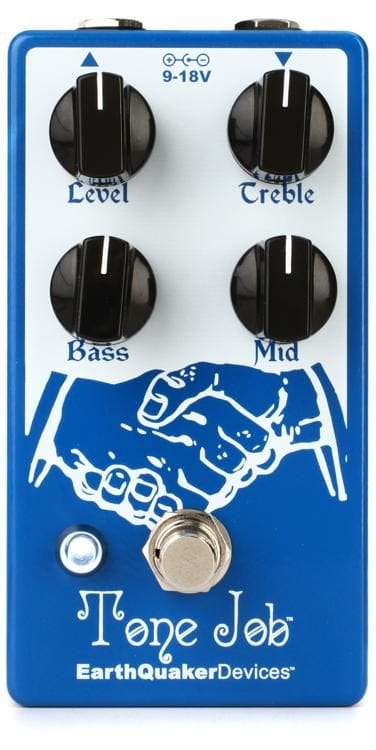
A comprehensive tone enhancement device built around a stereo preamp to cover as much frequency range as possible, the Tone Job from Earthquaker Devices is capable of handling various frequencies from a bass guitar, electric guitar, synthesizer machines, and virtually anything else one can plugin. It consists of Mid, Bass, and Treble knobs that boost their respective frequencies by as much as 20dB, on top of a Level dial that boosts the signal up to five times its input. “Unlike boring old graphic EQs, the Tone Job’s EQ controls are interactive, so you can experiment with different settings to alter the response and overall feel of the device, getting your tone out of the lunchroom and back on the clock,” Earthquaker Devices states, adding: “Place the Tone Job at the beginning of your chain to alter the overall character of your guitar, or use it at the end to boost output at the end of a long cable run and fine-tune your tone.”
Phaser
Ever since the 1970s, phasers have been an essential component of reggae guitarists’ arsenal. They are often programmed to cycle slowly, so every guitar skank possesses a quite dissimilar tonal character from the one preceding it. A mild phase is good, but to inject more pronounced vowel-esque tones, go for a stompbox that enables dialing in different degrees of depth.
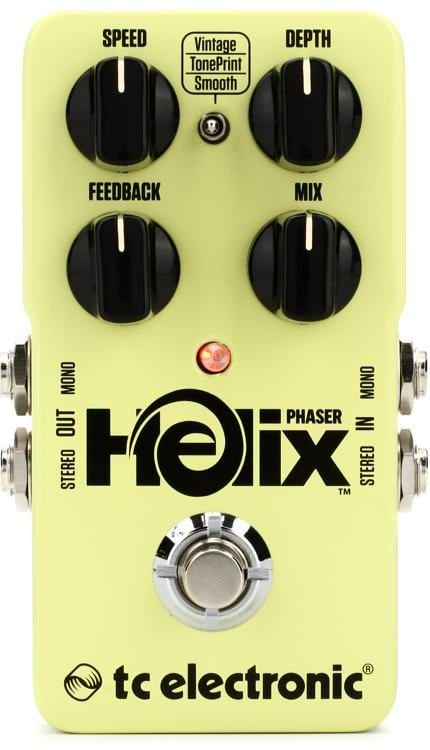
The Helix Phaser by TC Electronic is an ultra-versatile pedal with inbuilt TonePrint technology. It places a powerful arsenal of exceptional phaser tones at the user’s feet, taking their soundscape to new inspiring heights. Unlike conventional phaser pedals, which can have users fiddling for hours before it registers that they will never achieve the sound they desire, the Helix Phaser is equipped with a dedicated DSP to power an extensive range of nuanced phaser effects. Users can choose from a smooth modern phaser sound, a more shimmery vintage mode, or a TonePrint setting. Besides loading up presets crafted by celebrity artists, users may also utilize TC Electronic’s TonePrint Editor on their Windows PC or Mac to capture their ideal custom phaser sounds. Even without the TonePrint technology, the Helix Phaser could outclass standard phasers by placing two phaser effects within reach of a pedalboard. “With its extensive set of controls, HELIX PHASER enables you to dial in everything from vibrant vintage-sounding Gilmour swirls, big and bold Van Halen sweeps to more modern phaser tones a la Smashing Pumpkins and Radiohead. Now add TonePrint and True Bypass to the mix and you have your new favorite sonic drug,” TC Electronic explained. Reggae guitarists may also turn to tried-and-true phasers such as the MXR Phase 90 and Electro-Harmonix Small Stone. The legendary Phase 90 is capable of going from mild, spatial shimmer to full-on velocity swooshing with the roll of a knob. This little orange box has been a staple on the pedalboards of numerous players worldwide. Meanwhile, the Nano Small Stone boasts a full-bodied, three-dimensional phasing that gives a special swirl to any musical style.
Wah
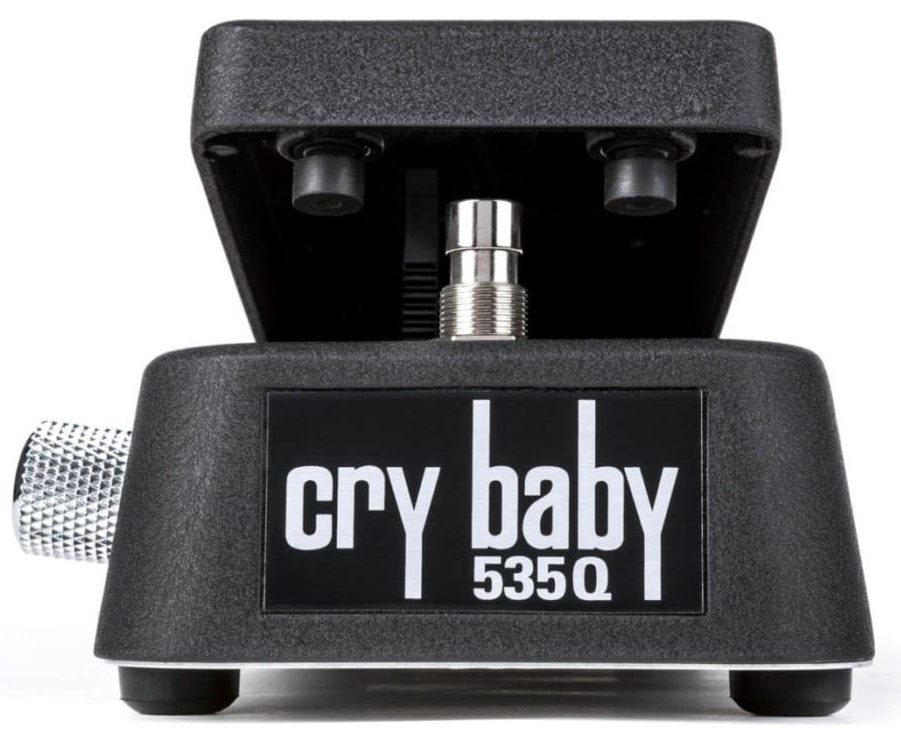
A wah pedal is one of the most versatile equipment on a reggae guitarist’s pedalboard. Aside from rocking it traditionally, several reggae players love employing it as a static tone control. For those looking for supreme versatility in a wah pedal, the 535Q Multi-Wah from Dunlop is the way to go. Touted as the “Swiss Army knife of wah pedals,” the 535Q features a Variable Q control, a switchable boost circuit, and a six-way Range Selector so users can obtain the ultimate wah tone. The Range Selector control lets users pick from six frequency ranges, while the Variable Q control enables taking the pedal’s response from sharp and narrow to subtle and broad with the roll of a knob. Another configurable and versatile wah is the Xotic XW-1 Wah. Just about anything about this exceptional wah pedal is customizable to the user’s liking. It gives them infinite sounds with unique controls that contour and sculpt the sound. The XW-1 Wah is spec’d from the holy grail 1967-68 Italian-made Clyde McCoy Wahs. Alternatively, some guitarists prefer the idea of utilizing an auto-wah for reggae lead work. Auto-wahs enable players to produce degrees of honk and squawk by differing their attack. For those interested, the Funky Monkey by Mooer serves up three modes (Low Peak, Mid Peak, and Hi Peak) and comes in a tiny footprint that consumes less pedalboard space than regular pedals. The Snow White AutoWah from Mad Professor features accurate and quick tracking. It boasts a ton of controls, including a Decay dial for dictating how fast the filter effect comes back to its resting point.
Delay
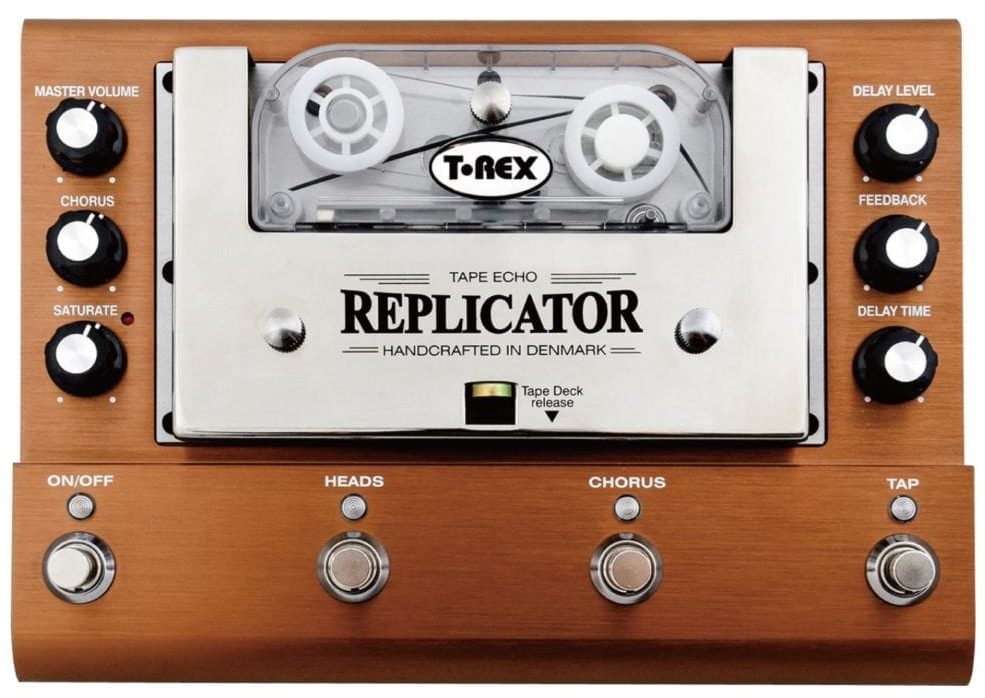
A darker echo, identical to conventional tape delay, is desirable to achieve an authentic, early-70s reggae/dub vibe. The Replicator Tape Echo from T-Rex Engineering is the real deal. It is the company’s “take on the ultimate tape echo unit,” featuring magnetic heads, a tape cartridge, and a motor. Per T-Rex Engineering, the aim was to create “a tape echo unit that could nail the sound quality of the old echo units but surpass them in features. Size, ease of use and super-fast tape replacing were obvious areas of improvement, but we also put in tap tempo, two playback heads for three output modes and a chorus mode that modulates the pitch of the echos.”
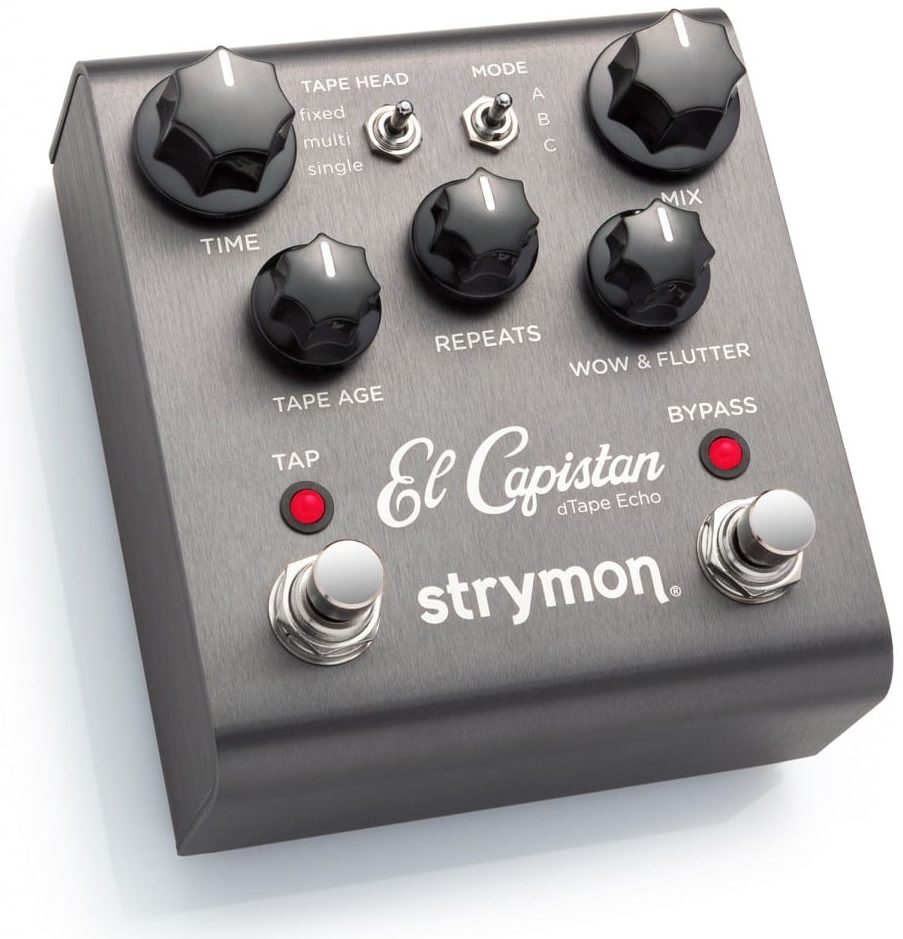
For shallow-pocketed players, the El Capistan dTape Echo by Strymon dishes out an incredibly accurate re-creation of tape delay. It is the perfect choice for anyone who craves the sonic idiosyncrasies and natural warmth of authentic tape delay yet does not fancy calibrating and maintaining analog tape tech. By leveraging a SHARC DSP chip’s impressive power, Strymon’s dTape algorithms bring a trio of classic tape machine styles to life. Boasting ten customizable parameters, the El Capistan dTape Echo serves as a creative musician’s best friend. Additional features, including a sound-on-sound looper and onboard spring reverb, offer a tremendous range of time-based effects.