News
Essential Pedals Cheat Sheet for Starters
Aside from guitar and amp, guitar effects stompboxes are another raved-about and coveted gear for guitarists. Regardless of its price and size, what it brings to the table in making guitar playing more fun and sound even better is relatively indispensable. Guitar effects pedals have been around virtually as long as electric guitars have been. They are perfect for leveling up a guitar tone. Jimi Hendrix was a pioneer in effects utilization at a time when hardly any guitarist cared to try anything. He popularized the wah effect on songs such as the Voodoo Child with the Vox Wah, which is still purchasable in its original form at a reasonable price. Jimi also loved the Dallas-Arbiter Fuzz Face, which Dunlop re-created to his specifications. It is typical for those starting with the electric guitar to look at a seasoned player’s pedalboard, see a flurry of stompboxes, and then wonder what they shall get. Seasoned guitarists tend to develop a refined taste for tone that gets them interested in boutique stompboxes with flexible parameters and strange character. While it is common knowledge that a sound’s core comes from the sensibility of the player’s touch, amplifier, and guitar, it is also true that some pedals are capable of transforming and shaping a tone to make it more personal and distinctive. Before spending some hard-earned cash on potentially unnecessary pedals, here’s a guide to help beginners decide which pedal/s to buy first.
Multi-effects
It can be daunting for newbies to pick a guitar effects pedal that would cater to their needs. Multi-effects pedals are an excellent starting point for those who want to test it out first to get their feet wet without shedding a lot of money right away. These units are suitable for traveling musicians and home-based players alike. No matter the experience, style, or budget, an exceptional multi-effects stompbox is a convenient way to explore the world of guitar effects and tones with only one purchase. BOSS understands bassists’ desire to access powerful effects without getting “caught up in the menus and programming hassles of a multi-effects processor.” Meet the ME-50B—a bassist’s dream effects box come true. It loads world-class bass effects into a sturdy floor unit with simple pedal-esque control. As BOSS wrote, “Forget about menus and cursor buttons. Just reach down and twist a knob!”
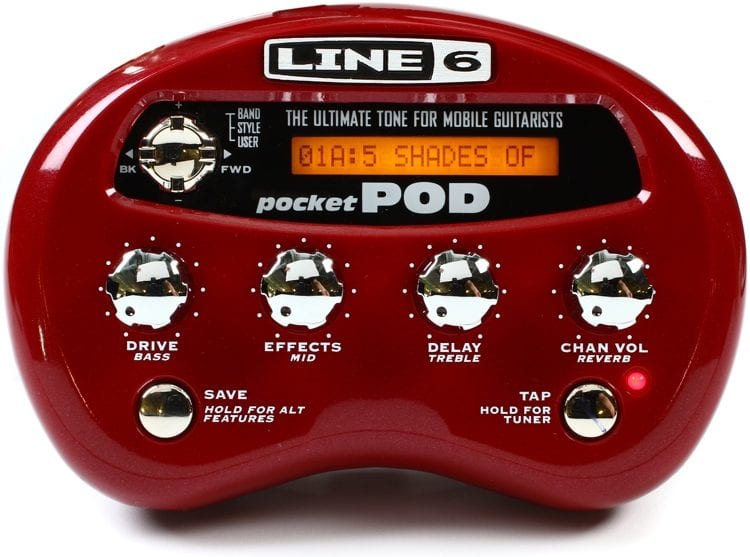
Effects are divided into six sections—Delay/Modulation, Drive/Synth, Filter/Tone, Master, Compressor/Limiter, and Expression Pedal—providing bassists with an array of distinctive and compelling BOSS tones, including new effects such as Kick Drum, Octave Up, and Sound Hold. From there, ME-50B effects are customizable using 23 dials and controllable with an assignable expression pedal and three inbuilt footswitches. The ME-50B is a must-have for any bassist. Jam-packed with stellar features, the Line 6 Pocket POD comes in an unbelievably pocket-sized package and low price. It serves up all the pro tone and celebrated features that make POD a standard on stages and in studios everywhere. It boasts 16 effects, 16 cabinet models, 32 great amp models, and 300 presets dialed in by some of the hottest rock stars. The Pocket POD serves as an efficient practice tool with headphones. Reverb, Wah, Distortion, Overdrive, and Fuzz are worthwhile choices for first pedals. That is because with this units, the changes in tone or sound are obvious and they can deliver the blues, funk, classic rock to hard rock genre, which is a nice start up when playing with effects stompboxes.
Reverb
As an effect, “reverberation” is a reflection of the environment. Individuals are so used to hearing reverb to the point that it is hardly noticeable. Hearing an entirely dry sound without reverb can be strange. Guitarists exploit all means mechanical, digital, or analog to emulate and manage this acoustic wonder. The likes of David Gilmour and Jeff Buckley are famous for utilizing reverb to create a sense of time, mood, and space to their playing.
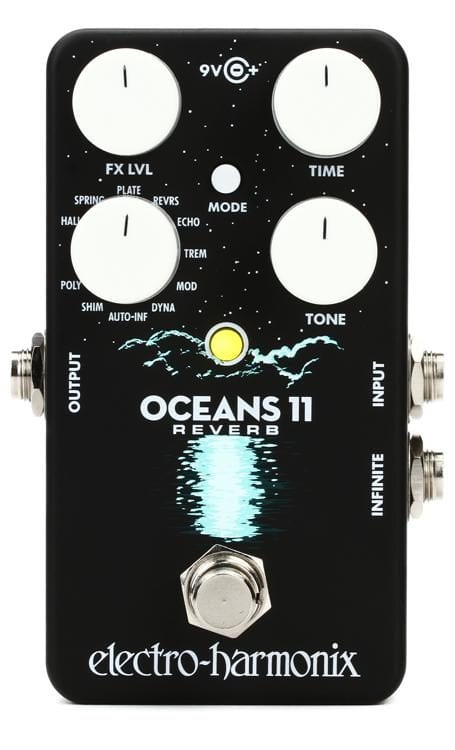
Boasting tons of “hidden” functionality and 11 reverb types (POLY, AUTO-INF, SHIM, HALL, DYNA, SPRING, MOD, TREM, ECHO, REVRS, and PLATE), the Electro-Harmonix Oceans 11 serves as a go-to reverb stompbox. Users can tap into classic tones such as plate, hall, and spring reverbs, including a unique spring reverb algorithm which sounds gloriously lush and complex. Double tapping the footswitch crashes the spring reverb. Users may also cover an extensive range of modern tones with an assortment of reverse reverb, shimmer reverb, modulated reverbs, and more. A Mode switch enables access to variations on most of the 11 reverb types. Equipped with an infinite reverb mode for freeze-esque effects, the Oceans 11 has enormous creative potential. The Strymon BigSky is a multidimensional reverb stompbox that delivers a variety of reverb effects available in the market. A dozen of reverb types are available with a roll of a knob, and users may deeply edit and save the effects to the 300 onboard preset slots. A sophisticated SHARC DSP powers the unit for the finest sound quality possible. The BigSky’s reverbs are far from mere re-creations of classic tones. While the sounds are inspired by several iconic ‘verbs, Strymon incorporated enough tone-sculpting features to guarantee users have full command over capturing their desired sound.
**Wah **
In the guitar effects realm, the wah voice is arguably the most unique-sounding and straightforward. Unlike other effects, wah does not require many settings to place it on a sweet spot. Also, other effects are so closely related that they sound almost similar. The distinctive wah sound has become a mainstay effect on a guitar pedal. It has been utilized in innumerable lead solos and rhythmic sounds, combined with or alongside other effects such as overdrive and distortion, which maximizes its utilization in crossing music genres.
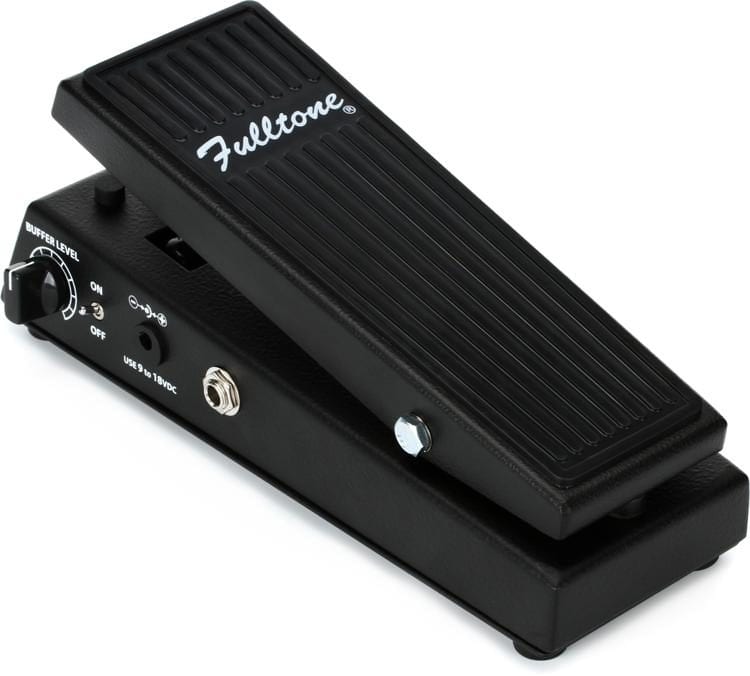
Boasting the same thick, singing tones as Electro-Harmonix’s revolutionary Crying Tone Wah, the Wailer Wah comes in a convenient and familiar rack and pinion-esque package. It has been constructed with a durable polymer housing capable of standing up to the rigors of the road. Since the Wailer Wah is true bypass, the guitar tone stays pure while the effect is disengaged. It also features plenty of design elements that make it an ideal choice for touring and gigging musicians. The Clyde Standard Wah from Fulltone is spec’d from the Clyde McCoy signature wah, which is said to be Jimi’s favorite. It features a tuned-core hand-made inductor that leverages “exactly the same type wire and inductance as the ‘60’s era Vox, except VERY consistent from one unit to the next.” Fulltone added that although the creation of a tuned core inductor is more costly, the outcome is worth it. “The only change from the original ‘60’s Vox design is the addition of a very usable internal ‘Resonance Control’ which is a large durable trimmer, for bass and gain adjustment, which is easily adjustable by hand without tools and with room to mark your favorite settings,” the company detailed.
**Distortion **
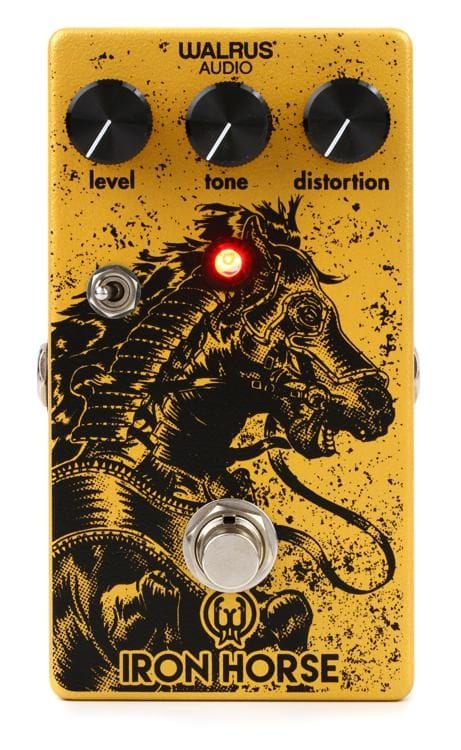
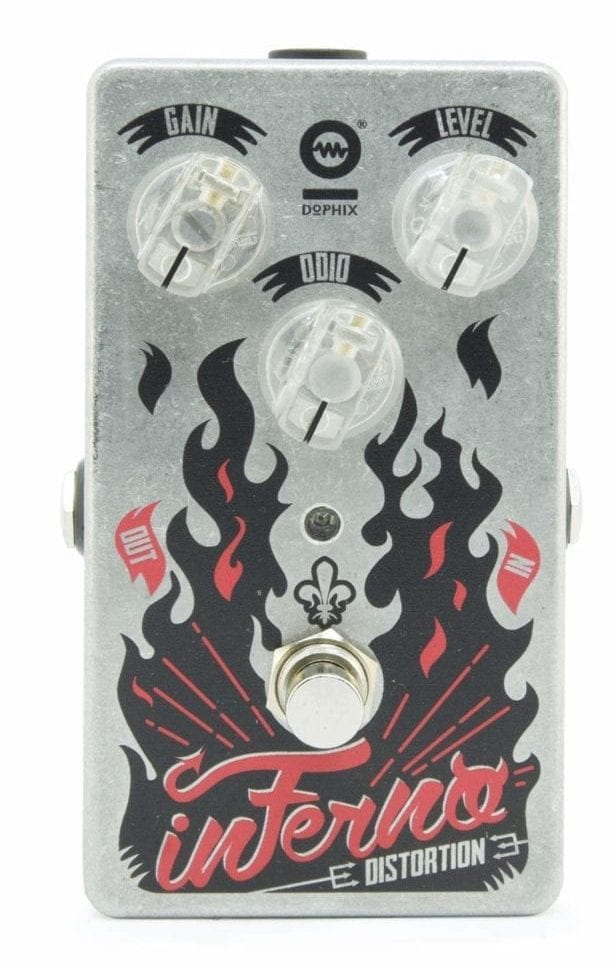
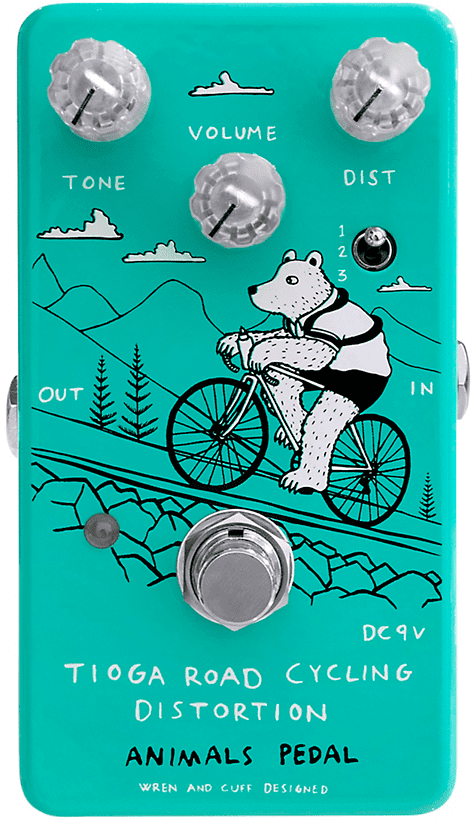
Distortion is an essential component for roaring riffs, wailing solos, and the entire metal genre. It is the perfect choice for those who want some aggressive drive for their tone. MXR’s Distortion + stompbox dishes out magical classic distortion tones from a sturdy, pedalboard-friendly package. It bridges the realm between excessive fuzz tones and overdrive, making it a fundamental ingredient of any player’s tonal toolkit. The Distortion + consists of Output and Distortion knobs for getting the desired volume level and amount of crunch, respectively. This classic distortion pedal allows users to push out serious retro pedal crunch or add a tasty character to amp tones. The Iron Horse V2 from Walrus Audio serves as a ticket to meaty and punchy distortion. Park this unit in front of any amp to get things rowdy. The Iron Horse V2 carries controls for Distortion, Level, and Tone to shape the sound as well as a three-position switch that toggles between different clipping diodes for a versatile array of tones. “The Iron Horse V2 is a return to the classic distortion: thick, punchy, riffy and rowdy. The true bypass, high gain behemoth has been updated to help steer the stallion or let the reins loose for full on distorted onslaught. Dial back the gain and it can be used as a thick, warm overdrive,” Walrus Audio states.
Overdrive
Some describe overdrive as “a side-effect of cranking a tube amp.” It emulates the sound of a tube amp fed with too much power. It sounds best in genres that do not necessitate plenty of distortion—good examples include country, blues, and garage rock.
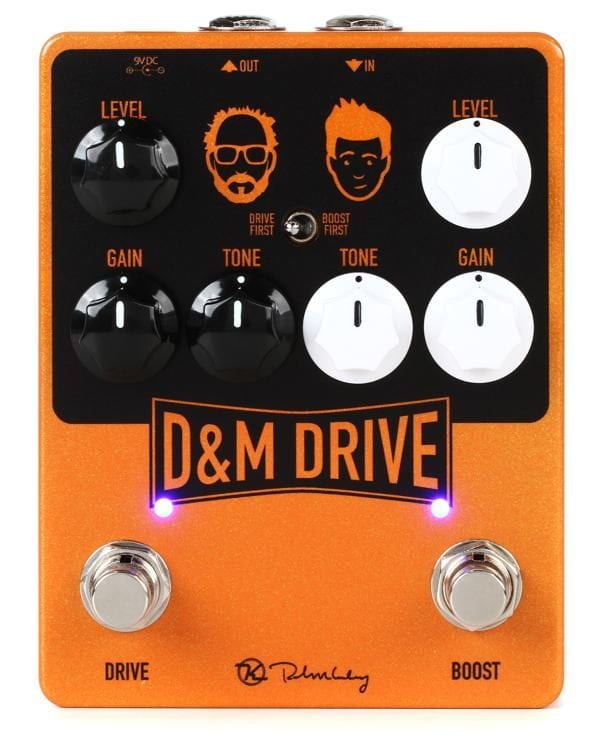
Ever since its inception in 2004, the Fulltone OCD pedal has been the go-to dirt box for innumerable guitarists worldwide. More than one decade after its debut, the player-favorite overdrive has received a major refresh—introducing the OCD v2. Boasting a Class A input section with an enhanced dynamic response, a revamped output buffer for supreme signal integrity, and switchable True Bypass or Enhanced Bypass modes, this iconic stompbox is better than ever. The OCD v2 is a modern classic overdrive unit redesigned for maximum performance and fidelity. The Keeley D&M Drive is a collab between pedal virtuoso Robert Keeley and That Pedal Show’s tone authorities Mick Taylor and Dan Steinhardt. It loads two stompboxes in one—an obsessive boutique-style overdrive with plenty of gain on tap for Dan and a stackable/independent boost for Mick ranging from Katana Boost clean to mid-forward TS-esque drive. Tone, Gain, and Level knobs are available for each channel. “The D&M Drive is the perfect storm of Drive and Boost. The D&M offers a gorgeous sounding high voltage Boost side which is designed to impart the perfect tone on any amp that needs to be pushed. No longer will you wonder what the perfect clean boost should be,” Keeley wrote. Proudly handcrafted in Edmond, Oklahoma, the D&M Drive pedal sports the TPS and Keeley logos.
Fuzz
Fuzz is among the first and most enduring effects pedals. This amazingly expressive effect is capable of doing way more than merely freak-out leads. It has been utilized by legendary artists in almost any genre to craft beautiful music. An exceptional fuzz box can give character to virtually any conceivable style. Just about all guitarists love a splatty, glitchy fuzz. Fender’s Pelt Fuzz is a blue-ribbon choice for those who wish to incorporate this indispensable sound into their pedalboard. This silicon fuzz unit is complete with basic controls, such as Tone, Level, and Fuzz, plus a Bloom knob for molding the contours of the sound. A Thick switch injects some muscle and girth to the sound, while a Mid switch cuts or boosts the midrange for more tonal textures. The Pelt is a killer fuzz perfect for guitarists looking for a sonic secret weapon.
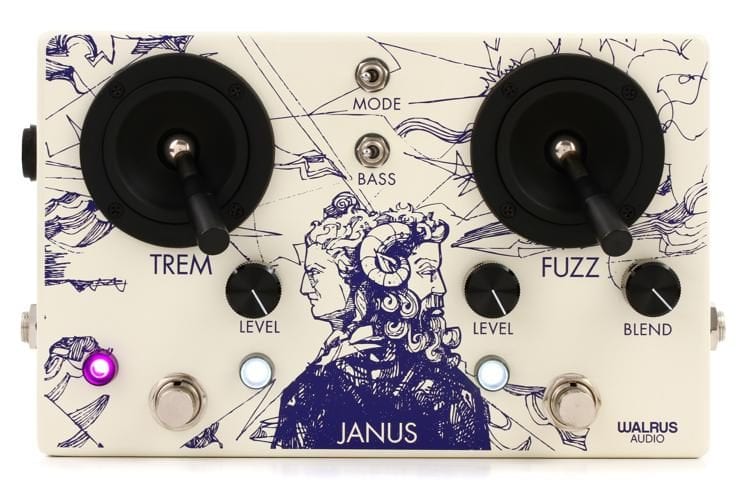
The Janus from Walrus Audio enables creating a landscape of distorted textures. This fuzz/tremolo stompbox boasts two joysticks that provide exceptional continuous control of both effects. The Fuzz joystick handles the tone and amount of fuzz, while Trem controls the tremolo effect’s depth and rate. The fuzz and tremolo can be utilized independently or in tandem. A three-position switch moves between different clipping diodes, delivering a variety of fuzz tones. Moreover, a Blend dial lets users combine the dry signal with the effected fuzz signal. The Janus is perfect for keyboards, vocals, guitars, and more. The Old Blood Noise Endeavors Haunt is a highly customizable gated fuzz capable of serving up anything from subtle sustain to full-on warfare. Users can capture many character traits and textures via the Tone, Mix, Fuzz, Gate, and Volume knobs. The Haunt yields everything “from the restrained and nuanced light fuzziness to granular and biting saw sounds.” Besides the controls, it also carries two toggle switches—Low and Range. Per Old Blood Noise Endeavors, “Range sets the range of the Fuzz knob, with lower gain to the left and higher gain to the right. To the left, the Low toggle attenuates the low end, to the right it lets full low end in. You’ll notice a volume boost to the right as a result of the new frequencies being let in, and a new interaction with the Gate, Fuzz, and overall sound of the Haunt.”