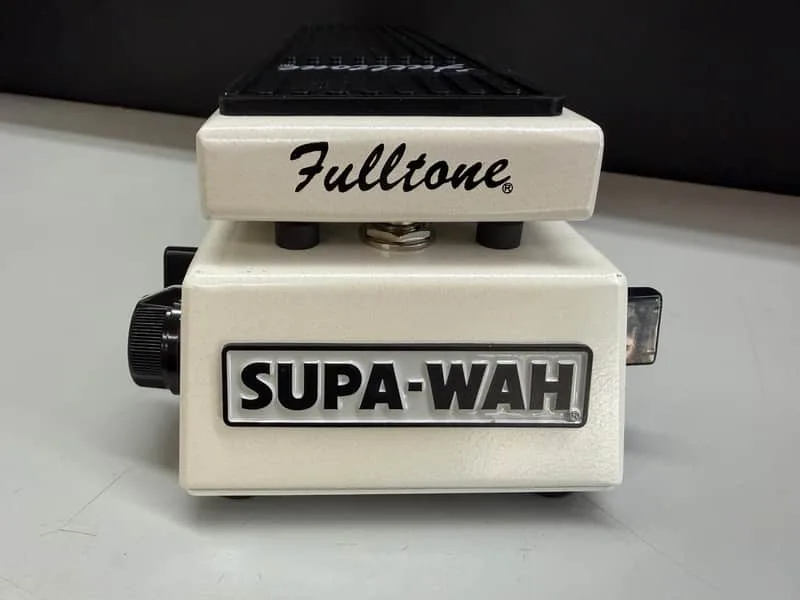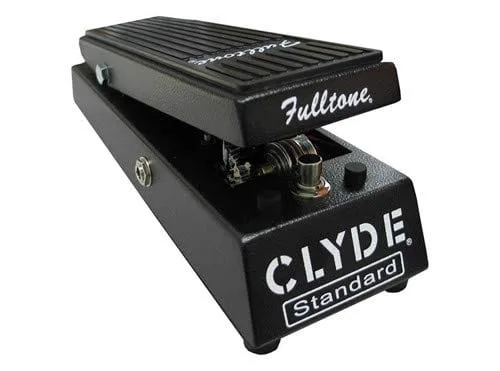


The Fulltone Clyde Standard Wah is a hand-wired wah pedal built by Mike Fuller of Fulltone Custom Effects as an unofficial reissue of the 1960s Vox Clyde McCoy wah1. Where the original Clyde wahs are scarce and hoarded by collectors2, the Fulltone version recreates the circuit with comparable components: carbon composition resistors, Polypropylene WIMA .01 capacitors, and a tuned-core handwired inductor made from the same type of wire, with the same inductance, as the original3. Later versions employ a hand-made halo inductor, with an internal resonance control to adjust bass and gain4.
The name goes back to the wah's beginnings. The Clyde McCoy wah was the original 1967-68 wah design5, the result of a collaboration between Vox and Clyde McCoy, a jazz trumpeter who had asked the company for a device that could simulate the sound of a muted trumpet for use with a keyboard67. McCoy was well known for using the mute to create wah'd effects8, and the pedal carried his endorsement9. The early pedals were manufactured in Italy and have a picture of Clyde on the bottom7.
A hand-wired take on the Clyde McCoy wah
Fulltone's handwired circuit incorporates a design similar to that of the original Clyde McCoy and uses comparable components, including the tuned-core handwired inductor wound from the same wire type and inductance as the 1960s part1. Delicious Audio's buying guide notes that an improved Halo inductor and potentiometer make the pedal quieter and better sounding than the original10.
The pedal itself is solidly constructed, with a rubber slip-proof surface on top of the treadle and four large rubber feet on the bottom3. One practical detail Vintage Guitar's reviewer highlighted: the Clyde stays set in whatever position you select and does not automatically depress all the way when your foot is removed, which is not always possible on well-worn wah pedals3.
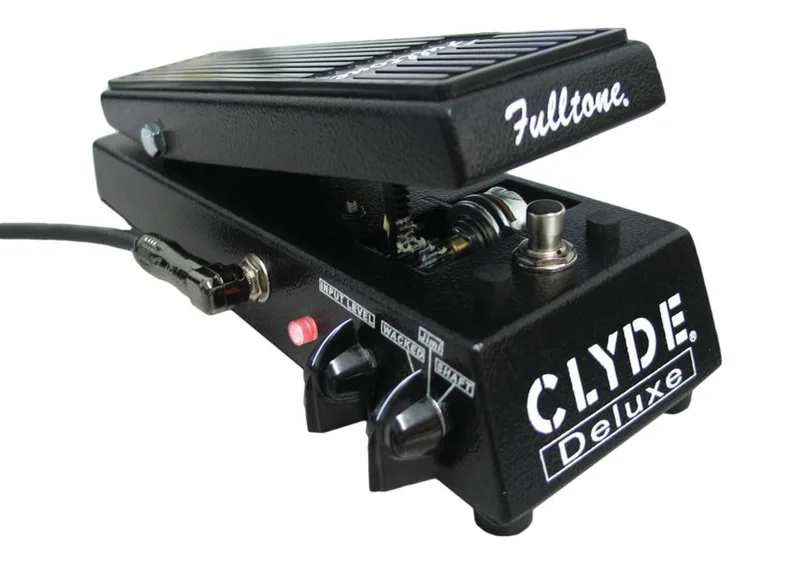
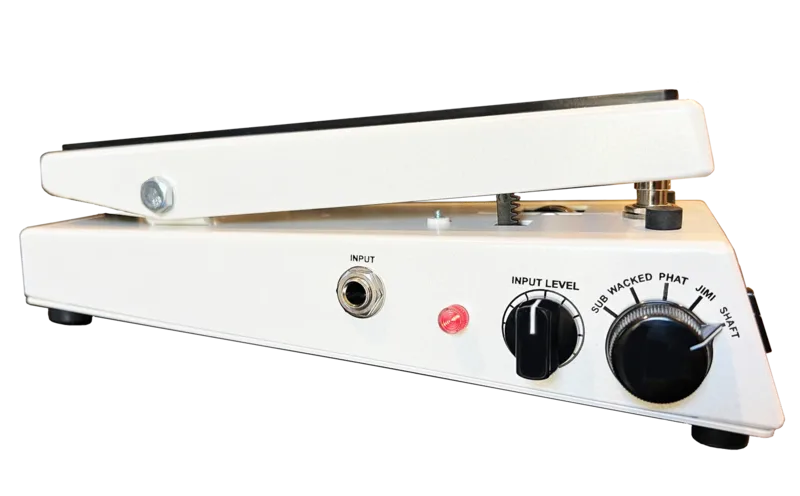
The Clyde Standard sits in a range alongside the Fulltone Clyde Deluxe Wah, which adds three selectable modes (Wacked, Jimi and Shaft) and 10-step variable input levels10, and the Fulltone Clyde itself. All three versions sport a fuzz-friendly circuit that does not alter the wah's original sound10.
The controls: treadle, resonance trim and tension
The Clyde Standard keeps its controls minimal, with the adjustments that matter on a vintage-style wah.
| Control | What it does |
|---|---|
| Treadle | Rocks the wah through its sweep; tension adjustable via the proprietary "nylock" nut at the pivot point for lighter or heavier resistance3 |
| Resonance trim pot (internal) | Adds gain and expands the frequency response for more lower-mids and bass; at 6 o'clock it gives the standard '60s Vox wah setting3 |
| Fullrange pot | A copy of the '60s Icar pot used on the originals, rated at 150,000 turns per lifespan instead of the industry standard 15,000, providing a much wider sweep113 |
The resonance control is the one voicing adjustment: MusicRadar lists it as the pedal's internal control for adjusting bass and gain4, and Delicious Audio describes it as an added "Resonance Control" for bass and gain adjustment on the Clyde range10. Set it fully back and you have the stock vintage voicing; turn it up and the effect reaches further into the lower-mids and bass with more gain3.
The treadle tension is adjusted by tightening or loosening the nylock nut on the side at the pivot point, so you can set the pedal to stay put under a light touch or rock freely3.
Bypass, fuzz and power
The Clyde uses a true bypass switch3. For players running fuzz pedals, the latest versions of the Clyde Standard boast a switchable booster/buffer control for fuzz-friendly operation4. This addresses a known problem: fuzz circuits are high impedance, and many wahs screech and crackle in front of them. On the Clyde Deluxe, Delicious Audio's review describes a buffer that helps ensure the wah plays nice with other pedals on the chain, particularly fuzz pedals where noisy screeching and crackling tends to be an issue1.
Power is simple: the Clyde operates on a single 9-volt battery and can also be used with an optional AC adapter3.
The AC adapter is optional, not included in the stated power spec. The pedal runs from its battery alone, so a battery or an AC adapter covers it3.
Versions and finishes
The original Fulltone Clyde shipped in three finishes: Powder-coated White, Hammertone Black, and Hammertone Gray3. Later versions of the Clyde Standard added the switchable booster/buffer control for fuzz-friendly operation4, and the range grew to include the Clyde Deluxe with its Wacked, Jimi and Shaft modes10.
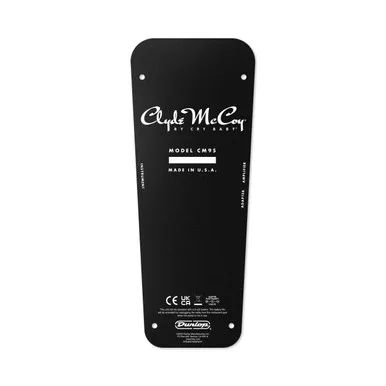
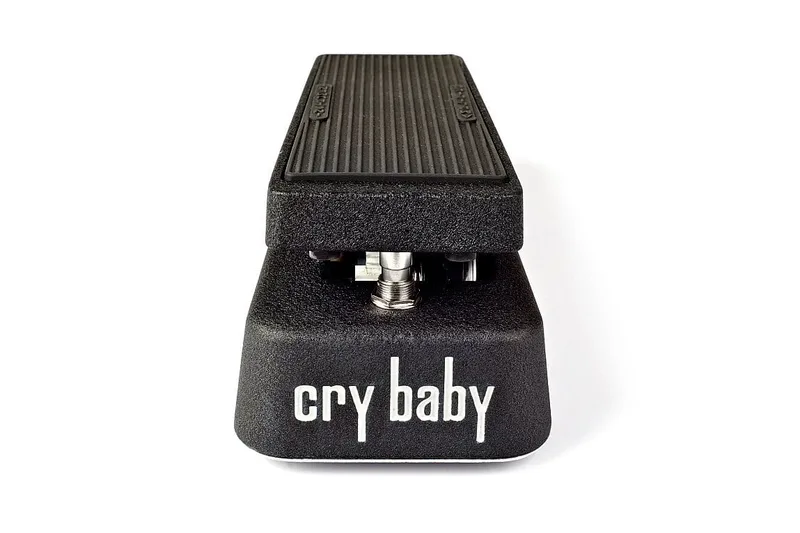
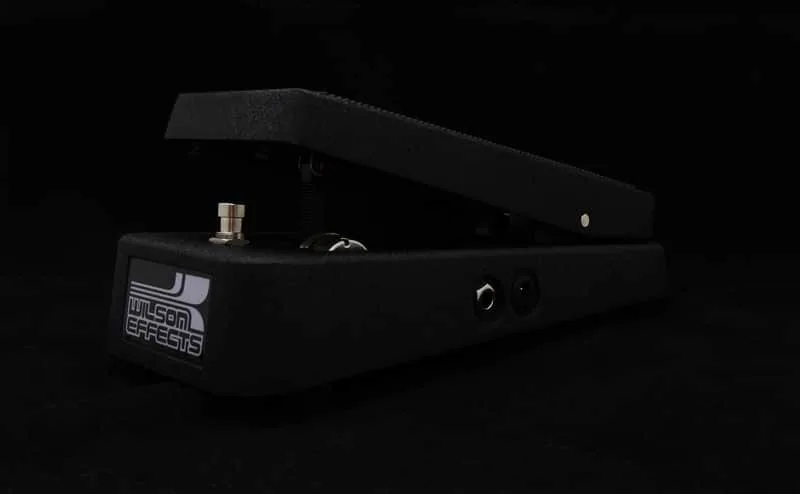
The Clyde McCoy design has also been carried forward by other makers. Dunlop's CM95 Clyde McCoy Cry Baby wah draws from decades of wah design to represent the original tone12, and Wilson Effects builds a Clyde Signature Wah designed next to an original vintage Clyde wah, using NOS components13.
What reviewers said
Vintage Guitar reviewed the Clyde in April 2001, comparing it against two original Vox Clyde McCoy wahs and a Dunlop Crybaby. The review found the Fulltone had the widest tonal range, the best pot taper, and no volume loss, with a sweep range a bit wider than the vintage pedals and noticeably more bottom and top-end3. The magazine judged it the best of that selection for tonal range and control.
"the sweep range of the Fulltone was a bit wider than that of the vintage pedals, with noticeably more bottom and top-end."
On JHS Pedals' history of the wah, Josh Scott called the Fulltone Clyde "pretty much industry standard when it comes to pedals that are handbuilt in America. This is a super well-made piece of gear and it just sounds awesome."14
The Clyde Standard was also one of five classic wahs compared on That Pedal Show in January 2019, in an episode that put the pedals through their paces with plenty of Fuzz Face fun15. Delicious Audio's review of the Clyde Deluxe went further, judging that "the Fulltone pedal offers the most functionality in a wah pedal on the market"1, and that Fulltone held the reins in that niche with the Clyde Deluxe1.
Where the Clyde McCoy sound came from
The original Clyde McCoy wah was designed to help guitar players sound something like a trumpet player manipulating a mute on their horn16. Vox produced it with McCoy's endorsement9, and the early Italian-made units carry his picture on the bottom plate7. Original Clyde wahs are now scarce, and pros and deep-pocketed collectors have hoarded them like gold2, which is the gap a reissue like the Fulltone Clyde fills: the 1967-68 circuit5, hand-wired, with the resonance trim and the heavy-duty Fullrange pot as the working upgrades311.
Videos
Sweetwater
gearmanndude
Mikel Bluni
Questions
Is the Fulltone Clyde wah true bypass?
Yes. The Clyde uses a true bypass switch, so when the wah is off the signal passes through without the circuit loading it. Reviewers listing the pedal's features in Vintage Guitar and Delicious Audio both confirm true bypass switching on the Clyde and the Clyde Deluxe.
Does the Fulltone Clyde work with fuzz pedals?
Yes. All three versions of the Clyde use a fuzz-friendly circuit that does not alter the wah's original sound, and the latest versions add a switchable booster/buffer control for fuzz-friendly operation. This addresses the impedance mismatch that makes many wahs screech or crackle in front of a fuzz.
Can the Fulltone Clyde run on a battery?
Yes. The Clyde operates on a single 9-volt battery and can also be used with an optional AC adapter. There is no stated current draw figure, so if you run it from a power supply, a standard 9V output is what the pedal calls for.
Who designed the Fulltone Clyde wah?
The Clyde was built by Mike Fuller of Fulltone Custom Effects in Los Angeles. The circuit is an unofficial reissue of the Vox Clyde McCoy wah, the original 1967-68 wah design that Vox created with jazz trumpeter Clyde McCoy.
What does the resonance trim pot on the Fulltone Clyde do?
It is an internal trim pot that adds gain and expands the frequency response for more lower-mids and bass. At its 6 o'clock position it gives the standard 1960s Vox wah setting, so you can dial the pedal back to stock voicing or fatten it up from there.
Sources (16)
- Pedal Review: The Fulltone Clyde Deluxe, Delicious Audio, 2014-07-10
- Review: Dunlop Clyde McCoy Cry Baby Wah Wah, Guitar World, 2014-04-29
- Fulltone Clyde Wah, Vintage Guitar magazine, 2004-01-13
- Best wah pedals: Add extra expression to your sound, MusicRadar, 2020-09-20
- Xotic XW-2 Wah, Delicious Audio, 2024-09-11
- Xotic Wah XW-1 review, Guitar.com, 2016-09-05
- Wah Wah Pedal article, Analog Man Vintage guitar effects (analogman.com), 2015
- Dunlop Cry Baby Bass Wah: the most recognizable effects pedal ever made?, Guitar World, 2023-04-05
- The Cry Baby wah: game-changing and still (kinda) underrated, Guitar World, 2026-01-05
- The 7 Best Fuzz Friendly Wah Pedals In 2022, Delicious Audio, 2020-05-29
- Fulltone Clyde Wah, Vintage Guitar magazine, 2001-06-12
- CM95 Clyde McCoy Cry Baby Wah Wah Manual, Jim Dunlop (www.jimdunlop.com), 2021
- Clyde Signature Wah, Wilson Effects
- 5 REASONS TO WAH, JHS Pedals
- Five Classic Wah-Wah Pedals Compared With Plenty Of Fuzz Face Fun, That Pedal Show, 2019-01-18
- Arteffect Bonnie Wah, Vintage Guitar magazine, 2010-05-12
 Clyde McCoy