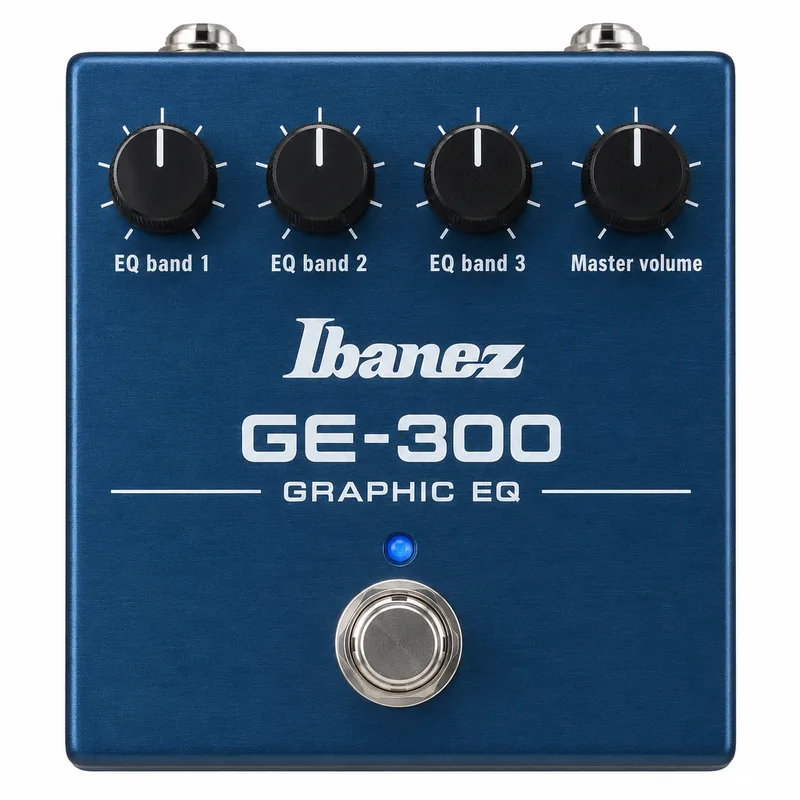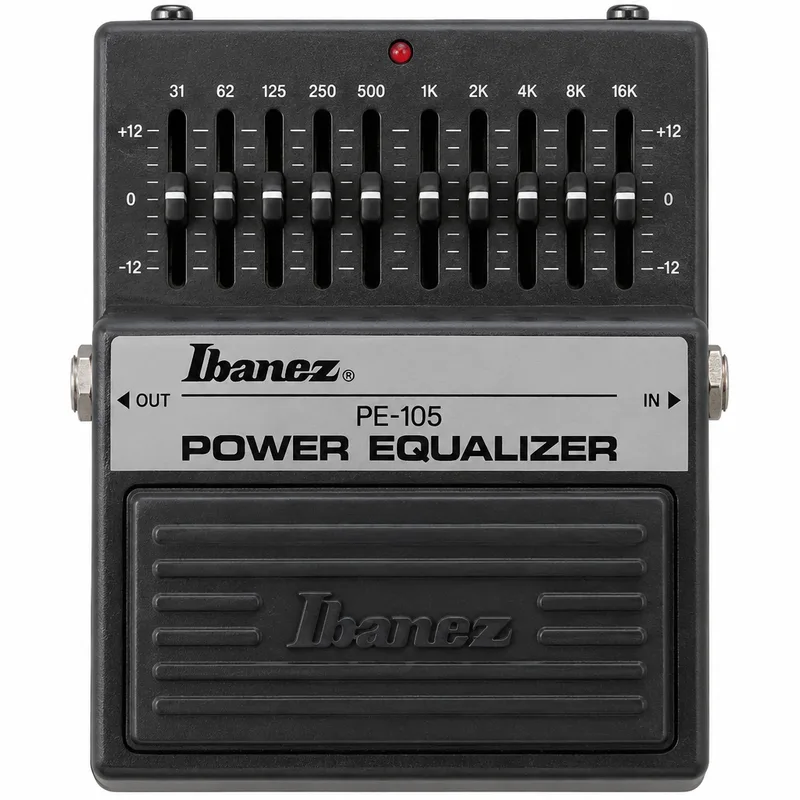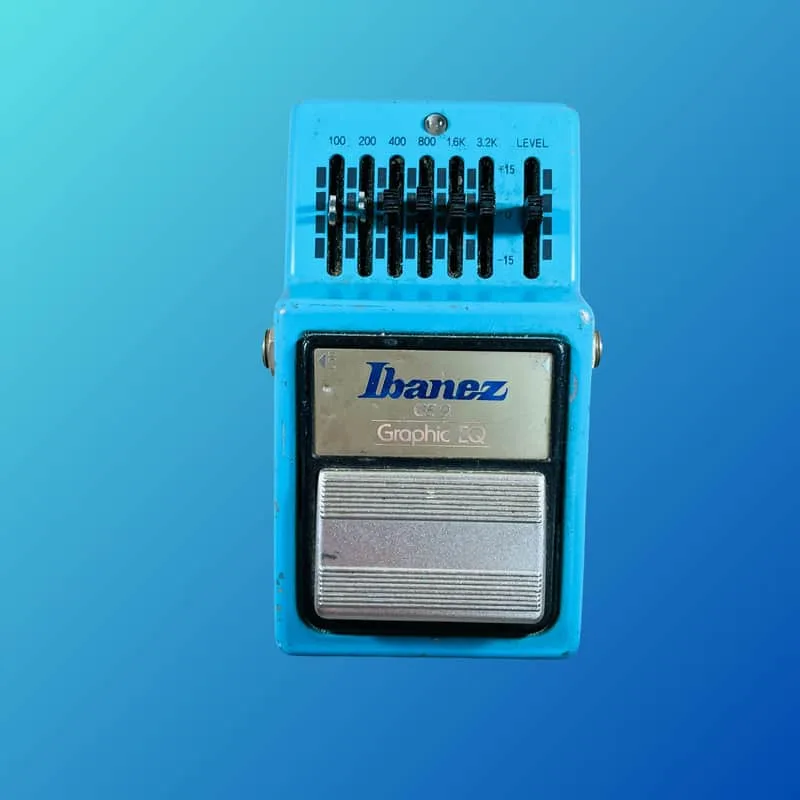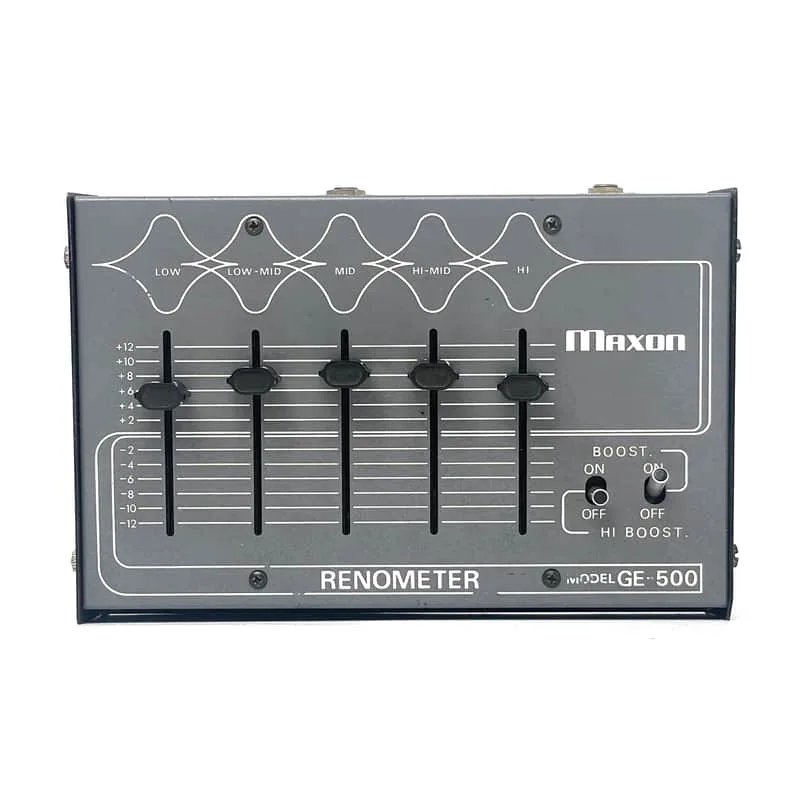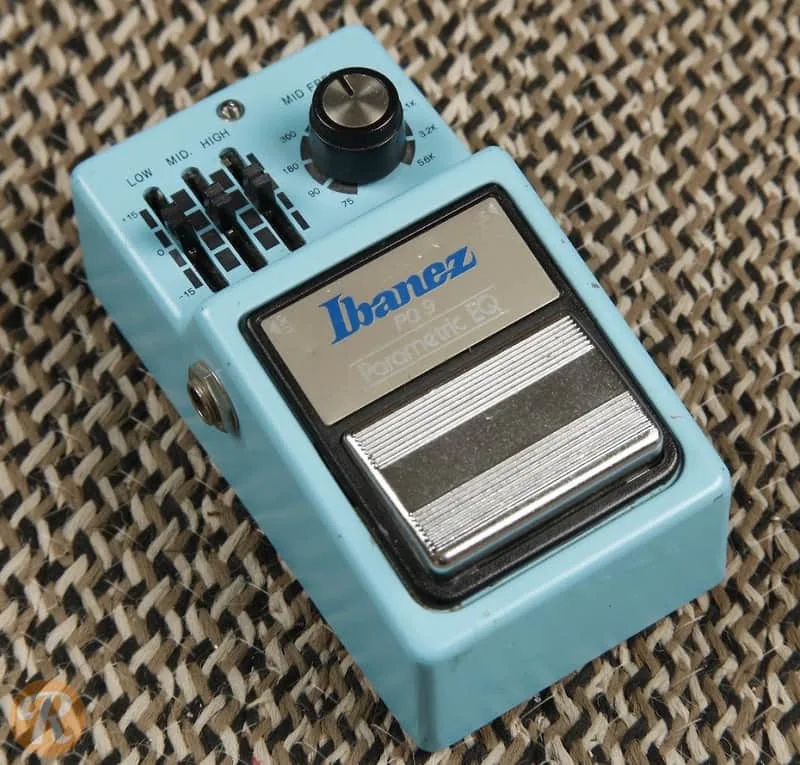

The Ibanez PQ9 Parametric EQ is a parametric equalizer pedal produced in the 1980s in Japan. Unlike a graphic EQ, which gives you a row of fixed frequency bands to cut and boost, a parametric design lets you dial in the frequency itself, which is the approach the PQ9's name refers to. It belongs to Ibanez's 9 Series and sits alongside the company's other EQ pedals of the era, such as the Ibanez GE-300 Graphic EQ and the Ibanez PE-105 Power Equalizer12.
Production and history
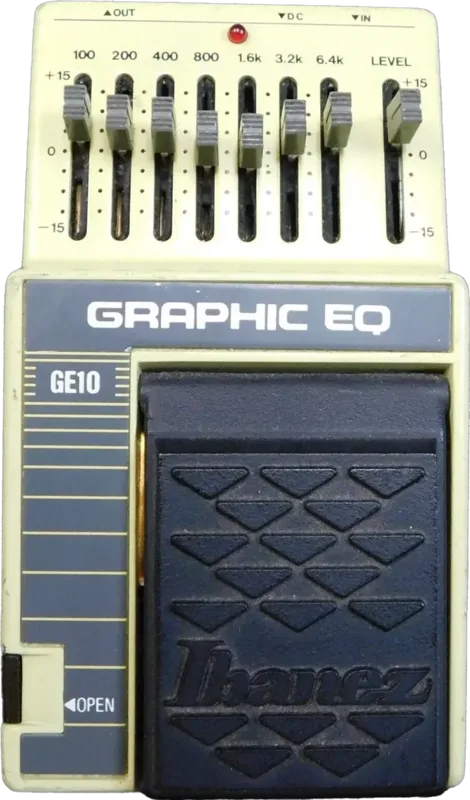
RockBoard's PedalPedia describes the PQ9 as "a rare parametric equalizer pedal produced in the 1980s in Japan"12. TONEHOME, an independent reference covering vintage Ibanez pedals, likewise lists the PQ9 as rare2. It belongs to a wider family of Ibanez EQ pedals from that era, alongside models such as the Ibanez GE-10 Graphic EQ2.
Price when new
TONEHOME records two historical list prices for the PQ9 during its production period2:
Both figures are the prices the pedal carried when it was new: $115 USD in 1984 and 247 DM in 1983. They say nothing about what a used unit fetches today2.
Rarity and collectibility
Both references describe the PQ9 as rare12. TONEHOME, which covers vintage Ibanez pedals, carries the same availability rating2. For a player, that means units do not come up often, and patience is part of the search for one2.
Parametric versus graphic EQ
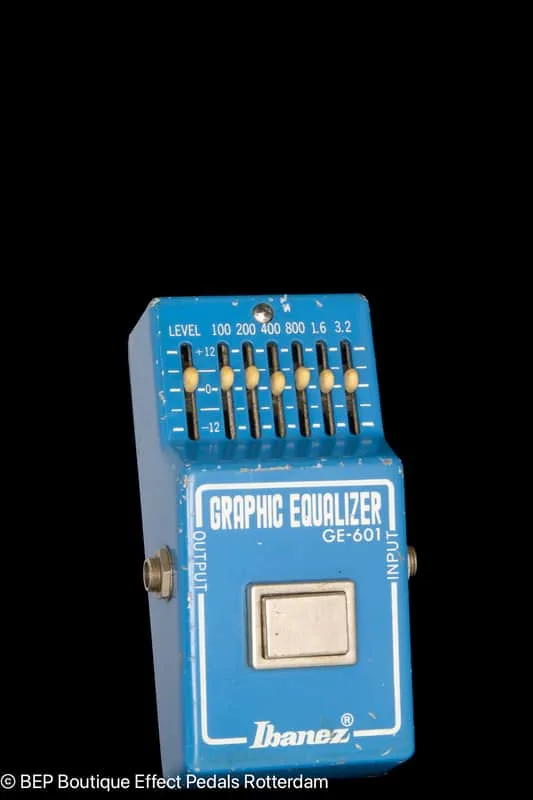
The PQ9's parametric approach is what sets it apart from the graphic EQs Ibanez was making at the same time, such as the Ibanez GE-601 Graphic Equalizer and the Ibanez GE9 Graphic EQ. A graphic EQ presents a set of fixed bands, each with its own slider, while a parametric EQ lets the player choose the center frequency being cut or boosted. That makes a parametric pedal a tool for targeting a specific problem frequency or pulling out one particular character in a tone, rather than shaping the overall balance across the spectrum12.
Videos
Marcus Serck
Sources (2)
- PQ-9 Parametric EQ by Ibanez, RockBoard PedalPedia, 2026
- TONEHOME, TONEHOME, 1984