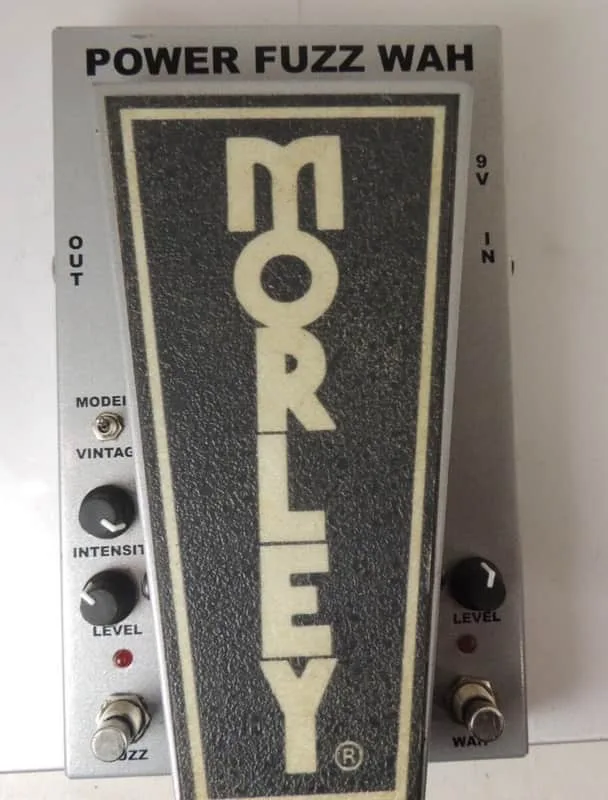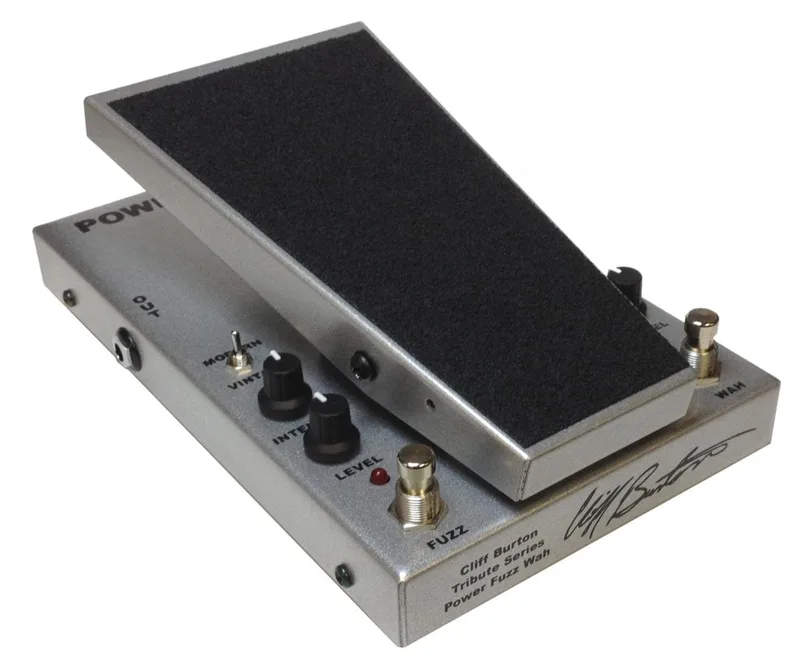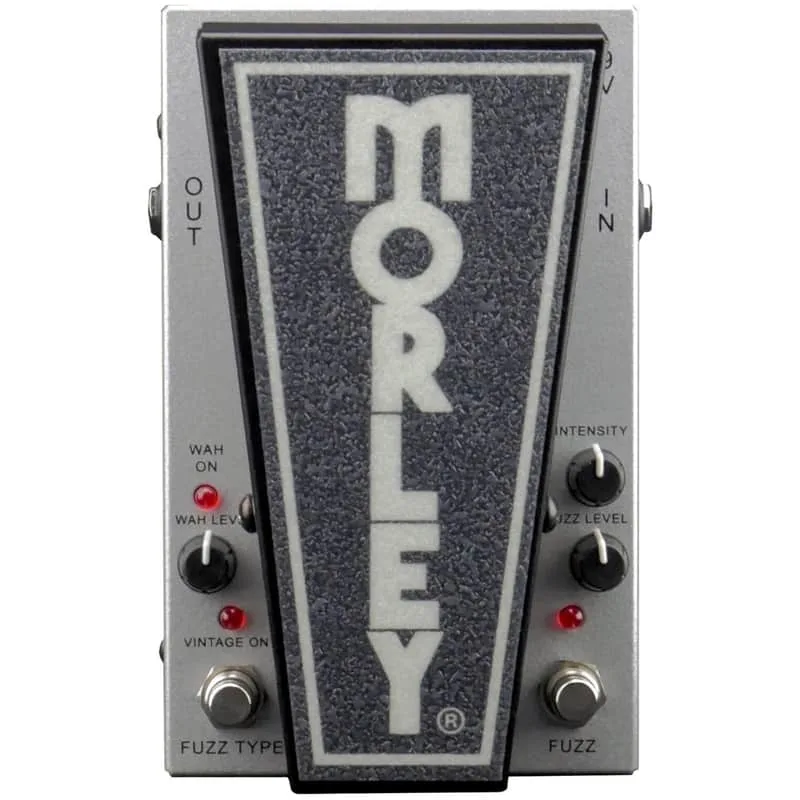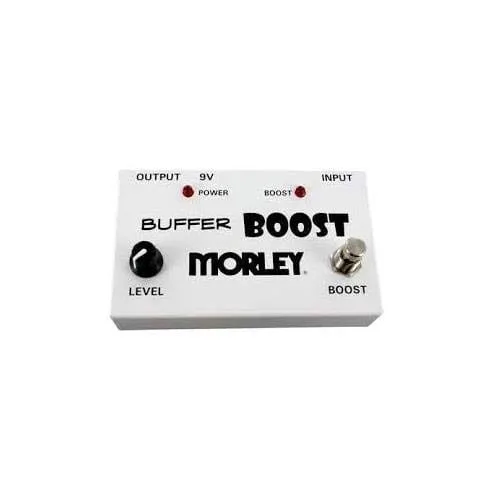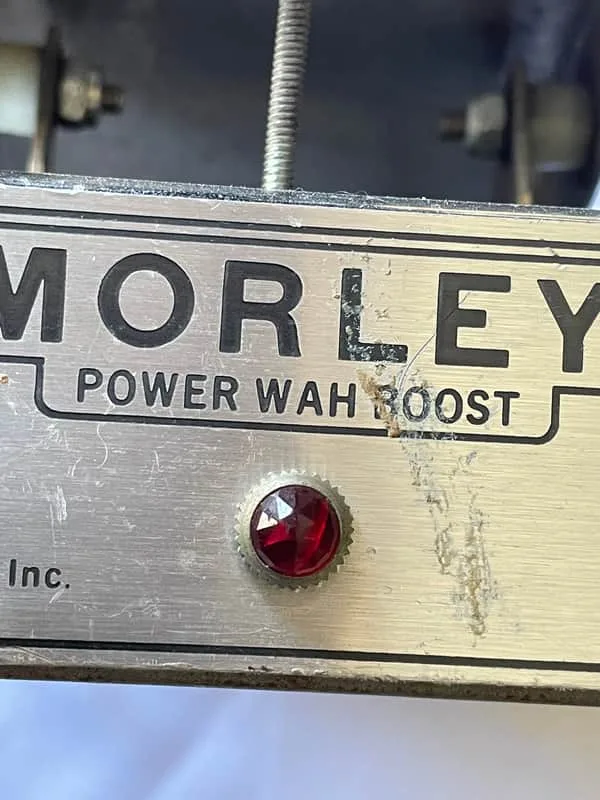


The Morley Cliff Burton Power Wah Boost (model MTPWB) is a combo wah and boost pedal from Morley, built as a reissue of the 70's Power Wah Boost. Morley says it is one of the two Morley pedals Cliff Burton, Metallica's late bassist, used interchangeably to get his tones, and that the pedal let him push the signal into the front end of his amp1.
The reissue duplicates the wah tone and sweep and the 40dB of boost of the original, but in a pedalboard-friendly size1. It is part of Morley's Tel-Ray Revival line, made with approval from the Burton Family Foundation1.
A wah and boost in one pedal
The pedal combines two effects in one box: a wah and a clean boost. Morley's framing of the original is that Burton used it to "juice up the signal being fed to the front end of his amp"1. For a player, that means the boost side does the job of any boost pedal, driving the amp harder, while the wah side gives the classic swept filter effect on the same board space.
The reissue is not a clone of the exact pedal Burton used. Morley took the 70's Power Wah Boost as its basis and carried over the wah tone, the sweep and the 40dB boost figure, while shrinking the format for modern pedalboards1.
The controls and footswitches
The pedal has two footswitches, one for each effect, and a Boost intensity control1.
| Control or switch | What it does |
|---|---|
| Wah footswitch | Switches the wah on and off |
| Boost footswitch | Switches the boost on and off |
| Boost intensity | Sets the boost amount, up to 40dB |
Because the two switches are separate, each effect can run on its own or both together1. That is the practical difference from a single-switch wah with a built-in gain stage: you can leave the boost permanently on as a volume or push fix and bring the wah in only when you want it, or use the boost alone as a solo lift.
Power and build
The pedal powers from an optional 9V adapter, and Morley recommends the Truetone One Spot1. The housing is cold-rolled steel and the pedal carries a one-year warranty1.
The wah circuit itself is electro-optical. Morley describes it as "consistent and quiet (no pots to wear out)"1. Where a conventional wah uses a mechanical potentiometer that reads the pedal's position and can get scratchy with age, an electro-optical design uses light instead, so there is no pot to degrade.
The power spec differs across the Cliff Burton line. The related Tribute Power Wah Fuzz runs on one 9-volt battery or a 9V adapter2, while the Power Wah Boost page lists only an optional 9V adapter1. Check the specific model before buying.
Cliff Burton and the Tel-Ray Revival line
The Power Wah Boost sits in Morley's Tel-Ray Revival line, produced with the Burton Family Foundation's approval1. The line's other main pedal is the Cliff Burton Tribute Power Wah Fuzz, a reissue of the wah-fuzz pedal Burton also used, which Guitar World describes as "the exact same pedal that Cliff used on his iconic recordings," including the intro to Metallica's "For Whom the Bell Tolls"3.
The tribute line has a longer history than the Power Wah Boost reissue. The first Tribute Power Fuzz Wah was released on 18 February 2015, in collaboration with Ray Burton, Cliff's father, and designed by Scott Flesher4. That pedal was aimed at more than bass players: Guitar World quoted the design intent that "it was originally a guitar pedal that could be used for guitar, bass or keys. We designed this tribute version to do the" same4. Its wah circuit carried a 15dB level control for pushing the signal above the mix, and its fuzz had level and intensity controls plus a Modern/Vintage switch selecting between two fuzz types24.
A chrome version followed in 2016, matching the original Tel-Ray Morley finish, after, as the announcement put it, "Cliff fans kept asking for a chrome version like the original Tel-Ray Morley version." Some chrome units were autographed by Ray Burton5. The 2024 reissue of the Tribute Power Wah Fuzz was initially sold exclusively through Guitar Center and Musician's Friend, with a wider release from 1 April6.
The Power Wah Boost reissue shares that lineage but is the simpler of the two pedals: wah and boost rather than wah and fuzz, with the boost reaching 40dB1. Like the rest of the line, it is not bass-only. Morley states it is suitable for guitar, bass or keys1, and MusicRadar noted the same of the Tribute Power Wah Fuzz, that it can also be used on electric guitar and electronic keyboards6.
Videos
Thom Brady
rollewestbom
CBSoundLab
Questions
Does the Morley Cliff Burton Power Wah Boost need a battery or power supply?
It powers from an optional 9V adapter, and Morley recommends the Truetone One Spot. The related Cliff Burton Tribute Power Wah Fuzz runs on one 9-volt battery or a 9V adapter, so check the specific model's power details before buying.
How much boost does the Cliff Burton Power Wah Boost have?
The Boost intensity control delivers up to 40dB of boost. Morley says Burton used this kind of pedal to push the signal into the front end of his amp, and the reissue duplicates the boost level of the original 70's Power Wah Boost.
Can you use the wah and boost separately?
Yes. The pedal has separate Wah and Boost footswitches, so each effect can be used on its own or both together. That lets you leave the boost always on and kick in the wah only when you want it, or the reverse.
Does the Cliff Burton wah have pots that wear out?
No. Morley describes the wah as electro-optical, meaning it uses light rather than a mechanical potentiometer to read the pedal's position. Morley says this makes it consistent and quiet, with no pots to wear out.
Can you use this wah pedal with bass?
Yes. Morley states the pedal is suitable for guitar, bass or keys. That fits its origin: Cliff Burton played bass through it, and the original was a guitar pedal that also worked for bass and keys.
Sources (6)
- Cliff Burton Power Wah Boost, Morley
- Morley Releases Updated Classic Power Wah Fuzz Pedal, Premier Guitar, 2024-02-20
- “Cliff Burton's secret weapon, modernized to grow his legacy”: Morley reissues Cliff Burton's trademark wah fuzz pedal in tribute to the revolutionary Metallica bassist, Guitar World, 2024-02-19
- Morley Releases Cliff Burton Tribute Power Fuzz Wah Pedal, Guitar World, 2015-02-18
- Morley Unveils Cliff Burton Tribute Power Fuzz Wah, Premier Guitar, 2016-12-27
- “We want an entire new generation of players to be able to experience the exact same pedal that Cliff used”: Morley salutes late Metallica bass icon Cliff Burton with the Tribute Power Wah Fuzz reissue, MusicRadar, 2024-02-20