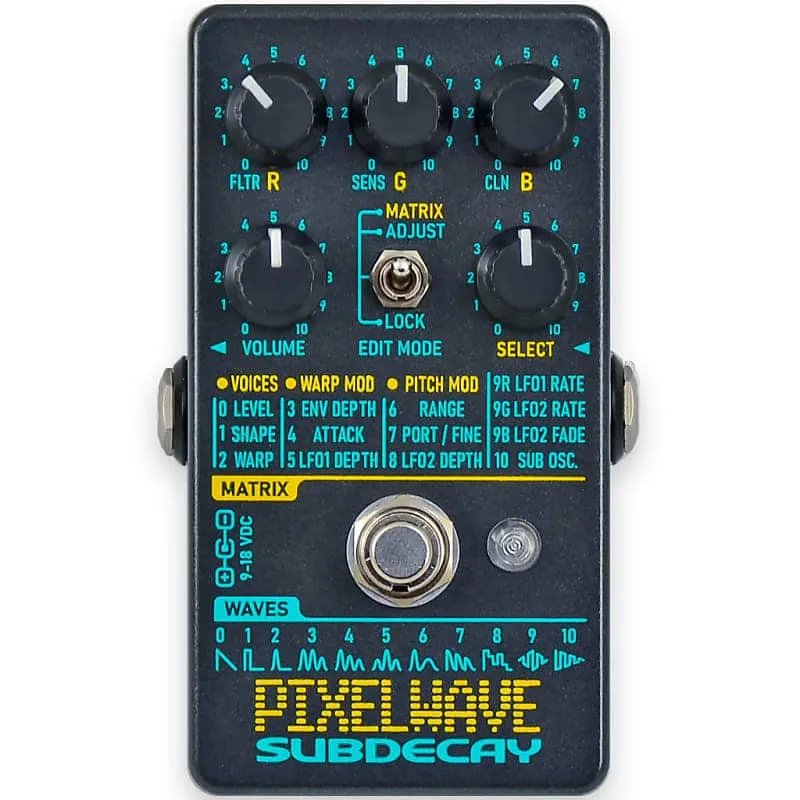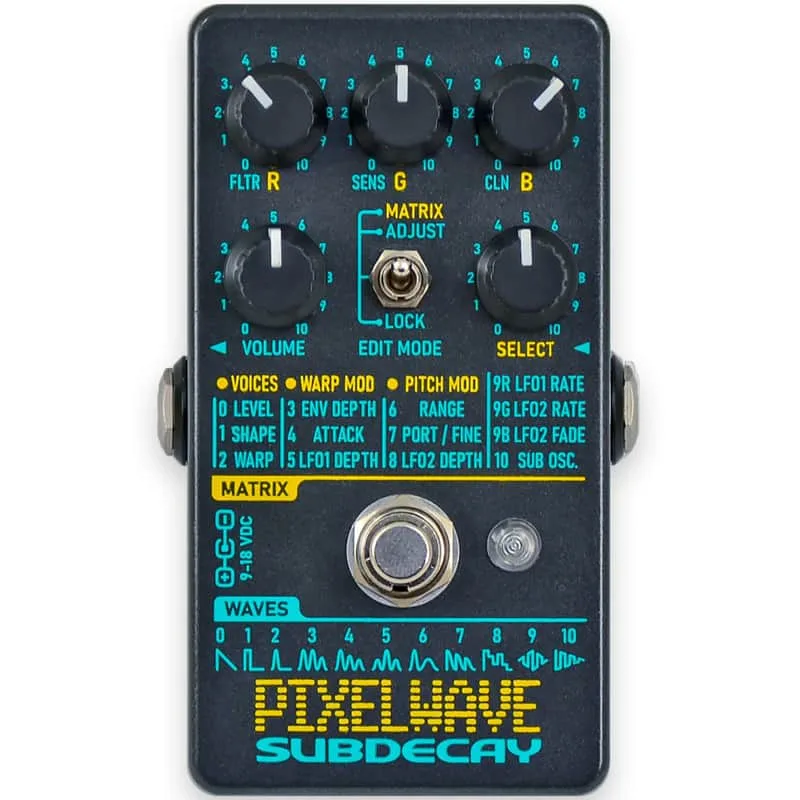


The Subdecay PixelWave Phase Distortion Synthesizer is a guitar synth pedal built on phase distortion synthesis, the method Casio used in its CZ synthesizers. Subdecay describes it as covering a wide range of synthesizer sounds, from string ensembles to filter sweeps and resonant noise1. It runs three oscillators plus a sub-oscillator, with 37 programmable parameters and 11 user presets12.
What phase distortion synthesis is
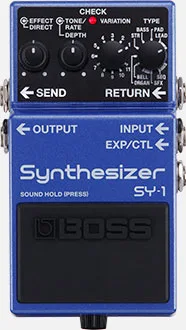
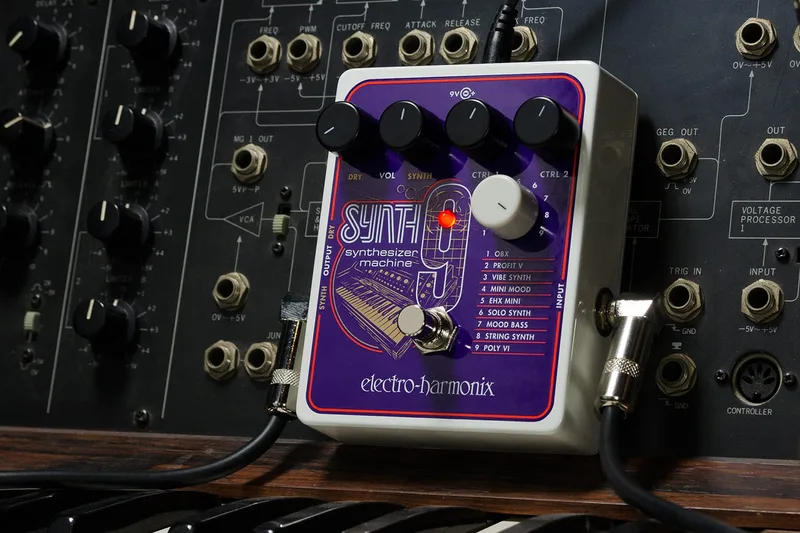
Phase distortion is based on sine waves: the wave distorts to achieve other timbres1. Casio sold it as the answer to Yamaha's FM synthesis, and ultimately discontinued the CZ phase distortion synthesizers, but Subdecay notes those instruments garnered a cult following for their versatility and relative affordability1. The PixelWave applies that approach to a guitar signal, in a format players of synth pedals will recognize alongside units like the BOSS SY-1 or Electro-Harmonix Synth9.
Oscillators and sound
The engine is three oscillators plus one sub-oscillator12. Each of the three main oscillators can be set to any of eleven waveforms, and the oscillators can be offset over four octaves by half-step increments and fine-tuning1. The sub-oscillator is more limited, with four waveform choices: Saw, PWM, Hard Res, and Sync1.
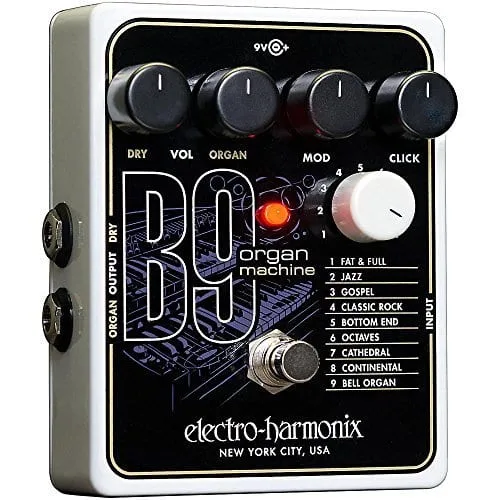
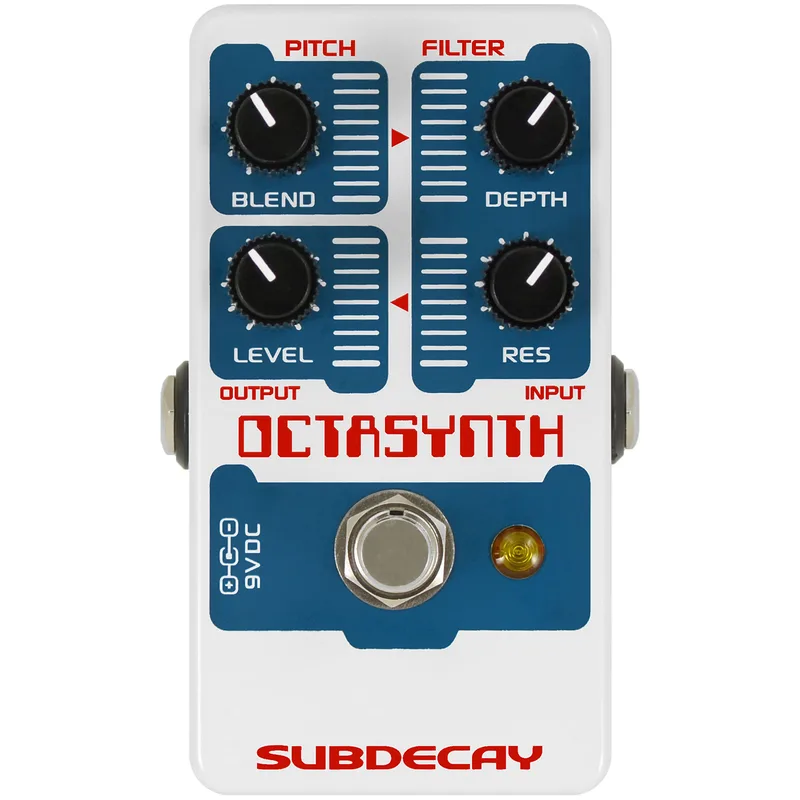
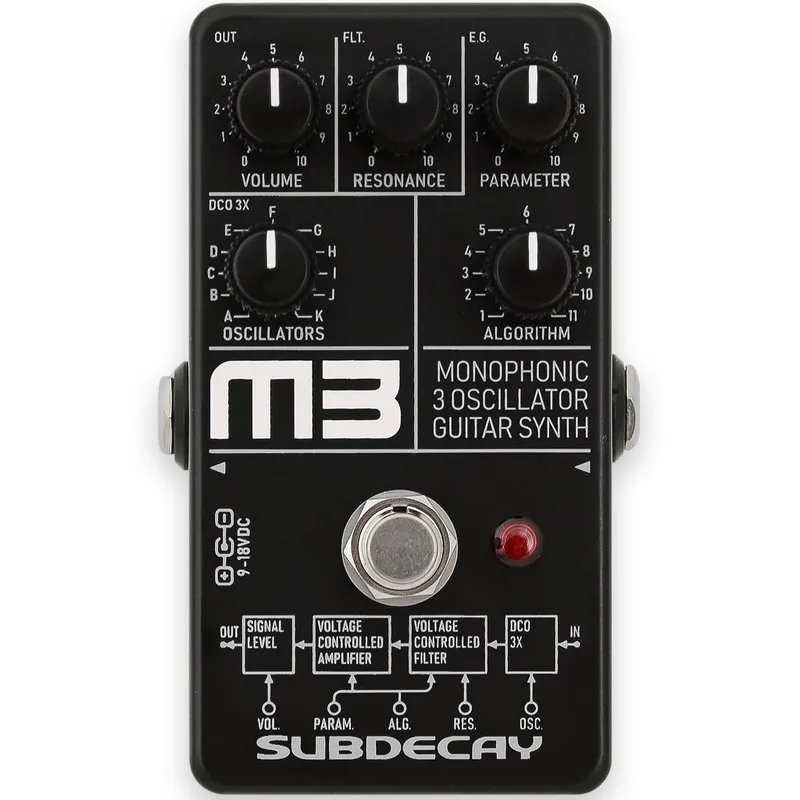
Subdecay describes the pedal's range as wide: string ensembles, filter sweeps, and resonant noise1. For players comparing options, that puts it closer to a programmable synth voice than a preset-only machine like the Electro-Harmonix B9 Organ Machine, and it sits in a Subdecay synth line that also includes the SubDecay Octasynth, the Subdecay M3, and the Subdecay M3000.
Edit, Lock and Matrix modes
The front panel is built around an EDIT MODE switch, a SELECT knob, and three knobs labeled R, G, and B. The switch and SELECT knob put the R, G, and B knobs in control of individual parameters1. The three modes work differently:
| Mode | What the knobs do |
|---|---|
| Matrix | Flip the EDIT switch to MATRIX for deep programming options, then use the R, G, and B knobs to take control. Each knob corresponds to parameters for its oscillator, with a few exceptions noted in red in Subdecay's table, and the SELECT knob chooses the parameter from the matrix1 |
| Adjust | The R, G, and B knobs change to alternate functions: FILTER, SENSITIVITY, and CLEAN MIX1 |
| Lock | Only two parameters are available. The master volume is available and the SELECT knob chooses the preset1 |
The Matrix layout is the deepest of the three: because each R, G, and B knob maps to its own oscillator, a player edits one oscillator at a time while SELECT steps through the parameter matrix1. Lock mode is the opposite: it trims the panel down to master volume and preset selection, which is useful when a preset is finished and you do not want to nudge it by accident on stage1.
Saving presets
Saving a sound is a three-step process done in Matrix mode1:
- Hold down the bypass switch for two seconds to save a preset.
- Choose the preset location with the SELECT knob.
- Press the bypass switch again to save.
The pedal offers 11 user preset slots, backed by 37 programmable parameters2.
Versions, colors and B Stock
Subdecay lists the PixelWave in three colors: red, white, and silver1. Alongside the standard pedal, the company sells a B Stock version at $169.00 USD against the $199.00 USD list price, as of September 20262.
B Stock units are fully functional and warrantied like any other Subdecay pedal, but their blemishes are superficial and usually due to paint or screen printing issues. B Stock orders can take up to one week to ship2.
Videos
Subdecay
Subdecay
Subdecay
Questions
How many oscillators does the Subdecay PixelWave have?
The PixelWave has three oscillators plus one sub-oscillator. Each of the three main oscillators can be set to any of eleven waveforms, and the oscillators can be offset over four octaves by half-step increments and fine-tuning. The sub-oscillator is limited to four waveform types: Saw, PWM, Hard Res, and Sync.
How many presets can the PixelWave store?
The PixelWave stores 11 user presets. Behind those presets are 37 programmable parameters, which you reach through the pedal's Matrix editing mode. In Lock mode the SELECT knob simply chooses the preset, so a player can limit what is adjustable on the fly.
How do you save a preset on the PixelWave?
Saving takes three steps in Matrix mode: hold down the bypass switch for two seconds to start the save, choose the preset location with the SELECT knob, then press the bypass switch again to confirm. The pedal stores the sound to one of its 11 user preset slots.
What is phase distortion synthesis?
Phase distortion is a synthesis method based on sine waves: the wave is distorted to achieve other timbres. Casio sold it as the answer to Yamaha's FM synthesis in its CZ synthesizers. Casio ultimately discontinued the CZ line, but those synthesizers garnered a cult following for their versatility and relative affordability, and the PixelWave brings the approach to a guitar pedal.
What colors does the PixelWave come in?
Subdecay lists the PixelWave in three colors: red, white, and silver. The pedal is also sold as a B Stock option, where blemishes are superficial and usually due to paint or screen printing issues.
Sources (2)
- PixelWave Phase Distortion Synthesizer (colors), Subdecay, 2026-03-28
- PixelWave Phase Distortion Synthesizer B Stock, Subdecay, 2026-09-26