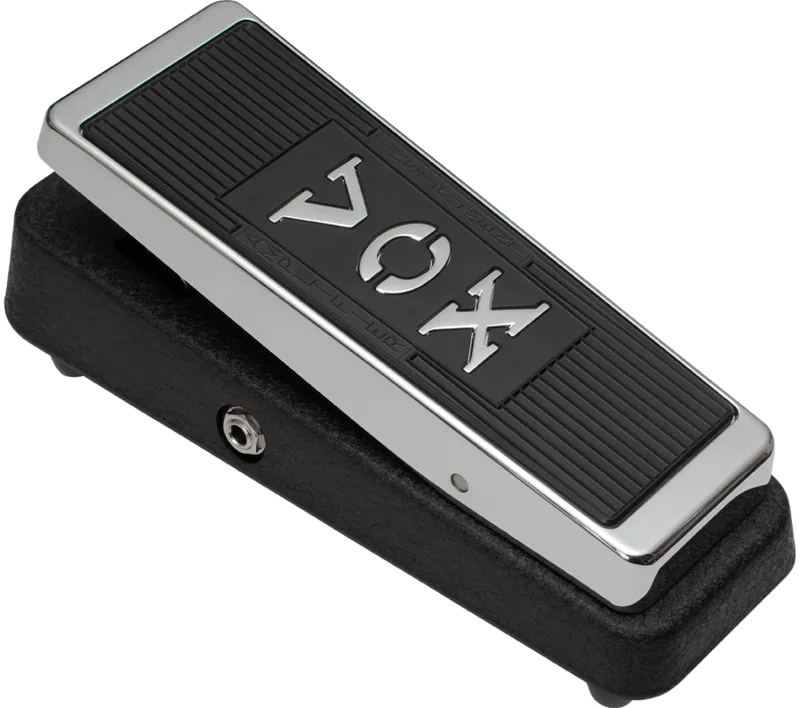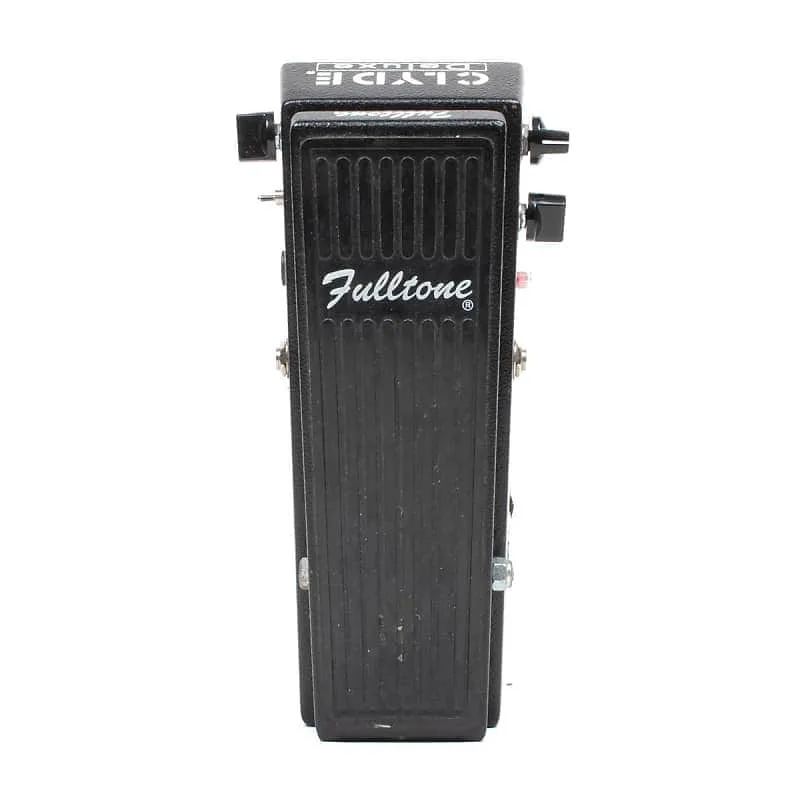


The Fulltone Clyde is a hand-wired wah pedal built by Mike Fuller of Fulltone Custom Effects as an unofficial reissue of the Vox Clyde McCoy wah of the late 1960s1. Where the original Vox units are scarce and expensive, with collectors and professionals having "hoarded the original Clyde wahs like gold"2, the Clyde recreates that circuit with comparable components in a pedal a player can actually buy.
The Clyde McCoy wah itself was a collaboration between Vox and Clyde McCoy, a jazz trumpeter known for using a mute to create wah'd effects, who wanted a device that could mimic the tone of a muted brass instrument3. Fulltone's version keeps that voice: Vintage Guitar's April 2001 review, which compared the Clyde against two original Vox Clyde McCoy wahs and a Dunlop Cry Baby, found the Fulltone's sweep range a bit wider than the vintage pedals, with noticeably more bottom and top-end sweep range1.
A hand-wired take on the Clyde McCoy wah
The Clyde's circuit is hand-wired and incorporates a design similar to the original Vox Clyde McCoy wah, using comparable components: carbon composition resistors, polypropylene WIMA .01 capacitors, and a tuned-core hand-wired inductor made from the same type of wire, with the same inductance, as the original1. MusicRadar describes the related Clyde Standard as employing a hand-made halo inductor in its recreation of the original Vox Clyde McCoy wah6.
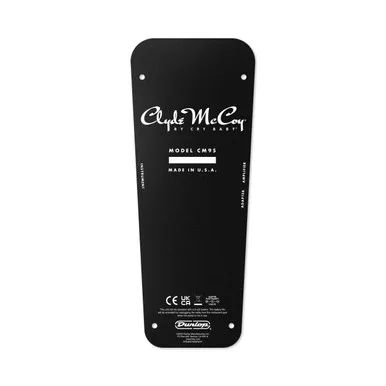
The pedal it recreates came in two versions in the 1960s: a ca. '67 "picture" wah with Clyde's picture on the bottom, and a '68 "signature" wah with no picture and Clyde's name in italics1. Fulltone's Clyde is not an official Vox product, but an unofficial reissue of that design5.
Vintage Guitar's 2001 comparison is the clearest published verdict on how the recreation stands up. The review judged the Fulltone the best of the selection, finding it had the widest tonal range, the best pot taper, and no volume loss compared with the two original Vox Clyde McCoy wahs and the Dunlop Cry Baby1. On JHS Pedals' history of the wah, Josh Scott called the Clyde "pretty much industry standard when it comes to pedals that are handbuilt in America"7.
"This thing is pretty much industry standard when it comes to pedals that are handbuilt in America. This is a super well-made piece of gear and it just sounds awesome."
The controls: treadle, resonance trim and tension
The Clyde is controlled with the usual wah treadle, but Fulltone added several adjustments that set it apart from a stock reissue1.
| Control | What it does |
|---|---|
| Treadle | Rocks the wah sweep; stays set in whatever position you leave it rather than automatically depressing when your foot comes off1 |
| Resonance trim pot (internal) | Adds gain and expands the frequency response for more lower-mids and bass; at 6 o'clock it gives the standard '60s Vox wah setting1 |
| Treadle tension (nylock nut) | Tighten or loosen the proprietary "nylock" nut at the pivot point on the side for lighter or heavier resistance1 |
| Fullrange pot | A copy of the '60s Icar pot used on the originals, rated at 150,000 turns per lifespan instead of the industry standard 15,000, giving a much wider sweep5 |
The resonance control is the one most players will want to understand. Delicious Audio describes it as an added "Resonance Control" for bass and gain adjustment4, and Vintage Guitar's review explains what that means in practice: turning the internal trim pot away from its 6 o'clock position fattens the lower-mids and bass while adding gain, while leaving it at 6 o'clock gives you the stock 1960s Vox setting1.
The treadle behavior is also worth noting for players coming from other wahs. The Clyde stays set in whatever position you select and does not automatically depress all the way when your foot is removed1, and the tension is adjustable through that side-mounted nylock nut1. The pedal is solidly constructed, with a rubber slip-proof surface on top of the treadle and four large rubber feet on the bottom1.
Fuzz, bypass and power
The Clyde is built with fuzz use in mind. Delicious Audio reports that all three versions of the Clyde range use a fuzz-friendly circuit that does not alter the wah's original sound4, and MusicRadar notes that the latest versions of the Clyde Standard add a switchable booster/buffer control for fuzz-friendly operation6. That matters because many vintage-style wah circuits load down or oscillate when placed in front of a fuzz pedal.
The pedal uses true bypass switching14, so the circuit is out of the signal path when the wah is off. Power comes from a single 9-volt battery, with an optional AC adapter for wall power1.
The AC adapter is optional and separate; the pedal runs on a 9-volt battery out of the box1.
Versions and finishes
The original Fulltone Clyde was available in three finishes: Powder-coated White, Hammertone Black, and Hammertone Gray1. The range later grew into three versions, all sharing the fuzz-friendly circuit and true bypass4. Delicious Audio credits an improved Halo inductor and potentiometer with making the current pedals quieter and better sounding than the original4.
- Fulltone Clyde: the standard wah, $191 to $223 as listed in 20204
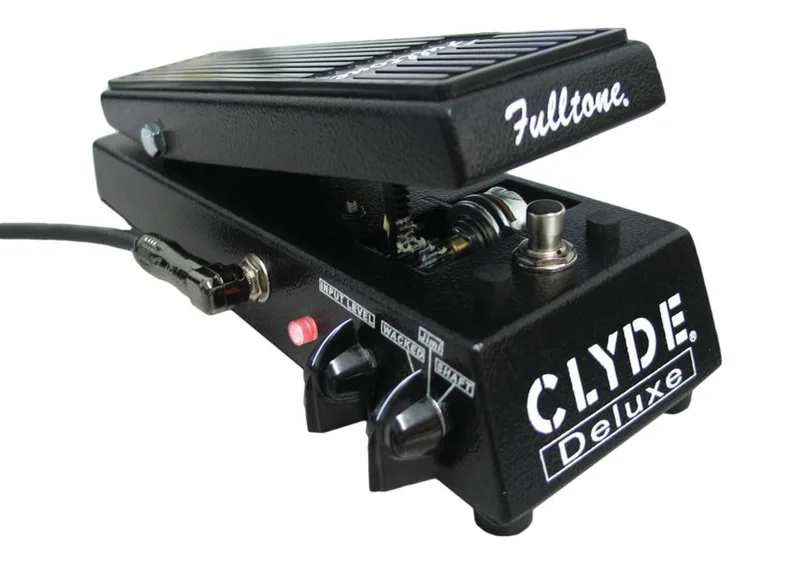
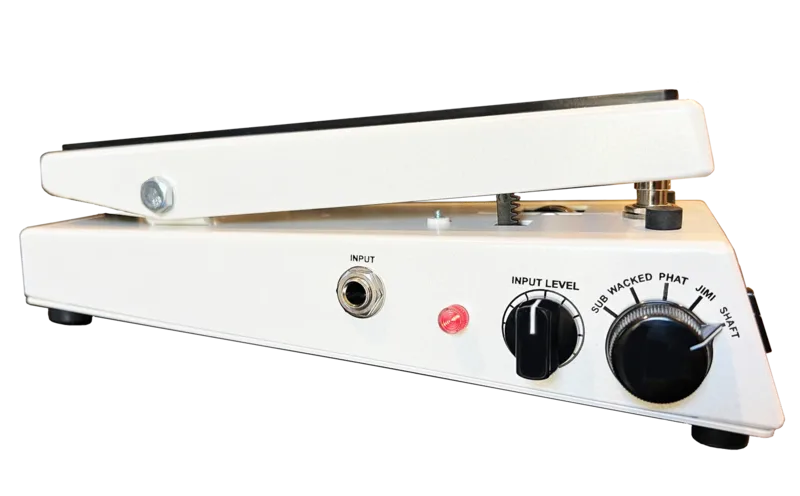
- Fulltone Clyde Deluxe Wah: adds three selectable modes, Wacked, Jimi, and Shaft4
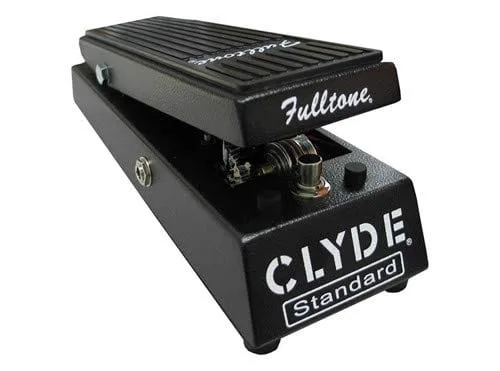
- Fulltone Clyde Standard Wah: the version compared on That Pedal Show's five-classic-wah demo, with an internal resonance control and, in the latest versions, a switchable booster/buffer68
Reviewing the Clyde Deluxe, Delicious Audio noted that "the Clyde Deluxe requires careful attention in the the foot motion department," meaning it rewards deliberate playing technique. Fulltone USA currently lists the Clyde Deluxe for sale on its store, with shipping lead times listed on the product page910.
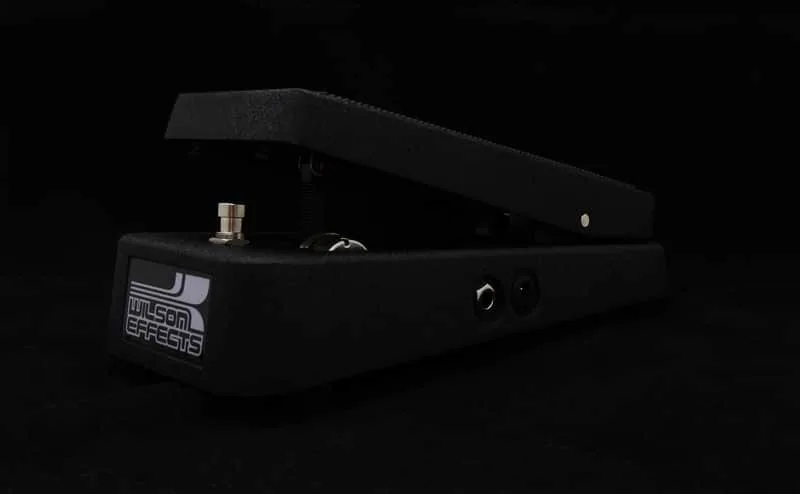
A separate pedal, the Wilson Effects Clyde Signature Wah, was designed next to an original vintage Clyde wah and offers true bypass switching in Black and Brushed Aluminum versions; it is a Wilson Effects product rather than a Fulltone one11.
Videos
Sweetwater
TheToneShack
Marcelo Rangel
Questions
Is the Fulltone Clyde wah true bypass?
Yes. The Clyde uses a true bypass switch, so when the wah is off the signal passes through without the pedal's circuitry in the path. Vintage Guitar listed true bypass among the pedal's features in its 2001 review, and Delicious Audio's buying guide confirms it across the Clyde versions.
Does the Fulltone Clyde work with fuzz pedals?
Yes. Delicious Audio reports that all three Clyde versions use a fuzz-friendly circuit that does not alter the wah's original sound, and MusicRadar notes that the latest versions of the Clyde Standard add a switchable booster/buffer control specifically for fuzz-friendly operation.
Can the Fulltone Clyde run on a battery?
Yes. The Clyde operates on a single 9-volt battery and can also be used with an optional AC adapter, according to Vintage Guitar's review. No adapter is included with the pedal.
Who designed the Fulltone Clyde wah?
The Fulltone Clyde was built by Mike Fuller of Fulltone Custom Effects. Vintage Guitar credited Fuller as the builder in its April 2001 review, which compared the Clyde directly against two original late-1960s Vox Clyde McCoy wahs and a Dunlop Cry Baby.
What does the resonance trim pot on the Fulltone Clyde do?
The internal trim pot is a resonance control that adds gain and expands the frequency response for more lower-mids and bass. At its 6 o'clock position it gives the standard 1960s Vox wah setting, so you can dial in a stock Clyde McCoy voice or a fuller, hotter one.
Sources (11)
- Fulltone Clyde Wah, Vintage Guitar magazine, 2004-01-13
- Review: Dunlop Clyde McCoy Cry Baby Wah Wah, Guitar World, 2014-04-29
- Xotic Wah XW-1 review, Guitar.com, 2016-09-05
- The 7 Best Fuzz Friendly Wah Pedals In 2022, Delicious Audio, 2020-05-29
- Fulltone Clyde Wah, Vintage Guitar magazine, 2001-06-12
- Best wah pedals: Add extra expression to your sound, MusicRadar, 2020-09-20
- 5 REASONS TO WAH, JHS Pedals
- Five Classic Wah-Wah Pedals Compared With Plenty Of Fuzz Face Fun, That Pedal Show, 2019-01-18
- CLYDE Deluxe, Fulltone USA
- CLYDE Deluxe, Fulltone USA
- Clyde Signature Wah, Wilson Effects