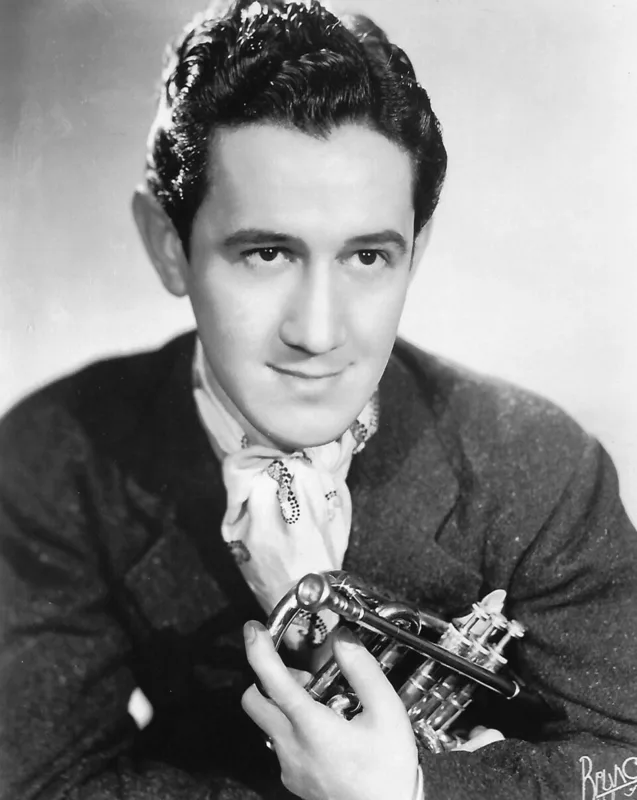
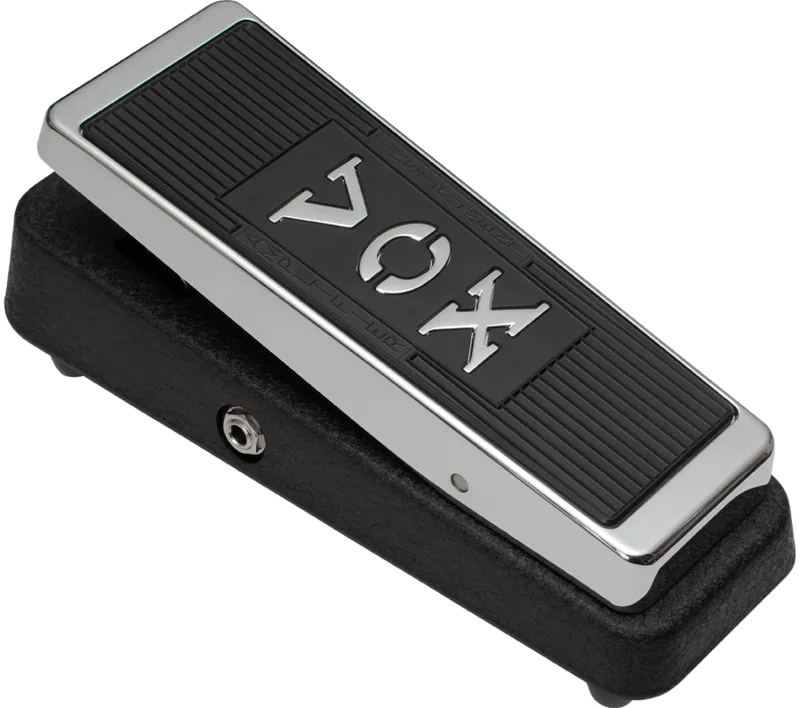
Clyde McCoy was a famous big band trumpet player known for his muting technique1. He was a jazz trumpeter whose 1931 hit Sugar Blues popularized the wah-wah sound, the crying, vocal tone a trumpet makes when a player flutters a mute in the bell of the horn2. By the mid-1960s his name was famous enough that a guitar company wanted it on a new effect, and in 1967 the first wah pedal ever sold to the guitar-playing public carried his name: the Vox Clyde McCoy Wah Wah34.
The odd part of the story, and the reason players still ask about him, is that McCoy had nothing to do with the pedal other than lending his name to it4. He never used a Vox pedal5. He was a trumpet player, not a guitarist, and his place in guitar history rests entirely on an endorsement deal.
Who Clyde McCoy was
McCoy was a famous jazz trumpeter6, a big band player whose identity as a musician was built around the mute. Premier Guitar describes him plainly: "Clyde McCoy was a famous big band trumpet player who was known for his muting technique"1. Guitar World's Nick Wells makes the same point in guitar terms: "Clyde McCoy was a trumpet player, well known for his use of the mute to create wah'd effects"7.
His most lasting musical contribution was the 1931 recording Sugar Blues. GuitarPCB's technical analysis of the Vox wah circuit notes the pedal was "called The Clyde McCoy Wah-Wah model after the famous trumpet player whose 1931 hit Sugar Blues popularized the Wah-Wah sound"2. That record is what tied his name to the word "wah-wah" decades before the pedal existed.
How his name ended up on a Vox wah pedal
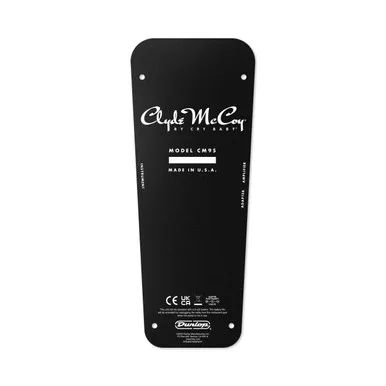
The wah pedal was born inside Vox's amplifier business. RockBoard's PedalPedia entry for the modern Real McCoy reissue explains the lineage: "Introduced by VOX in 1967, the Wah-Wah pedal stemmed from the Midrange Boost feature of a VOX amp design and was initially marketed as a way to emulate Clyde McCoy's trumpet mute technique"8. Vox's own history page tells the same story from the company side: the circuit came out of an amp feature, and the pedal "was released in 1967 with an image of Clyde McCoy on the bottom of the pedal"6.
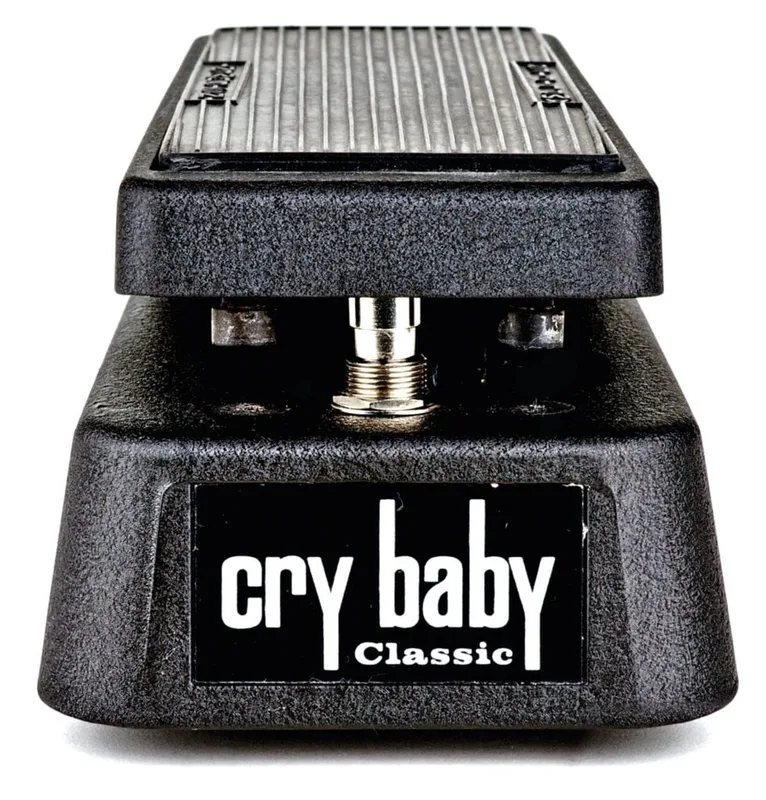
The choice of McCoy as the face of the product was a marketing decision aimed at instruments other than guitar. Vox's history records that the Continental Organ Company, Vox's US distributor, "thought the Wah might work better if marketed for woodwind instruments, which was why Clyde McCoy, a famous jazz trumpeter, was used for the marketing of the new pedal"6. Stompbox Book's history of the Cry Baby adds that company officials initially wanted to market the pedal for keyboards, "until wiser voices chimed in that it should be aimed at guitarists"4.
Then came the phone call. Gearnews' history of the pedal describes it simply: "He gave Clyde a call, asked him if he could use his name on the pedal, and that's about all there is to that connection"9. JHS Pedals' history of the wah gives the figure behind that call: "The suits at Vox called Clyde McCoy and offered him 500 bucks (which translates to roughly $3,500 today) to put his face on the back plate of the pedal, and the first ever production models were called the Clyde McCoy Wah Wah"5. Guitar.com's Huw Price puts the same deal in one line: "Trumpeter Clyde McCoy was subsequently offered $500 to endorse a wah pedal he had never used, and the earliest US-manufactured Vox wah carried McCoy's likeness on the baseplate"10.
"Clyde McCoy, famous for developing the wah wah trumpet technique, lent his name to the very first production wah wah pedals."
The pedal itself was built on familiar hardware. Guitar.com's Simon Bradley notes that "taking the chassis of a volume pedal as a starting point, members of the design team duly obliged and the now-legendary Clyde McCoy Wah was introduced"12. Bradley's review also records one version of the origin, describing the first commercial wah as "a collaboration between Vox and a noted jazz trumpeter named Clyde McCoy, who'd approached the company to produce something that mimicked the tone of a muted brass instrument and could be used with a keyboard"12, though other histories describe McCoy's involvement as limited to the paid endorsement49.
The endorsement in brief
- Vox released the wah pedal in 1967, with McCoy's image on the bottom of the pedal6.
- The US distributor thought the effect would sell better marketed to woodwind players, which is why a trumpeter was chosen6.
- McCoy was offered $500 to endorse the pedal10.
- He had never used the pedal and had no part in its design410.
- The earliest versions carried his likeness on the baseplate; later ones had just his signature13.
What the Clyde McCoy wah pedal does
The pedal named after McCoy is a wah pedal: a foot-operated treadle that sweeps a resonant filter across the instrument's frequency range, producing the vocal "wah" sound. Vintage Guitar's Phil Feser explains what the designers were chasing: "The 'Clyde wah,' you'll recall, was designed to help guitar players sound something like a trumpet player manipulating a mute on their horn"14. Delicious Audio describes the original circuit the same way, noting it "strove to emulate McCoy's ability to make his trumpet cry in a 'wah-wah' sound by fluttering his playing with a mute in the bell of his instrument"15.
Despite the trumpet-inspired marketing, the pedal found its audience among guitarists. Guitar.com's NAMM 2024 coverage of Vox's reissues notes that "initially created to emulate Clyde McCoy's trumpet mute technique, the pedal quickly gained popularity for its use with an electric guitar"16. The Clyde McCoy Wah was the very first wah wah pedal available to the guitar playing public3, and Guitar World's review of Dunlop's later tribute calls it "the very first production wah pedals"17.
The original late-1960s pedals are now among the most sought-after vintage effects. Vintage Guitar's review of the Fulltone Clyde describes them: "The original Vox Clyde McCoy wah pedals of the late 1960s are high on the list of soughtafter vintage effects"18. Collectors distinguish two versions: the "picture" wah, with Clyde's picture on the bottom, and the "signature" wah, with no picture and Clyde's name in italics18. Analog Man's wah authority Geoffrey Teese, asked in an interview what the finest stock pedal is, answered: "The old Clyde McCoy"19.
The name's afterlife in modern pedals
McCoy's name has outlived the original pedal by decades, reappearing on a series of tributes and reissues from several makers.
| Pedal | Maker | Relationship to the original |
|---|---|---|
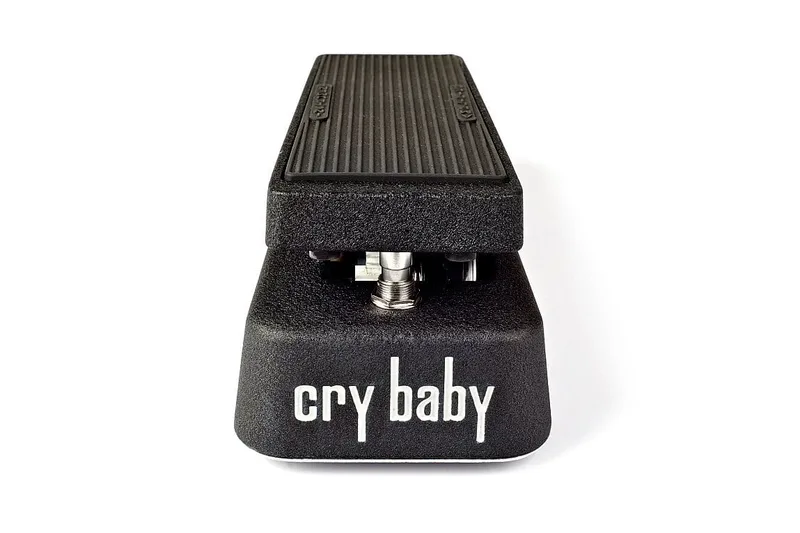
| Clyde McCoy Cry Baby Wah (CM95) | Dunlop | Tribute to the first production wah, built with inherited original tooling20 |
| Clyde McCoy Cry Baby Wah Wah | Dunlop | Duplicates the original Cry Baby sound with modern features17 |
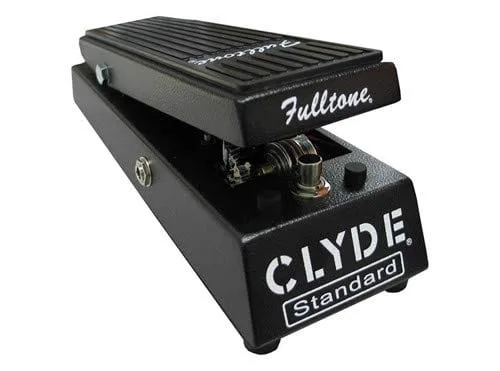
| Clyde Wah | Fulltone | Unofficial reissue of the Clyde McCoy18 |
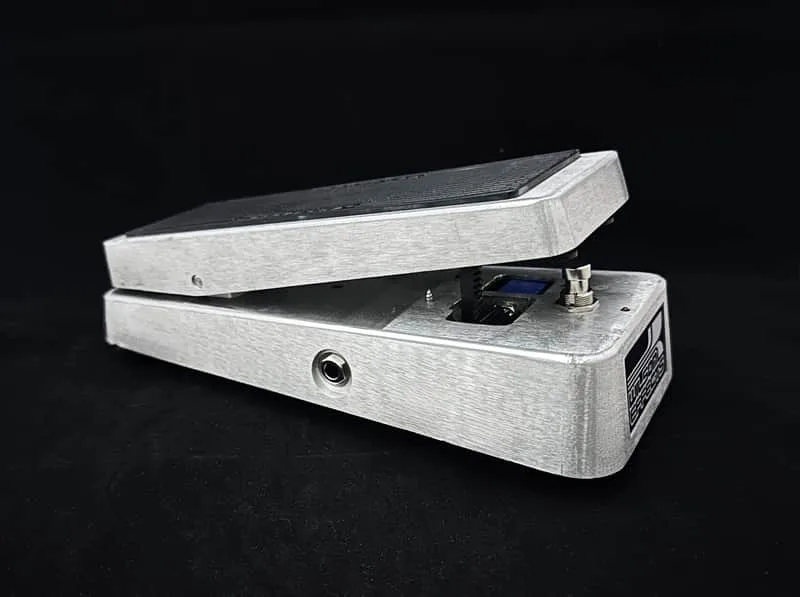
| Clyde Signature Wah | Wilson Effects | An ode to the vintage Clyde McCoy Signature Wah21 |
| Vintage Wah | R2R Electric | Faithful reproduction of the classic Clyde McCoy wahs of the late 1960s22 |
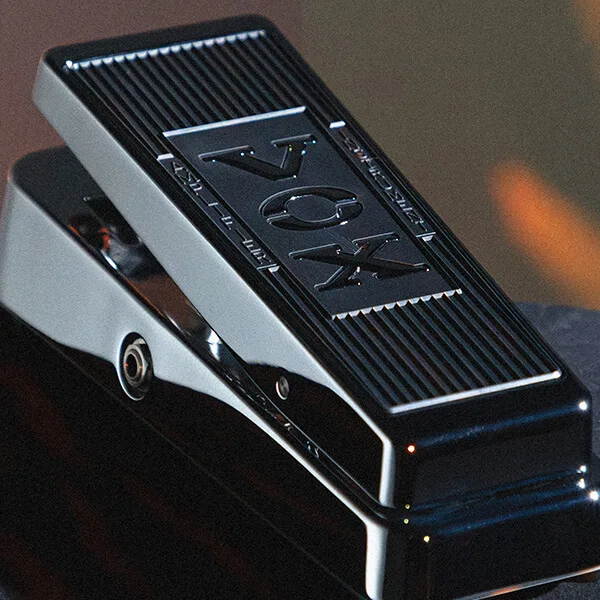
| Real McCoy Wah Limited | Vox | Stems from the 1967 design58 |
| Standard Wah | Castledine Electronics | Updated version of the 1967 Vox Clyde McCoy circuit23 |
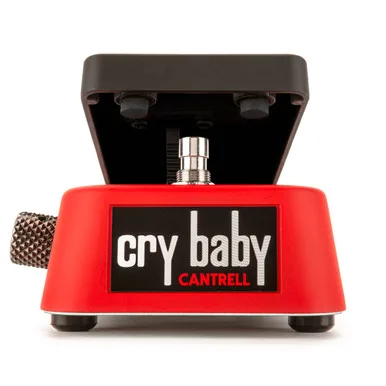
Dunlop's connection is the most direct. The company's product page states: "Years ago, we inherited the original tooling and machinery used to design and manufacture the first Clyde McCoy pedals from the Thomas Organ Company and Jen Electronica"20. The CM95 manual calls the pedal "a tribute to the first production wah wah ever made"11, and the product page describes it as capturing "the throaty, expressive sound of the original wah pedal, featuring a Halo Inductor and thru-hole components with a premium pot, switch, and jacks"20. Operation follows the classic wah pattern: "Push the toe of the pedal down until you feel a 'click' to turn the pedal on/off"11. Dunlop's history of the Cry Baby line says the Clyde McCoy tribute "synthesizes more than 30 years of Cry Baby engineering to bring modern quality and reliability to the classic Halo inductor sound of the coveted original"24, and later units added an AC jack for pedalboard convenience3.
Guitar World's review of the Dunlop Clyde McCoy Cry Baby Wah Wah found the company had gone deep to get the sound right, noting the pedal "resurrects this esteemed pedal by duplicating the original Cry Baby sound to the nth degree, while improving the design with modern features and performance"17.
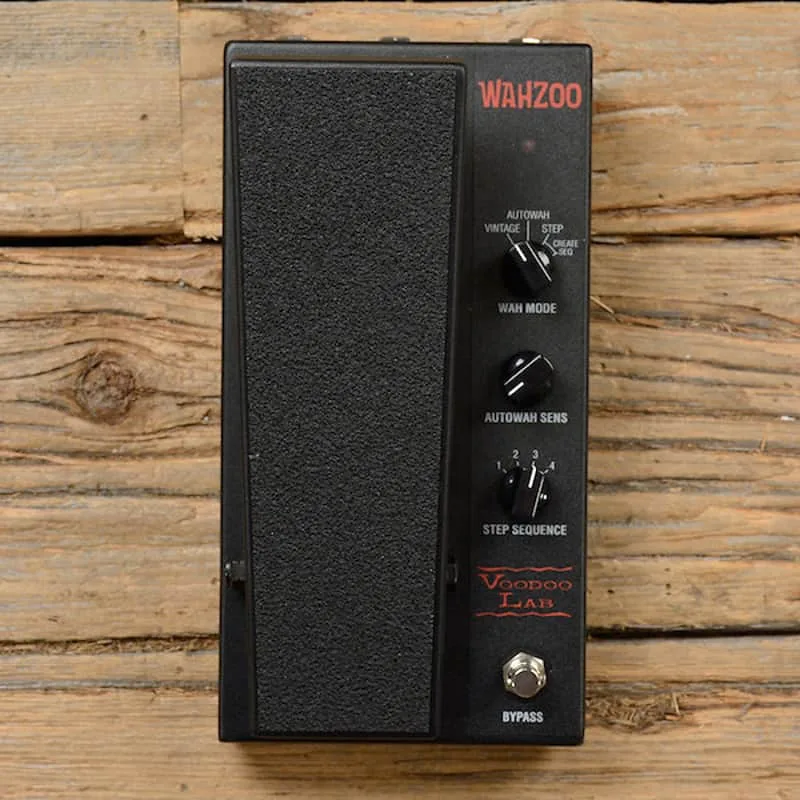
The wider wah market still measures itself against the 1967 original. MusicPlayers' review of the Voodoo Lab Wahzoo calls the Clyde McCoy "the original holy-grail of wah pedals" to which all wah pedals owe their existence25, and Gearnews' buying guide notes that "the earliest models were marketed under the Clyde McCoy name before morphing into the designs we know today, like the Cry Baby"26. MusicRadar's Cry Baby documentary coverage lists the wah among effects "evolved by Thomas Organ, Vox and Clyde McCoy"27.
Why the story sticks
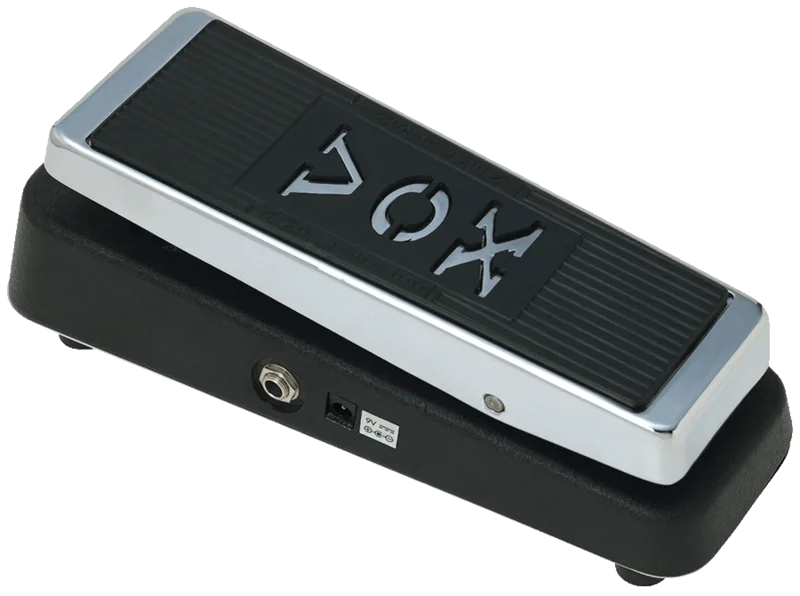
Part of what keeps the Clyde McCoy story alive among players is exactly how strange it is. JHS Pedals' history of the wah makes the point directly: "The Vox Clyde McCoy Wah Wah is technically the first ever signature guitar pedal ever made, which is bonkers since Clyde McCoy never used a Vox pedal"5. Josh of JHS puts it another way in the same series: "the first Vox Wah pedals were named after trumpet player Clyde McCoy, though a guitar pedal named after a trumpet player is admittedly a little weird"28.
So the answer to the question most players arrive with is a simple one. McCoy was a trumpeter, paid $500 for an endorsement of a pedal he never played10. His muting technique gave the effect its name and its original marketing pitch814, and his face and signature on the baseplate of the earliest units13 are now marks that collectors use to identify the first wah pedals ever made3. Everything else about the wah's development belongs to Vox, the Thomas Organ Company, and the guitarists who picked the pedal up after him.
Questions
Did Clyde McCoy play guitar?
No. Clyde McCoy was a big band and jazz trumpet player, famous for his muting technique and his 1931 hit Sugar Blues, which popularized the wah-wah sound on trumpet. He was not a guitarist and had no hand in designing the pedal that carried his name. His connection to guitar gear is purely through the endorsement deal that put his name on the first Vox wah pedal.
Why is the Clyde McCoy wah named after a trumpet player?
When Vox released the wah in 1967, the company's US distributor thought the effect might sell better aimed at players of wind instruments, since the pedal's sweeping filter mimicked a muted trumpet. Clyde McCoy was a famous jazz trumpeter known for exactly that sound, so his name and likeness were used to market the pedal. He was paid $500 for the endorsement and had nothing to do with the pedal beyond lending his name.
What does a Clyde McCoy wah pedal do?
It is a wah pedal: a foot-treadle sweeps a resonant filter across the guitar's frequency range, producing the vocal
Did Clyde McCoy ever use a wah pedal himself?
No. Clyde McCoy never used a Vox wah pedal. He was a trumpet player who was paid $500 to endorse a guitar effect he had never used, making the Clyde McCoy Wah Wah technically the first signature guitar pedal ever made. His only contributions were his name, his signature, and on the earliest units, his picture on the baseplate.
Sources (28)
- Voodoo Lab Wahzoo Review, Premier Guitar, 2009-01-15
- Vox V847 Wah-Wah Analysis, GuitarPCB, 1931
- Evolution of the Cry Baby Wah at Dunlop, Dunlop (lifestyle.jimdunlop.com), 2017-04-27
- Vox Cry Baby, stompboxbook.com, 2019-04-27
- HISTORY OF THE WAH PEDAL, JHS Pedals
- The VOX Amps Wah Wah Pedal Story, Vox Amps (voxamps.com), 1967
- Dunlop Cry Baby Bass Wah: the most recognizable effects pedal ever made?, Guitar World, 2023-04-05
- Real McCoy Wah Limited VXVRM1LTD by VOX, RockBoard PedalPedia, 2026
- The VOX Clyde McCoy Wah: A classic wah pedal and its history, Gearnews, 2021-02-20
- All About… Wah, Guitar.com, 2015-11-30
- CM95 Clyde McCoy Cry Baby Wah Wah Manual, Jim Dunlop (www.jimdunlop.com), 2021
- Xotic Wah XW-1 review, Guitar.com, 2016-09-05
- Cry, Baby!, Vintage Guitar magazine, 2015-12-09
- Arteffect Bonnie Wah, Vintage Guitar magazine, 2010-05-12
- Pedal Review: The Fulltone Clyde Deluxe, Delicious Audio, 2014-07-10
- NAMM 2024: Vox unveils recreations of first-ever wah pedals that are built “as they were”, Guitar.com, 2024-01-23
- Review: Dunlop Clyde McCoy Cry Baby Wah Wah, Guitar World, 2014-04-29
- Fulltone Clyde Wah, Vintage Guitar magazine, 2001-06-12
- Wah Wah Pedal article, Analog Man Vintage guitar effects (analogman.com), 2015
- CLYDE MCCOY® CRY BABY® WAH, Dunlop (www.jimdunlop.com)
- Clyde Signature Wah, Wilson Effects
- Vintage Wah, R2R Electric
- Castledine Electronics Wah Wah Pedals, Castledine Electronics (www.wah-wah.co.uk), 2021
- Celebrating Fifty Years of Cry Baby, Dunlop (lifestyle.jimdunlop.com), 2017-03-14
- Voodoo Lab Wahzoo, MusicPlayers.com, 2010-05-10
- The Best Wah Wah Pedals for Iconic Guitar Tones: Cry Baby and Beyond, gearnews.com, 2025-08-18
- Cry Baby: The Pedal That Rocks The World, MusicRadar, 2010-11-29
- 5 REASONS TO WAH, JHS Pedals