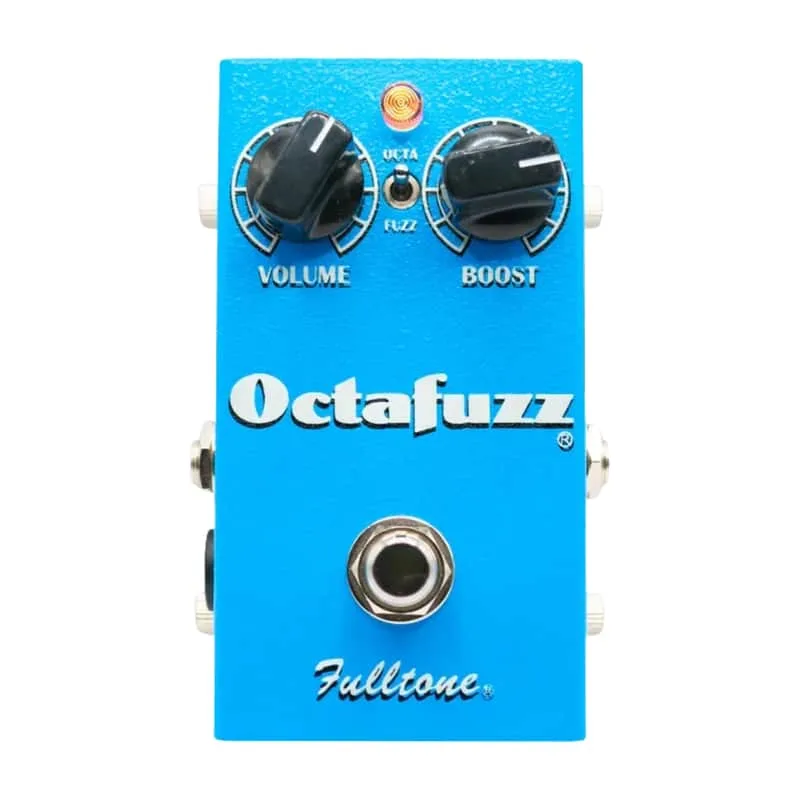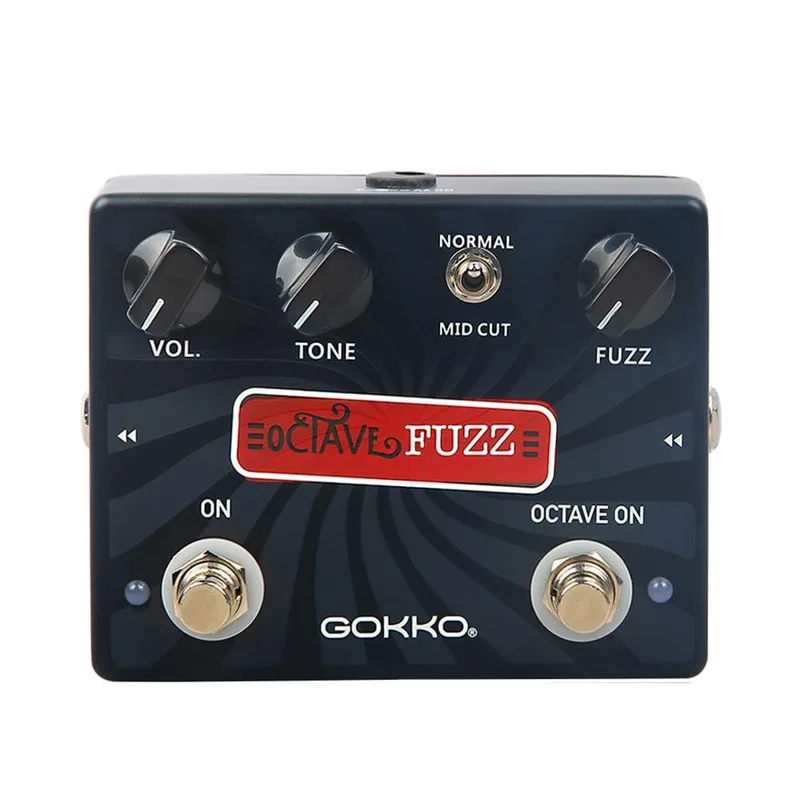


The GOKKO Octave Fuzz, model GK-31, is an octave fuzz guitar pedal from GOKKO. It does two things at once: a main fuzz circuit you switch on with the ON switch, and an octave-up fuzz you bring in with a separate OCTAVE ON footswitch. GOKKO pitches it simply: "Take your tone an octave up and add some fuzz too!"1
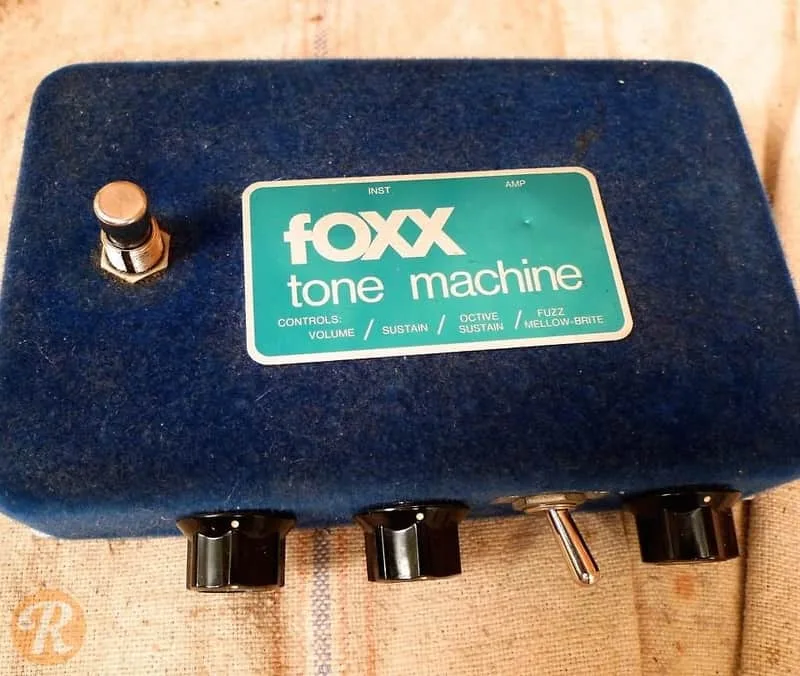
The pedal is built around a familiar idea in fuzz. Octave fuzz as a circuit type dates back to the late sixties, starting with the Octavia Fuzz, and the GK-31 follows the same family of designs that includes the Blue Octavia, the Super Fuzz and the Foxx Tone Machine2. What sets this pedal apart at the control panel is a mid-cut switch, which GOKKO says "gives you control over your tone"1.
Controls and switching
The GK-31 splits its controls between knobs for the main fuzz and switches for the two sounds. GOKKO's product page describes each one1:
| Control | What it does |
|---|---|
| FUZZ | Knob controls intensity of main fuzz |
| TONE | Knob shapes overall EQ of main fuzz |
| NORMAL SWITCH | Controls volume of fuzz |
| MID CUT SWITCH | Gives you control over your tone |
| ON | Switch activates main fuzz |
| OCTAVE ON | Footswitch activates octave-up fuzz |
The layout means the two effects are addressed separately. The main fuzz is always the foundation: FUZZ sets how hard it drives, TONE sets its EQ, and NORMAL SWITCH sets its level. The octave-up fuzz is layered on top with its own footswitch, and the mid-cut switch scoops the midrange out of the picture when you want a darker, more scooped voice1.
Using the fuzz without the octave
Yes, you can. Because the ON switch and the OCTAVE ON footswitch are separate, the GK-31 runs as a plain fuzz with the octave switched off, and the octave-up fuzz comes in only when you step on OCTAVE ON1. That is a common arrangement in octave fuzzes. The Freekish Blues Chubb Up! Octave Fuzz is "an octave up fuzz that is switchable to just have the fuzz on by itself"3, and the fOXX Tone Machine's mode switch goes from standard fuzz to octave-up fuzz the same way. Other pedals blend instead: the All-Pedal Love Machine Octave Fuzz has "an Octave knob that blends a wonderful octave up effect in with your fuzz tone"4, so the two sounds ride one knob rather than two switches.
How the octave-up sound is made
An octave fuzz does not pitch-shift in the way a digital octaver does. The fuzz circuit clips the waveform and folds it over onto itself, and in doing so generates harmonics an octave above what you played. JHS Pedals explains it in a buying guide:
"The octave fuzz essentially takes that waveform, folds it over itself, and touches it to itself again, and in doing so it creates an octave that sounds like it's 12 frets above where you're playing on the guitar."
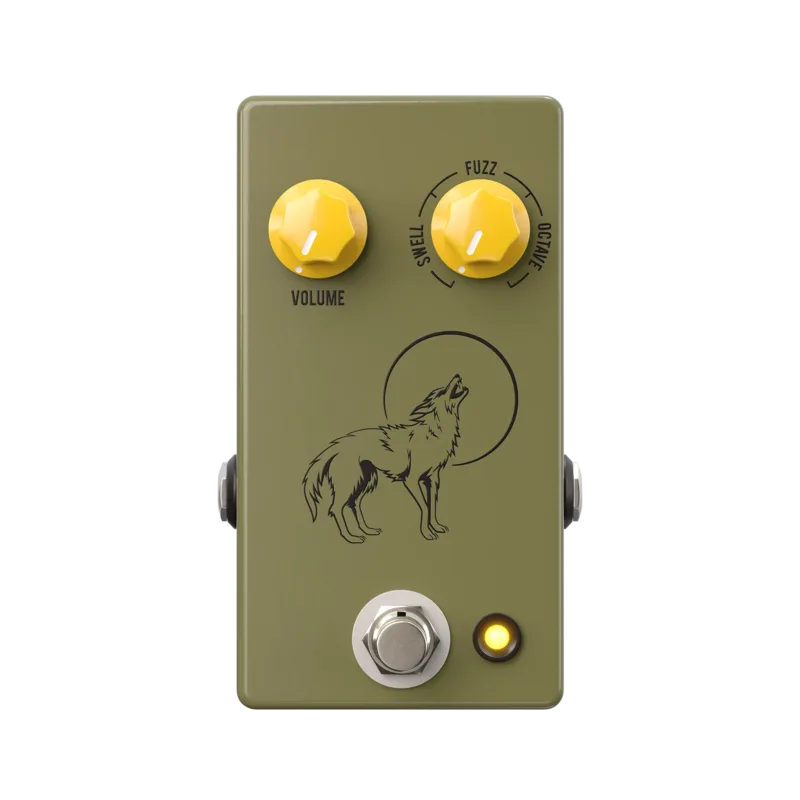
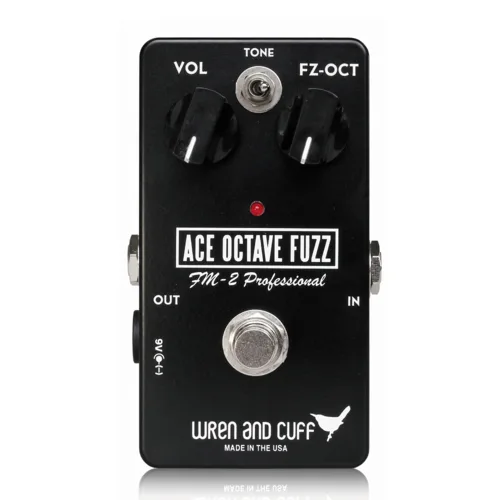
That folded waveform is why octave fuzzes behave the way they do. The octave is strongest and clearest higher up the neck: Wren and Cuff describes its Ace Octave Fuzz as "a bold, rich, fuzz with a very clear octave-up, especially once the player goes beyond the 12th fret"5. Lower on the neck the octave gets less defined, and the effect can be unpredictable, which Behringer acknowledges for its own OCTAVIA OCTAVE FUZZ, a pedal with "its distinct and sometimes unpredictable octave up sound"6. Some makers lean into the character of the circuit rather than fight it: the JHS Coyote uses intentionally uneven clipping to emphasize the second harmonic, the octave-up one, when its control is turned fully clockwise7.
Power and current draw
GOKKO lists the current consumption of the GK-31 as 80mA1. That figure is worth noting next to other octave fuzzes on the market, because it is much higher than most:
| Pedal | Current draw |
|---|---|
| GOKKO Octave Fuzz GK-31 | 80mA1 |
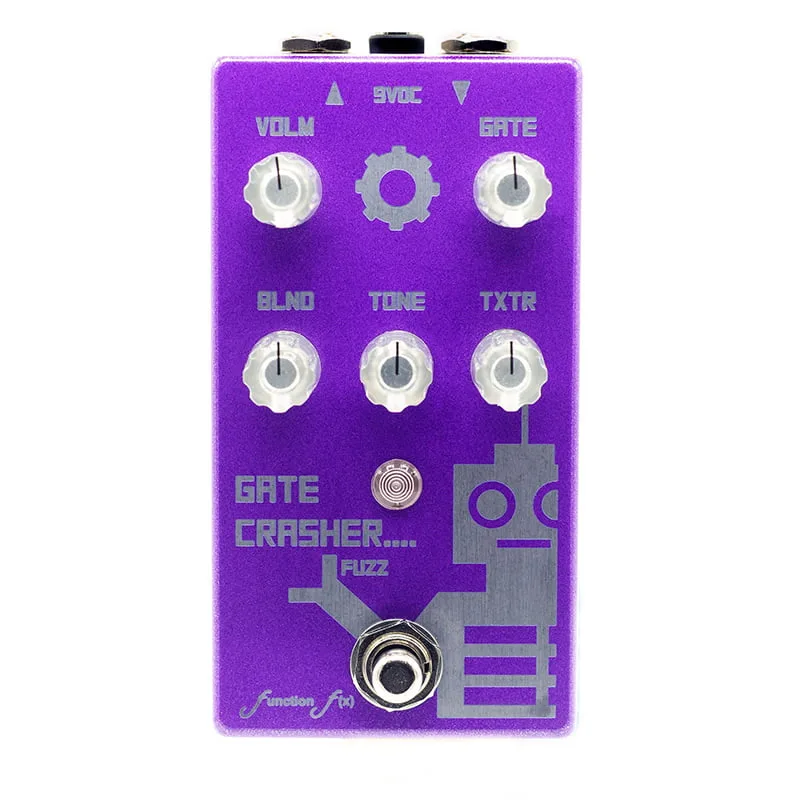
| Function f(x) Gate Crasher Octave Fuzz | ~15mA, 10mA when bypassed8 |
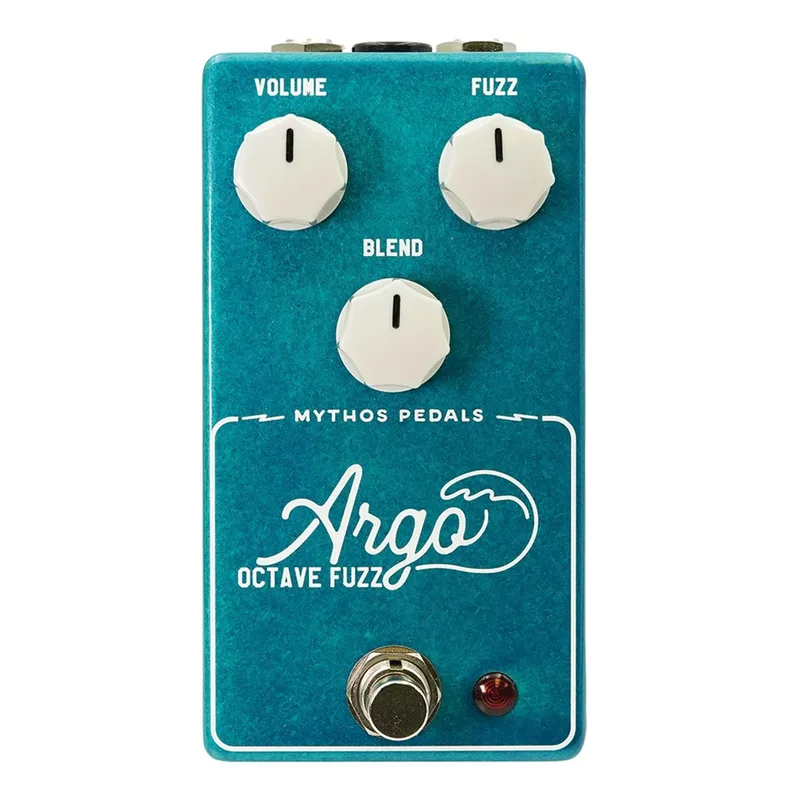
| Mythos Argo Octave Fuzz | Approx. 10mA9 |
| Wren and Cuff Ace Octave Fuzz | 5mA5 |
For a player building a pedalboard, 80mA is a real draw for a fuzz pedal, closer to what a digital pedal asks for than what a simple analog fuzz circuit typically needs. If you run several pedals off one power supply, the GK-31's draw counts toward the supply's total budget. For comparison, the Wilson Effects Octave Fuzz runs on a 9VDC 2.1mm center-negative power supply101, and the SM Octave Fuzz reviewed on Guitar.com can be powered by a battery or a standard center-negative 9v supply11.
Where the GK-31 sits among octave fuzzes
The GK-31's control set, a fuzz with a tone knob, a volume control, a mid-cut switch and a separate octave-up footswitch, closely mirrors the JOYO JF-12 Voodoo Octave, whose maker describes it the same way: "Take your tone an octave up and add some fuzz too! A mid-cut switch gives you control over your tone"121. Players comparing octave fuzzes will find the field splits into a few approaches:
- Switchable octave fuzzes, like the GK-31, the Joyo JF-12 Voodoo Octave and the Freekish Blues Chubb Up! Octave Fuzz, where the octave is its own switch1123
- Blend-style pedals, like the All-Pedal Love Machine Octave Fuzz, where a knob mixes the octave into the fuzz4
- Multi-voice pedals, like the MXR Slash Octave Fuzz, which combines a fuzz tone with a separate sub-octave voice and an octave-up fuzz13
The GK-31 sits in the first group: a straightforward octave-up fuzz with the octave on its own footswitch, a mid-cut for tone shaping, and a true bypass signal path when it is off1.
Videos
GOKKO AUDIO
GOKKO AUDIO
GOKKO AUDIO
Questions
Is the GOKKO GK-31 true bypass?
Yes. GOKKO states the GK-31 uses a true bypass design, which the maker says minimizes tone loss when the pedal is switched off. True bypass means the signal passes straight from input to output without going through the pedal's circuitry in bypass mode.
How much current does the GOKKO Octave Fuzz draw?
GOKKO lists the current consumption of the GK-31 as 80mA. That is high for a simple fuzz pedal: comparable octave fuzzes from Wren and Cuff and Mythos Pedals draw 5mA and about 10mA respectively, so plan power supply headroom accordingly.
Can I use the fuzz without the octave on the GOKKO GK-31?
Yes. The GK-31 has separate switching for the two sounds. The ON switch activates the main fuzz, and the OCTAVE ON footswitch activates the octave-up fuzz on top of it, so you can run the plain fuzz alone and bring the octave in when you want it.
How does an octave fuzz create the octave-up sound?
The fuzz circuit clips and folds the guitar's waveform over onto itself, which generates strong even-order harmonics, especially the second harmonic an octave above the note you play. The result is a note that sounds like it is 12 frets higher, a sound JHS Pedals describes as super violent and totally unique among fuzz effects.
Sources (13)
- Octave Fuzz, GOKKO AUDIO
- HOW TO FIND THE FUZZ YOU NEED, JHS Pedals
- Davy Knowles Chubb Up! Octave Fuzz by Freekish Blues, Premier Guitar, 2010-11-03
- All-Pedal Love Machine Octave Fuzz, Pedal of the Day, 2022-03-30
- Ace Octave Fuzz, Wren and Cuff
- OCTAVIA OCTAVE FUZZ, Behringer
- JHS Coyote Octave Fuzz: Rare Circuit Reimagined, gearnews.com, 2026-03-31
- Function F(x) Gate Crasher Octave Fuzz, Delicious Audio, 2018-09-25
- Argo Octave Fuzz, Mythos Pedals
- Octave Fuzz, Wilson Effects
- SM Octave Fuzz review: Hendrix in a box and much more besides, Guitar.com, 2022-04-12
- JF-12 Voodoo Octave by JOYO, RockBoard PedalPedia, 2026
- MXR® SLASH OCTAVE FUZZ, Dunlop (jimdunlop.com)