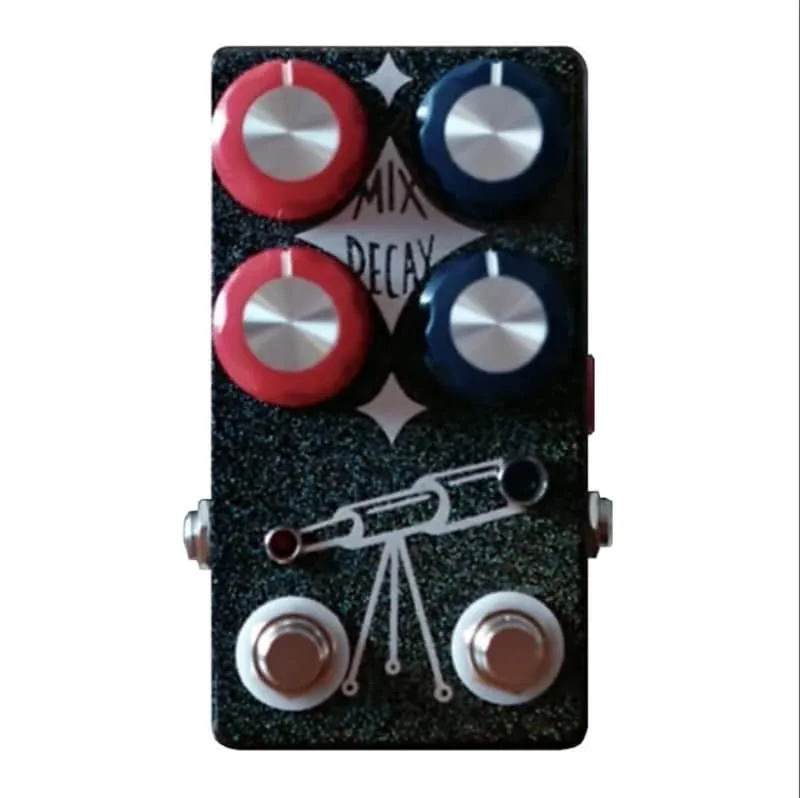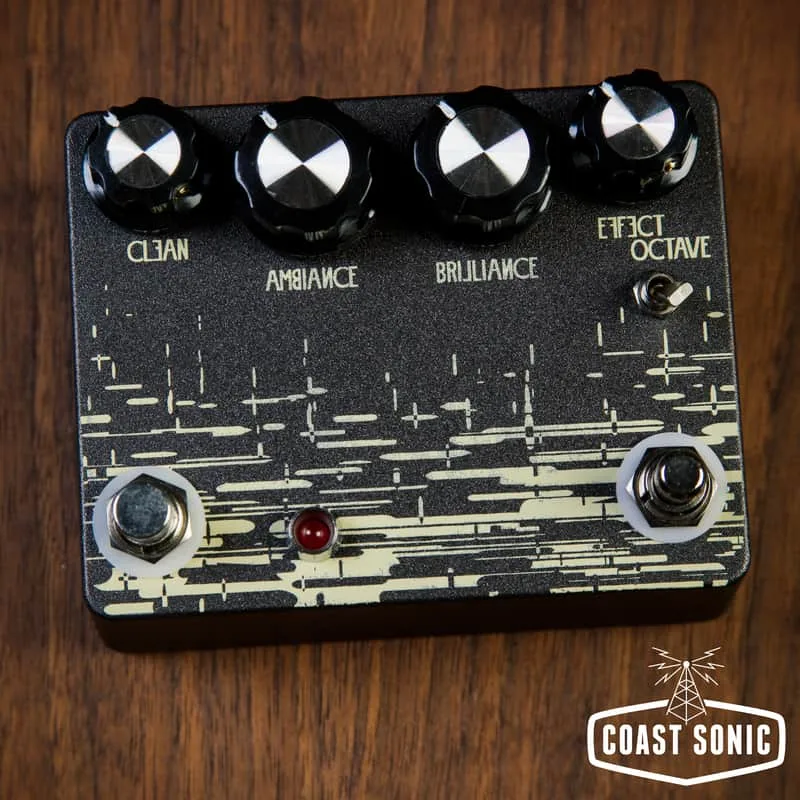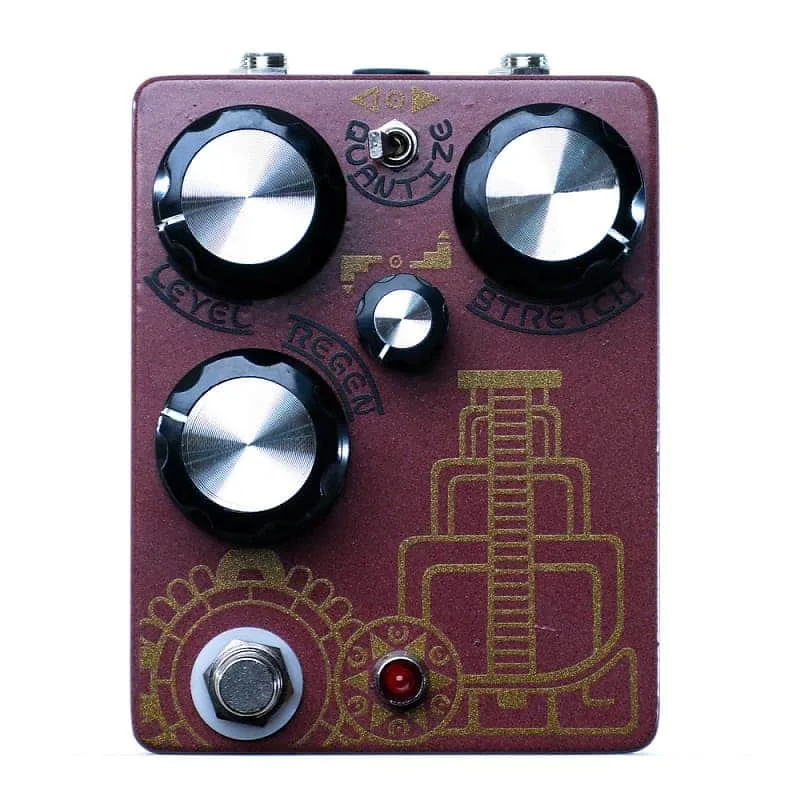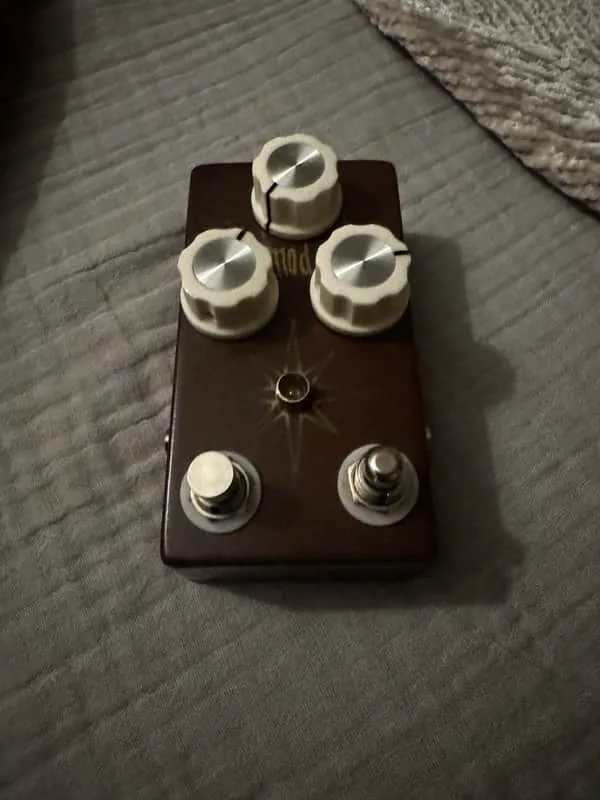



The Hungry Robot Starlite is a reverb pedal from Iowa-based Hungry Robot, and its maker calls it "the world's 1st modulated reverb with tap tempo controlled rate"1. In plain terms, it is a reverb whose modulation depth and character you shape with knobs, but whose modulation speed you set by tapping a footswitch in time with your playing. Premier Guitar described it simply as "a modulated-reverb stomp with a twist: tap tempo"2.
The Starlite is an offshoot of the company's Stargazer reverb. Hungry Robot says it carries over "an atmospheric, present reverb with the same self-oscillation capabilities," with the addition of thick, pulsating modulation1. Delicious Audio, writing about hybrid reverbs, characterized it as "a warm, stereo reverb with modulation based on an (analog) BBD chip," noting it can also deliver rich multi-tap chorus and winding vibrato sounds3. The pedal is now sold direct-only and built one-by-one as orders come in, as part of a line of reissued, previously discontinued Hungry Robot models1.
A modulated reverb with tap tempo
The idea behind the pedal is straightforward: modulation in a reverb usually drifts at whatever speed the circuit happens to run at, and the Starlite lets you pin that speed to your own tempo. As Hungry Robot puts it, "the tap tempo feature allows you to accurately synchronize your reverb to the tempo you are playing as well as the other" time-based effects on your board1. That makes the pulsing of the reverb line up with a delay or tremolo rather than fight it.
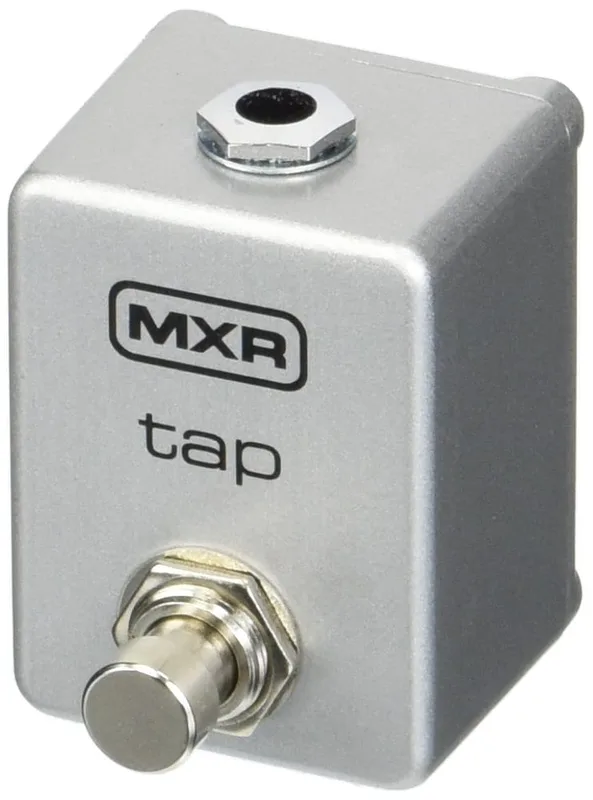
The pedal also has an input for an external tap tempo switch, which Premier Guitar called "essential for crowded pedalboards"2. If the Starlite sits several pedals deep, you can tap your tempo from a remote switch placed anywhere on the board instead of stretching for the pedal itself.
The controls
The Starlite's front panel keeps things compact. Premier Guitar notes that "the Starlite features controls for mix, mod, and decay"2, and the maker adds a ramp-up/ramp-down knob for added control of the modulation1.
| Control | What it does |
|---|---|
| Mix | Sets the balance of wet reverb against dry signal2 |
| Mod | Sets the modulation depth2 |
| Decay | Sets how long the reverb tail lasts2 |
| Ramp | A ramp-up/ramp-down knob for added control of the modulation (Version 2)1 |
The current build is Version 2, which Hungry Robot says "incorporates a fully redesigned LFO section with smoother modulation and quieter operation as well as the addition of a ramp-up/ramp-down knob"1. The LFO is the low-frequency oscillator that drives the modulation, so the redesign speaks directly to how smooth and quiet the pulsing sounds.
How it differs from the Stargazer
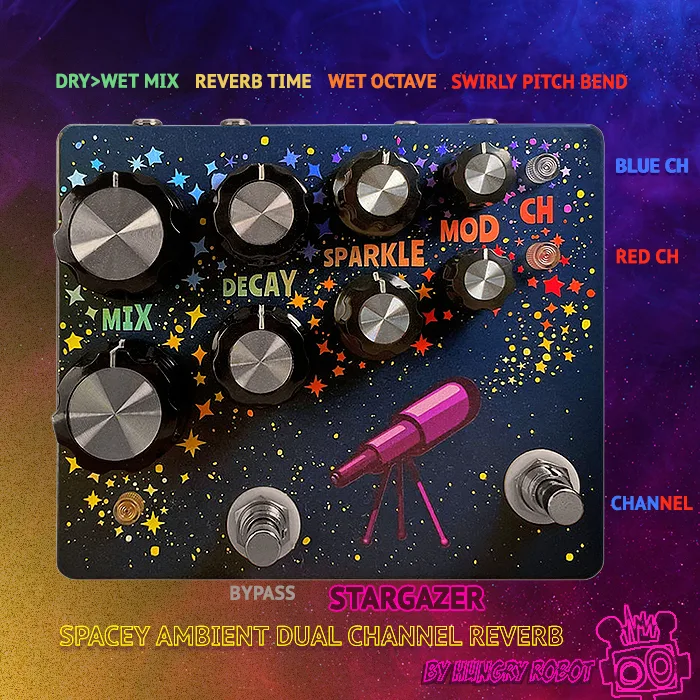
The Starlite grew out of the Stargazer, but the two pedals have gone in different directions. The current Stargazer, released in July 2026, is a dual-channel ambient reverb that, in Delicious Audio's words, "takes the bones of the 2014 original and gives it a serious update," adding stereo processing, trails, wet/dry mix, Sparkle and Mod controls, and per-channel drive and EQ4. A Stargazer Stereo Edition followed the same month.
The Starlite, by contrast, is a single-voiced reverb focused on tempo-locked modulation. Where the Stargazer spreads its ambition across two channels, the Starlite concentrates on one thing: a reverb that pulses in time with you21.
What reviewers said
Premier Guitar reviewed the Starlite in September 2026, testing it with a Fender Stratocaster through a Fender Deluxe Reverb2. The verdict was largely positive, with a few caveats.
"If soundscapes are your bag and you want a responsive, tempo-based reverb, Starlite may answer your atmospheric dreams."
On the plus side, the reviewer found "wonderfully rich and ambient tones" and listed the external tap-tempo jack as a pro2. The mix control drew the most attention: the reviewer called it "most intriguing" and described going "from strumming a few Andy Summers riffs with hints o[f chorus-filled reverb]" through to self-oscillating reverb2. That range, from a subtle chorus-tinged wash to a reverb that blooms into self-oscillation, is the heart of what the pedal does.
The main criticism was noise: the review lists "A bit noisy" among its cons, and the reviewer elaborated that "there's a fair amount of LFO noise at higher mod settings, though I was able to control it with a tempered touch"2. In practice, that means pushing the Mod knob hard brings audible LFO noise with it, and dialing the depth back keeps things clean.
Videos
Eirik Stordrange
Eirik Stordrange
gearmanndude
Questions
Is the Hungry Robot Starlite analog or digital?
Delicious Audio describes the Starlite as a warm, stereo reverb whose modulation is based on an analog BBD chip. Because the modulation runs through a bucket-brigade device, the pedal can also produce rich multi-tap chorus and winding vibrato sounds alongside its reverb.
Does the Starlite have an external tap tempo jack?
Yes. Premier Guitar's review lists the external tap-tempo jack as a pro and calls it essential for crowded pedalboards. It lets you set the modulation rate with a remote switch instead of reaching for the pedal mid-song.
How is the Starlite different from the Stargazer?
The Starlite is an offshoot of the Stargazer reverb, keeping its atmospheric, present reverb and self-oscillation capabilities while adding thick, pulsating modulation with tap tempo. The current Stargazer is a dual-channel ambient reverb with stereo processing, trails, wet/dry mix, Sparkle and Mod controls, and per-channel drive and EQ.
Where can you buy the Hungry Robot Starlite?
The Starlite is direct-only, sold through Hungry Robot and built one-by-one as orders come in. It is part of the company's Classics line of reissued, previously discontinued pedals, so it is not stocked by general retailers.
Sources (4)
- The Starlite, Hungry Robot Pedals
- Quick Hit: Hungry Robot Starlite Review, Premier Guitar, 2015-08-09
- The Best Reverb Pedals With Modulation Or Fuzz/Distortion In 2023, Delicious Audio, 2023-01-30
- New Pedal: Hungry Robot The Stargazer Dual Ambient Reverb, Delicious Audio, 2026-07-17