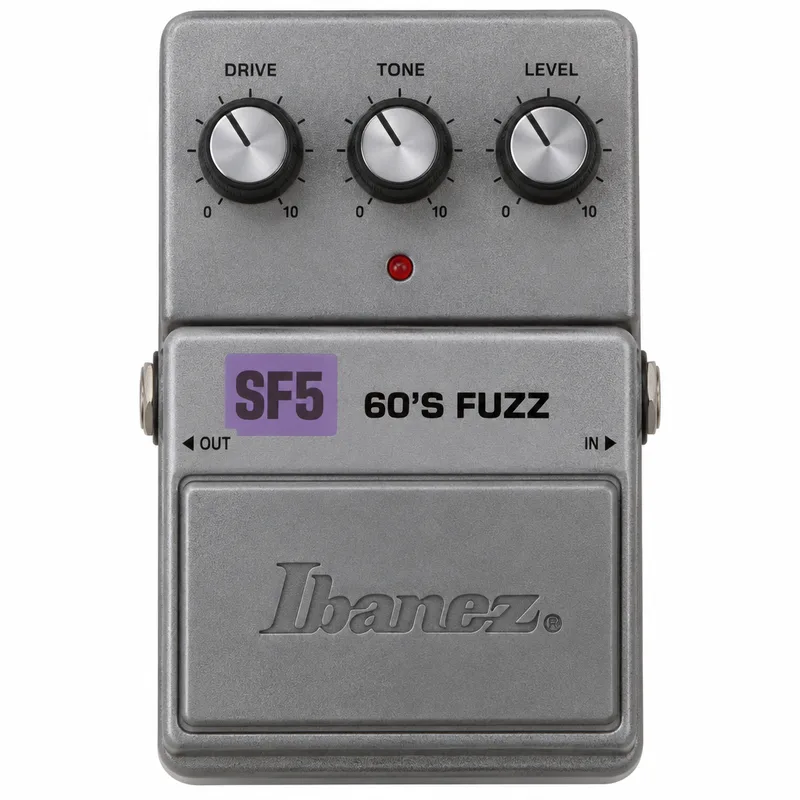


The Ibanez SF5 60's Fuzz is a fuzz pedal from the Japanese maker's Soundtank line, produced around 1989 to 1990 in a metal case and reissued from 1992 to 1998 in plastic. TONEHOME describes it as "just a kind of Big Muff in disguise with a different tone circuit giving it more mids," and rates availability today as rare12.
The circuit behind it
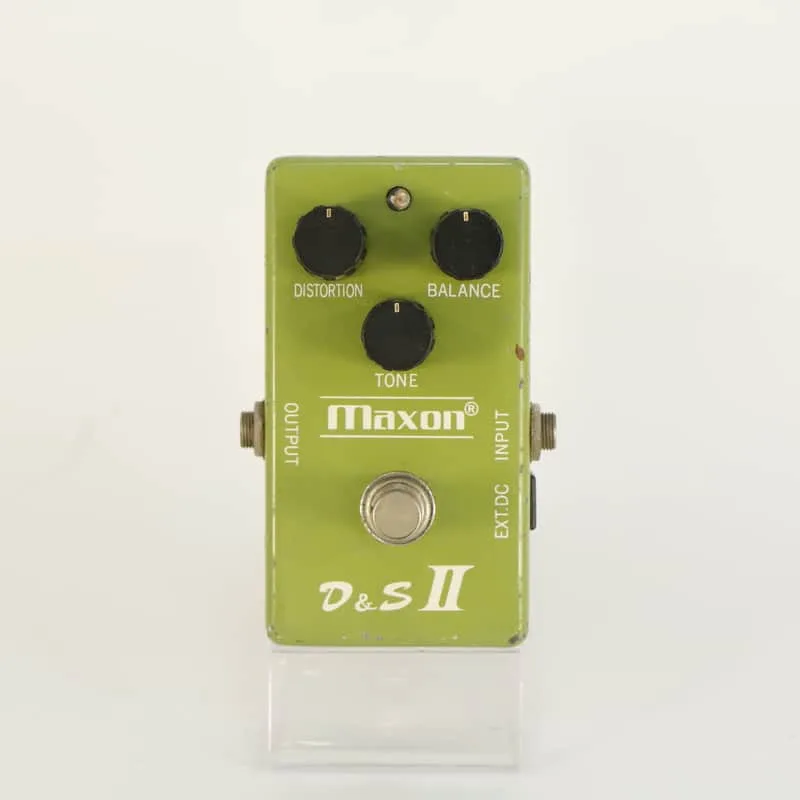
The SF5's distortion section is close to the first edition Maxon D&S, and Kit Rae's history of Big Muff clones says it "sounds nearly identical" to that circuit. He places the pedal's overall lineage "somewhere between a Colorsound Jumbo Tone Bender, a BMP and an Ibanez OD-850," where BMP is the Big Muff Pi21. TONEHOME's account agrees on the Big Muff connection while pointing to the modified tone circuit as what sets the SF5 apart, adding mids that a standard Big Muff style design leaves out1.
On how that works in practice, TONEHOME's verdict is that "it could do with slightly more output but the added mids make it very usable with an already crunching amp"1. In other words, the mid push helps the fuzz sit with a driven amp rather than fighting it.
The Soundtank line and the FETT bypass
The SF5 belongs to Ibanez's Soundtank economy line. Kit Rae describes these as "housed in cheap plastic, beetle shaped enclosures, although the circuits were man"2, meaning the circuits themselves were taken seriously even though the enclosures were not. The pedal includes a FETT electronic bypass circuit and buffer with a momentary switch, similar to the OD-850 third edition and OD-801 third edition2.
Versions
| Version | Years | Enclosure | Collectibility |
|---|---|---|---|
| Original | 1989 to 1990 | Metal case | High1 |
| Reissue | 1992 to 1998 | Plastic case | 1 |
TONEHOME dates the metal case production as 1989 to 1990 in one place and 1989 to 1991 in another1. Kit Rae dates the pedal more broadly as circa 1990 to 1999 with two versions2.
The poor man's OD-850
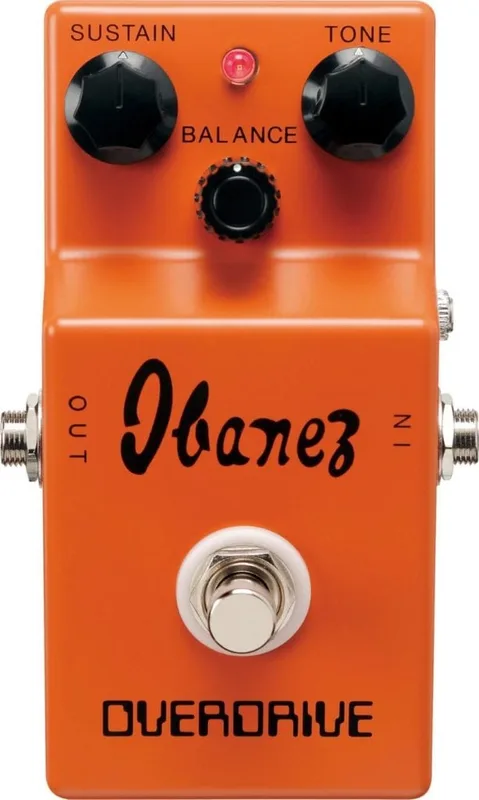
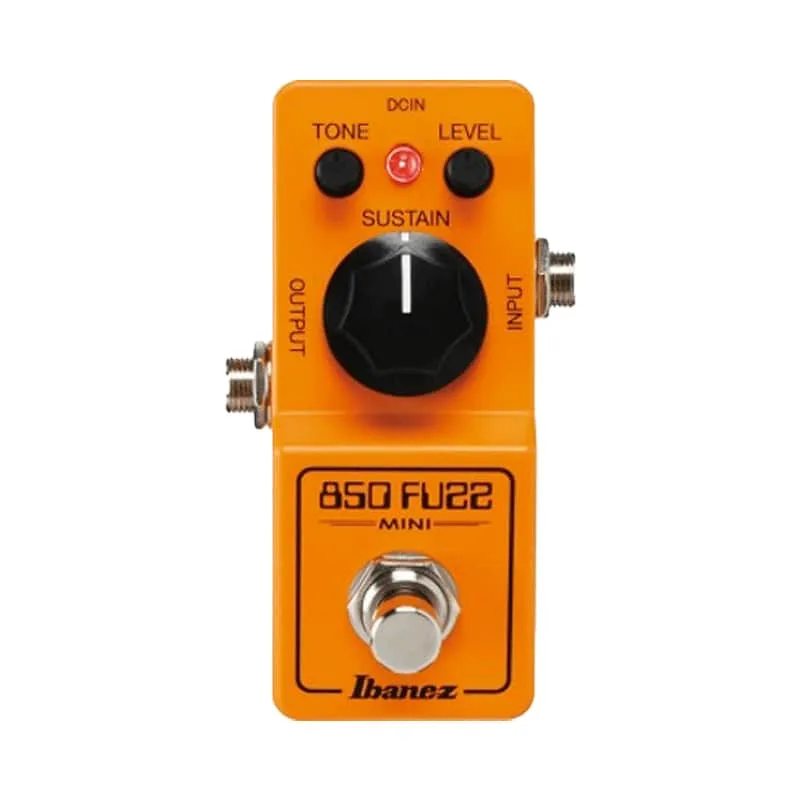
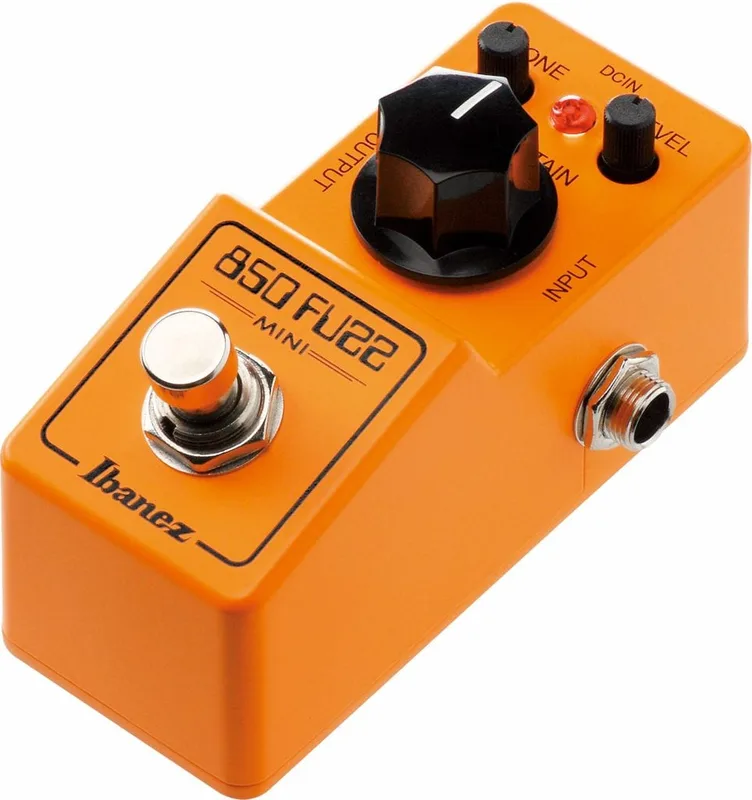
Kit Rae's history calls the SF5 "the poor mans OD-850," a reference to Ibanez's own OD-850 fuzz. The SF5 delivered a similar circuit family at the Soundtank line's lower price2. Ibanez later returned to the OD-850 name with the 2017 OD-850 Fuzz Mini, a reissue of the OD-850 in a mini sized enclosure2.
Videos
Lost Groove Music
Agus Martin
Questions
Is the Ibanez SF5 a Big Muff clone?
TONEHOME describes the SF5 as a kind of Big Muff in disguise, with a different tone circuit that gives it more mids. Kit Rae places its circuit somewhere between a Colorsound Jumbo Tone Bender, a Big Muff Pi and an Ibanez OD-850, and notes the distortion section is similar to the first edition Maxon D&S, sounding nearly identical.
Where was the Ibanez SF5 60's Fuzz made?
Kit Rae's history of Big Muff clones states the Soundtank pedals were made in Taiwan for Ibanez, though the actual manufacturer is unknown.
What is the FETT bypass circuit in the Ibanez SF5?
The SF5 includes a FETT electronic bypass circuit and buffer with a momentary switch, similar to the OD-850 third edition and OD-801 third edition, according to Kit Rae. This electronic switching replaced a conventional mechanical bypass arrangement in the pedal.
Why is the SF5 called the poor man's OD-850?
Kit Rae's history article calls the Ibanez SF5 60's Fuzz the poor man's OD-850, meaning it offered a similar sound to the OD-850 at a lower price point in Ibanez's economy Soundtank line.
Did the Ibanez SF5 come in a metal case?
Yes. TONEHOME lists the original production run, dated 1989 to 1990, as having a metal case, and rates the metal case version's collectibility as high. A reissue with a plastic case followed from 1992 to 1998.
Sources (2)
- TONEHOME, TONEHOME
- The Big Muff History, www.kitrae.net, 2017-01