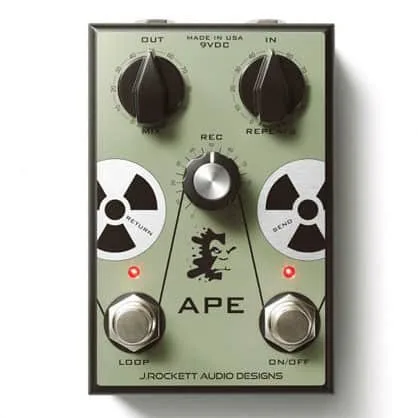


The J Rockett Audio APE is a preamp pedal from J Rockett that recreates the analog side of the Echoplex EP-3, the vintage tape echo unit whose preamp section players prized as much as its echo. The name stands for Analog Preamp Experiment, and the company's claim for it is bigger than a simple preamp copy: it replicates the entire EP-3 analog circuit from input to output, including the sonic influence of the tape heads12.
What makes the APE unusual is that it is built to host a delay pedal. Side jacks form a loop, like an amplifier's effects loop, so you can plug a digital delay inside the APE and get the Echoplex's analog coloration around your repeats. It can also simply run in front of a delay in series13.
Where the circuit comes from
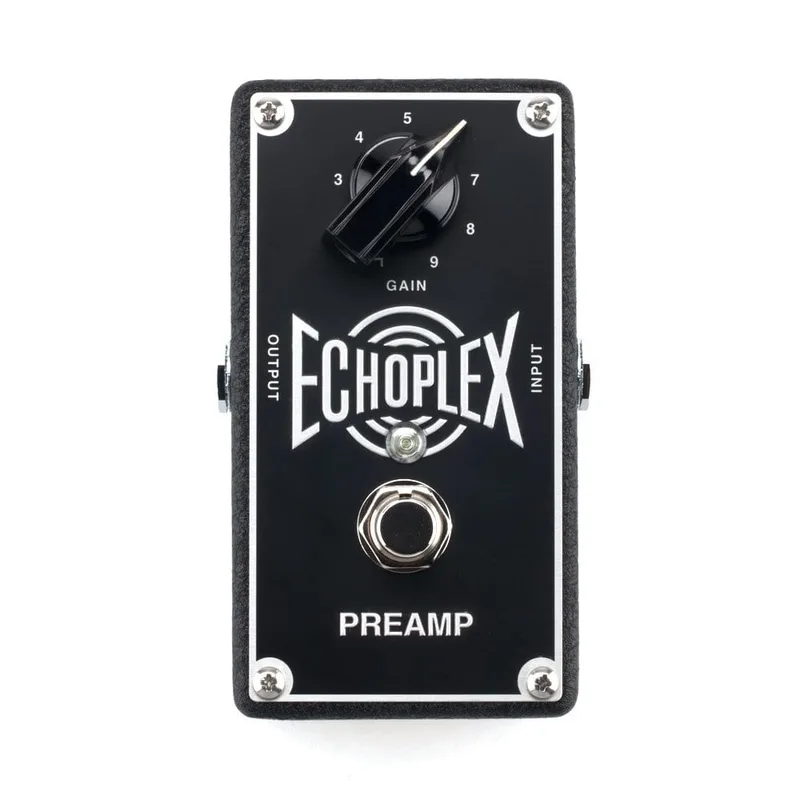
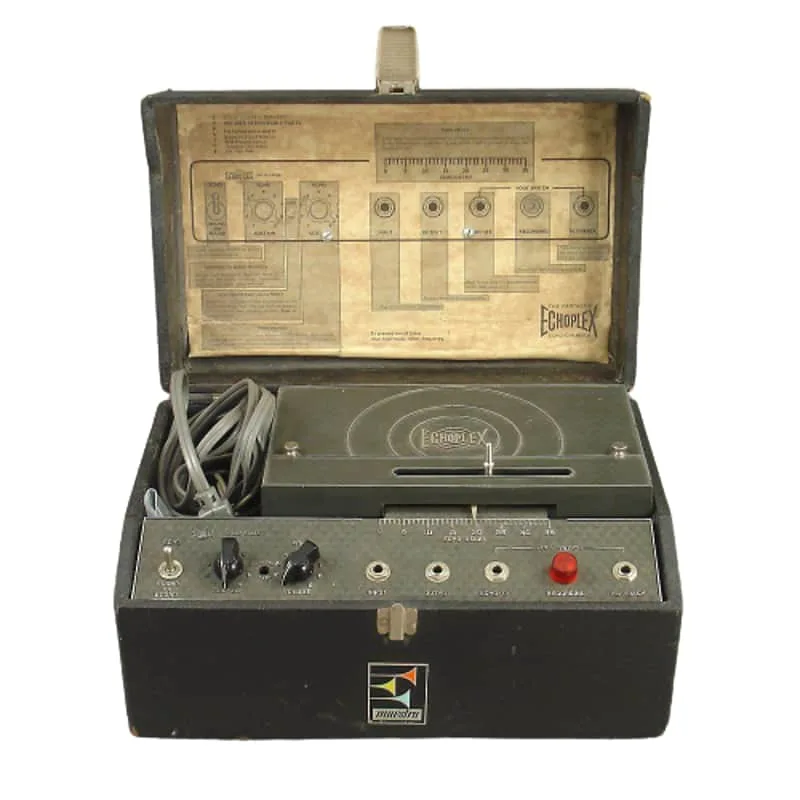
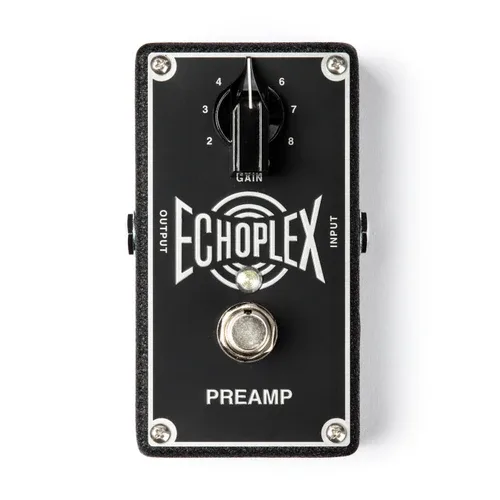
The Echoplex EP-3 was a tape echo, but its preamp became a legend of its own. Dunlop, which now makes a standalone Echoplex preamp, says "guitar players were hooked by the way its preamp sweetened up their sound"7. MusicRadar's Trevor Curwen similarly notes the EP-3, "designed for its primary role as a tape echo, featured a nice-sounding preamp"8.
The APE takes that idea further than most EP-3-inspired pedals. Guitar World reported that "the pedal replicates the entire EP-3 analog circuit for old-school Echoplex tape delay magic"1, and Guitar.com quoted the maker's description: "This is not just a preamp, but rather the entire analogue circuit from input to output including the sonic influence of" the tape heads5. Delicious Audio called it "an accurate re-creation of a famous vintage tape delay's analogue section"2.
The original EP-3 preamp ran on a high internal voltage, and the APE matches it. Premier Guitar's product page states: "It runs at 22.5v just like the original. For convenience it uses a DC to DC converter allowing you to power it with a" standard 9V supply69. Gearnews and Guitar.com both confirm the 22.5V figure54.
Controls and the delay loop
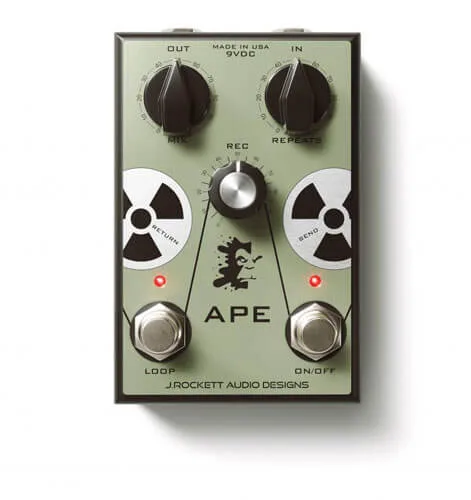
The APE keeps the Echoplex's control concept: a small set of knobs that interact with the tape-style circuit, plus footswitches for bypass and loop mode15.
| Control | What it does |
|---|---|
| REC | Controls the gain on delayed notes when a delay is in the loop, and helps with the intensity of the delay5 |
| Level to tape (middle knob) | Essentially the level to tape, which can overdrive the delay repeats3 |
| ON/OFF footswitch | Engages the APE6 |
| Loop footswitch | Engages loop mode, bringing the connected delay pedal into the signal path1 |
The side jacks are the heart of the pedal. Premier Guitar's instructions are direct: "Connect your favorite digital delay's input to the send to start creating your looped delay," and connect the delay's output to the RETURN to complete the loop6. Guitar.com lists the same connections5.
There are two ways to use it:
- In front of a delay: run the APE into your delay pedal in a normal series chain1.
- In the loop: connect the delay's input to the APE's SEND and its output to the RETURN, then stomp the loop footswitch to bring the delay inside the APE's circuit16.
On That Pedal Show, the presenters walked through the loop setup: "you can run it with any delay pedal in its own loop so you've got the in guitar in here amp out there"3. They were also clear about what the pedal is not: "it is not a delay, rather it is a preamp"3.
What it does to the tone
The Echoplex preamp's reputation is for fattening a signal while keeping the highs. On That Pedal Show, the presenters put it this way: the APE "fattens the sound without killing the top end, in the manner the Echoplex preamp is known for"3. Their overall verdict on the pedal was enthusiastic: "it's wonderful, it's really cool, that's really really cool"3.
"the middle knob in the bottom there is essentially the level 2 tape see okay overdrive the delay"
Because the APE recreates the whole analog path rather than just a boost stage, the coloration applies to everything passing through it, and when a delay sits in the loop, the REC and level-to-tape controls shape the repeats themselves, letting you push them into overdrive the way the tape circuit could53.
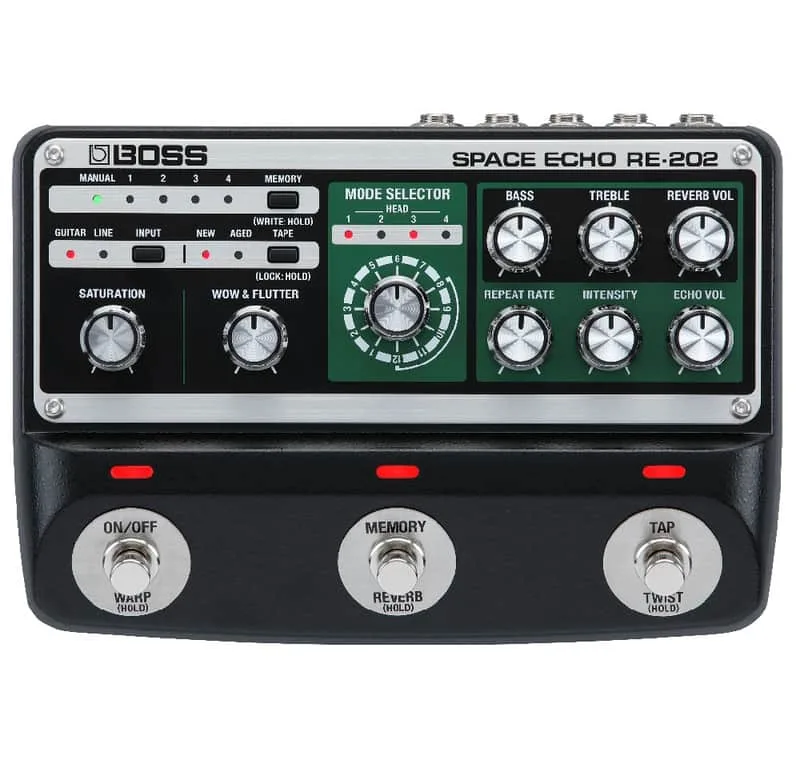
In a 2022 episode of That Pedal Show, the APE came up as a point of comparison when the hosts discussed the Boss RE-202's digital preamp, noting that J Rockett "did something called the APE, the Analog Preamp Experiment ... and that simulates" the real thing10.
Review video
That Pedal Show demoed the APE in April 2020, explaining the 22.5V EP-3-style circuit, showing how to wire a delay pedal into the loop, and demonstrating how the preamp fattens the tone without losing top end. Their conclusion was that the pedal is "wonderful" and "really cool"3.
Price and availability
J. Rockett Audio launched the APE in late November 20195. It retailed for $199 at launch, a price reported by Guitar World, Guitar.com and Gearnews154.
Videos
Sweetwater
Premier Guitar
Guitar Bonedo
Questions
Is the J Rockett APE a delay pedal?
No. The APE is a preamp pedal, not a delay. It recreates the entire analog circuit of the Echoplex EP-3 from input to output, including the sonic influence of the tape heads, but it does not generate echoes itself. You connect your own delay pedal, either after it in series or inside its effects loop.
What does the J Rockett APE do to the tone?
It aims to reproduce the tone conditioning the Echoplex EP-3 preamp was known for. On That Pedal Show, the presenters described it as fattening the sound without killing the top end, which is the quality players associate with the original Echoplex preamp. It colors the whole signal passing through it rather than only the repeats.
Can you put a delay pedal in the APE's loop?
Yes. The APE has SEND and RETURN side jacks that work like an amplifier's effects loop. Connect your delay pedal's input to the SEND and its output to the RETURN, then use the loop footswitch to bring the delay into the signal path. The REC knob then controls the gain on the delayed notes.
What voltage does the J Rockett APE run at?
The circuit runs at 22.5 volts, matching the original Echoplex EP-3 preamp's internal operating voltage. For convenience it uses a DC to DC converter, so you can power it from a standard 9V supply rather than needing a special power source.
How much does the J Rockett Audio APE cost?
At launch in November 2019 the APE retailed for $199, a price reported by Guitar World, Guitar.com and Gearnews. It was launched by J. Rockett Audio in late November 2019.
Sources (10)
- J. Rockett Audio wants to give your delay a vintage makeover with the APE delay preamp, Guitar World, 2019-11-26
- J. Rockett Audio Designs A.P.E. Echoplex EP3 Preamp, Delicious Audio, 2020-07-14
- J Rockett APE, Earthquaker Afterneath V3, N-Audio Firesound, That Pedal Show (YouTube), 2020-04-07
- J Rocket Audio APE pedal adds vintage echo tone to your digital delays, gearnews.com, 2019-11-26
- J. Rockett Audio reveals the APE preamp, Guitar.com, 2019-11-27
- J. Rockett Audio Designs APE, Premier Guitar, 2020-07-13
- ECHOPLEX® PREAMP, Dunlop (jimdunlop.com)
- Xotic EP Booster review, MusicRadar, 2014-08-21
- EP101 Echoplex Preamp by Dunlop, RockBoard (rockboard.de), 2026
- Boss RE-202, Strymon Volante, Line 6 DL4 MkII Likes, Dislikes & Which Should You Buy?, That Pedal Show (YouTube), 2022-05-06