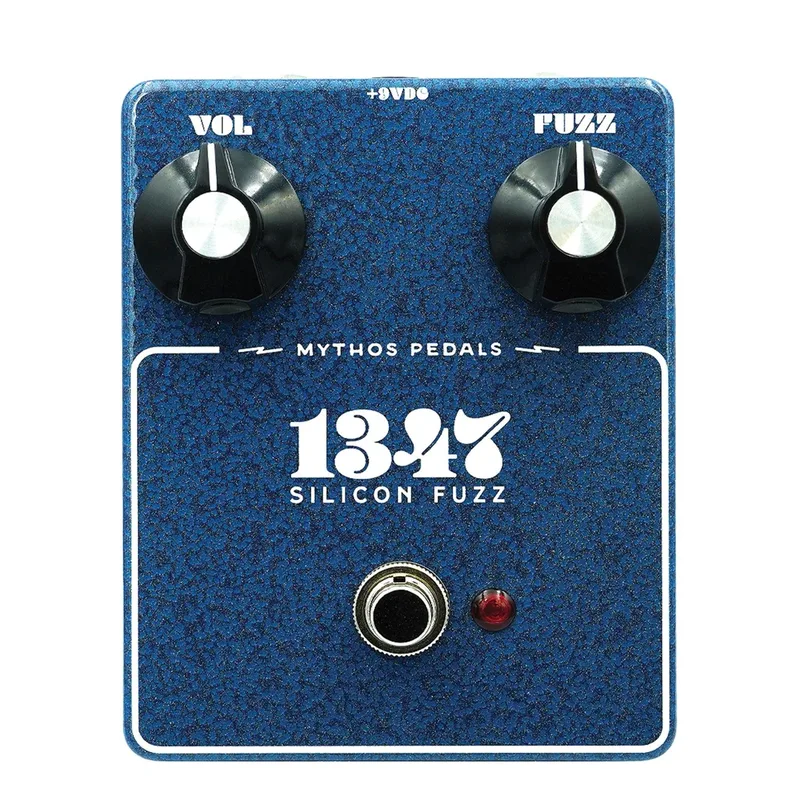



The Mythos Pedals 1347 Silicon Fuzz is a fuzz pedal built exclusively for Mass Street Music. Mythos describes it as an homage to "those round blue fuzzes that graced stages and studios in the late 1960's", taking the classic two-transistor fuzz box circuit and putting the Mythos spin on it1.
Sound and circuit
At the heart of the 1347 are two NOS PN2396A transistors. Mythos describes them as relatively low gain, but hand measured and chosen for their specific position in the circuit1. On the voicing, the maker says:
"The voicing is somewhere between what you'd expect from a germanium and silicon fuzz and it stacks well with a driven amp or a dirt pedal after it."
That in-between character matters for players deciding between fuzz types: germanium fuzzes are often described as softer and more temperature sensitive, while silicon fuzzes tend to be harder edged. The 1347's voicing sits somewhere between what you'd expect from a germanium and silicon fuzz, and the maker's note that it stacks well with a driven amp or a dirt pedal after it makes it a candidate for players who run fuzz into other gain stages rather than alone1.
Mythos lists several changes it made to the design:
- Tightened low end, so the pedal plays well with a variety of guitar pickups
- Tweaked gain with plenty of output
- A wider range of gain from the fuzz pot
- A specific pair of transistors and a bias pot for a multitude of fuzz tones1
Controls and bias
The fuzz pot covers a wider gain range than the original design it honors, according to Mythos1. Inside the pedal there is an internal bias trimmer with test points, which lets a player or tech set the transistor bias and reach a range of fuzz tones from the same pedal1.
The bias adjustment is internal, not a panel control. Reaching it means opening the enclosure, and the test points are there to help set the trimmer accurately.
Enclosure and switching
The 1347 comes in a 4.70" x 3.70" x 1.39" enclosure with a Blue Hammertone finish and an Iridescent Rainbow Sparkle Top Coat, a nod to the blue fuzz boxes it references1. Switching is True Bypass, so the pedal is out of the signal path entirely when off1.
Where it sits in the Mythos fuzz range
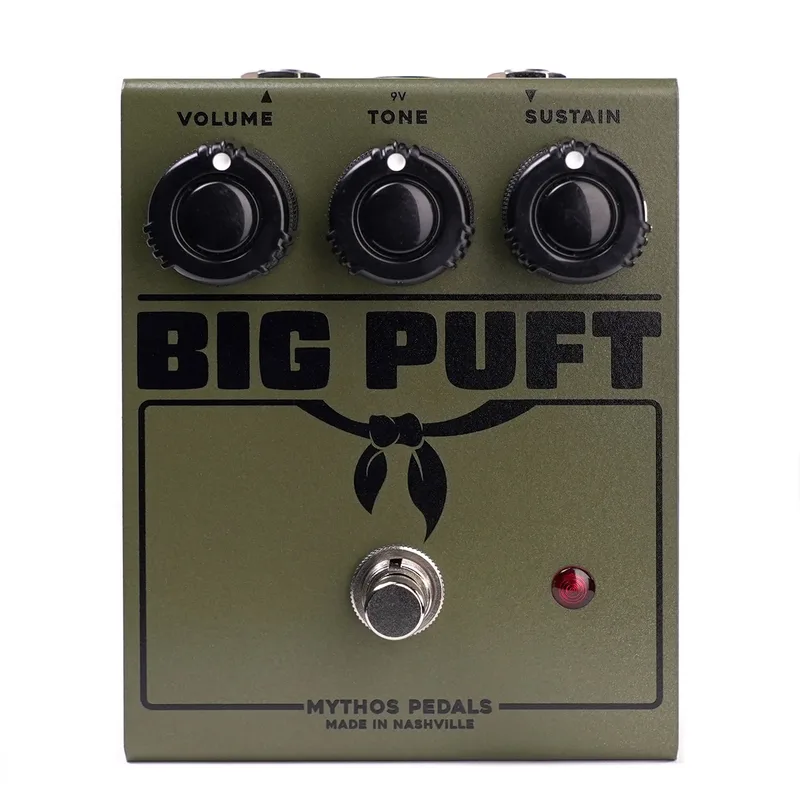
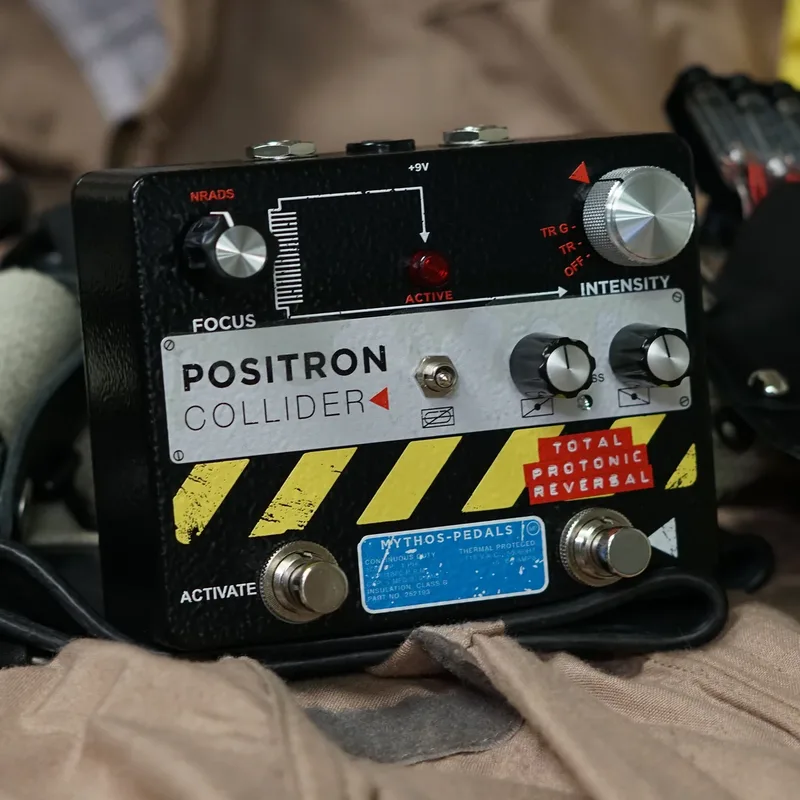
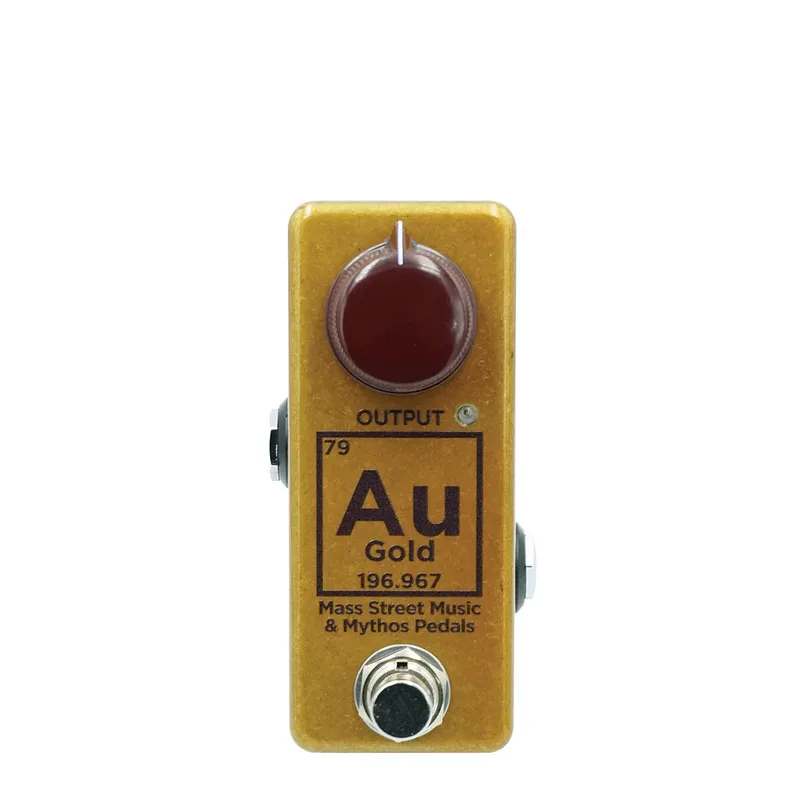
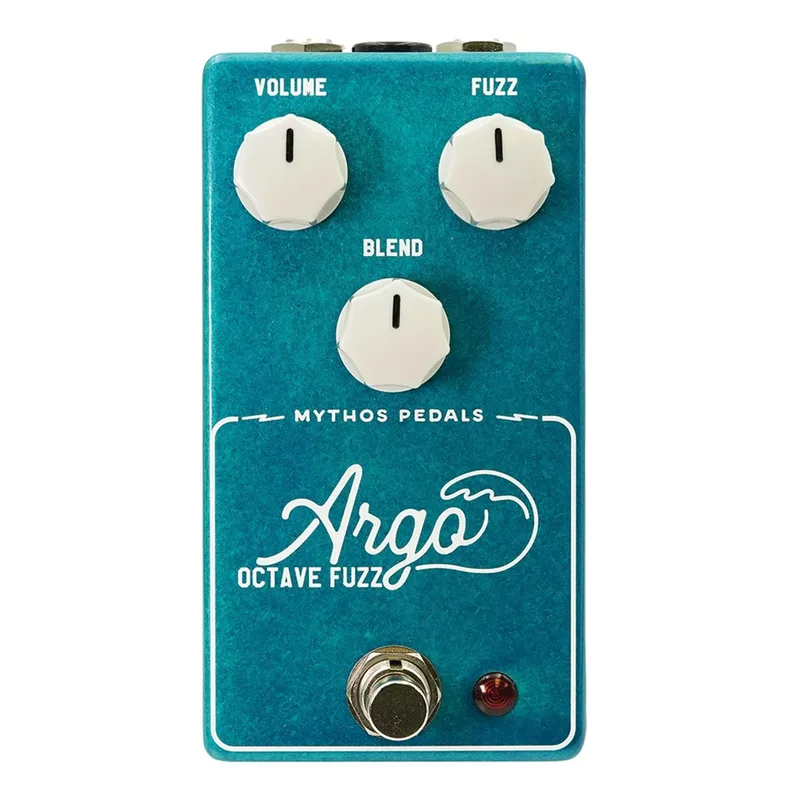
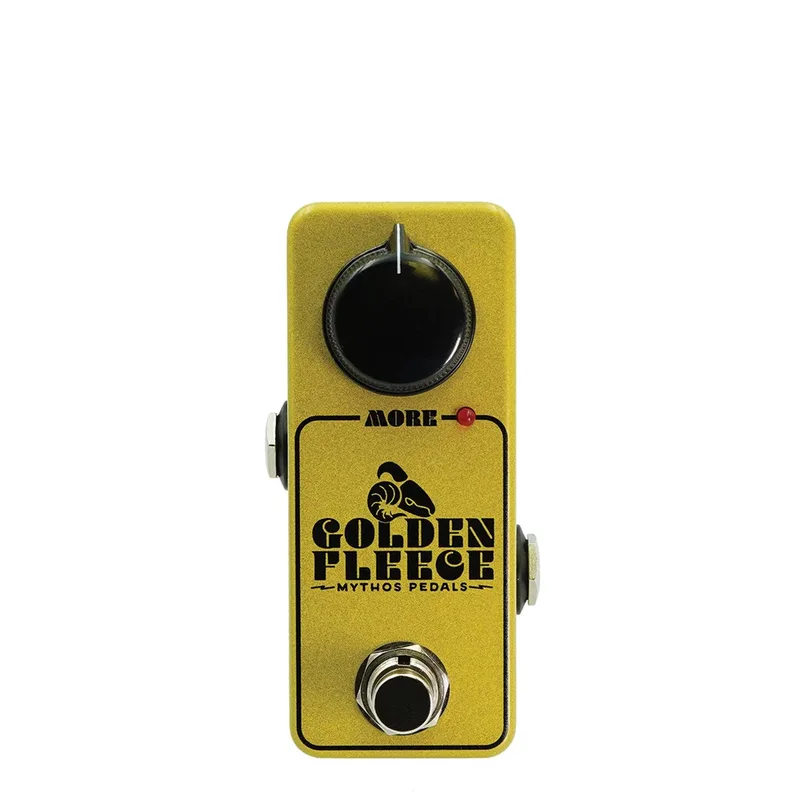
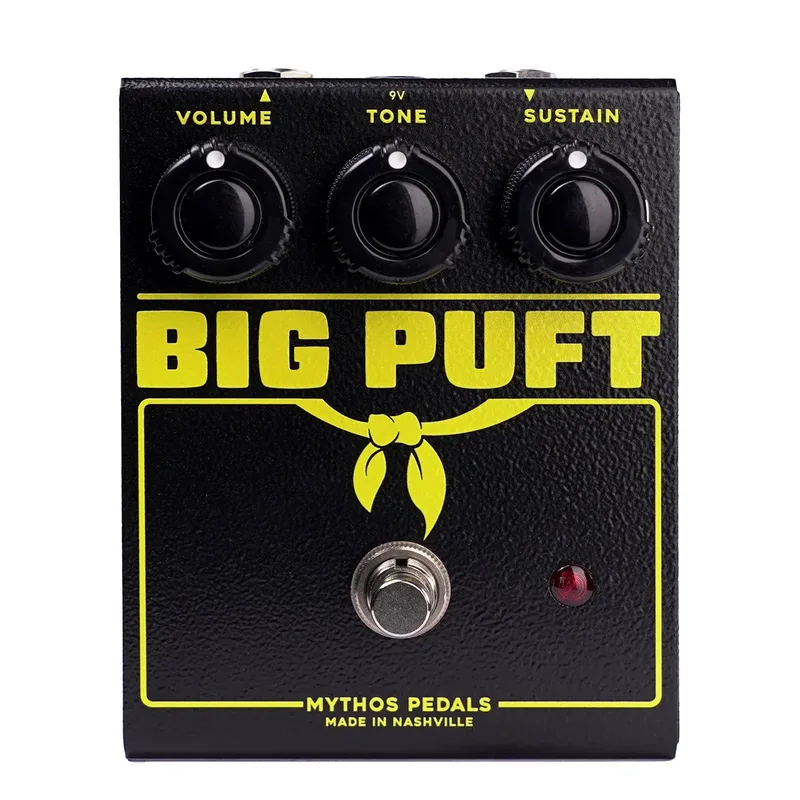
Mythos builds several fuzzes beyond the 1347, including the Big Puft, the Positron Collider, the AU-79 Fuzz and the Argo Octave Fuzz. The 1347 differs from all of them in being a dealer exclusive with a two-transistor, no-octave circuit aimed between germanium and silicon voicings1.
Videos
Mythos Pedals
Mass Street Music
Christopher Bean
Questions
Is the Mythos Pedals 1347 Silicon Fuzz true bypass?
Yes. Mythos Pedals specifies True Bypass switching on the 1347 Silicon Fuzz, so when the pedal is off, your guitar's signal passes straight through without any buffering or tone change from the circuit.
What transistors does the Mythos 1347 Silicon Fuzz use?
The 1347 uses two NOS (new old stock) PN2396A transistors. Mythos describes them as relatively low gain, but hand measured and chosen for their specific position in the circuit, which is how the pedal arrives at its particular fuzz voicing.
What is the Mythos 1347 Silicon Fuzz built exclusively for Mass Street Music?
The 1347 is a limited edition pedal built exclusively for Mass Street Music, the Kansas dealer. Mythos describes it as an homage to the round blue fuzzes that appeared on stages and in studios in the late 1960s, taking that classic two-transistor fuzz circuit and applying the Mythos spin.
How do you adjust the bias on the Mythos 1347 Silicon Fuzz?
Inside the pedal there is an internal bias trimmer with test points. Adjusting the trimmer changes the bias of the transistors, and Mythos pairs it with the specific transistor set to offer a multitude of fuzz tones.
Does the 1347 Silicon Fuzz work with a driven amp?
Mythos says so. The maker describes the voicing as somewhere between what you would expect from a germanium and a silicon fuzz, and states that it stacks well with a driven amp or with a dirt pedal placed after it.
Sources (1)
- 1347 Silicon Fuzz, Mythos Pedals