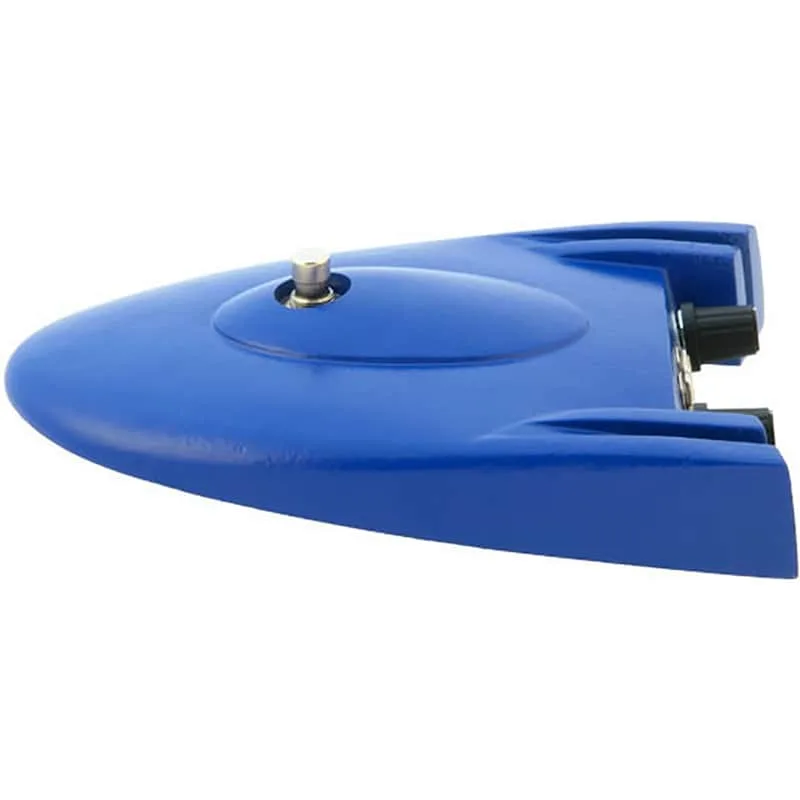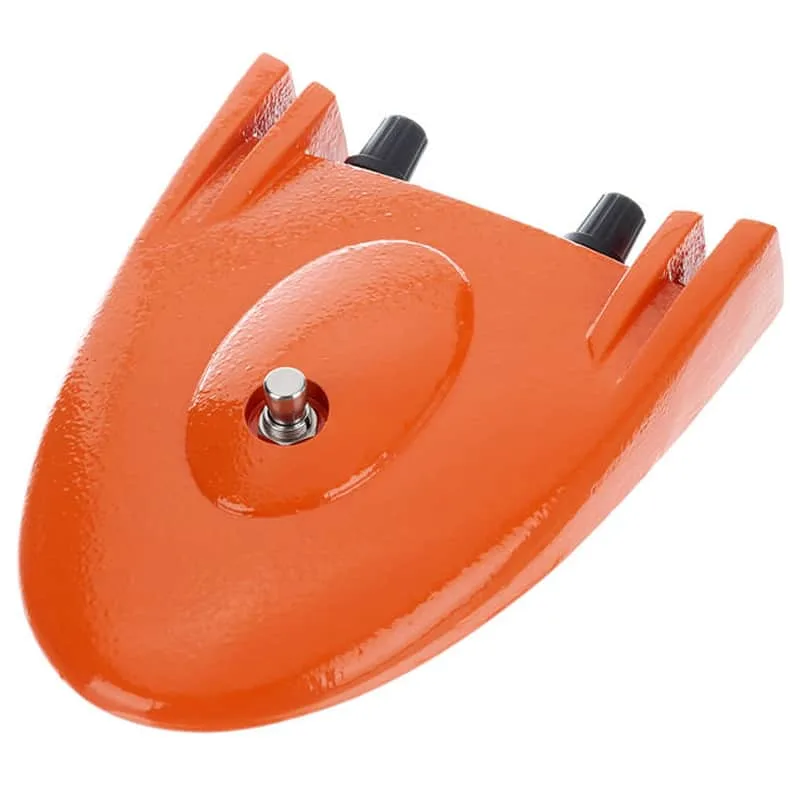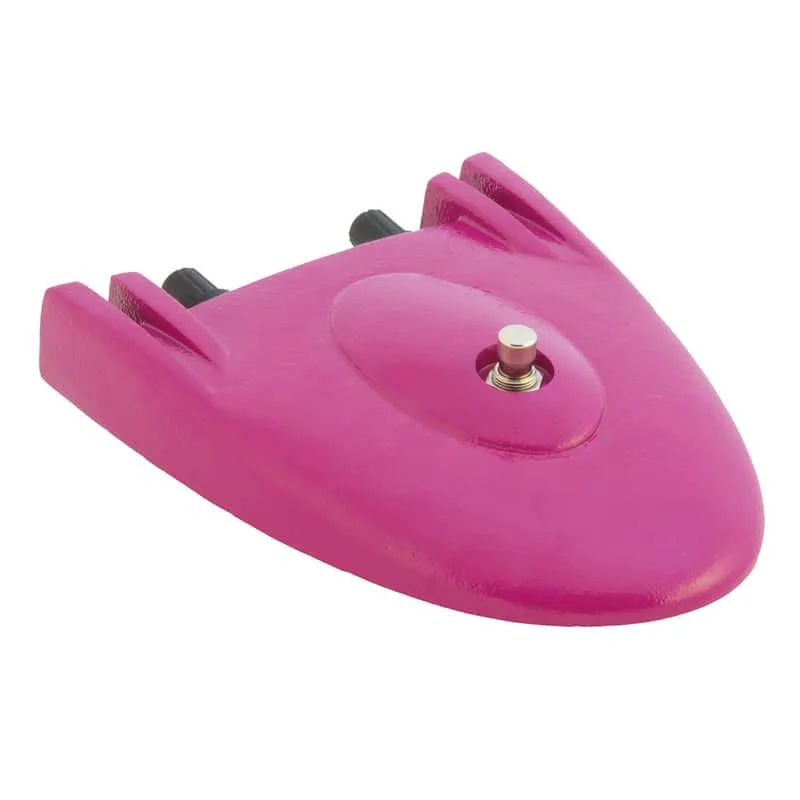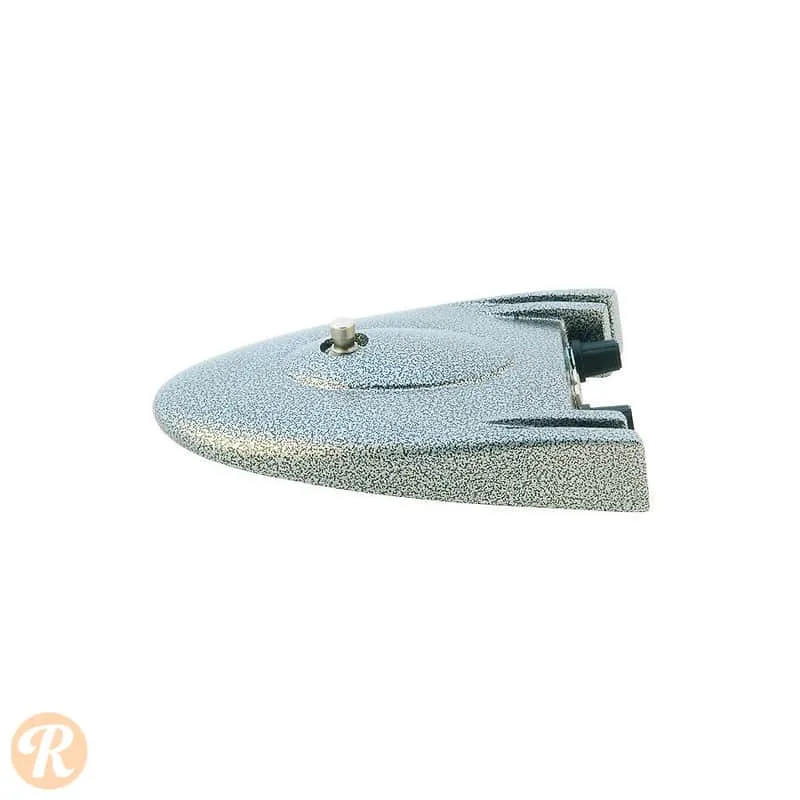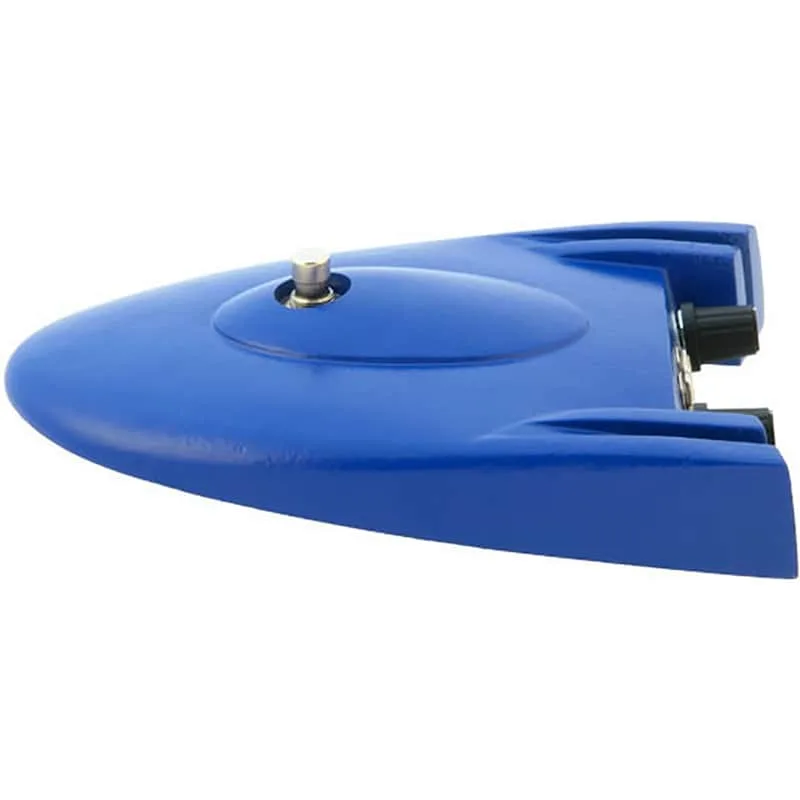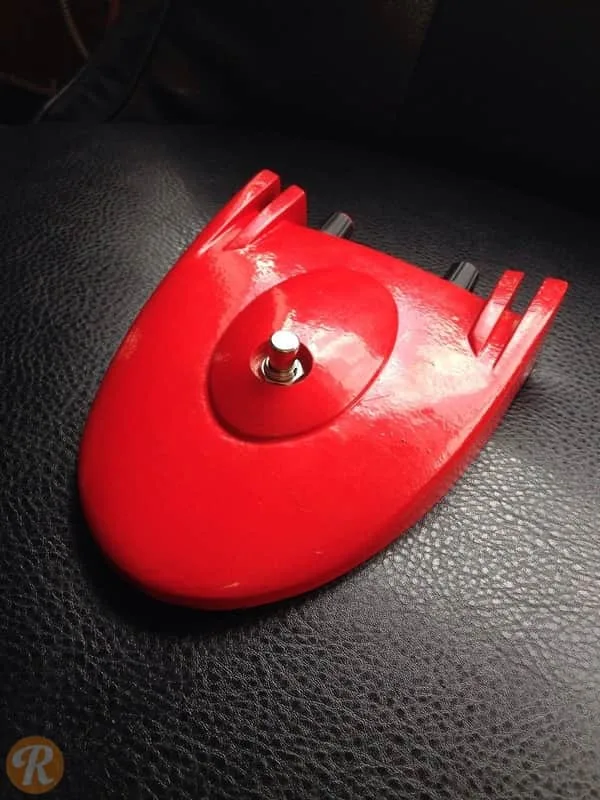


The Roger Mayer Spitfire is a fuzz guitar effect from Roger Mayer, described by the maker as the latest fuzz in his Rocket Series. It is an analog, low noise, high gain design that Mayer says was deliberately built to produce the classic triode tube type of distortion, the kind of clipping associated with the early stage of a tube amplifier, particularly rich in musical harmonics1.
What it does
Mayer positions the Spitfire as a modern take on the triode tube distortion idea: stable and free from the radio and other electronic interference that he says causes so much trouble with fuzz designs1. The DIY community describes the circuit's character as a new sounding modern distortion/fuzz sound2.
The pedal has just two controls:
| Control | What it does |
|---|---|
| Output Level | Sets the pedal's output volume1 |
| Drive / Gain | Turning it up produces feedback at very low sound levels and what Mayer calls a virtually never ending sustain1 |
That gain control is the heart of the pedal. At high settings the Spitfire is designed to fall into feedback easily and hold sustain almost indefinitely, which is the behavior players usually want from a lead fuzz1.
Power and bypass
The Spitfire runs on an internal 9 Volt battery, rated by the maker at an operational life of over 150 hours. An external power supply can also be used, but one is not supplied with the pedal1. When switched off, the pedal uses Hard Wire Bypass1.
No external power supply is included in the box. If you plan to run the Spitfire from a pedalboard supply rather than its internal battery, you will need to provide one.
Where the circuit came from
Mayer is explicit that the Spitfire is not a copy: he calls it not just another boring reissue or clone of a 30 year old design, but a new circuit with roots in his association with the making of Jimi's recordings1. That history runs deep. Guitar.com's history of the fuzz notes that many of the fuzzboxes Mayer later produced under his own name were based on the Fuzz Face circuits he modified for Hendrix3, and Mayer's own-name pedals such as the Axis Fuzz, the Mongoose and the Stone Fuzz sit in that same family.
The Spitfire is closely related to the Mongoose. The Guitar FX Layouts blog, which published a stripboard layout of the circuit, notes that the two differ by a single capacitor, and that the original date of a unit determines which transistor and opamp it carries2.
"I know Roger did the axis for Hendrix as a safe for wah fuzz"
Bass use and related circuits
Although the Spitfire is a guitar pedal, the circuit has been put to use on bass. A builder who assembled the circuit reported: "I just built this one this morning and I like it a lot. it also works great with a bass."2
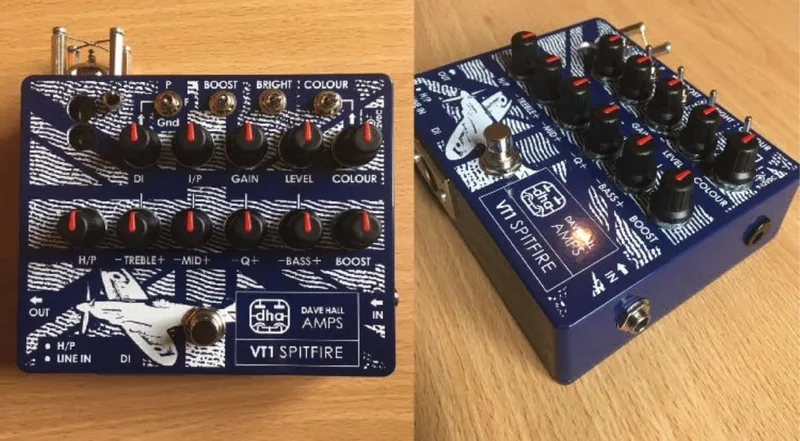
The Spitfire name has also appeared elsewhere: Dave Hall Amps make a VT-1 Spitfire preamp pedal, a guitar-tuned version of their VT-1 Pro Bass Drive. It is a separate product from a different maker and not related to the Roger Mayer fuzz4.
Videos
gearmanndude
james ryan
Ron Houben
Questions
Does the Roger Mayer Spitfire use a battery?
Yes. The Spitfire is powered by an internal 9 Volt battery, which Roger Mayer rates at an operational life of over 150 hours. An external power supply can also be used, but one is not supplied with the pedal.
Is the Spitfire true bypass?
The Spitfire features what Roger Mayer calls Hard Wire Bypass, the maker's term for the switching arrangement that passes the guitar's signal through untouched when the effect is off.
Is the Roger Mayer Spitfire a clone of an older fuzz?
No. Roger Mayer describes it as a new design, not a reissue or clone of a 30 year old circuit, though it grows out of his long history with fuzz design, including the Fuzz Face circuits he modified for Jimi Hendrix and the fuzzboxes he later produced under his own name.
Does the Spitfire work with bass?
A builder on the Guitar FX Layouts blog who put together the circuit reported that it also works great with a bass, alongside its intended use as a guitar fuzz.
Which series is the Spitfire part of?
The Spitfire is part of Roger Mayer's Rocket Series, and it comes in the rugged Rocket housing, finished in Signal Red.
Can the Spitfire run on an external power supply?
Yes. Roger Mayer states that an external power supply can be used, though the pedal ships with an internal 9 Volt battery and no external supply is included.
Sources (4)
- Guitar Effects Pedals by Roger Mayer, Roger Mayer (roger-mayer.co.uk)
- Guitar FX Layouts: Roger Mayer Spitfire, tagboardeffects.blogspot.com, 2016-08-26
- All About… Fuzz, Guitar.com, 2015-08-27
- Jef's Pedal Round-up this week: Spitfire VT-1 preamp and Specular Tempus delay/reverb, gearnews.com, 2017-10-29