News
The Different Faces of Fuzz Face
When Jimi Hendrix launched his first album, he introduced a different level of guitar heroics and a sartorial trend for band jackets and ruffled shirts. The Arbiter Fuzz Face was among the main weapons in his arsenal. At the time, fuzz was nothing new, and the quest for an excellent fuzz was long and proud. As one of the classic Fuzz stompboxes, the Fuzz Face has seen different versions by several manufacturers throughout the years. Dallas Arbiter introduced the original Fuzz Face, which comes in an enclosure inspired by a mic stand mount and carries Fuzz and Volume knobs. Even during the initial phase of Fuzz Face production, there is a difference in the circuitry and the housing’s color. Fuzz Faces were later built by Crest Audio and then Dunlop. A transition was also made from Germanium to Silicon transistors, and vintage Germanium units are way more collectible. “In stompbox lore, the Fuzz Face Distortion sits among the icons. Its uncanny ability to add harmonic richness and hair around clean tones at lower settings is as satisfying as the full-on roar it wields when dimed and raging. With a roster of power users that includes guitar legends and modern heroes from David Gilmour and Jimi Hendrix to Eric Johnson and Joe Bonamassa, the Fuzz Face has a unique, unmistakable sound no matter the player,” Jim Dunlop detailed. Below are some of the Fuzz Face variations available on Tonebox and their distinct characteristics.
Eric Johnson Fuzz Face Distortion
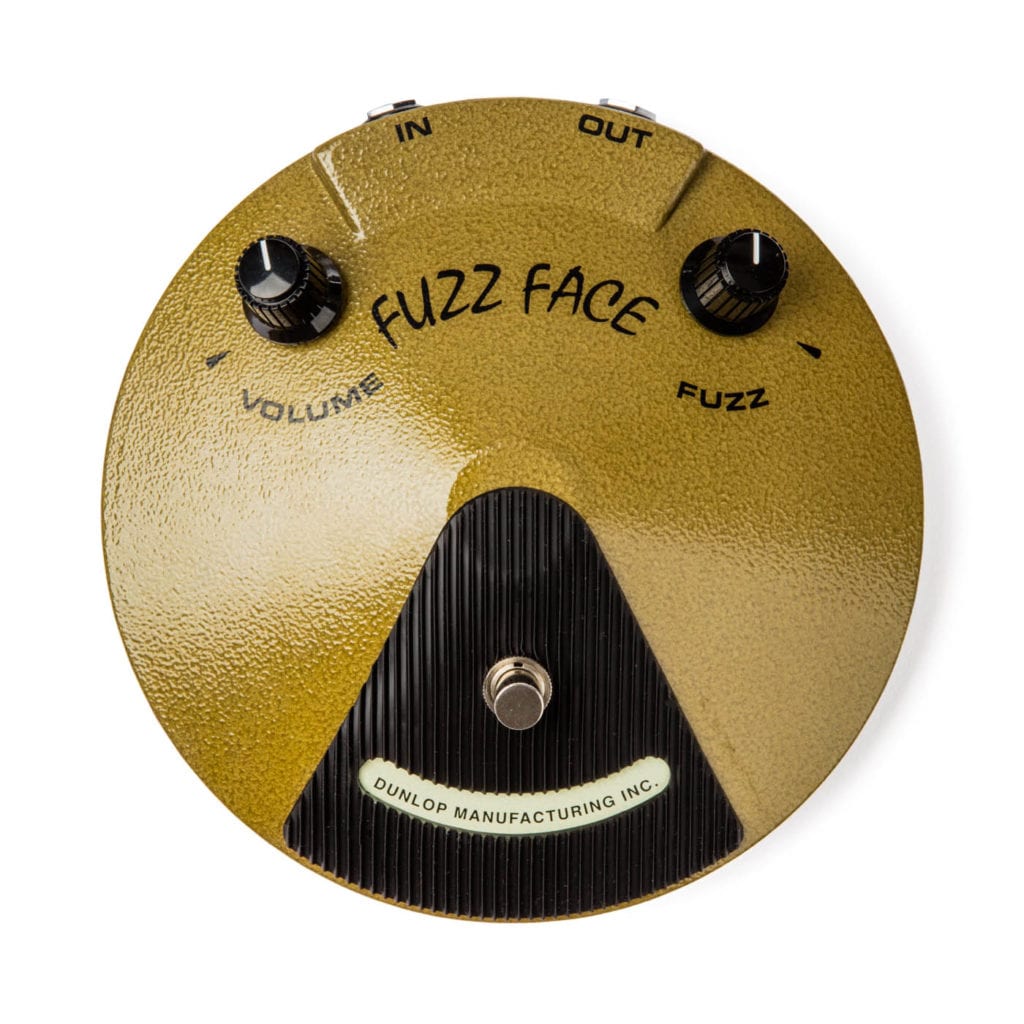
Nobody cares more about tone than Eric Johnson. The Eric Johnson Signature Fuzz Face is his go-to stompbox for nailing “sweet, singing lead tones.” Without a doubt, EJ is among the modern masters of tone. “I first heard the Fuzz Face when I was about 12 and loved playing through it,” he revealed. “It’s the classic tone used by Jimi Hendrix, one of my greatest influences. No other pedal gets this type of sound. It’s the pinnacle of psychedelic fuzz.” EJ collaborated with Fuzz Face expert Jeorge Tripps to build his signature unit. It drew inspiration from EJ’s beloved Fuzz Faces and is tweaked to his incredibly strict specs, boasting custom repro ‘68-‘69 controls and hand-picked BC183 silicon transistors for higher gain. Sporting a sleek, vintage-esque hammertone finish, the Eric Johnson Fuzz Face Distortion is “a beautifully dynamic, expressive, and powerful pedal.”
Classic Fuzz Face Distortion
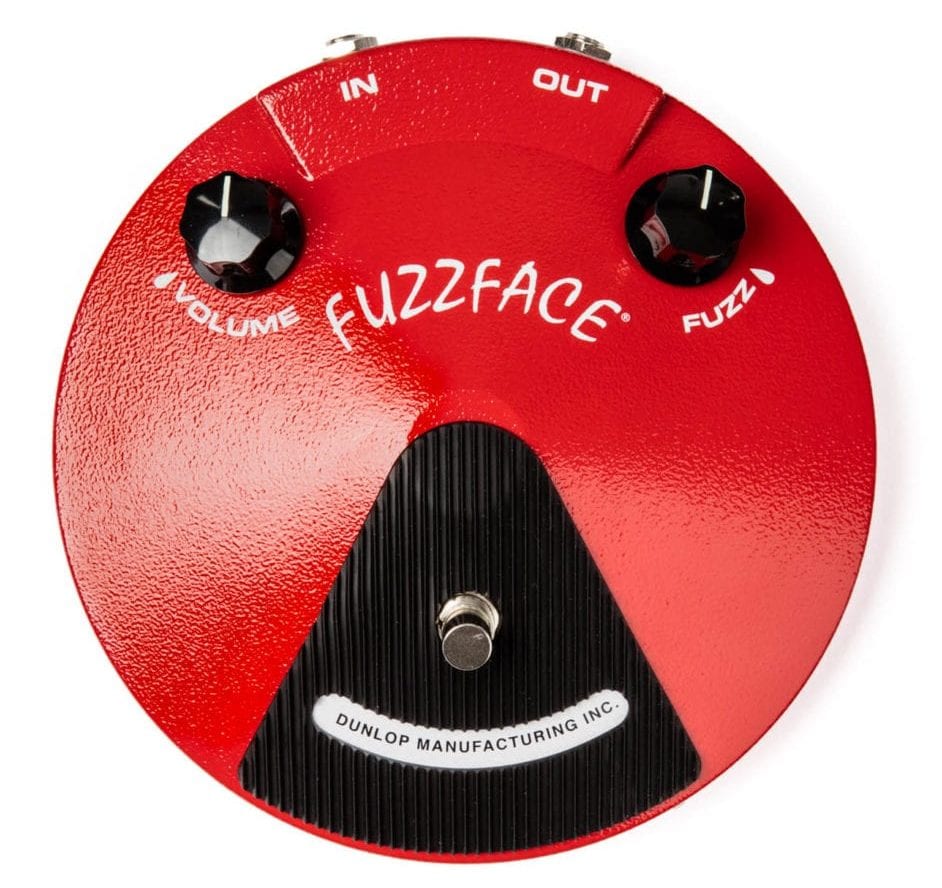
The Fuzz Face is iconic for its warm and thick tones. Dunlop’s Classic Fuzz Face Distortion pedal is a reissue of the legendary Dallas Arbiter Fuzz Face, built to its exact specifications. Solidly constructed to the vintage specs and authentic germanium PNP transistor design, this classic fuzz box was employed by Jimi Hendrix as well as other prominent rockers of the 1960s and 1970s. The Classic Fuzz Face Distortion carries Fuzz and Volume knobs that allow users to dial in their ideal sound. The original Germanium PNP transistor design allows for a creamy and rich fuzz sound. It is the right choice for modern guitarists who love the stunning guitar tones of yesteryear.
Jimi Hendrix Fuzz Face Distortion
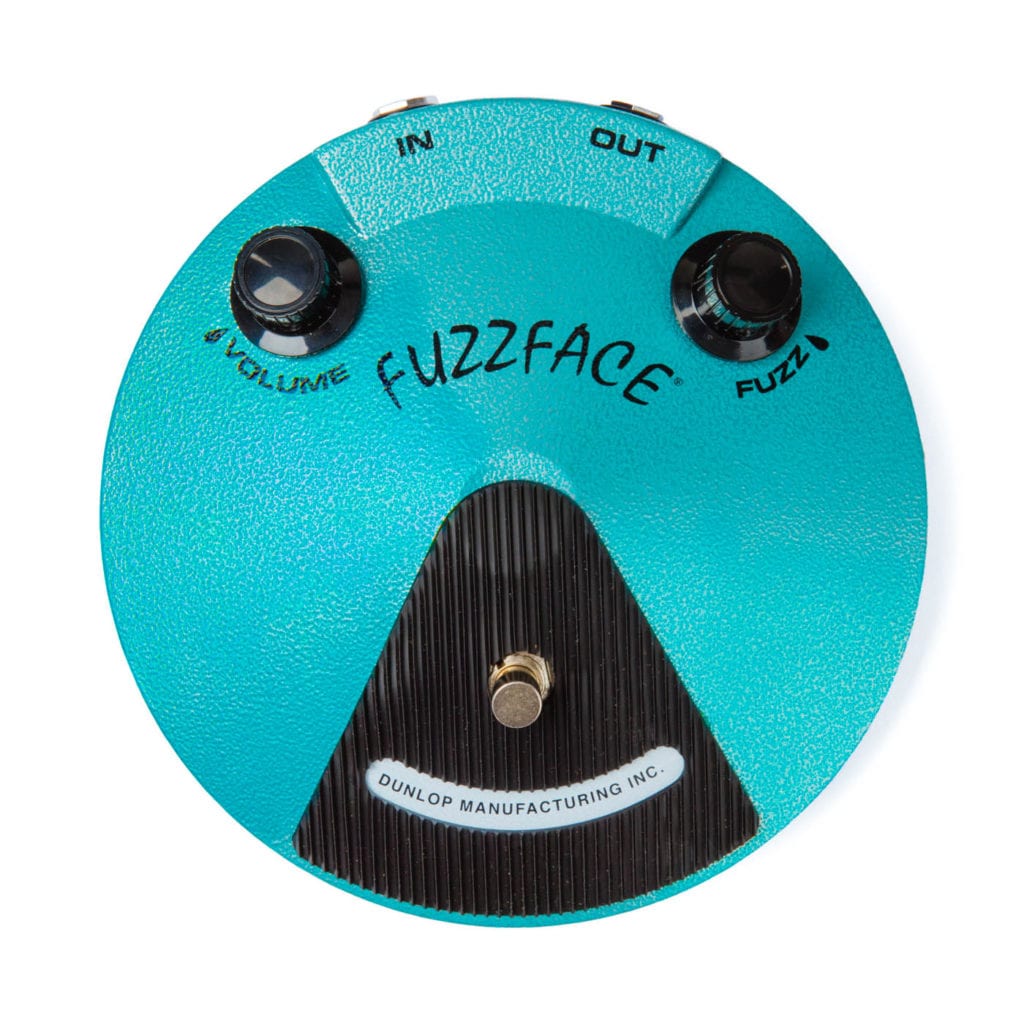
Jimi Hendrix has molded his guitar tones into exceptional sonic textures and shapes, leveraging only a few effects along with his cranked-up amp and guitar. Hendrix crafted a distinctive sound that continues to make jaws drop around four decades after. When dedicated guitar effects came in the 60s, Hendrix was among the earliest artists to welcome them as sound-sculpting tools. A lot of his epic solos and sonic journeys banked on effects such as the Octavio octave doubler, Uni-Vibe chorus/vibrato, Cry Baby wah, and the legendary Fuzz Face distortion. Unlike other guitarists of his time who settled for merely amplifying their instrument’s sound, Hendrix continuously sought out new tools to transform his guitar tones into malleable shapes. Distortion had been a significant component of his arsenal, and the Jimi Hendrix Fuzz Face provided him with the firepower. The Jimi Hendrix Fuzz Face Distortion is a meticulous re-creation of the 1969-70 Dallas Arbiter Fuzz Face used by Jimi Hendrix to create an incredible array of iconic sounds, songs, and styles. Dunlop’s engineering department went through numerous vintage Dallas Arbiter Fuzz Face units, selecting some and painstakingly examining them for precise reproduction. As an outcome, the Jimi Hendrix Fuzz Face Distortion remains genuine to the best of the originals, including the iconic groovy circular chassis, a hand-wired circuit board, and controls sporting a turquoise hammer tone finish. The Jimi Hendrix Fuzz Face Distortion offers a piece of revolutionary tone-sculpting power.
Joe Bonamassa Fuzz Face Distortion
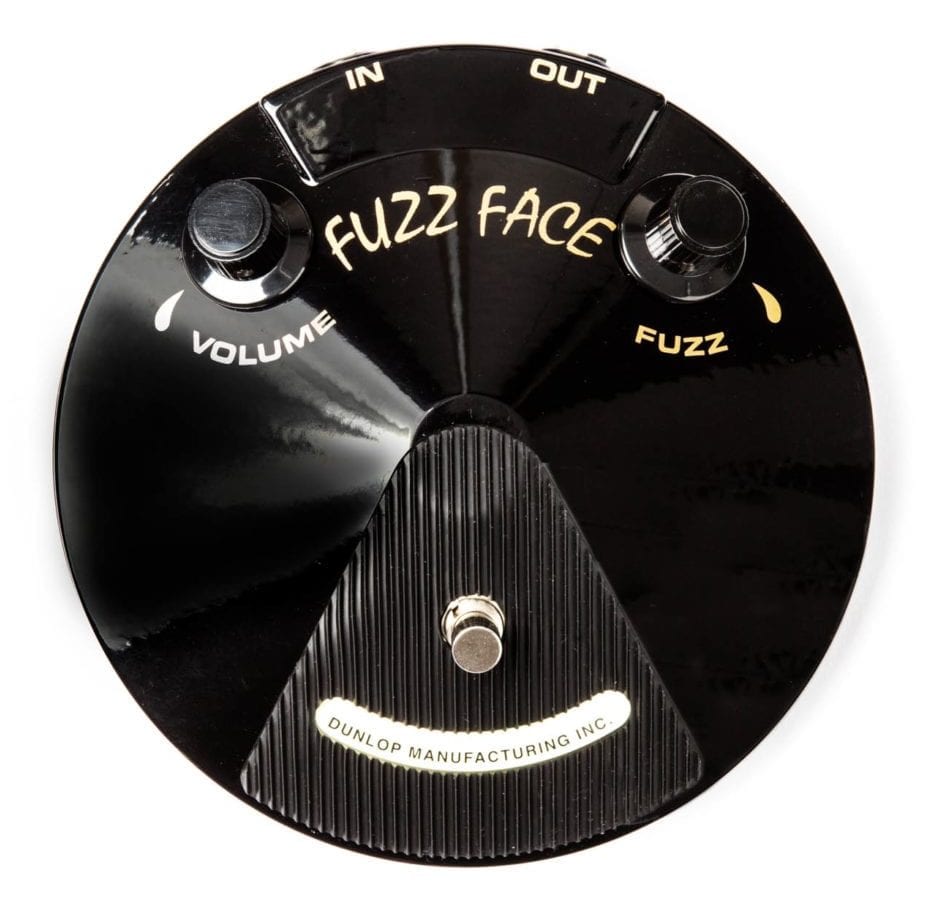
Joe Bonamassa is among the most celebrated guitarists of his generation, spending most of his years perfecting all the aspects of his sound. His fluid, dynamic tone has inspired a new resurgence of guitar-fueled music. With the Joe Bonamassa Fuzz Face from Dunlop, players can already enjoy one of the effects that form the backbone of his sound. This hand-wired, limited-edition signature Fuzz Face dishes out the syrupy, warm, and harmonically-rich fuzz of special NOS Russian military germanium transistors. It has been specially voiced to give humbucker-equipped guitars a more focused sound. Straightforward Volume and Fuzz knobs deliver up to 55dB of gain and the ability to adjust any fuzz level to any room. The Joe Bonamassa Fuzz Face cleans up with a guitar’s volume control to improve the tone even when it is slightly rolled back. The Joe Bonamassa Fuzz Face is wired for true bypass, sporting clones of vintage top hat knobs as well as a rich gloss black paint job. Dunlop also dropped the Fuzz Face Mini pedal line, which features iconic Fuzz Face tones within compact enclosures. These stompboxes incorporate several modern appointments, including a convenient battery door, AC power jack, and bright status LED. Similar to the original versions, Fuzz Face Minis comes with true bypass switching. One of the pains of adding a vintage Fuzz Face pedal to a pedalboard is its unusually large chassis size. Bassists and guitarists would often need to sacrifice one (or more) of their favorite stompboxes to give way to a Fuzz Face in the signal chain. With this revamped, pedalboard-friendly format, the size will no longer be a problem.
**Germanium Fuzz Face Mini Distortion **
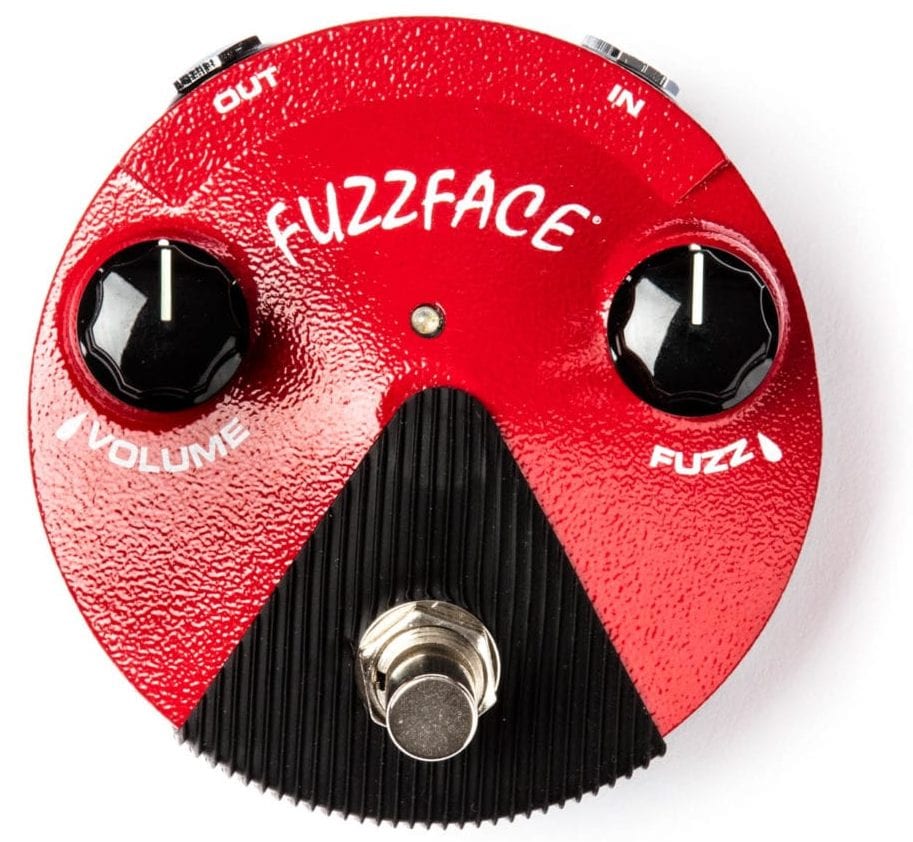
When Fuzz Faces were first introduced to the guitar world, their circuitries were prominent for the germanium transistors, which added to that warm, vintage fuzz tone made famous by guitar heroes such as David Gilmour and Jimi Hendrix. For the later versions of the pedal, silicon transistors were utilized, but they gave a harsher sound. The Dunlop Germanium Fuzz Face Mini lets users achieve that classic, well-loved germanium fuzz tone. Boasting the same iconic Fuzz Face tone, the Germanium Fuzz Face Mini Distortion comes in a compact chassis. Spec’d from the mid-1960s Fuzz Faces with somewhat mismatched germanium transistors, this distortion stompbox serves up that sought-after warm vintage fuzz tone. The Germanium Fuzz Face Mini Distortion also features a bright status LED and true bypass switching. It is the perfect choice for those who crave that classic germanium fuzz tone.
**Silicon Fuzz Face Mini Distortion
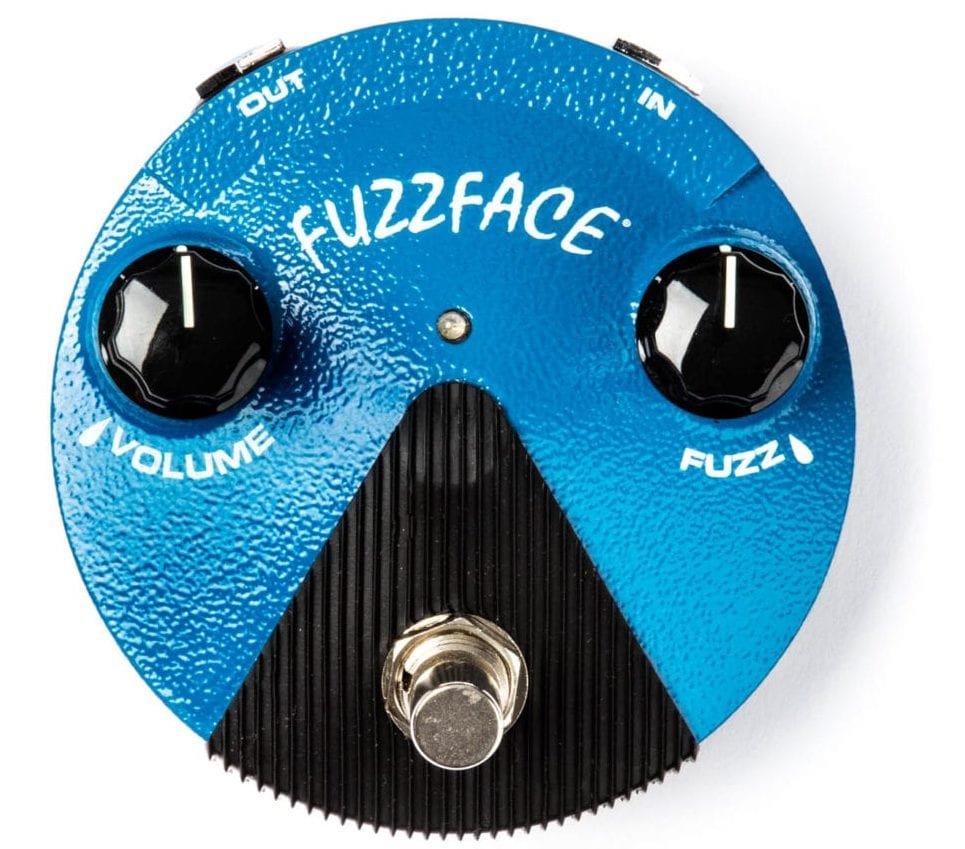
**
The Silicon Fuzz Face Mini distortion pedal is based on a 1970 Fuzz Face from Dunlop’s collection, revered for its aggressive and bright Fuzz Face sound courtesy of its matched BC108 silicon transistors. It boasts the same iconic Fuzz Face tone but in a smaller size. Other features include a bright status LED, battery door, AC power jack, as well as true bypass switching. The Silicon Fuzz Face Mini is the perfect choice for those who want that vintage fuzz tone.
Joe Bonamassa Fuzz Face Mini Distortion
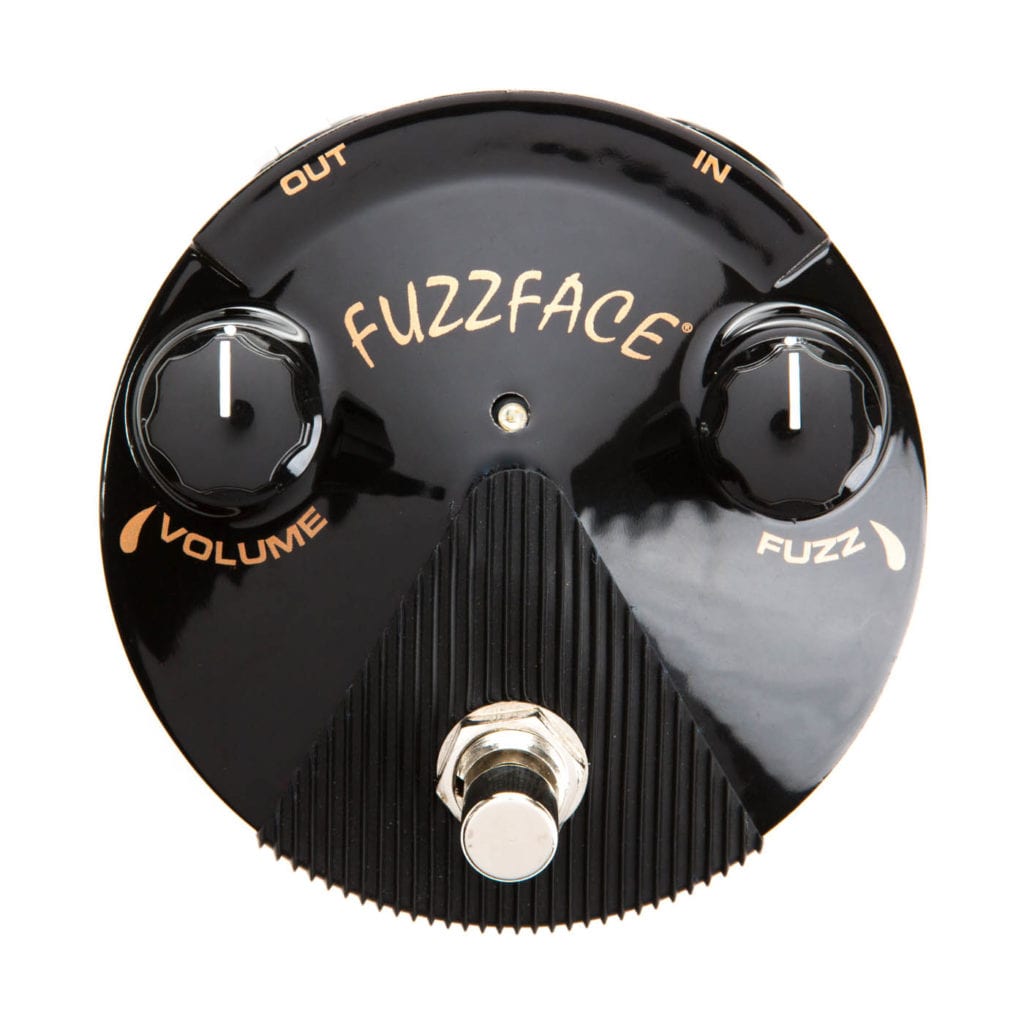
Fuzz Face enthusiasts have long debated whether germanium or silicon is the better option for its transistor. For Joe Bonamassa, his fascinations with classic Fuzz Faces is no surprise to anyone. Spec’d from JoBo’s tonal preferences and pedal collection, the Joe Bonamassa Fuzz Face Mini Distortion by Dunlop boasts a killer sonic character. The Joe Bonamassa Fuzz Face Mini Distortion lets users capture JoBo’s signature fuzz without consuming much precious pedalboard real estate. It dishes out the same thick and creamy fuzz tones as its larger counterpart, but in a way more compact chassis with some updates for modern convenience. Armed with hand-picked NOS Russian military germanium transistors, the Joe Bonamassa Fuzz Face Mini Distortion sports a rich gloss black paint job. Other features include true bypass switching, an AC power jack, a bright status LED, and a battery door for ease of use.
Jimi Hendrix Fuzz Face Mini Distortion
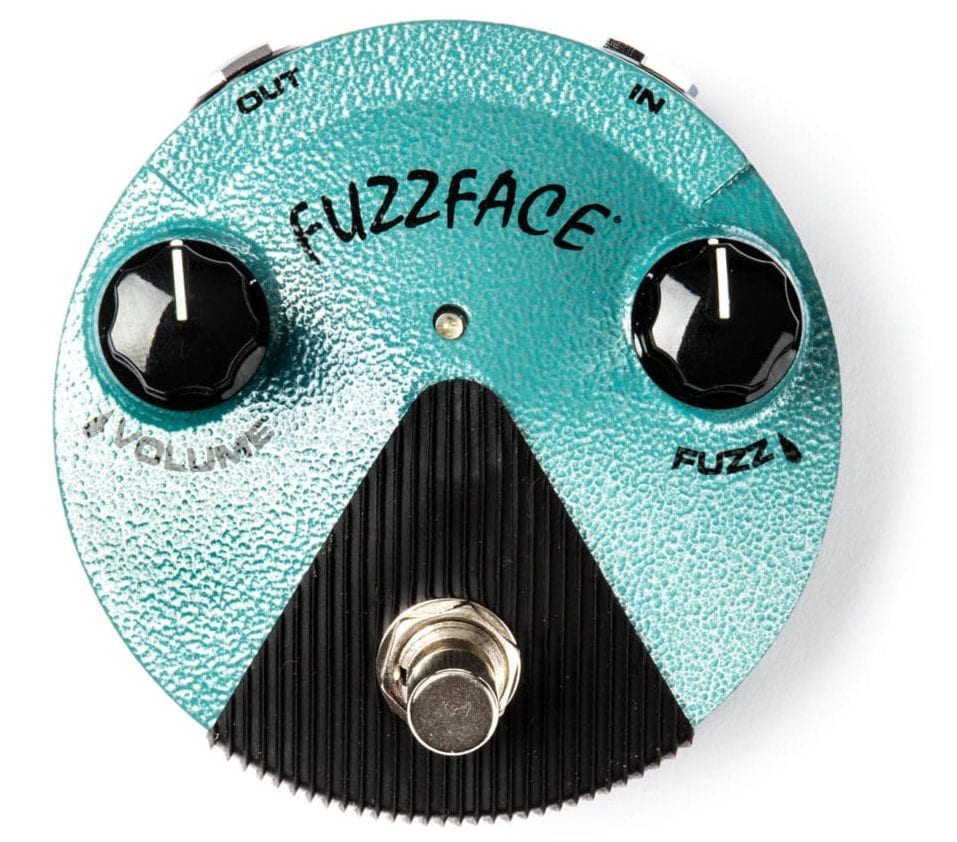
Based around the 1969-70 Dallas Arbiter Fuzz Face employed by Jimi Hendrix on classic albums like Electric Ladyland, the Jimi Hendrix Fuzz Face Mini Distortion by Dunlop faithfully emulates similar sonic characters with the BC108 silicon transistor. It delivers the same iconic Fuzz Face tone in a smaller, more pedalboard-friendly package. The Jimi Hendrix Fuzz Face Mini Distortion serves up that smooth and thick Fuzz Face tone popularized by Hendrix, credits to its toneful BC108 silicon transistor. It also incorporates modern upgrades such as a bright status LED and true bypass switching. It is a smart choice for Fuzz Face or Hendrix fanatics.
Band of Gypsys Fuzz Face Mini Distortion
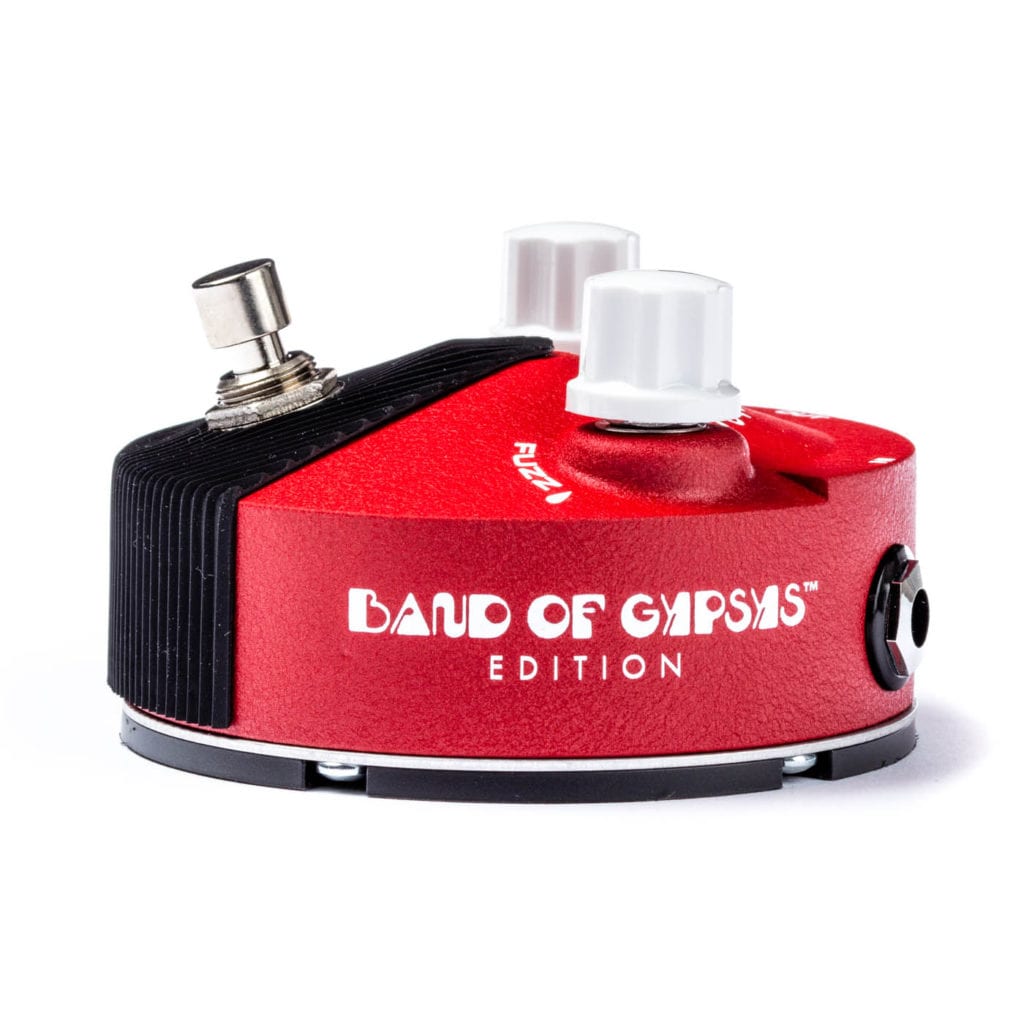
From 1969 through 1970, Jimi Hendrix was seen at his most notable live appearances—Live at the Fillmore East, Live at Woodstock, and Live at Berkeley—utilizing a mysterious red Fuzz Face Distortion consists of white knobs. That fuzz unit “sounded like a completely different animal from any of the other Fuzz Face pedals in Jimi’s arsenal, snarling with a far more aggressive, biting tone.” While the stompbox itself has been lost to history, its distinctive tone lives on in those three iconic shows’ recordings, and Hendrix fanatics have long attempted to cop that sound. But that tonal quest came to a “glorious” end when Dunlop introduced the Band of Gypsys Fuzz Face Mini Distortion. Dunlop re-created that long lost, mysterious fuzz pedal and loaded it into a pedalboard-friendly chassis. Painstakingly poring over every customized circuit design Hendrix utilized throughout the years, the engineers at Dunlop “narrowed down this elusive fuzz tone to a version of the Octavio circuit that didn’t have the octave up signal.” Upon making some updates, they successfully captured it with the Band of Gypsys Fuzz Face Mini Distortion. Players can now enjoy the same Fuzz Face tone Hendrix utilized to wow the masses at several of his iconic performances. The Band of Gypsys Fuzz Face Mini Distortion comes in a portable Fuzz Face Mini housing, equipped with an on/off status LED and AC power jack. Today, Fuzz Faces not only comes in those signature groovy circular chassis. Dunlop launched editions housed in an MXR mini housing and Phase 90-sized enclosure, featuring special artwork.
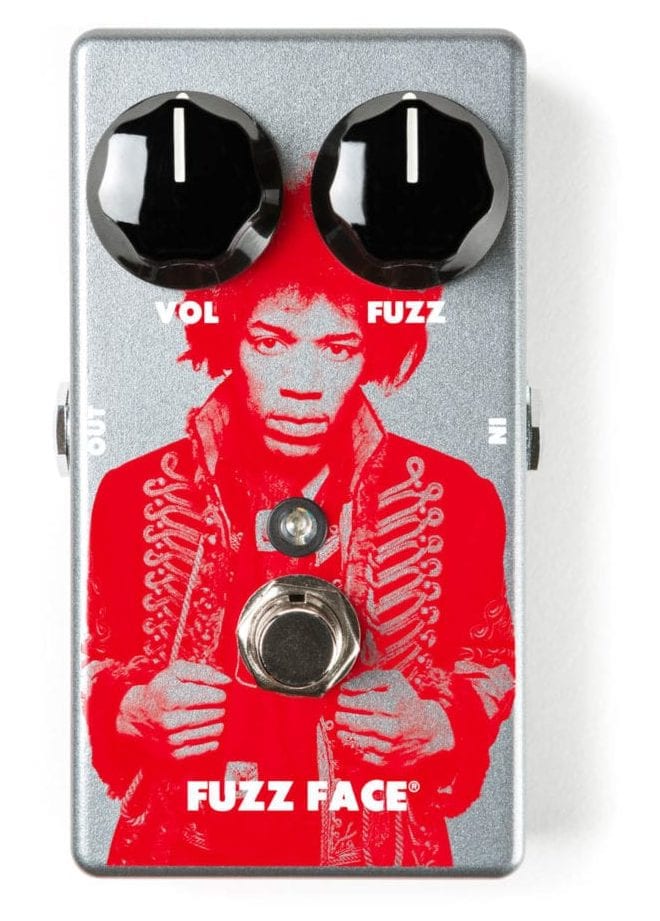
**JHM5 Jimi Hendrix Fuzz Face Distortion
**
Jimi Hendrix relied on the Fuzz Face’s power to achieve delightful semi-distorted textures, screaming psychedelic wails, and dynamic clean tones. The JHM5’s circuit is meticulously true to Hendrix’s Dallas Arbiter Fuzz Face, featuring modern appointments such as true-bypass switching, a status LED, and a 9-volt power jack. The JHM5 comes in a more compact Phase 90-sized chassis sporting festive, beautiful Hendrix art from iconic rock artist Gered Mankowitz. It lets users harness one of the most raved-about tones of all time.
Authentic Hendrix ’69 Psych Series Fuzz Face Distortion
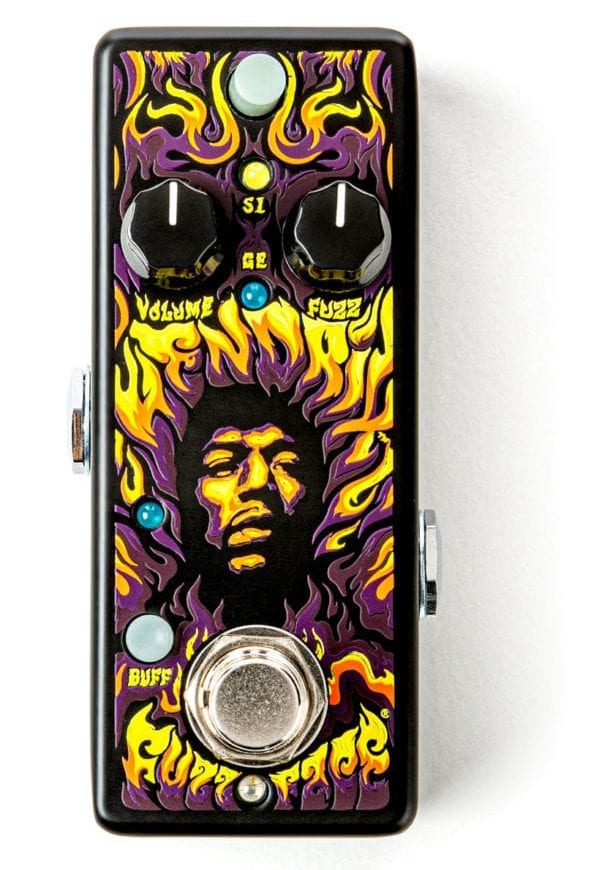
Jimi Hendrix employed various fuzz tones throughout his storied career. They can be classified into his early Experience tones (yielded by germanium—smooth, sweet, and singing) and later Band of Gypsys tones (supplied by silicon—saturated, aggressive, and biting. The Authentic Hendrix ’69 Psych Series Fuzz Face Distortion stompbox nails these two distinct flavors of Hendrix fuzz tones in one compact enclosure, boasting all the appointments modern players demand. When in default mode, the pedal dishes out the aggressive silicon-based crunch utilized by Hendrix in the late part of his career. Hitting the SI[licon]/GE[rmanium] switch produces the smooth, germanium-based saturation from his early years. The Authentic Hendrix ’69 Psych Series Fuzz Face Distortion also features a switchable buffer for best compatibility with wah pedals. Packaged within an MXR mini housing, the Authentic Hendrix ’69 Psych Series Fuzz Face Distortion sports eye-catching psychedelic artwork by award-winning UK-based design crüe ILOVEDUST.