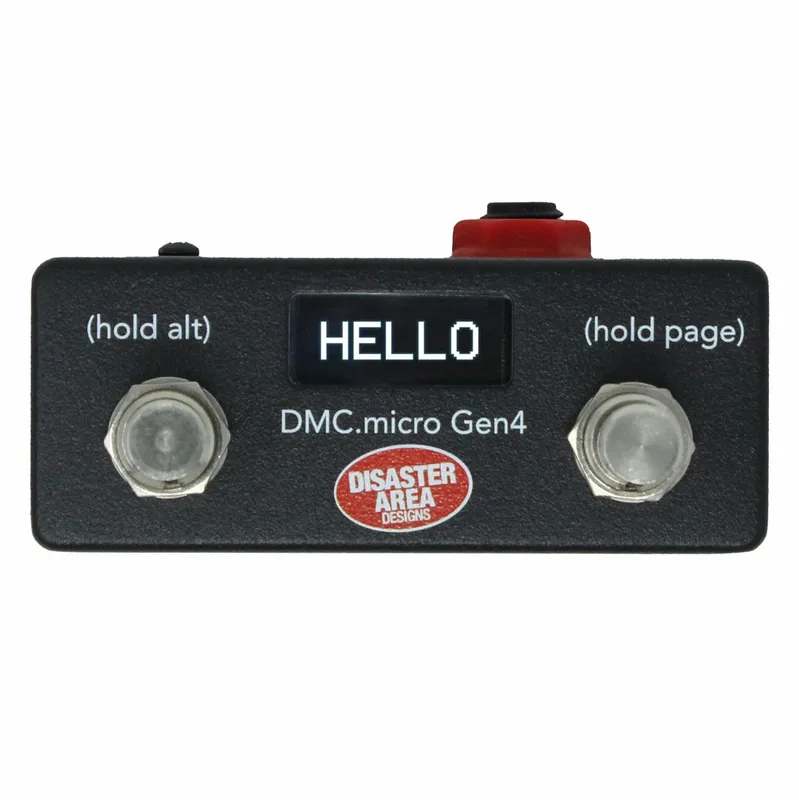
The Disaster Area Designs DMC.micro Gen4 is a micro-sized MIDI pedal controller: a box with two soft-touch footswitches and a graphical OLED display that sends MIDI commands to the rest of your pedalboard. Disaster Area Designs calls it the first in a new generation of MIDI controllers, built around a vastly improved USB controller and a dual-core 32 bit processor, and it carries all of the features of the previous DMC.micro Pro and DMC.micro Classic1. RockBoard's write-up sums up the idea in one line: "the DMC.micro Gen4 is maximum MIDI in a minimum footprint"2.
At $169.99 USD on the maker's product page (dated 26 October 2026), it is a compact way to change presets, send program changes, and run a MIDI clock from the floor without a full-sized controller1.
Power and connections
The DMC.micro Gen4 gives you two ways to power it. A 9V DC center-negative supply rated 40mA or greater works like any standard pedal, though the supply is not included. Alternatively, the USB Type-C port delivers 5V at 100mA, and the same port also carries USB MIDI and firmware updates, so a single cable from a computer can power the controller and pass MIDI at the same time1.
MIDI leaves the box through a 5-pin MIDI port, which also supports MIDI input when paired with a MIDI-Y cable. That means the micro can receive MIDI as well as send it, not just fire one-way commands at your pedals1.
The two power figures describe different supplies: 40mA or greater on 9V DC, and 100mA on USB 5V. Either option runs the controller; you do not need both1.
Controls, pages, and presets
Operation is built around two soft-touch footswitches. Tap the left or right button to perform an action, hold the left button for a third "alternate" action, and hold the right button to advance to the next "page." The controller can access up to eight pages, so a pair of switches can reach a lot of functions1.
The page types cover the main jobs a small controller does1:
| Page | What it does |
|---|---|
| Preset | Stores programs from Device Control pages and changes multiple devices at once |
| Clock | Controls the built-in MIDI clock generator |
Up to 99 user-accessible presets are available if the preset page is active, and the OLED display shows preset names, device status, clock rate, and more as you work1.
A web-based editor handles the setup: you can completely configure the controller, set preset names, re-order presets, and import and export controller settings. The editor's import and export function backs up and recalls all presets or the entire configuration, and a preset order view lets you rearrange presets with drag and drop or clone existing presets into new locations1.
The built-in MIDI clock
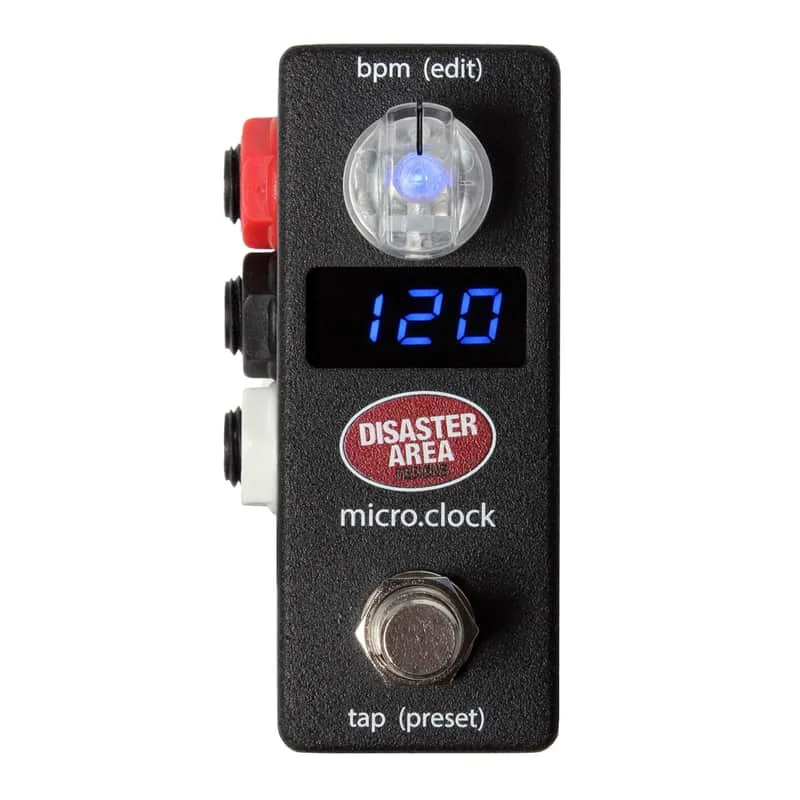
The Clock page controls the DMC.micro Gen4's built-in MIDI clock generator, so the box can serve as a tempo source for time-based MIDI pedals rather than only a preset switcher1. Disaster Area Designs frames the clock idea across its range: the related micro.clock Gen4 "allows you to synchronize your tempo-enabled MIDI and non-MIDI devices, without taking up too much precious board space"3.
Versions and limited edition colors
The DMC.micro Gen4 comes in four finishes: Carbon Black, Ghost White, Red Clay, and Robot Silver, the last marked as a limited edition1.
| Finish | Availability |
|---|---|
| Carbon Black | Standard |
| Ghost White | Standard |
| Red Clay | Standard |
| Robot Silver | Limited Edition |
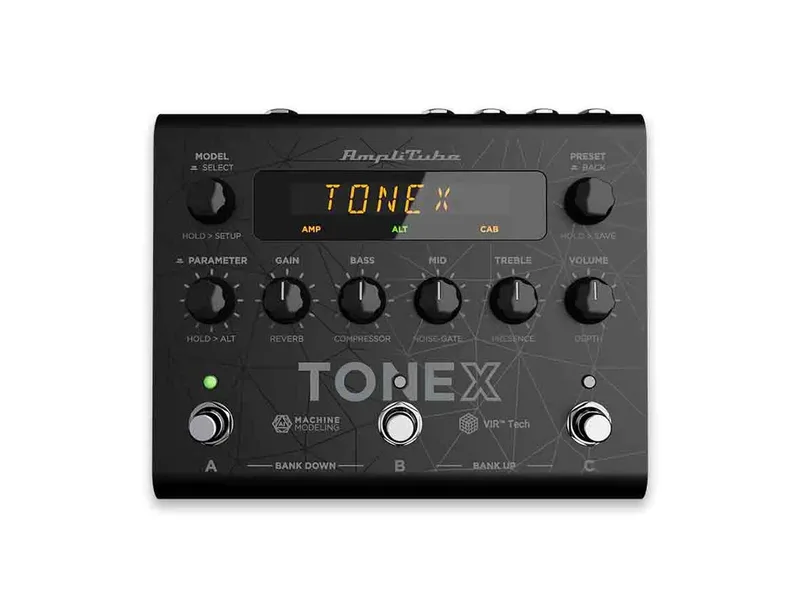
Firmware development has continued since release. In September 2025, Disaster Area Designs posted beta firmware v2.10a for the DMC.micro Gen4, adding PC toggle and PC scroll as options for UTIL mode and preliminary support for the IK Multimedia TONEX ONE, alongside the MIDI Baby 3 Gen4 and MIDI Baby Gen4. The beta firmware requires a beta version of the editor. The company also flags that Gen3 units are not compatible with the TONEX ONE, so the feature is specific to the Gen4 generation4.
Where it sits in the line
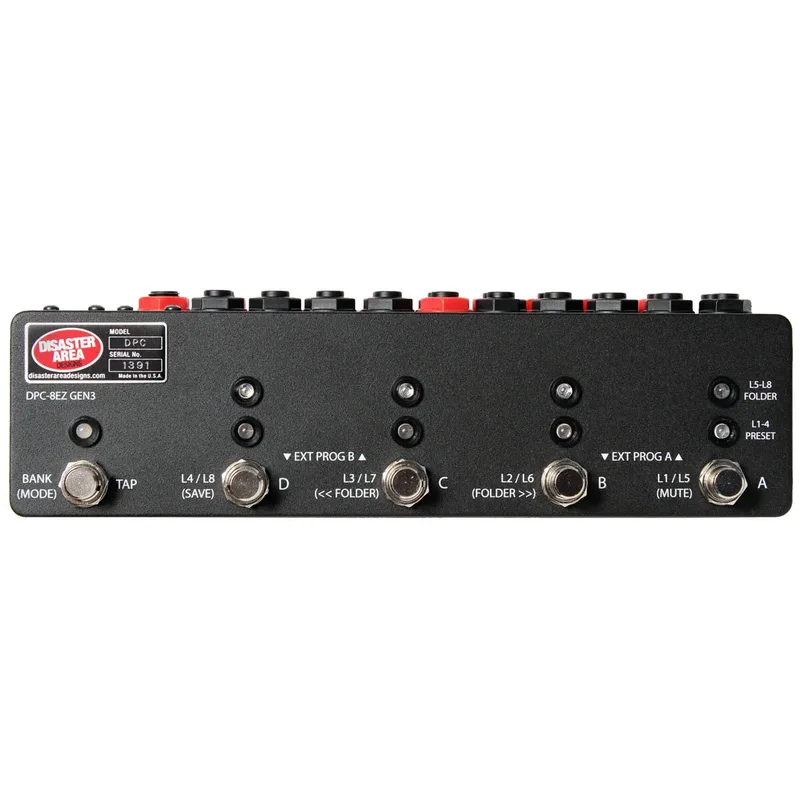
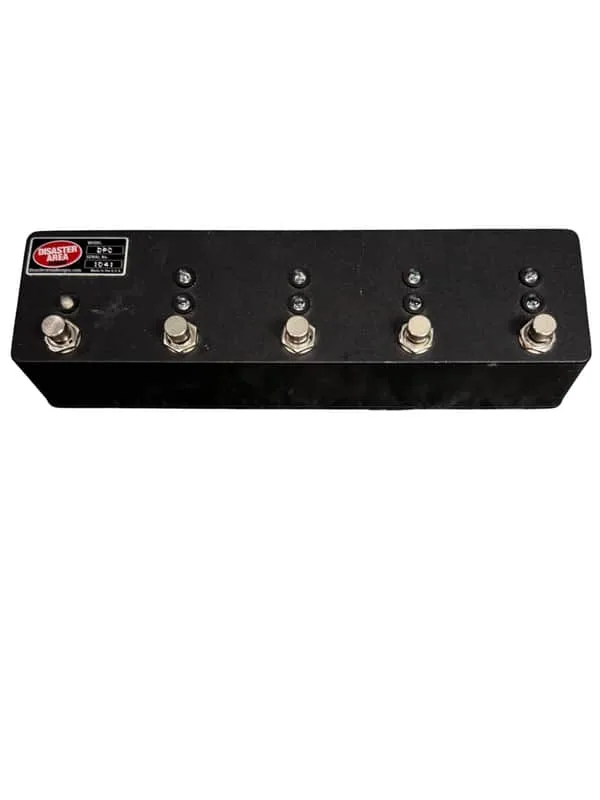
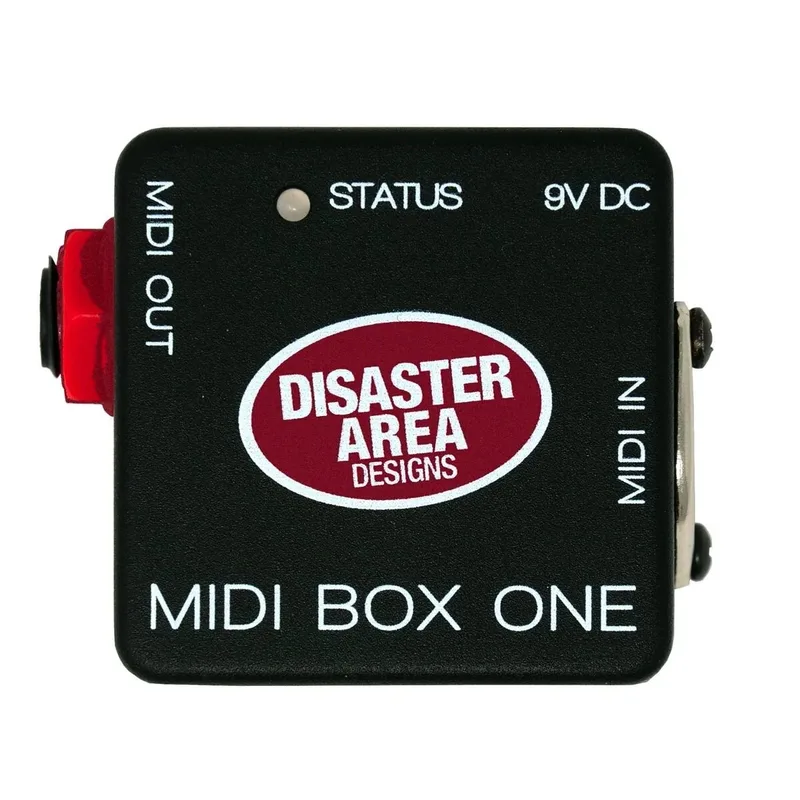
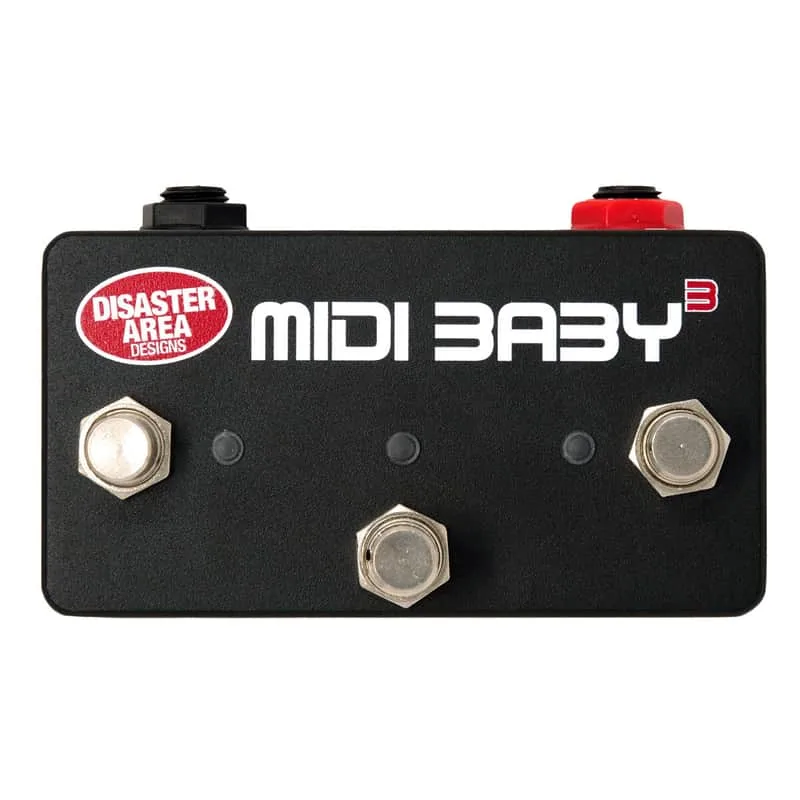
The Gen4 replaces the earlier DMC.micro Pro and DMC.micro Classic, carrying all of their features while moving to the new dual-core 32 bit processor and improved USB controller1. For players who need more switching, Disaster Area Designs also makes larger controllers such as the DPC-8EZ Gen3 and DPC-5 Gen 3, plus MIDI utility boxes like the MIDI Box ONE and Midi Baby. The micro's pitch is the footprint: 3.6 by 1.5 by 1.6 inches, small enough for a corner of the board1.
Questions
How many presets does the DMC.micro Gen4 hold?
Up to 99 user-accessible presets, and that count applies when the preset page is active. Presets store programs from Device Control pages, so one press can change multiple MIDI devices at once. A web-based editor lets you name presets, drag and drop them into a new order, and clone existing presets into new locations.
Can the DMC.micro Gen4 run on USB power?
Yes. It runs on USB 5V at 100mA through its USB Type-C port, which also handles USB MIDI and firmware updates. The alternative is a 9V DC center-negative supply rated 40mA or greater, which is not included. Either option works, so it can sit on a pedalboard or run from a computer.
Does the DMC.micro Gen4 have a built-in MIDI clock?
Yes. The controller has a built-in MIDI clock generator with its own Clock page, and the graphical OLED display shows the clock rate among other information. Disaster Area Designs positions the related micro.clock Gen4 as a way to synchronize tempo-enabled MIDI and non-MIDI devices without taking up much board space.
What is the difference between the DMC.micro Pro and Classic?
The DMC.micro Pro and DMC.micro Classic are the previous versions of the DMC.micro line. The Gen4 carries all of the features of both, and adds a vastly improved USB controller and a dual-core 32 bit processor, making it the first in a new generation of Disaster Area Designs MIDI controllers.
Does the DMC.micro Gen4 accept MIDI input?
Yes. Its 5-pin MIDI port supports MIDI input when used with a MIDI-Y cable, so the controller can receive as well as send. The USB Type-C port also carries USB MIDI, giving a second path for MIDI data in and out.
How big is the DMC.micro Gen4?
It measures 3.6 by 1.5 by 1.6 inches, or 93 by 38 by 42 millimeters. That is small enough to tuck into a corner of a pedalboard, which is the point: Disaster Area Designs describes it as maximum MIDI in a minimum footprint.
Sources (4)
- DMC.micro Gen4, Disaster Area Designs
- DMC.micro Gen4 by Disaster Area Designs, RockBoard (www.rockboard.de), 2026
- micro.clock Gen4 by Disaster Area Designs, RockBoard PedalPedia, 2026
- TONEX ONE BETA, Disaster Area Designs, 2025-09-29