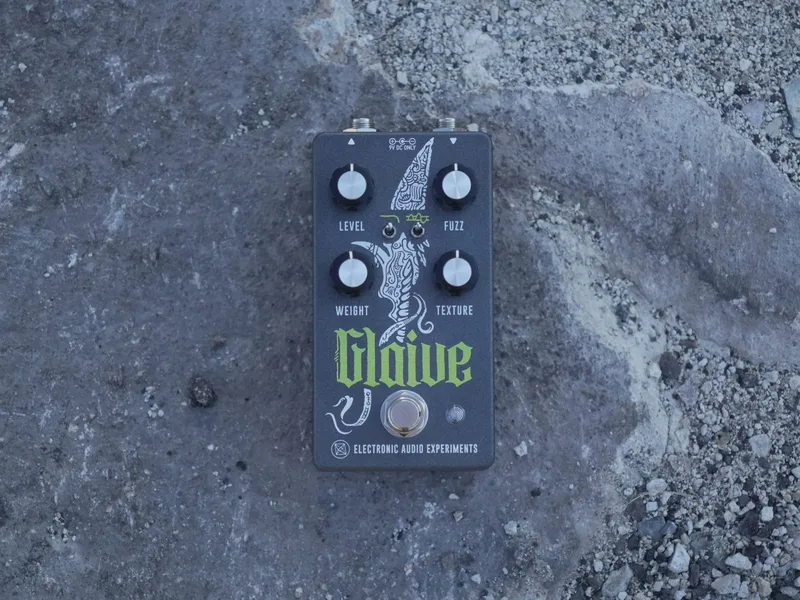


The Electronic Audio Experiments Glaive is an op amp fuzz with an analog octave up, built by the Boston pedal maker John Snyder founded. The maker calls it "the most dangerous gain device in our lineup" and says it is capable of over +80dB of gain, a very large figure for a fuzz pedal. It sits in the octave fuzz family, alongside circuits like the Octave & Pitch Pedals genre it draws from.1
What the Glaive does
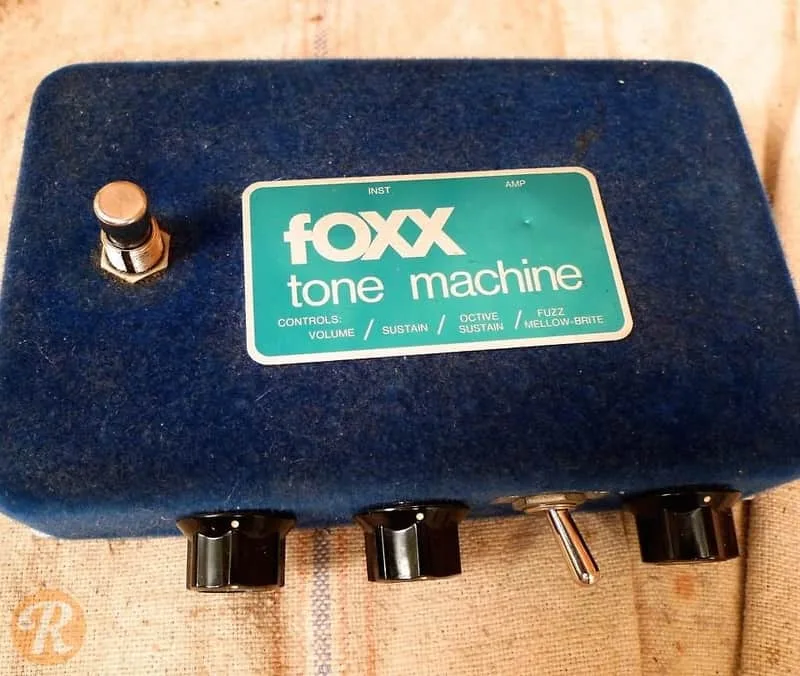
Electronic Audio Experiments describes the Glaive as "discordant yet deceptively versatile," and says of its core voice: "On its own, the raw distortion character is dynamic and articulate, with a metallic edge."1 The octave-up element places it in a lineage Guitar Pedal X described as "offering a distinct take on Octavia, Foxx Tone Machine, Super-Fuzz and Life Pedal circuits," the classic op amp and octave fuzz designs players know from the 1960s and 70s and their modern descendants.2
The maker's product page lists the Level control, which sets the output volume level.1
Controls
| Control | What it does |
|---|---|
| Level | Sets the output volume level1 |
Specifications
| Specification | Value |
|---|---|
| Gain | Over +80dB1 |
| Input impedance | 1MΩ at 1kHz1 |
| Output impedance | Under 1KΩ at 1kHz1 |
| Power | 9VDC, 2.1mm center negative barrel1 |
| Current draw | 70mA1 |
| Battery | Not accepted1 |
| Bypass | Buffered, silent electronic switching1 |
Power and connections
The Glaive runs from a standard 9VDC center negative supply with a 2.1mm barrel connector and draws 70mA. Electronic Audio Experiments states that its pedals do not accept batteries, so a battery-powered setup is out, and the 70mA draw is worth checking against a daisy chain or a low-output supply outlet.1
The Glaive does not accept a battery. It needs a 9VDC center negative supply rated for its 70mA draw.1
Bypass and switching
The footswitch activates the effect with what the maker calls intelligent momentary and latching behavior, meaning it can respond to both a quick press and a full press. Bypass is electronic and silent, with a high-headroom op amp buffer on the signal path; the maker describes it as a quiet buffered bypass.1
What reviewers said
Guitar Pedal X's Stefan Karlsson has been the pedal's most visible published reviewer. In his roundup of the year's fuzz releases he wrote:
"This +80dB Octave Fuzz sounds truly immense."
He called it potently high gain but warm and expressive overall.3 In a later piece he placed it high in his own collection, writing that it "is one of my very finest and fiercest Octave Fuzzes," a view from a reviewer who notes he owns more than 80 octave fuzzes.4
Availability and price
The Glaive's list price is $249.00 on the maker's product page.1 Guitar Pedal X noted at launch that the usual UK equivalent price is £259.2 All Glaive pedals come with the maker's standard warranty.1
The Glaive is listed as Temporarily Unavailable on Electronic Audio Experiments' product page as of October 2026. It was originally released in Fall 2025 as Version 1.1
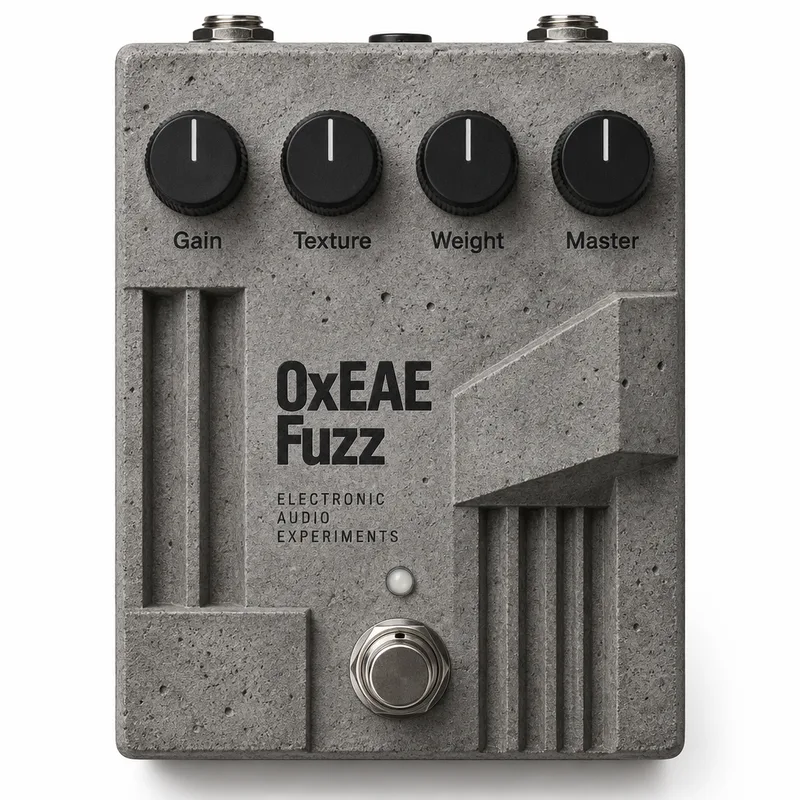
Electronic Audio Experiments also makes other dirt pedals, including the Dude Incredible, the EAE 0xEAE Fuzz and the Eldritch Blast made with Mask Audio Electronics.
Videos
Electronic Audio Experiments
ambienttrash
collector//emitter
Questions
Does the Glaive take a battery?
No. Electronic Audio Experiments states plainly that its pedals do not accept batteries, and the Glaive is no exception. It runs from a 9VDC supply with a 2.1mm center negative barrel connector and draws 70mA, so plan for a dedicated outlet on a pedalboard power supply rather than a battery compartment.
What power supply does the Glaive need?
The Glaive needs a 9VDC supply with a 2.1mm center negative barrel connector. Electronic Audio Experiments lists the current draw at 70mA, which is higher than many compact pedals, so a supply output rated for at least that much is the sensible choice. A battery will not work, as the maker's pedals do not accept them.
Is the Glaive buffered bypass or true bypass?
The Glaive uses buffered bypass. Electronic Audio Experiments describes the switching as silent electronic switching with a high-headroom op amp buffer, and calls the bypass quiet, with intelligent momentary and latching functionality on the footswitch.
How much gain does the Glaive have?
Electronic Audio Experiments says the Glaive is capable of over +80dB of gain, which is a very large amount for a fuzz pedal. The maker describes the raw distortion character as dynamic and articulate, with a metallic edge, and Guitar Pedal X found it potently high gain but warm and expressive overall.
Who designed the Glaive?
The Glaive was designed by John Snyder of Electronic Audio Experiments. Guitar Pedal X's coverage of the pedal's release in October 2025 credits it as John Snyder's Electronic Audio Experiments Glaive.
Sources (4)
- Glaive Octave Fuzz, Electronic Audio Experiments
- Guitar Pedal X, Guitar Pedal X, 2025-10-17
- Guitar Pedal X, Guitar Pedal X, 2025-12-08
- Guitar Pedal X, Guitar Pedal X, 2026-04-16