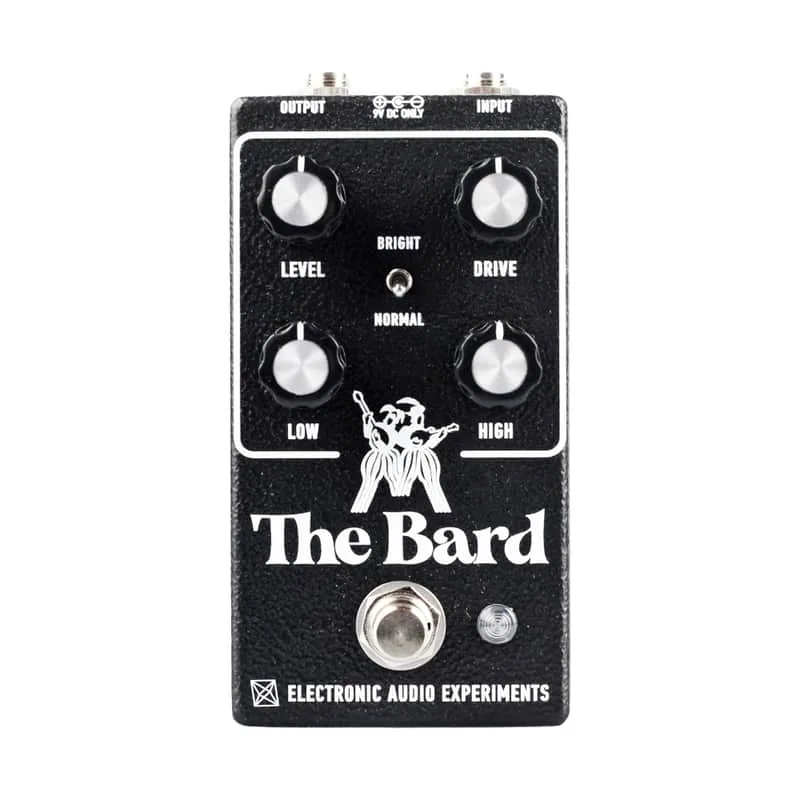
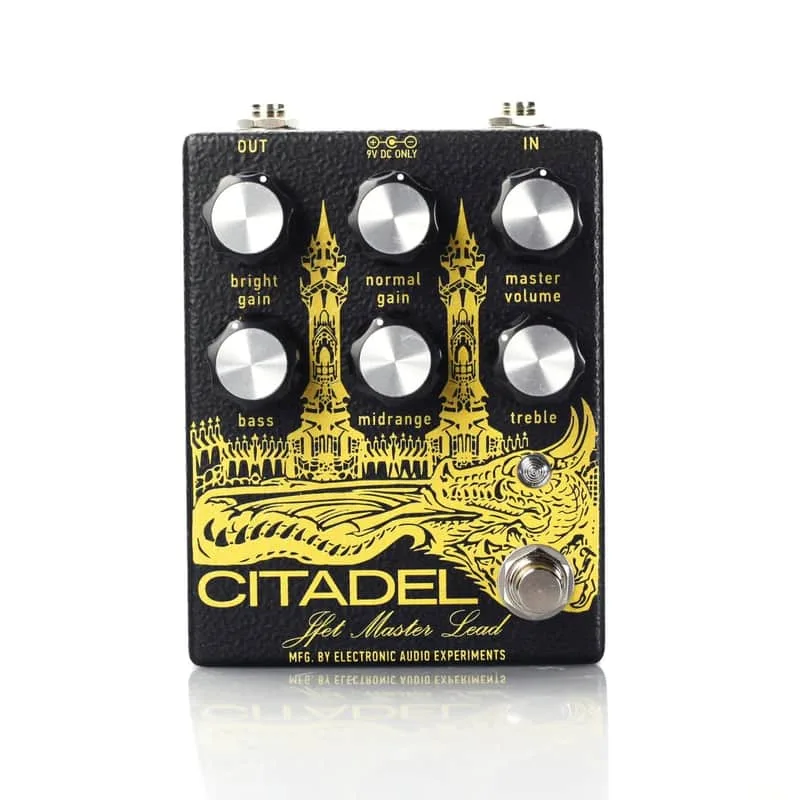
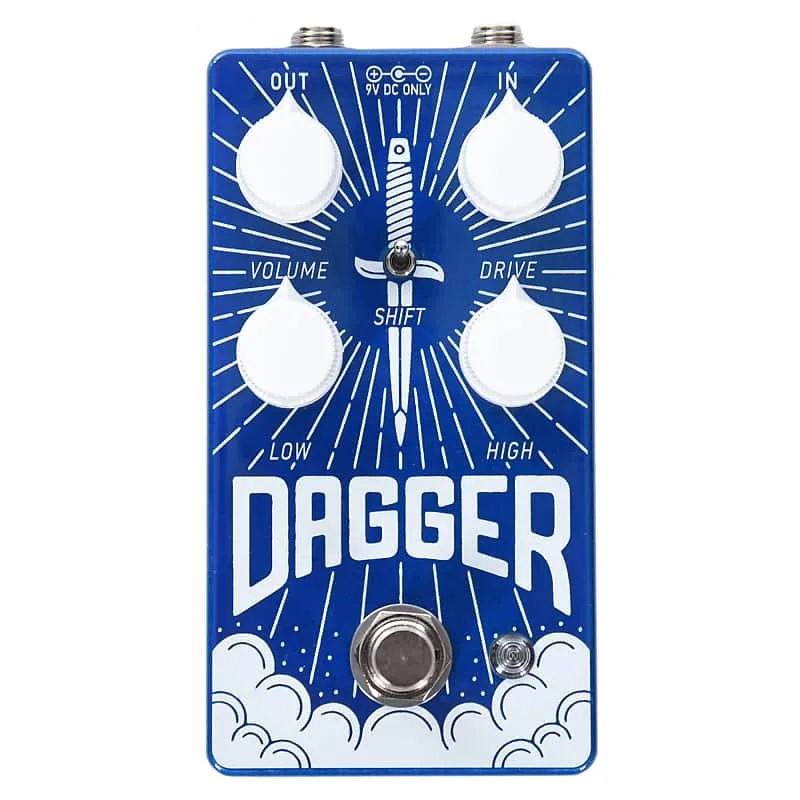
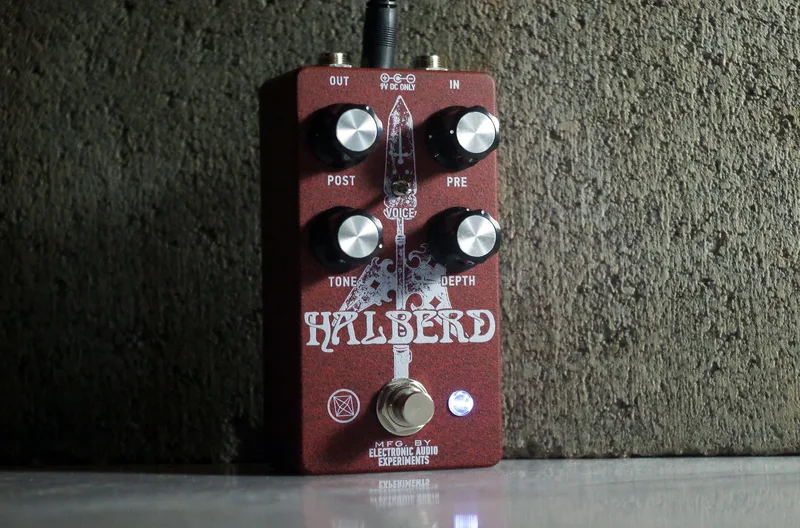
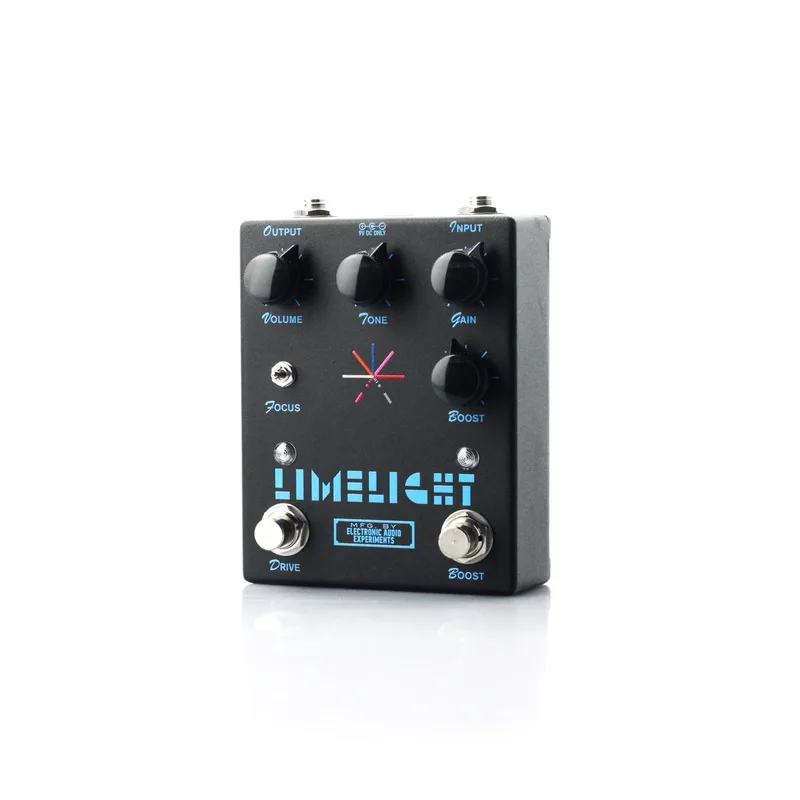
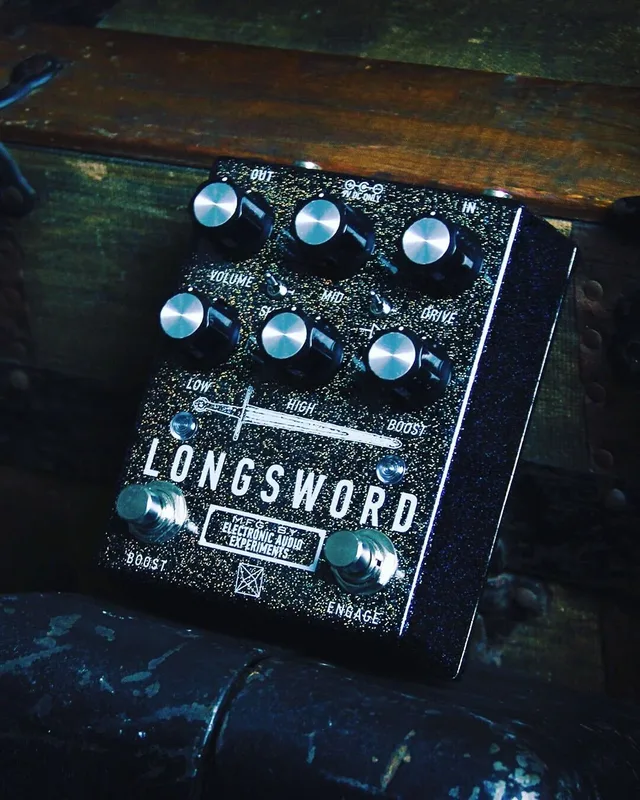
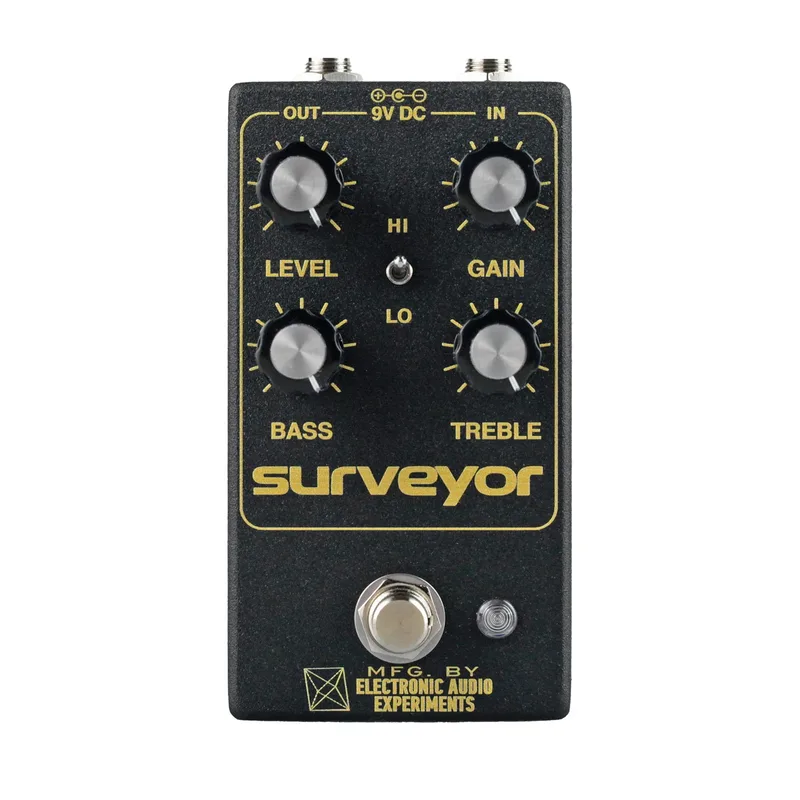
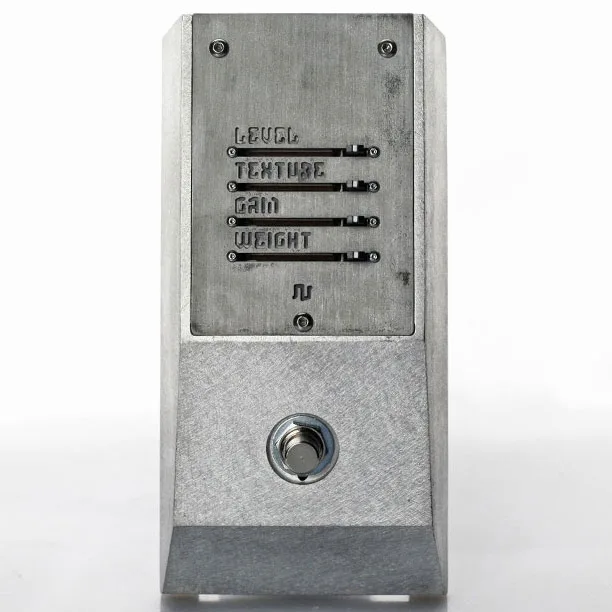
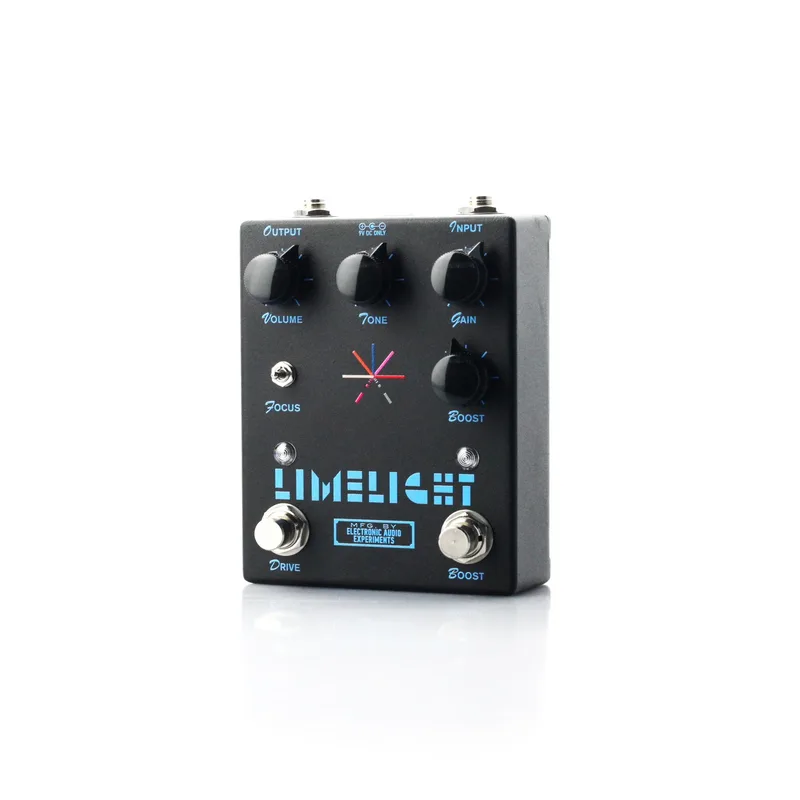
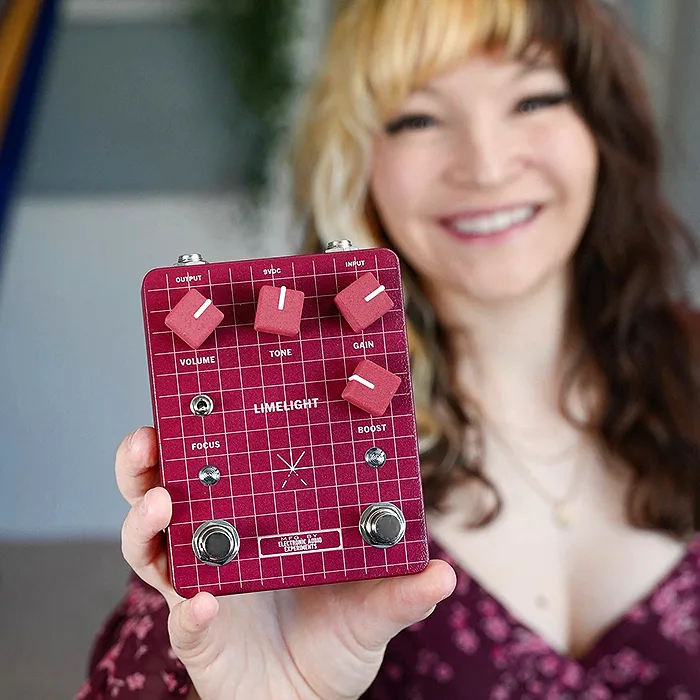
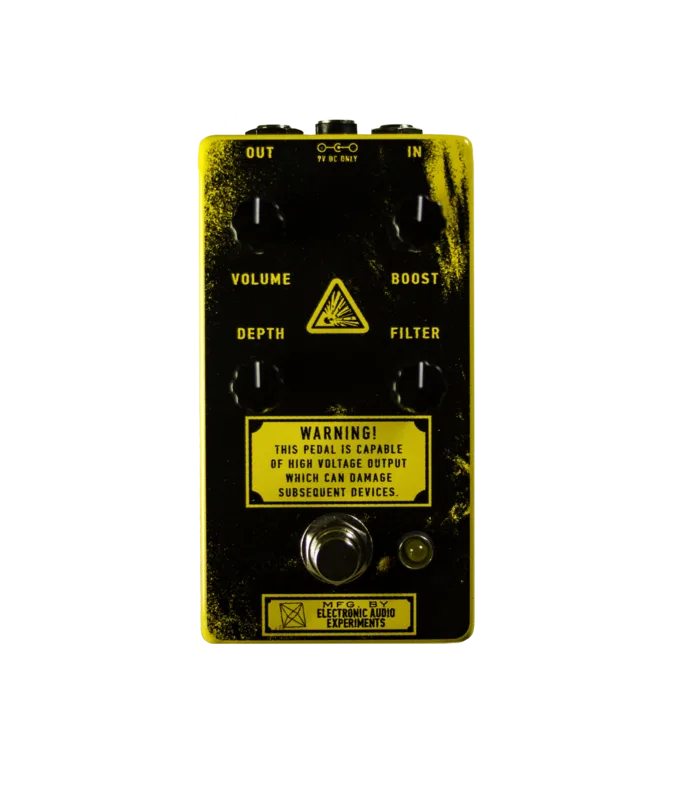
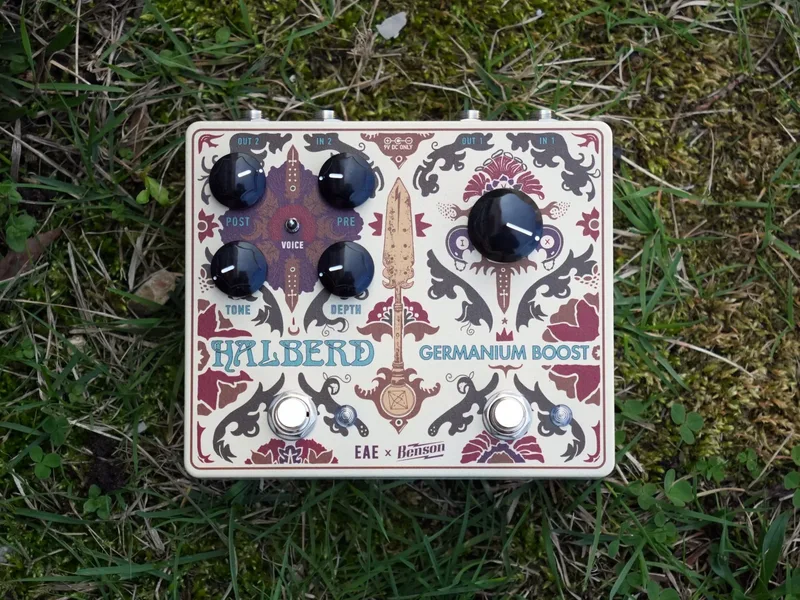
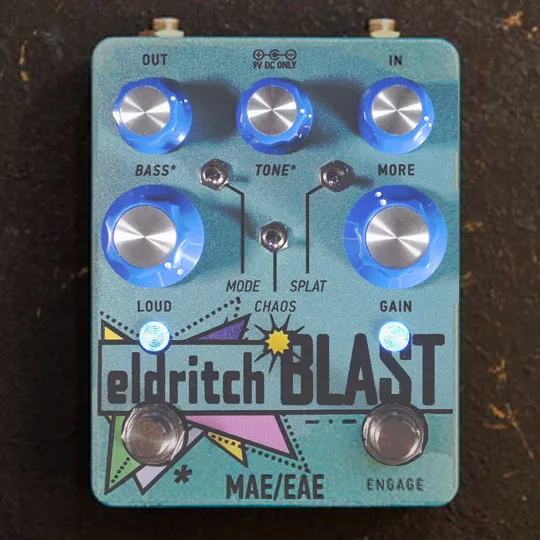
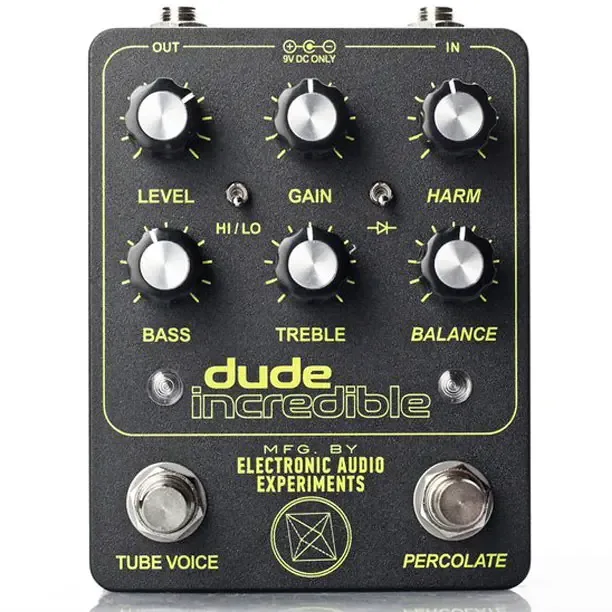
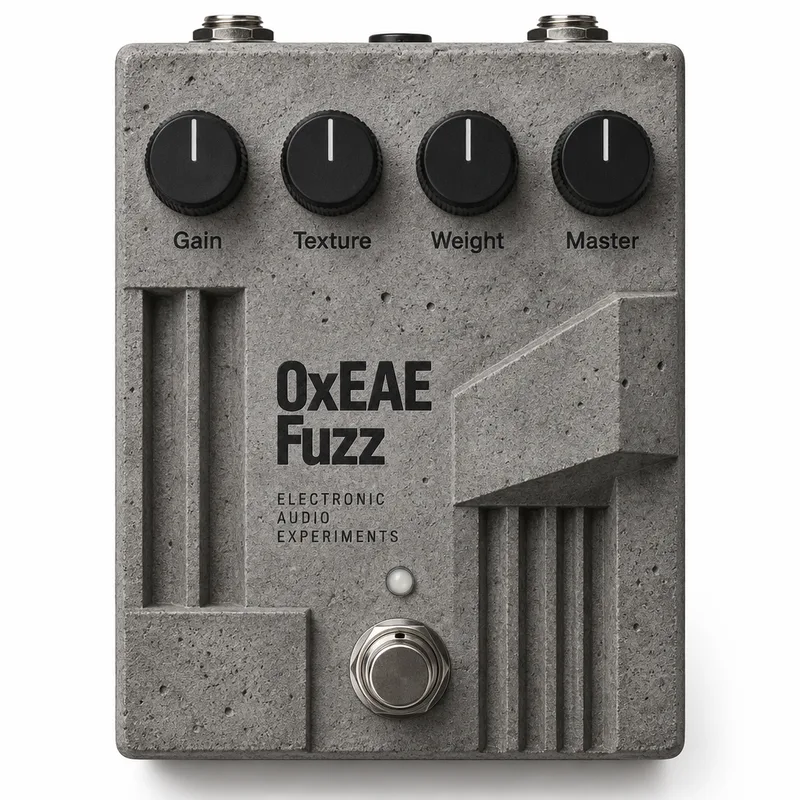
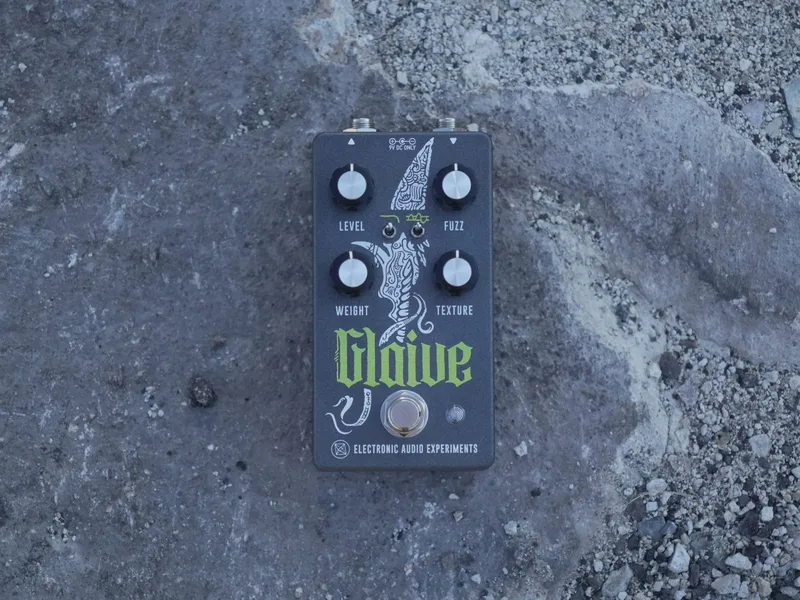
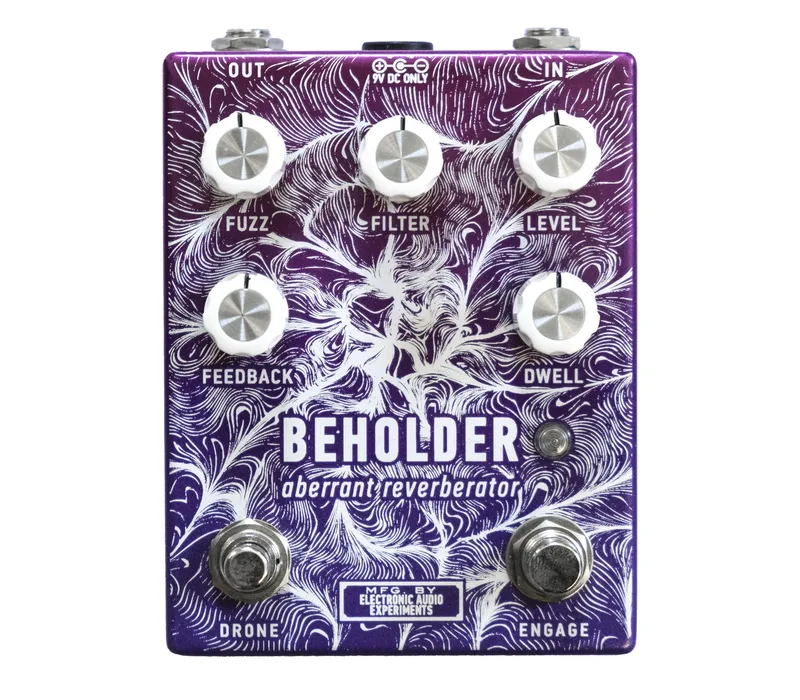
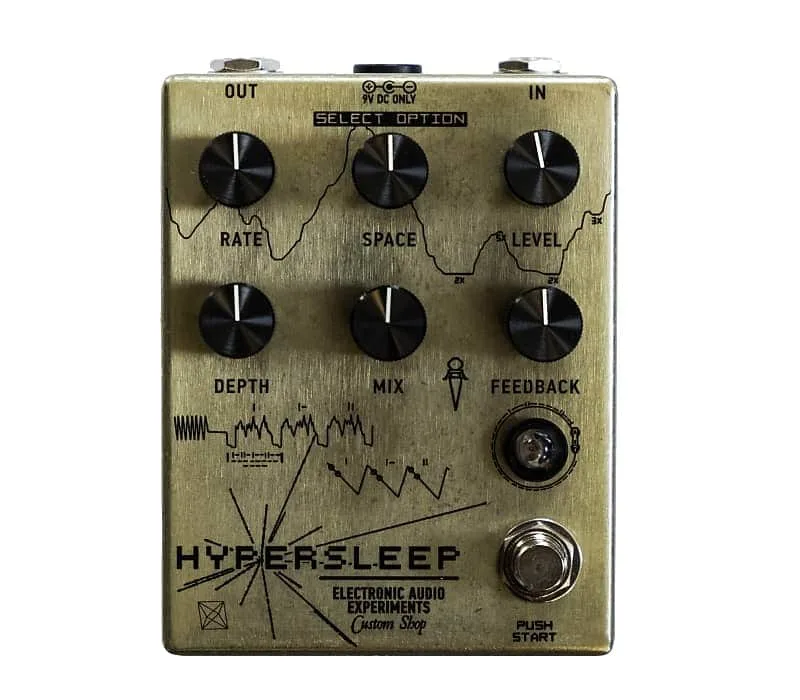
The company is best known for its drive pedals, including the Limelight, Model feT, Citadel, Halberd with Germanium Boost, Mirror House and the Bard2. Alongside the analog drives, EAE builds digital pedals with updatable firmware over MIDI, and it has collaborated with other makers, including a digital mixer pedal built with Elite Acoustics.
The story: a Boston pedal maker
EAE was founded in 2015 by John Snyder, a guitarist and electrical engineer, and remains a workshop operation: the company states plainly that its products are imagined and assembled in a small workshop in Boston, MA1. That scale shapes the catalog. Rather than chasing every effect category, EAE offers what it calls a mix of unique, purpose-built designs and homages to forgotten circuits of the past1, which in practice means a catalog weighted toward overdrive, preamp and fuzz pedals alongside a smaller number of digital designs.
Older pedals move to a legacy page when they leave the lineup. The company notes that the pedals listed there are discontinued or on indefinite hiatus, and that some of them are available as open source designs on its DIY page3, so retired circuits are not necessarily lost to builders.
What EAE is known for
The core of the reputation is drive. The Halberd v2 is an overdrive and preamp, and EAE describes it as a medium-gain device with the harmonic fullness and grind of a much higher-gain pedal, one that stands apart from both the brazen buzz of op amp distortion and the smooth breakup of JFET amp emulations4. The Longsword is an op-amp based drive pedal5, and the Bard takes what EAE calls its favorite parts of a cult classic and editorializes them into a compact overdrive pedal2.
| Pedal | Type | What EAE says about it |
|---|---|---|
| Halberd v2 | Overdrive, preamp | Medium-gain with the grind of a higher-gain pedal4 |
| Longsword | Op-amp based drive | A contender in the op-amp drive field5 |
| Bard | Overdrive | Favorite parts of a cult classic in a compact pedal2 |
| Model feT | Preamp | Goes beyond triode-to-JFET emulation with an emulated power amp6 |
| Citadel | Preamp | Began as experiments on the Model feT7 |
The Model feT preamp is a good example of the engineering-first approach: EAE says it goes beyond the standard triode-to-JFET emulation approach with the inclusion of an emulated power amp6. The Citadel grew directly out of that circuit, beginning as a series of experiments on the Model feT pedal7.
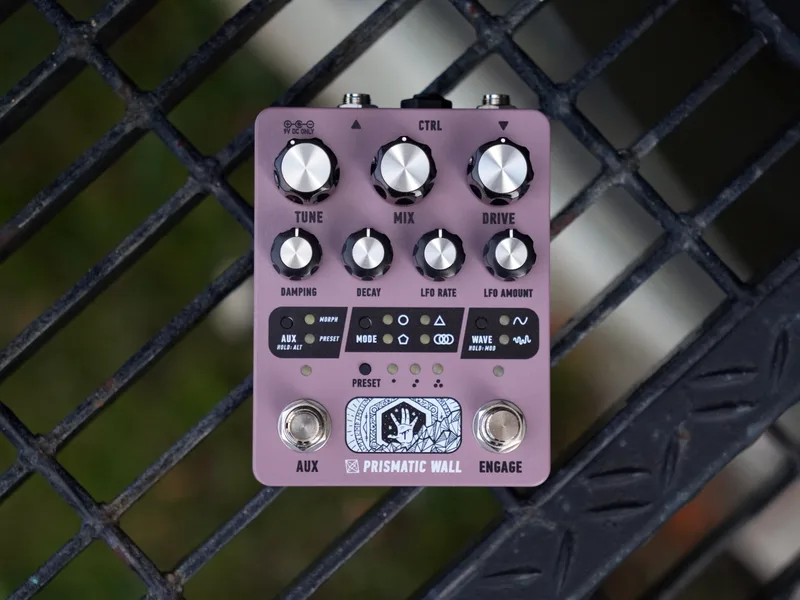
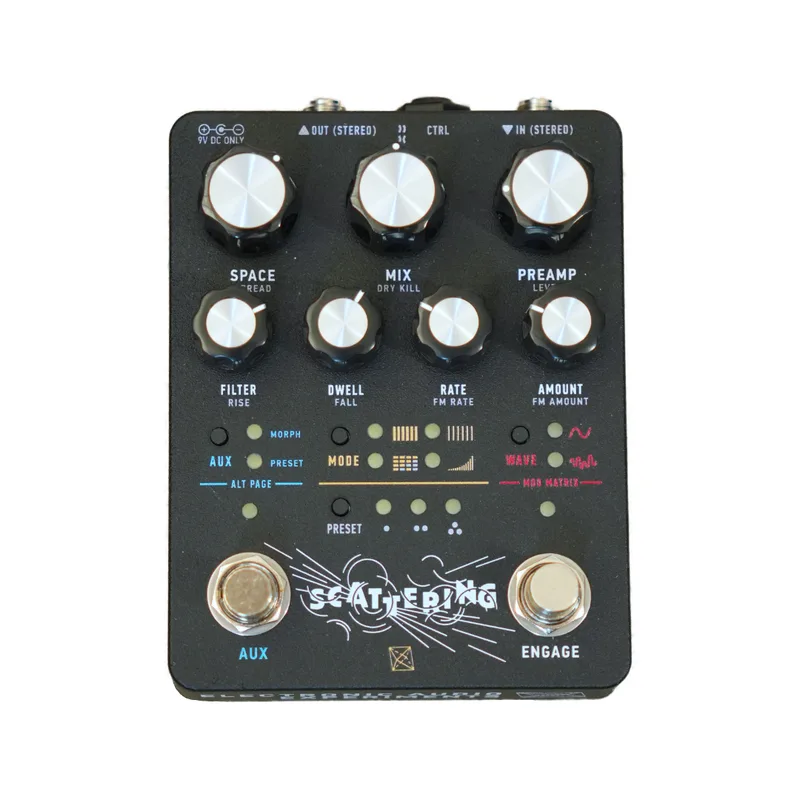
On the digital side, pedals like the Sending, Scattering and Prismatic Wall carry updatable firmware, with the Sending offering web-enabled firmware updates via its MIDI jack8, and Scattering and Prismatic Wall updating via MIDI sysex messages910.
John Snyder, owner and lone builder
John Snyder founded EAE in 2015 and is both its owner and its lone builder, a guitarist and electrical engineer by background1. His design work also reaches other companies: the Chase Bliss Big Time is credited by Chase Bliss as "Made with John Snyder at Electronic Audio Experiments"11.
"Made with John Snyder at Electronic Audio Experiments."
Collaborations
EAE's name appears on gear built with other makers. The EAE StompMix 4, a digital mixer pedal built with Elite Acoustics, has its own firmware line: version 1.02 adds a Shimmer Reverb and can update from V1.01 or V1.00 firmware, and the firmware version can be checked by holding down the SYSTEM button12. On the legacy side, the 0xEAE Bass Driver shipped with V1 firmware in April 2025 as its initial release13.
Support: firmware updates over MIDI
EAE runs a web portal for updating firmware on supported products, with instructions in the sidebar14. The practical details:
- Do you need it? If you don't use MIDI or other deeper functions of a pedal, you most likely don't have to update your firmware14.
- Presets: updates are designed to preserve your presets; only a significant update would change this, and EAE says ample warning would be given14.
- Browser: Web MIDI seems to work best with Chrome-based browsers14.
- Manual option: sysex files can be downloaded directly from each pedal's product page and transferred with programs such as Sysex Librarian or Bome SendSX14.
The MIDI interface matters. It needs to be able to pass full sysex messages without interruption14.
| Works for EAE sysex transfers | Will not work |
|---|---|
| Motu, SSL, Focusrite, RME and UA interfaces with dedicated MIDI output14 | Strymon Conduit14 |
| Roland UM-One (used by EAE in production)14 | M Audio USB Uno14 |
| Morningstar MC3, MC6, MC8 and similar14 |
If a pedal won't enter boot mode, EAE suggests power cycling and holding the footswitch down longer than seems necessary; if that doesn't work, entering boot mode with no MIDI cable connected and plugging it in after power up is the fallback14.
The range (27)
News
Questions
Where are Electronic Audio Experiments pedals made?
All EAE products are imagined and assembled in a small workshop in Boston, Massachusetts. The company describes itself as a mix of unique, purpose-built designs and homages to forgotten circuits of the past, built in-house rather than outsourced.
Who founded Electronic Audio Experiments?
The company was founded in 2015 by John Snyder, a guitarist and electrical engineer. He remains the owner and lone builder, and also designs for other makers, including the Chase Bliss Big Time, which Chase Bliss credits as made with John Snyder at Electronic Audio Experiments.
What kind of overdrive is the EAE Halberd?
The Halberd v2 is an overdrive and preamp pedal. EAE describes it as a medium-gain device with the harmonic fullness and grind of a much higher-gain pedal, one that stands apart from both op amp distortion buzz and the smooth breakup of JFET amp emulations.
Do I need to update the firmware on my EAE pedal?
Usually not. EAE says that if you don't use MIDI or other deeper functions of a pedal, you most likely don't have to update your firmware. Updates add features and fixes for players who use those deeper functions, and are delivered through a web portal or manual sysex transfer.
Which MIDI interfaces work for EAE firmware updates?
A MIDI interface that can pass full sysex messages without interruption is required. EAE reports that Motu, SSL, Focusrite, RME and UA interfaces with dedicated MIDI outputs have worked, and it uses a Roland UM-One in production. Strymon Conduit, M Audio USB Uno and Morningstar MC-series controllers will not work.
Will a firmware update erase my EAE presets?
No, in normal cases. EAE designs its updates to preserve your presets, and says only a significant update would change this, with ample warning given beforehand. You can update through the web portal or by downloading sysex files from each pedal's product page.
Are discontinued EAE pedals available as DIY projects?
Some are. EAE's legacy page lists pedals that are discontinued or on indefinite hiatus, and notes that some of these are available as open source designs on the company's DIY page, so builders can construct retired circuits themselves.
Sources (14)
- About - Electronic Audio Experiments, Electronic Audio Experiments
- Electronic Audio Experiments Bard, Electronic Audio Experiments
- Legacy Products, Electronic Audio Experiments
- Halberd v2 by Electronic Audio Experiments, RockBoard PedalPedia, 2026
- Longsword, Electronic Audio Experiments
- Model feT, Electronic Audio Experiments
- Electronic Audio Experiments Citadel JFET Master Lead, Electronic Audio Experiments
- Electronic Audio Experiments Sending, Electronic Audio Experiments
- Scattering, Electronic Audio Experiments, 2026
- Prismatic Wall, Electronic Audio Experiments
- Big Time, Chase Bliss
- EAE StompMix 4 Compact Digital Mixer Pedal, Elite Acoustics, 2026-08-16
- 0xEAE Bass Driver Archive, Electronic Audio Experiments, 2025
- Firmware Portal, Electronic Audio Experiments