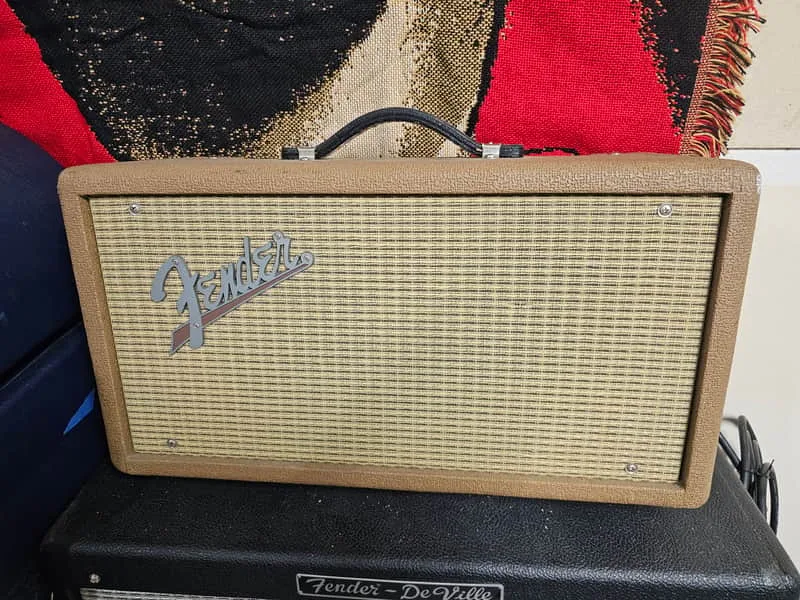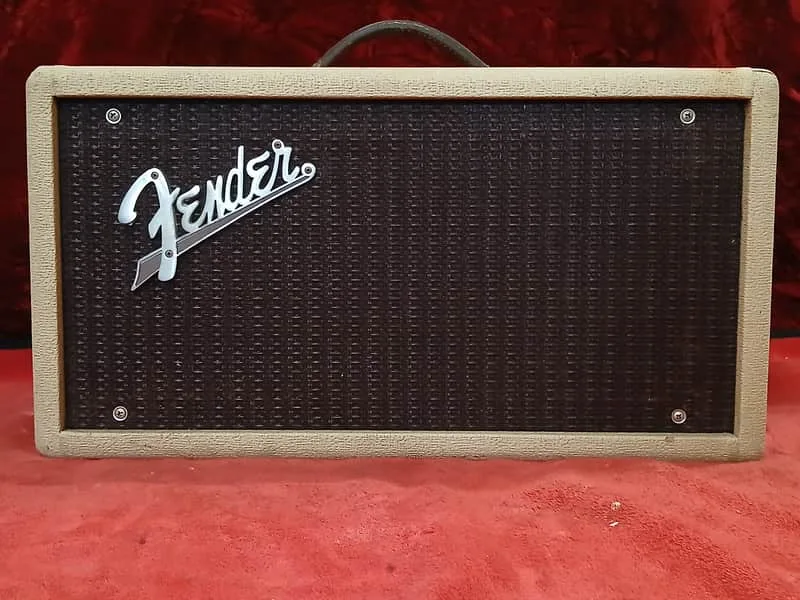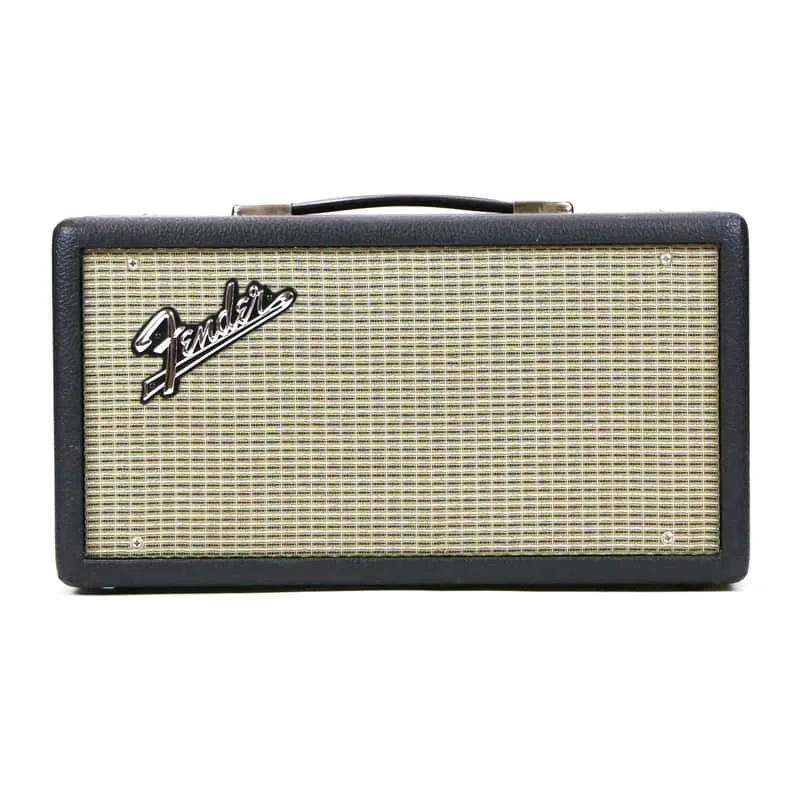


The Fender 6G15 is a standalone, tube-driven spring reverb unit for electric guitar, released by Fender in the early 1960s and one of the first reverb units available for electric guitars123. It is a two-spring design whose sound is characterized by a "drippy" attack and animated trail3, and it is closely tied to the sound of surf music, spaghetti western soundtracks and many other great guitar sounds from the 1960s4.
What it is and what it does
The 6G15 resembles a small amplifier head rather than a pedal, with three simple controls: dwell, mix and tone2. It is not a stompbox you bolt onto a board; it is an outboard unit that sits between the guitar and the amplifier, in the tradition that later reverb pedals grew out of.
com's reverb guide gives 19612, while Surfy Industries' product pages give 19625. Both place it at the start of the 1960s.
The 6G15 is no longer in production. Surfy Industries describes it as "the now discontinued and collectible Fender unit"5, so original examples are secondhand items rather than current stock.
The controls
| Control | What it does |
|---|---|
| Dwell | Controlled how hard the springs were getting hit by the guitar signal6 |
| Mix | Blends the reverb with the dry signal2 |
| Tone | Allowed the treble to be dialed back to just the right degree of brightness6 |
The Dwell knob is the one that defines the unit's character: driving the springs harder is what produces the long, drippy trail the 6G15 is known for36.
Running it in front of the amp
Part of the 6G15's appeal is where it sits in the signal chain. As Paolo De Gregorio of Delicious Audio explains, "it is run in front of the amp, causing the reverb signal to distort and sound more intense"6. He adds: "It was also essentially a tube preamp, so it would color the sound going into the amp"6. In other words, the 6G15 is not a transparent add-on: it shapes the whole signal on its way into the amplifier, which is a large part of why its reverb sounds fuller and more aggressive than an amp's built-in spring reverb pushed on its own.
The footswitch jack
One practical detail that catches players used to modern gear: on the 6G15 the footswitch jack is located at the back of the chassis, between the tubes7. It is easy to overlook if you are expecting it on the rear control panel.
Legacy and where to hear it today
The 6G15 "has set the standard for generations of musicians," according to Surfy Industries' manual for their 6G15-inspired units8. Its bright, drippy spring sound is the reference point for a whole family of gear, from the Fender '63 Tube Reverb to modern pedal recreations, and it remains the sound players reach for when they want that early-1960s surf and spaghetti western character4.
Videos
Bunkymark
jaik willis
Bob's Tone Review
News
Questions
What does the Dwell knob do on a Fender 6G15?
The Dwell knob controlled how hard the springs were getting hit by the guitar signal. Turning it up drives the spring tank harder, which is where the unit's characteristic long, drippy reverb trail comes from. Together with the Mix and Tone knobs it gives the 6G15 just three simple controls, in the manner of a small amplifier head.
Is the Fender 6G15 a pedal?
No. The 6G15 is a standalone, tube-driven outboard spring reverb unit that resembles a small amplifier head, not a stompbox. It sits between the guitar and the amplifier, and it is run in front of the amp rather than in an effects loop, which is part of why its reverb signal distorts and sounds more intense when pushed.
What happens when you run a Fender 6G15 in front of an amp?
Running the 6G15 in front of the amp causes the reverb signal to distort and sound more intense. The unit is also essentially a tube preamp, so it colors the sound going into the amp, adding its own character to everything the amplifier then receives.
Is the Fender 6G15 still made?
No, the Fender 6G15 is discontinued and has become a collectible unit. Players looking for the same circuit today will find a number of recreations and pedals built around the 6G15's bright, drippy spring reverb sound.
Where is the footswitch jack on the Fender 6G15?
On the Fender 6G15 the footswitch jack is located at the back of the chassis, between the tubes. That placement is easy to miss if you are used to pedals and modern amps, where the footswitch jack is usually on the rear panel.
What kind of music is the Fender 6G15 known for?
The 6G15 is the sound of surf music and spaghetti western soundtracks, along with many other great guitar sounds from the 1960s. Its bright, drippy spring reverb set the standard for generations of musicians and remains closely associated with that era's electric guitar tone.
Sources (8)
- Surfy Industries, Surfy Industries
- All About… Reverb, Guitar.com, 2015-08-06
- Source Audio True Spring Reverb, Pedal of the Day, 2021-04-26
- Catalinbread Topanga II: More verb, more surf, more spaghetti, gearnews.com, 2019-08-22
- Surfy Industries, Surfy Industries
- Catalinbread Topanga Spring Reverb, Delicious Audio, 2018-03-04
- Surfy Industries, Surfy Industries
- SurfyBear Studio Manual, Surfy Industries, 2026