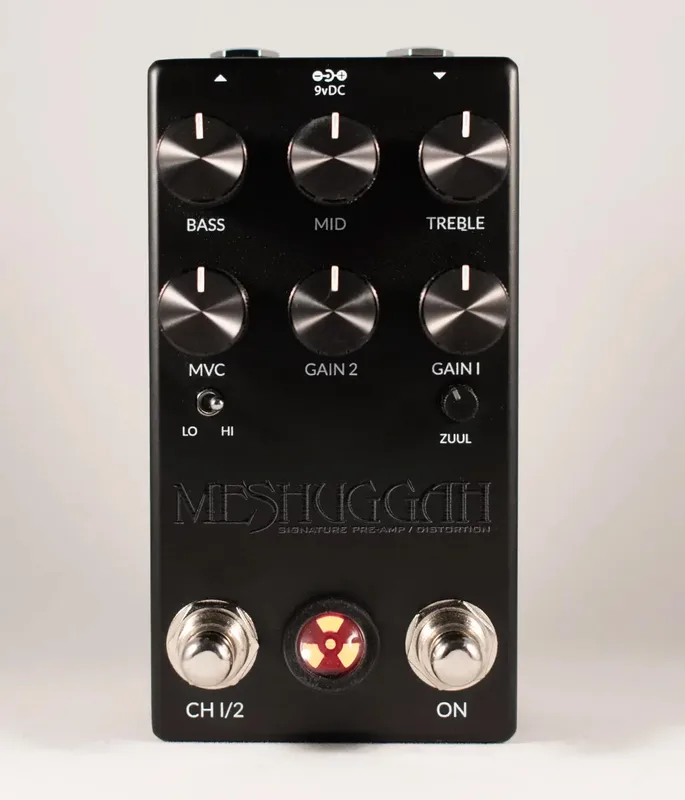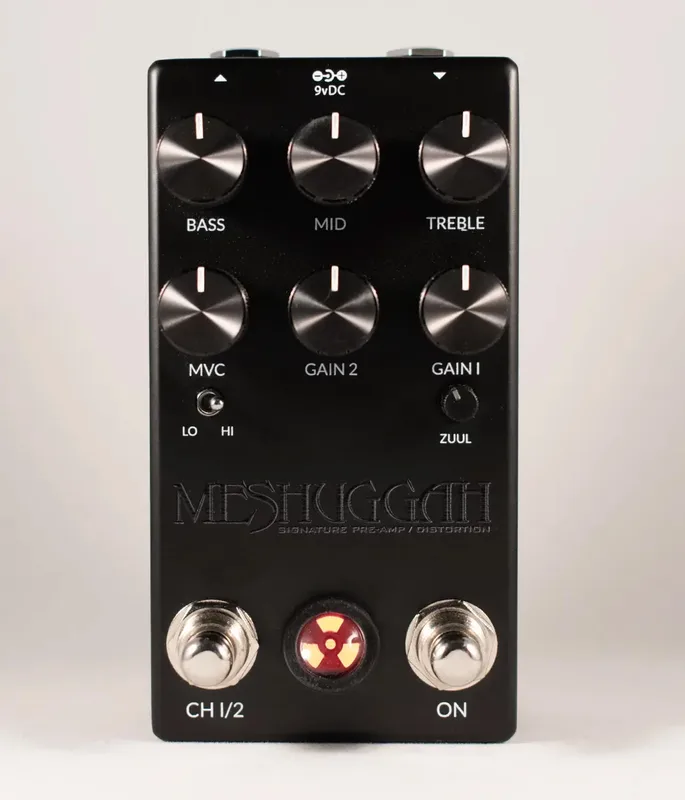


The Fortin Meshuggah Preamp/Distortion is a signature preamp pedal from Fortin Amplification, built in collaboration with Meshuggah guitarists Fredrik Thordendal and Mårten Hagström and based on the preamp and gain structure of their signature Blackout amp head123. Fortin released it in 2025, shrinking the circuit of the 50W signature head into a pedalboard format for what the maker calls the modern "in-the-box" and pedalboard player45.
It is not a conventional distortion stompbox. Fortin describes it as a specialized preamp designed to handle the massive harmonic demands of extended-range guitars, and press coverage of the pedal centers on saturated, tight, palm-muted djent sounds62. It carries two footswitchable channels, two gain structure modes, a three-band active EQ and a built-in Zuul noise gate, at a launch price of $34913.
What the Meshuggah pedal does
The pedal is a preamp first: it is meant to feed a power amp, the power section of a Meshuggah amp, or a cab sim, rather than to stack in front of a dirty amp channel like an overdrive. Guitar World's reviewer found that running it into the power section of a Meshuggah amp, or into the IR section of the Neural DSP Nameless X suite, made the tonal differences extremely hard to hear, which is the strongest claim a pedal version of an amp can earn17. RockBoard's PedalPedia entry quotes the maker's position that Mike Fortin got as close as he could to the tone, and most importantly, the feel of the amp7.
Guitar World's reviewer summed up the sound in one line:
"Some of the tightest, most vicious modern metal tones you'll find anywhere."
Guitar World review3
Guitar Pedal X named it among the best new distortion pedals of 2025, noting its 3-band active EQ, built-in Zuul noise gate, two channels and two gain structure modes8.
The controls
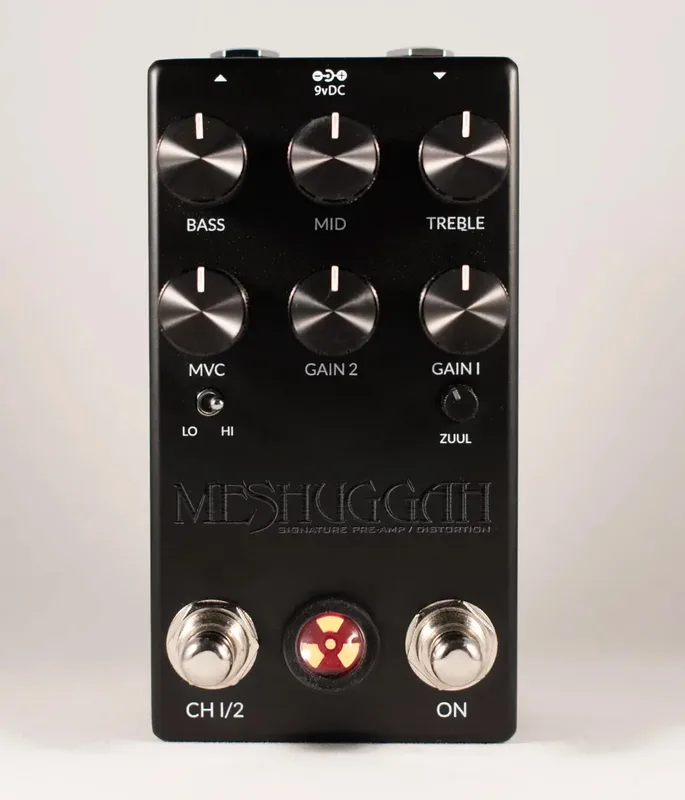
The control set splits into gain shaping, EQ and gating. Guitar World lists the full layout3, and Guitar Pedal X adds what each gain control handles8:
| Control | What it does |
|---|---|
| On/off footswitch | Engages and bypasses the pedal |
| Green/Red channel select footswitch | Switches between the two channels |
| Lo/Hi gain toggle switch | Selects the gain structure mode |
| Gain 1 | Bright, high-end frequencies distortion8 |
| Gain 2 | Low-end frequencies distortion8 |
| MVC master volume | Overall output level, works with the Lo/Hi modes to sculpt gain1 |
| Active Bass, Mids, Treble | Three-band active EQ |
| Zuul | Built-in noise gate |
The EQ is active rather than passive, so it cuts and boosts rather than only cutting, which matters for the surgical mid shaping modern metal depends on. Fortin describes the two channels as covering the range from crushing rhythm to searing lead tones5, and the maker's product page says the two gain modes make the tone range from a chug to a harsh fuzz6.
Two channels, four modes and a Zuul gate
The channel and mode system is what separates this pedal from a single-channel distortion. Two footswitchable gain stages, Red and Green, are each selectable in either Lo or Hi gain structure mode, giving four combinations in total35. Guitar Pedal X describes the Lo and Hi gain structure modes as letting you ramp up the saturation and compression further on both channels2.
The Lo/Hi toggle is the character switch:
- Hi mode: a more compressed, modern feel; Guitar World says it "promises sonic devastation"13
- Lo mode: an "open, raw vintage" feel, which Guitar World calls "chimey" vintage tones13
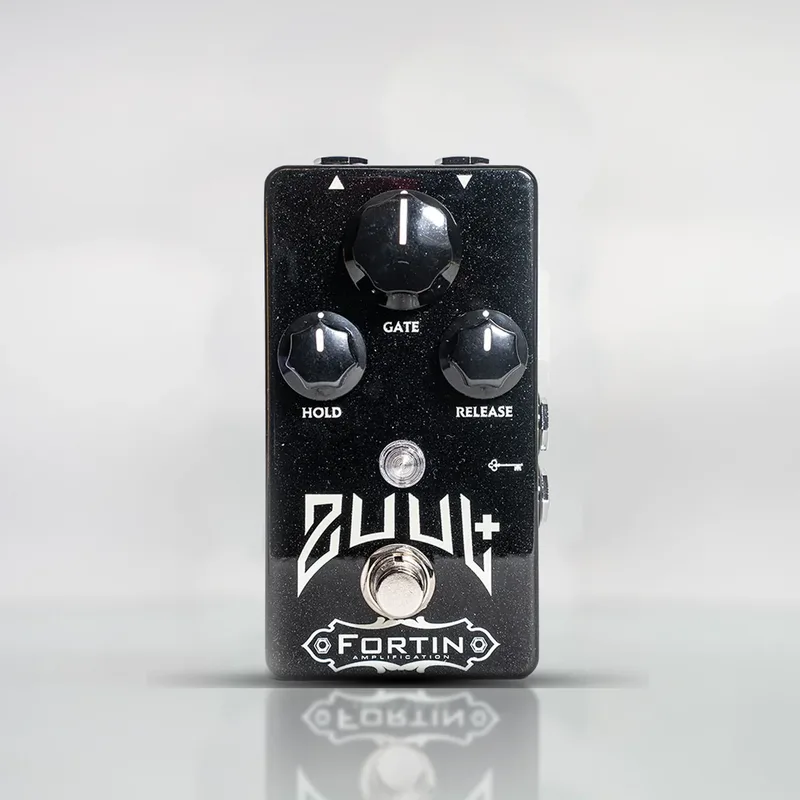
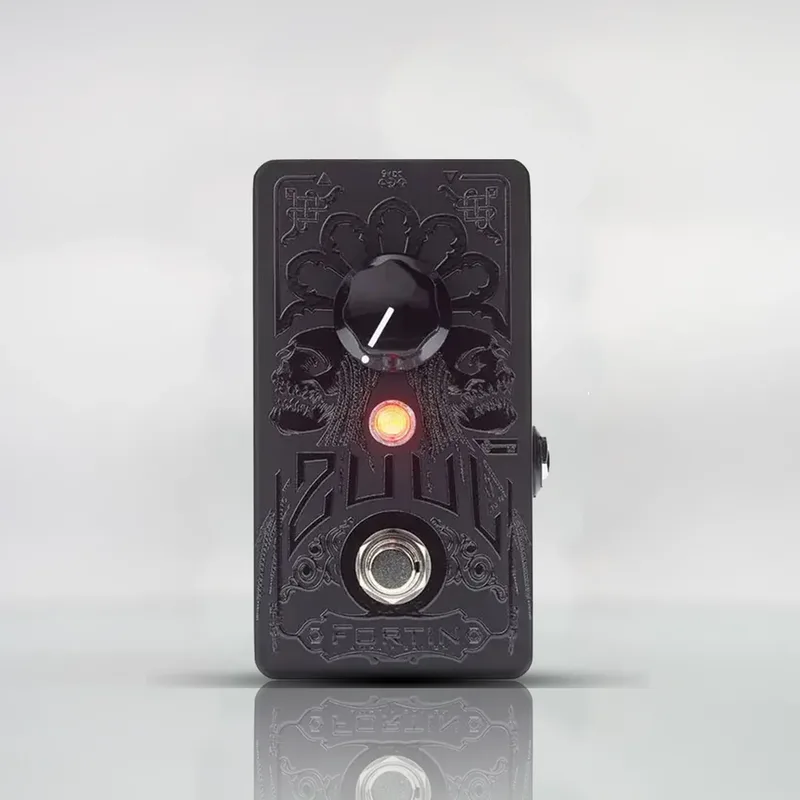
The built-in gate is a Zuul, the same design Fortin sells as a standalone noise gate pedal that was already popular for metal before this pedal existed3. Fortin's artist page for Thordendal calls it a crucial component for the dead-silent stops characteristic of Meshuggah's style, and the maker's engineering page describes it as featuring the tech from the Fortin Zuul for dead-silent stops between riffs57. In practice that means the tight, silent pauses in Meshuggah-style riffing do not require an extra pedal in the chain.
The current draw figures disagree: Fortin's own product page lists 106mA at 9V DC6, while Guitar World lists approximately 125mA, power supply only3. Both figures are well above what a typical compact analog pedal draws, so plan on a proper 9V DC center negative supply rather than a battery or a small daisy chain37.
Where it came from
The Meshuggah Preamp is a new release for 2025 from Fortin Amplification5. It is priced at $349 and is available now1. Fortin Amplification also makes the amp heads the pedal takes its name from, and the pedal carries the same Meshuggah branding as the company's amplifier lineup12.
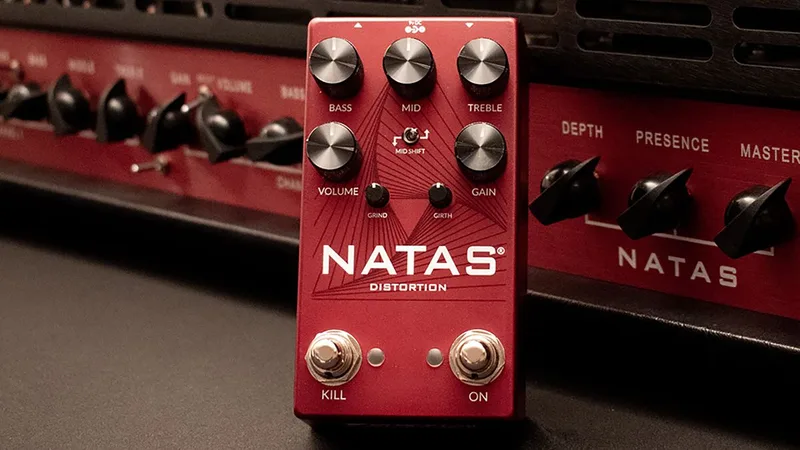
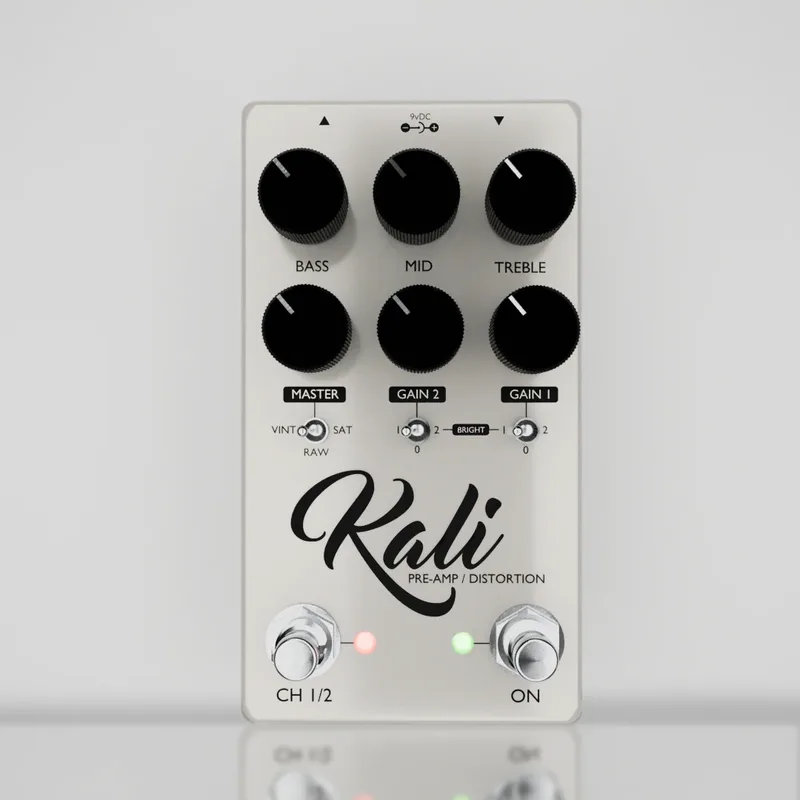
It is not Fortin's only amp-to-pedal conversion: the NATAS high gain distortion pedal came before it, and the Fortin KALI Preamp/Distortion followed as the third in the preamp series.
Videos
Ola Englund
Johan Segeborn
TONE WARS
Questions
Does the Fortin Meshuggah pedal have a noise gate?
Yes. The pedal includes a built-in noise gate using the tech from Fortin's Zuul, which is also sold as a pedal in its own right. Fortin describes it as a crucial component for the dead-silent stops between riffs that characterize Meshuggah's style, so you do not need a separate gate pedal to get those tight, silent pauses.
How much current does the Fortin Meshuggah draw?
The maker lists a power draw of 106mA at 9V DC, while Guitar World's review lists approximately 125mA, power supply only. Either way it draws more than a typical compact analog pedal, so a proper isolated 9V supply is the safe choice rather than a small daisy chain.
Is the Fortin Meshuggah true bypass?
Yes. Guitar World's review lists the bypass as true bypass, so with the pedal switched off your signal passes through without buffering. The pedal also has a dedicated on/off footswitch separate from the channel select switch.
Where is the Fortin Meshuggah pedal made?
It is designed and made in the USA, according to MusicRadar's launch coverage. It was designed by Mike Fortin in close collaboration with Meshuggah guitarists Fredrik Thordendal and Mårten Hagström, and launched in April 2025 at $349.
What is the difference between Lo and Hi mode on the Fortin Meshuggah?
The Lo/Hi toggle sets the gain structure. Hi mode gives a more compressed, modern feel, which Guitar World describes as promising sonic devastation, while Lo mode gives an open, raw vintage feel that the same review calls chimey. The modes work alongside the MVC master volume control to sculpt your gain.
Sources (8)
- “For guitarists who crave an unrelenting, aggressive tone that stands out in any mix”: The Fortin Meshuggah head is the amp every metal player wants, MusicRadar, 2025-04-22
- Guitar Pedal X, Guitar Pedal X, 2025-04-24
- Fortin Meshuggah Preamp/Distortion pedal review, Guitar World, 2025-05-11
- Best distortion pedals: Our top high-gain stompboxes, Guitar World, 2022-06-09
- Artist Spotlight, Fortin Amplification (fortinamps.com), 2025
- MESHUGGAH, Fortin Amps
- Meshuggah PreAmp by Fortin Amplification, RockBoard (PedalPedia), 2026
- Guitar Pedal X, Guitar Pedal X, 2025-12-05