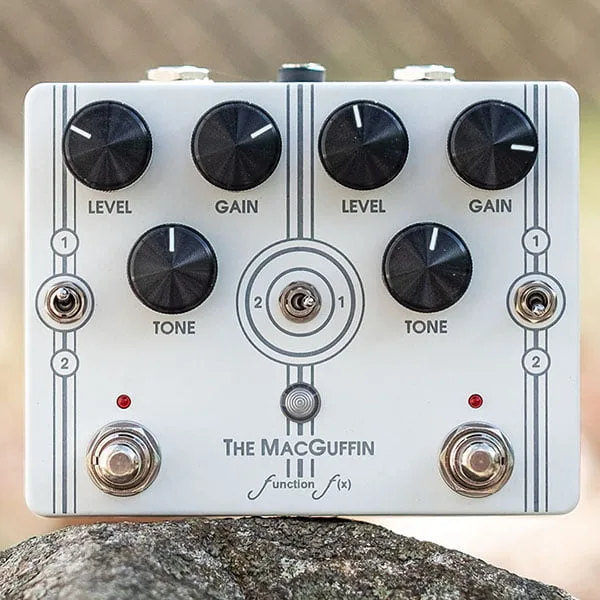


The Function f(x) MacGuffin is a dual overdrive pedal that combines two well-known overdrive circuits in one enclosure. One side is the maker's take on the Klon Centaur, the other is the Function f(x) version of the classic Marshall Bluesbreaker overdrive. Function f(x) describes it as a 2-in-1 combination of two iconic overdrive pedal circuits, and it sits in the maker's Dual Circuit and Overdrive categories1.
Two drives, one box
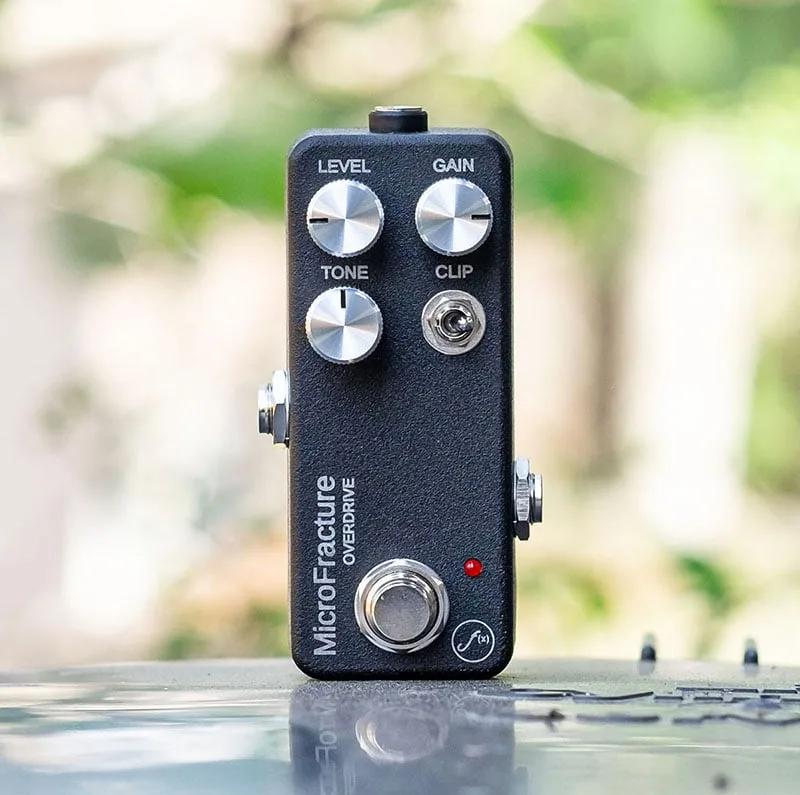
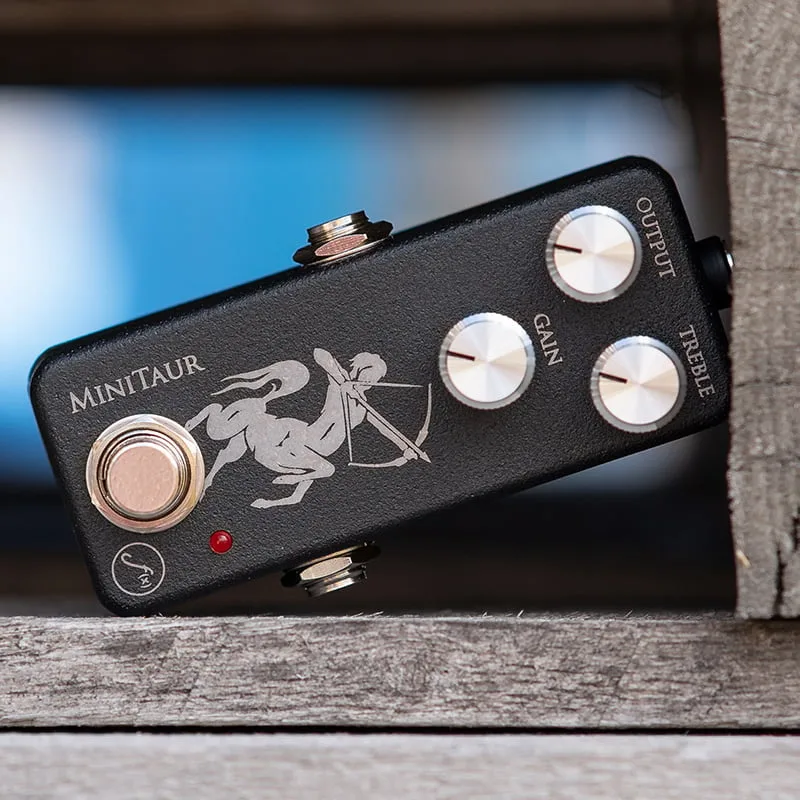
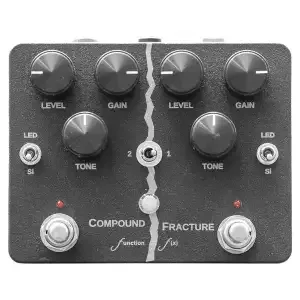
Function f(x) describes the MacGuffin as a MicroFracture and MiniTaur in one box, with the same order switcher and bypassing setup as the Compound Fracture2. Each channel carries its own Level, Gain, and Tone controls, so the two circuits are set independently1.
The pedal also offers effect order switching, so you can have either drive circuit first in the chain1. For players who stack drives, that changes the character of the combined sound: a Bluesbreaker-style circuit pushing a Klon-style circuit responds differently from the reverse.
Clipping options on each side
Each side has its own clipping choice, set by a selector switch:
| Side | Switch | Options |
|---|---|---|
| Centaur-style side | Clipping diode selector | Classic germanium diodes or silicon diodes1 |
| Bluesbreaker-style side | Clipping selector | Hard diode clipping (heavier drive with more compression) or soft diode clipping (more moderate overdrive)1 |
Switching and bypass
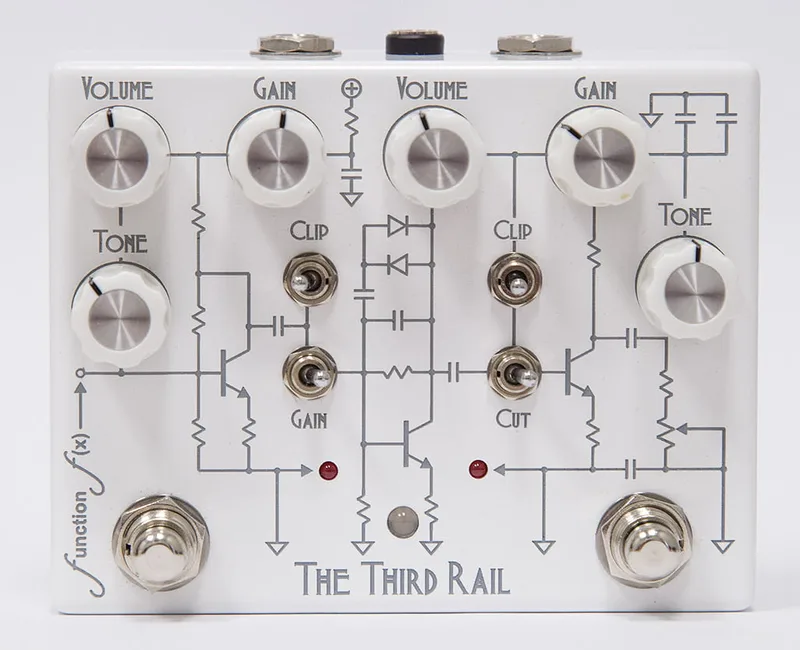
The MacGuffin uses a soft-touch, relay-based true bypass switching system, the same bypass switching setup Function f(x) uses in its Third Rail overdrive1. The bypassing setup allows for On/On, Flip Flop, and Momentary bypassing modes1, so the pedal can run both circuits together, alternate between them, or switch momentarily.
"The MacGuffin uses the same innovative bypass switching setup as our Third Rail overdrive."
Power and specifications
The pedal runs on 9V DC operation, which the maker calls industry standard, and draws 35mA, dropping to 20mA when bypassed1. It weighs 12 oz1.
At 35mA, the MacGuffin draws more current than many simple overdrives, and it draws 20mA even when bypassed, so plan your pedalboard power supply accordingly.
Videos
Mike Hermans
Practical Guitarist
Questions
Which drive comes first in the Function f(x) MacGuffin?
Either one. The MacGuffin offers effect order switching, so you can have either drive circuit first in the chain. That matters because a Bluesbreaker-style drive feeding a Klon-style drive behaves differently from the reverse order, and the switch lets you set the stacking order to taste without re-patching cables.
Is the MacGuffin a MicroFracture and MiniTaur combined?
Yes. Function f(x) describes the MacGuffin as a MicroFracture and MiniTaur in one box, with the same order switcher and bypassing setup as the Compound Fracture. Each side carries its own Level, Gain and Tone controls, so the two circuits can be dialed in independently.
Does the MacGuffin use germanium or silicon diodes?
Both, on the Klon-style side. A clipping diode selector switch toggles between classic germanium diodes or silicon diodes. On the Bluesbreaker-style side, a separate selector switch chooses between hard diode clipping, which the maker describes as heavier drive with more compression, and soft diode clipping for more moderate overdrive.
Can the MacGuffin's footswitch be used momentarily?
Yes. The bypassing setup allows for On/On, Flip Flop, and Momentary bypassing modes, so the switching can behave as two always-on circuits, alternate between them, or respond momentarily when the switch is held.
Is the Function f(x) MacGuffin true bypass?
Yes. The MacGuffin uses a soft-touch, relay-based true bypass switching system, the same bypass switching setup Function f(x) uses in its Third Rail overdrive.
Sources (2)
- The MacGuffin, Function f(x), 2025-05-29
- MicroFracture, Function f(x), 2025-12-15