| Type | Fuzz pedal, two-transistor circuit17 |
| Original maker | Arbiter Electronics, London, 19662 |
| Designer | Ivor Arbiter8 |
| Original transistors | Germanium, later silicon78 |
| Controls | Fuzz and Volume7 |
| Trademark owner | Dunlop Manufacturing, Inc.6 |
| Current production | Dunlop, since 1993, in various finishes, sizes and transistor types7 |
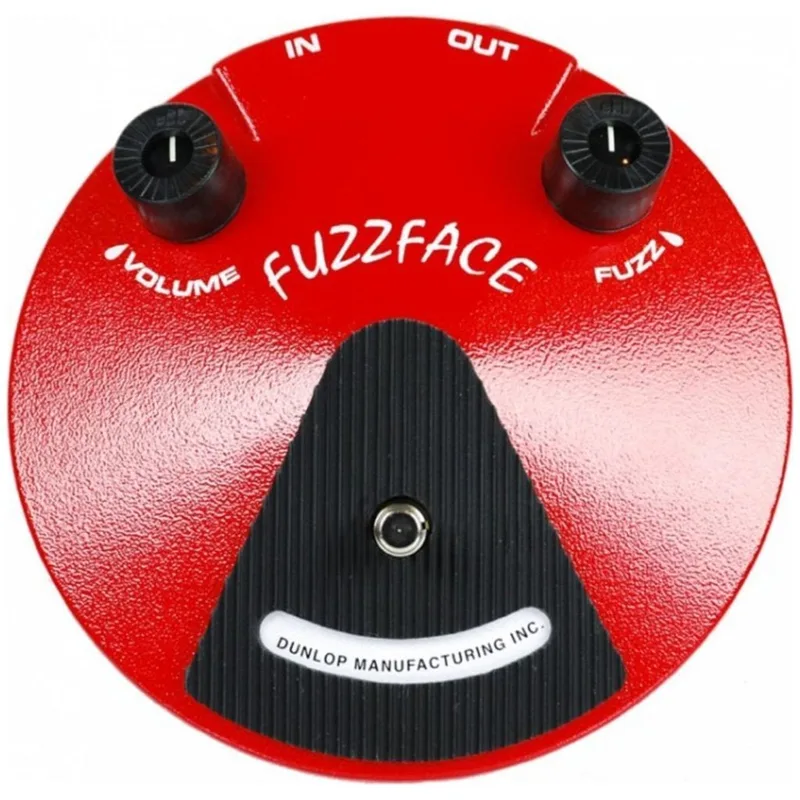
The Fuzz Face is a fuzz pedal built around one of the simplest circuits in the effect world: two transistors, four resistors, three capacitors and two potentiometers1. It was created in 1966 by Arbiter Electronics in London2, and the Dallas Arbiter Fuzz Face became one of the first fuzz pedals of the mid and late 1960s234. Animals Pedal describes it as one of the world's best known fuzz pedals, with a thick, fat fuzz sound and the expressive ability to change to sparkling clean using only the guitar's volume knob5.
Its influence runs far beyond the original units. FUZZ FACE is now a trademark of Dunlop Manufacturing, Inc.6, which has built the pedal since 1993, and dozens of other makers sell circuits based on it. For a player, the Fuzz Face matters for two reasons: the circuit is simple enough to understand and even build yourself, and its behavior depends heavily on the guitar plugged into it, which is why it rewards being placed first in the chain and played with the volume knob.
Where the Fuzz Face came from: Arbiter and the Tone Bender
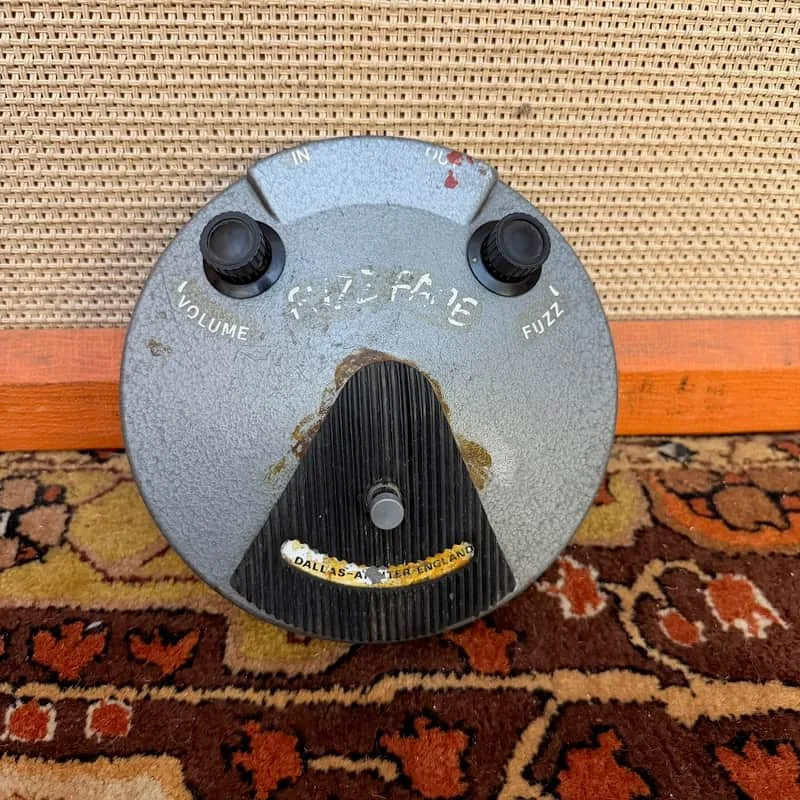
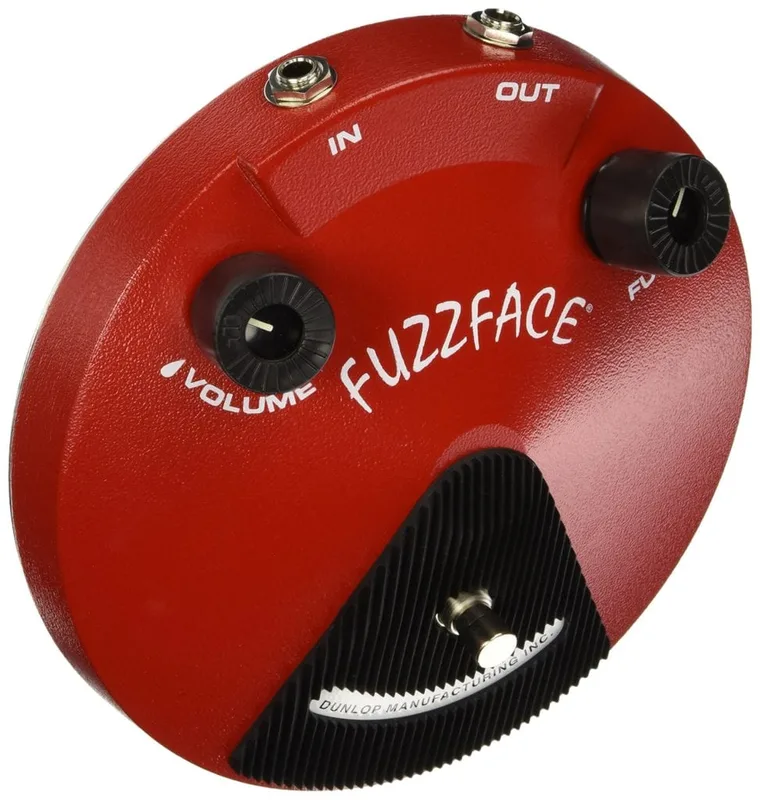
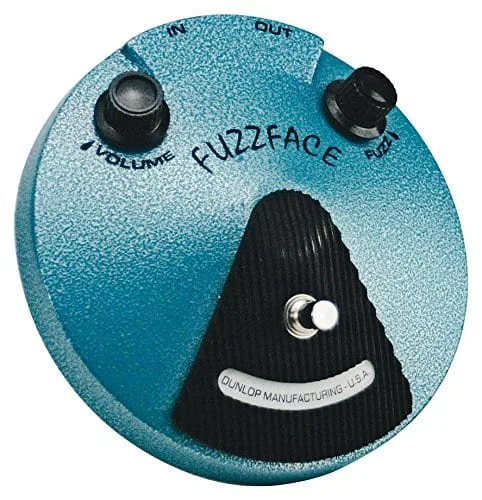
The Fuzz Face was created in 1966 by Arbiter Electronics in London2. JHS Pedals tells the origin story of the enclosure: a salesman named Ivor Arbiter saw the rising British rock scene demanding the effect of fuzz, and after seeing the circular base of a mic stand, he came up with the idea to put the effect in a similar round enclosure8. The result is the pedal's signature look: a face, with two knobs as eyes, a foot switch as the nose and a brand label as the mouth8.
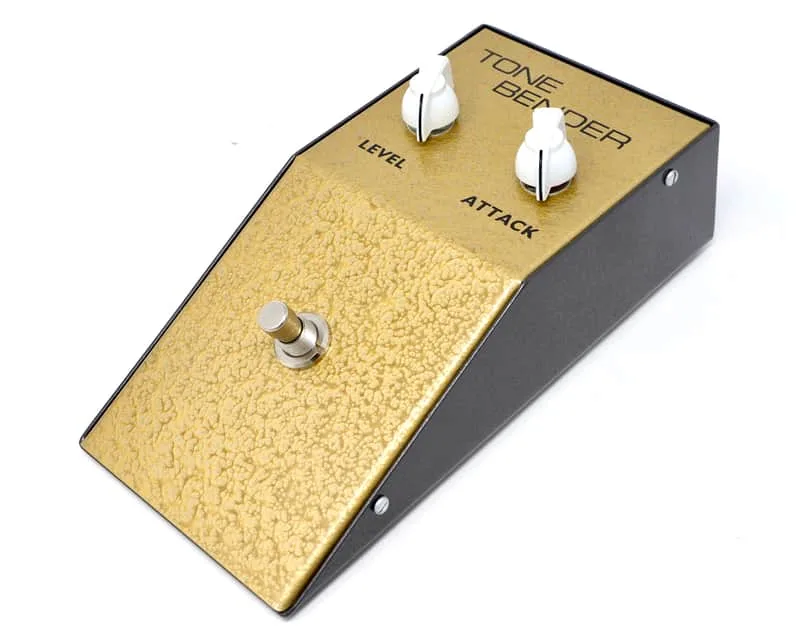
The circuit did not appear from nowhere. British Pedal Company's history of the Tone Bender notes that the early British fuzz scene was already established when Arbiter's pedal arrived, and its effects featured a two-transistor circuit9. Bernd C. Meiser of BSM compares the two directly: the Arbiter Fuzz Face generated a similar distortion sound to the Tone Bender Mk1.5, but with more bass10. You can read more about that earlier circuit on the Tone Bender page.
The most famous player association is with Jimi Hendrix. Dunlop's Band of Gypsys reissue documents his 1969 to 1970 red Fuzz Face with white knobs, noting that the pedal itself has been lost to history, but its unmistakably unique sound lives on in recordings11.
How the two-transistor circuit works
The Fuzz Face is an extremely simple circuit: two transistors, four resistors, three capacitors and two potentiometers1. Premier Guitar's reviewer put it plainly when reviewing a modern mini version: "The Fuzz Face circuit requires only about a dozen simple components."12
A technical analysis by William E. Overton, hosted by GuitarPCB, breaks down how the signal is shaped1:
- The two transistors form the gain structure that drives the signal into clipping, producing the fuzz.
- The capacitors form high-pass filters whose cutoffs, 0.72 Hz at the input and 31.8 Hz at the output, sit far below the guitar's lowest frequency of approximately 82.4 Hz, so their effect on the guitar's fundamental range was deemed negligible1.
- The volume control is a 500KΩ audio taper potentiometer setting the output level7.
That simplicity is the circuit's legacy. Because the whole thing is a handful of parts, it has been copied, modified and studied more than almost any other fuzz, and it remains a standard first build for players getting into fuzz pedals1.
The controls: Fuzz and Volume
The original layout is two knobs, and most derivatives keep that shape.
| Control | What it does |
|---|---|
| Fuzz | Controls the amount of fuzz or distortion of the circuit13 |
| Volume | Sets the output level, a 500KΩ audio taper pot in the classic circuit713 |
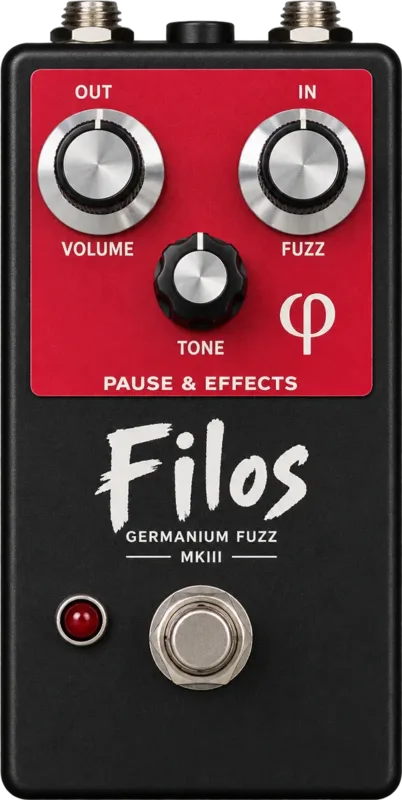
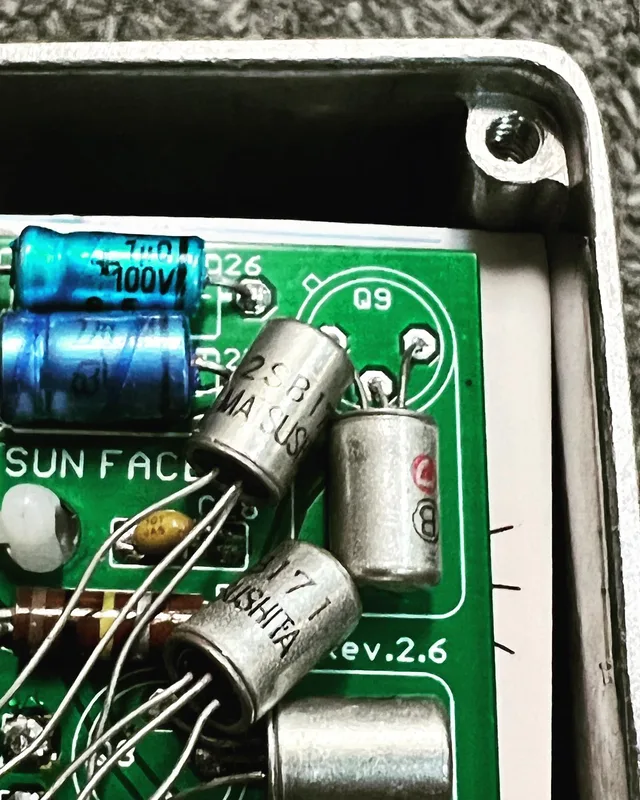
Some builders add a third control. GUP Tech's Lab Series #29 Sunface, for example, is a 3-knob design with Fuzz, Volume and a bias-style "sunface" control14, and Pause&Effects' Filos adds Volume, Fuzz and Tone to shape output gain and overall frequency balance15.
How you set the Fuzz knob matters as much as what it does. Analog Man's Sun Face manual advises keeping the Fuzz knob up all the way or close to it, and using the volume knob on the guitar or the pedal's CLEAN trimmer to control the fuzz amount3. Animals Pedal gives the same advice for its Fuzz Face based pedal: start the FUZZ control at maximum and adjust the distortion with the guitar's volume knob16.
Germanium and silicon versions
The Fuzz Face was originally available in two versions using germanium or silicon transistors17. The timeline:
- 1966 to about 1969: built with germanium transistors, common parts at the time82
- About 1969 onward: silicon versions, with germanium fully giving way to silicon by 196986
- Silicon types used: BC183L, BC183KA, BC130C, BC108C, BC109C, BC209C and BC239C7
The two transistor types sound and behave differently. Tru-Fi's history article says the original circuit's germanium transistors contributed to its warm and smooth fuzz sound2. Analog Man's Mike Piero describes the silicon versions as fuzzier and brighter than germaniums, with much higher gain, and notes Dallas Arbiter used BC108 and BC109 types6. On the practical side, the production switch to silicon happened because those transistors are modern, temperature independent, cheaper and stable7. Germanium's behavior shifts with temperature, which is one reason players who want that sound often look for a builder who measures and matches transistors.
The 1980s reissue story shows how the choice played out in practice. Dave Fox, quoted in Analog Man's fuzz history, chose the NPN silicon version for the reissue: "I figured I had to go with the NPN version because customers would probably be disappointed with the wimpy tone of the P"18.
Several modern builders offer both flavors in one box rather than making you choose192021:
| Pedal | Approach |
|---|---|
| Fredric Effects DuoFace | Both the silicon and germanium versions of the circuit, via a voltage converter20 |
| Tru-Fi Two Face Fuzz | Two circuits in one unit: germanium for warm, dark vintage fuzz and silicon for a brighter sound19 |
| VFE Fuzz Duo | Switches between low-gain germanium and high-gain silicon transistors on the front end of the circuit22 |
| Basic Audio Oscix | Germanium Fuzz Face and Fuzz Factory based circuit23 |
Enclosures, knobs and dating the originals
The round face enclosure is inseparable from the pedal's identity, and it came from a mic stand base, as JHS recounts8. Dunlop's Jimi Hendrix Fuzz Face Distortion reissue is housed in what the maker calls a 100% accurate groovy circular chassis with tooled clones of the original knobs in turquoise hammertone finish24, and the Band of Gypsys model reproduces Hendrix's red 1969 to 1970 unit with white knobs11.
For dating originals, the transistor type is the main marker: germanium units are the earlier 1960s production, and silicon units, with types like the BC108C and BC109C, are the later production from about 196978625. The finish also dates units, with the red Hendrix-era pedal being the best documented example11.
Why placement and guitar volume matter
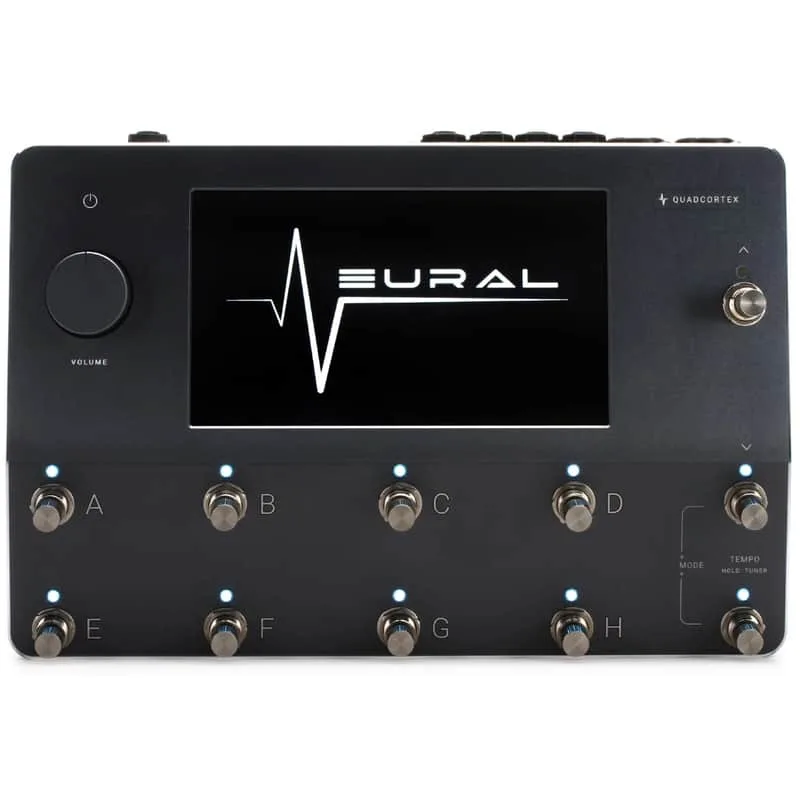
The Fuzz Face is one of the pedals whose sound depends on what is plugged into it. Neural DSP, when adding a Fuzz Face based algorithm to the Quad Cortex, explained the problem it had to solve: "Pedals with low input impedance, like the Fuzz Face™, have a strong interaction with the guitar's pickups and volume con"26. That interaction is the whole point for many players, but it also means anything placed before the pedal changes it. Neural DSP's Facial Fuzz algorithm was built specifically to address the interrupted interaction between digital pickup models and low input impedance fuzz pedals26. On the hardware side, Behringer describes its 69 VIBE as working first in the chain going into a fuzz27, the same placement logic: modulation after the fuzz, fuzz right after the guitar.
The other half of the equation is the guitar's volume knob. JHS calls cleanup one of the most revered characteristics of a good Fuzz Face: "One of the most revered characteristics of a good Fuzz Face* is its ability to clean up when the guitar's volume is roll"8. Animals Pedal echoes this, describing the pedal's expressive ability to move from thick fuzz to sparkling clean using only the guitar's volume5.
Analog Man builds this behavior into the Sun Face with an internal CLEAN trim pot. The maker describes it as acting like turning down the volume knob on your guitar to clean up the fuzz, adding that it can kill radio frequency interference and helps the pedal work after a vintage style wah pedal6. The Sun Face is otherwise the standard 1960s germanium circuit with a few tweaks to make it easier to use and sound better, per its manual25.
Pedals based on the Fuzz Face
Dunlop took over Fuzz Face production in 1993 and today manufactures a number of different finishes and sizes using various transistor flavors7. Beyond Dunlop, the circuit is the base for a long list of pedals from other makers:
- Analog Man Sun Face: the standard 1960s germanium circuit with tweaks, plus the CLEAN trimmer and options like the $25 SUN DIAL625
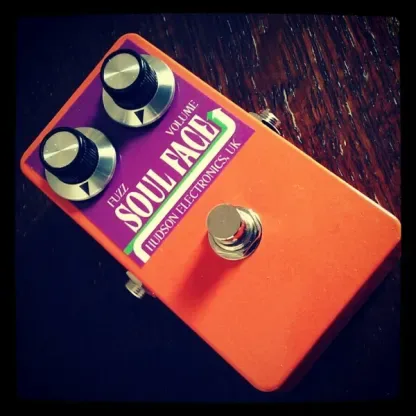
- Hudson Electronics Soul Face: a vintage style silicon fuzz based on the classic Arbiter Fuzz Face28
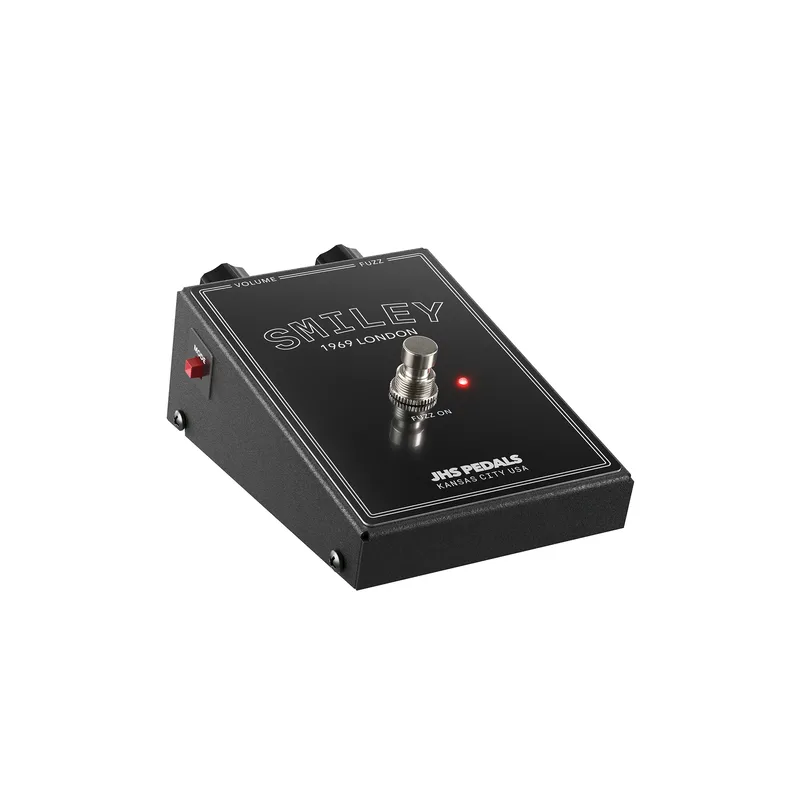
- JHS Smiley: a Fuzz Face style pedal noted for its volume knob cleanup8
- Fredric Effects DuoFace: both silicon and germanium versions in one pedal20
- Tru-Fi Two Face Fuzz: a reinterpretation of the classic Fuzz Face style pedal with germanium and silicon circuits19
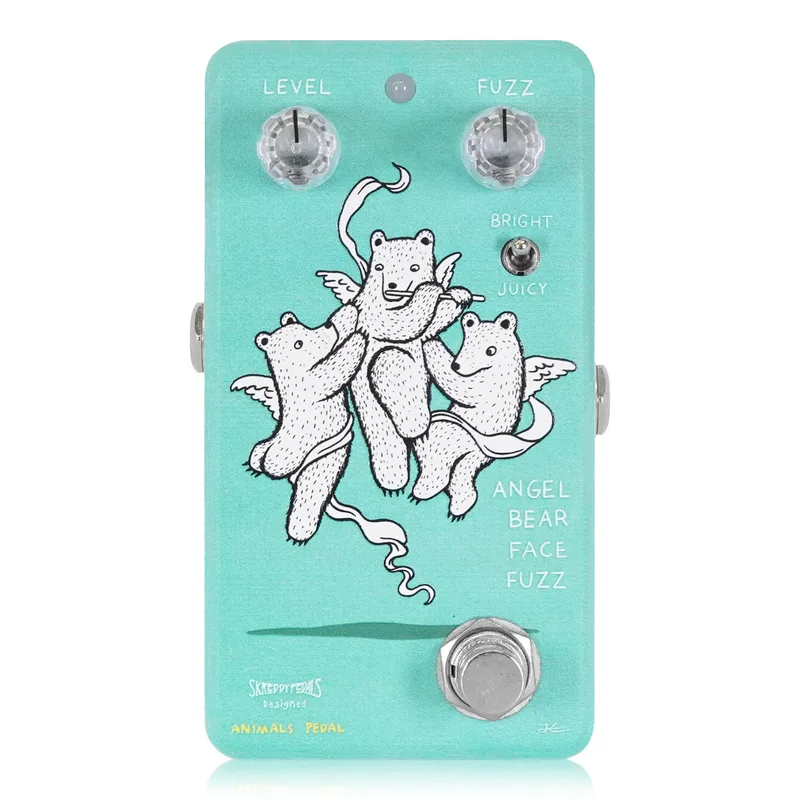
- Animals Pedal ANGEL BEAR FACE FUZZ: a silicon transistor Fuzz Face based fuzz developed with Skreddy Pedals16
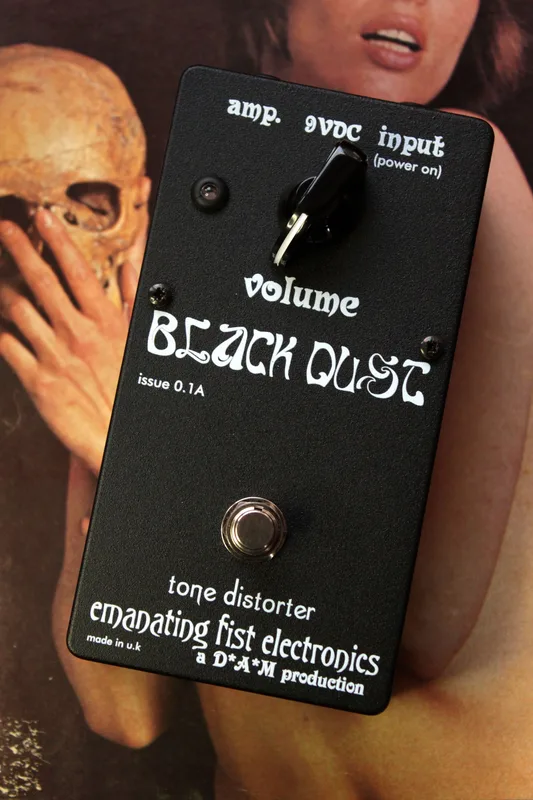
- Emanating Fist Electronics Black Dust: built from modifications made to the Fuzz Face circuit circa 2004 to arrive at the Meathead29
DIY builds and modified circuits
The Fuzz Face is a standard project for pedal builders because the parts count is so low. GuitarPCB sells the G.B.O.F., a build document described as designed to teach how a Fuzz Face works30, and its P.U.F.F. (Pump'd Up Fuzz Face) is billed as "The Classic Fuzz Face with Modern Enhancements"31. Its NostalgiTone 60s Fuzz is reminiscent of the legendary vintage Fuzz Face32. Madbean's Woodshed is based on the Arbiter Fuzz Face33, and PedalPCB's SiliSmile Fuzz invites comparison to the Arbiter Fuzz Face silicon version34.
Modified circuits are just as common as straight clones. Emanating Fist's Black Dust comes from changes made to the circuit in 2004 while maintaining the classic design29, and VFE's Fuzz Duo modifies the front end with switchable germanium and silicon transistors22.
Germanium Fuzz Face circuits are positive ground designs. BSM's FuzzBender, a Fuzz Face relative, states it plainly: "Note: The positive pole of the battery is ground."10 A positive ground pedal cannot share a daisy chain with standard negative ground pedals without isolation.
Pedals on this page
News
Questions
What transistors were in the original Fuzz Face?
The original 1966 units used germanium transistors, which were common parts at the time. Production later switched to silicon types such as the BC183L, BC108C, BC109C, BC130C, BC183KA, BC209C and BC239C, and germanium had fully given way to silicon by 1969.
What is the difference between germanium and silicon Fuzz Faces?
Germanium versions are described as warm and smooth, while silicon versions are fuzzier and brighter with much higher gain. Silicon transistors are also temperature independent, cheaper and more stable, which is why Dallas Arbiter switched to them around 1969.
Why does a Fuzz Face have to go first in the chain?
The Fuzz Face has low input impedance and interacts strongly with the guitar's pickups and volume controls. Anything placed in front of it, such as a buffered or digital device, interrupts that interaction, so it works best first in the chain, straight after the guitar.
Does a Fuzz Face clean up with the guitar volume knob?
Yes. Cleaning up when the guitar's volume is rolled back is one of the most revered characteristics of a good Fuzz Face, letting a player move from thick fuzz to sparkling clean with the volume knob alone. Analog Man even builds a trim pot into its Sun Face that works the same way.
Is the Fuzz Face positive ground?
Germanium Fuzz Face circuits are positive ground designs, meaning the positive pole of the battery is ground. This is why they cannot share a power supply with standard negative ground pedals without isolation.
Who makes the Fuzz Face today?
Dunlop Manufacturing owns the FUZZ FACE trademark and has made the pedal since 1993 in different finishes, sizes and transistor types. Many other builders, including Analog Man, JHS, Hudson Electronics and Fredric Effects, make their own circuits based on it.
Sources (34)
- Microsoft Word, Georgia Institute of Technology (hosted at guitarpcb.com), 2006-05
- The guitar pedal that changed the world the Fuzz Face, Tru-Fi (tru-fi.com)
- SFNPNManual-Germ, analogman.com, 2026-08
- The Best Guitar Effects Pedals of All Time, GuitarPlayer (www.guitarplayer.com), 2021-06-25
- Custom Illustrated ABFF アカサカハル #06, Animals Pedal
- Analog Man Sun Face and Fuzz Face Page, Analog Man (www.analogman.com), 2026
- Fuzz Face Analysis, GuitarPCB
- SMILEY - JHS Pedals, JHS Pedals
- Tone Bender History, British Pedal Company
- FuzzBender Fuzz Machine, BSM - Finest Treble Booster (treblebooster.net), 2025
- JIMI HENDRIX™ '69 PSYCH SERIES BAND OF GYPSYS™ FUZZ, Dunlop (jimdunlop.com)
- Dunlop Fuzz Face Mini Germanium FFM2 Review, Premier Guitar, 2013-08-25
- Silicon Face of Spades Fuzz, R Weaver FX Handbuilt Pedals
- Lab Series #29, GUP Tech (guptech.ca)
- Filos by Pause&Effects, RockBoard PedalPedia, 2026
- 【10/26(月)16:00まで10%OFF】Animals Pedal ANGEL BEAR FACE FUZZ, Animals Pedal (animalspedal.jp)
- CC Hybrid 2 by Foxrox Electronics, RockBoard PedalPedia, 2026
- Analog Man Fuzz Face Story, analogman.com, 2015
- Two Face Fuzz by Tru-Fi Pedals, RockBoard PedalPedia, 2026
- Germanium and Silicon vintage correct fuzz, Fredric Effects
- Two Face Fuzz - tru-fi.com, tru-fi.com
- Fuzz Duo, VFE Pedals
- Oscix - Basic Audio, Basic Audio
- JIMI HENDRIX® FUZZ FACE® DISTORTION, Dunlop (jimdunlop.com)
- Microsoft Word, Analog Man, 2015
- CorOS 1.2.0 is now available, Neural DSP, 2021-09-17
- 69 VIBE | Behringer, Behringer
- SOUL FACE, Hudson Electronics UK
- Black Dust, stompboxes.co.uk, 2025
- BD_GBOF-Build-Document.pdf, GuitarPCB.com, 2023
- P.U.F.F. Pump’d Up Fuzz Face, GuitarPCB
- 2023 NostalgiTone Singles Fuzz, GuitarPCB, 2023-12
- Woodshed.pdf, madbeanpedals.com, 2024-04-25
- SiliSmile Fuzz, PedalPCB