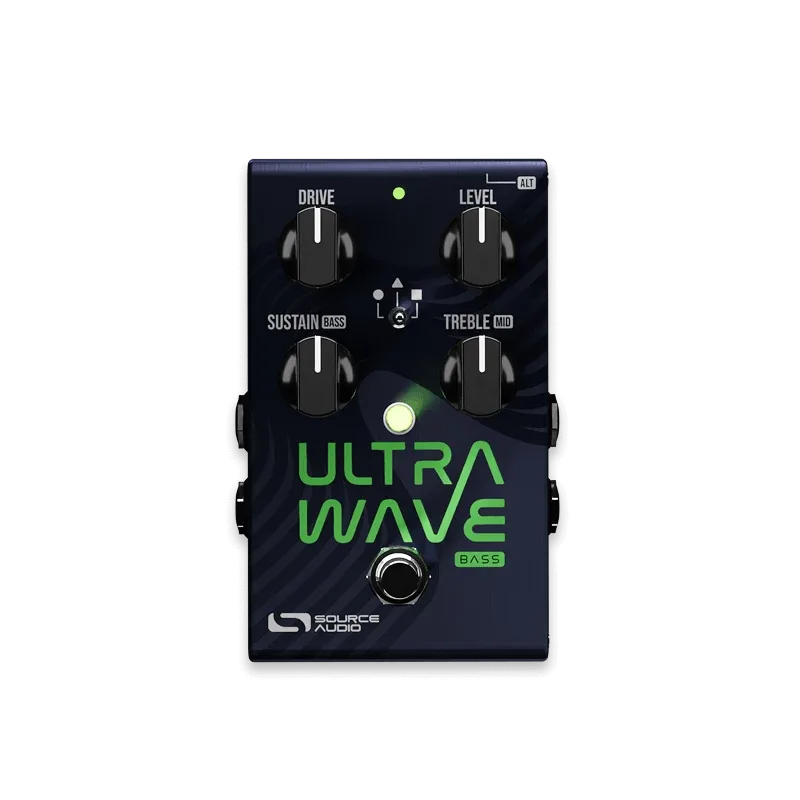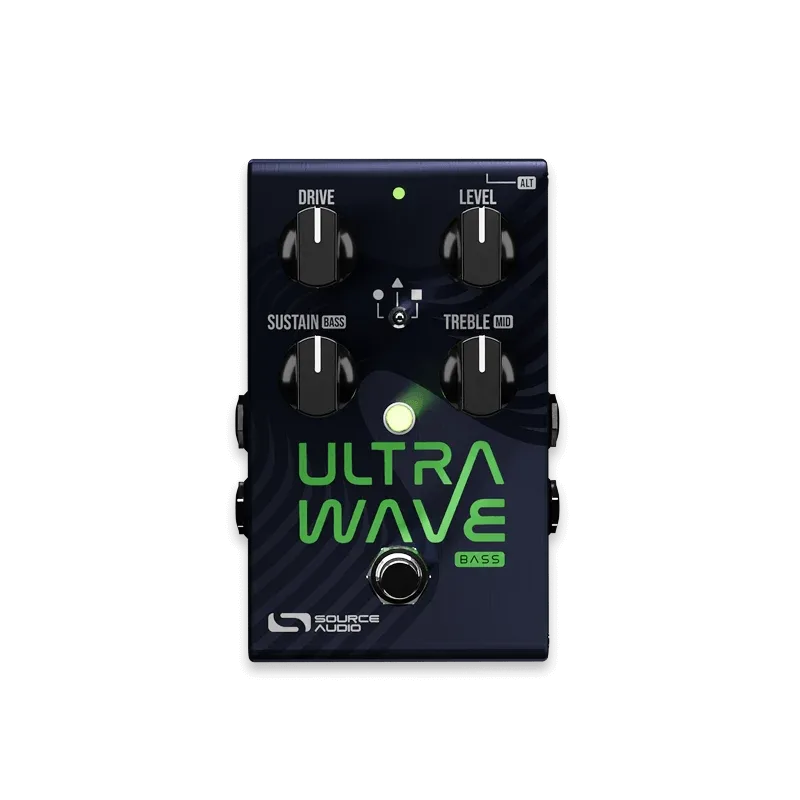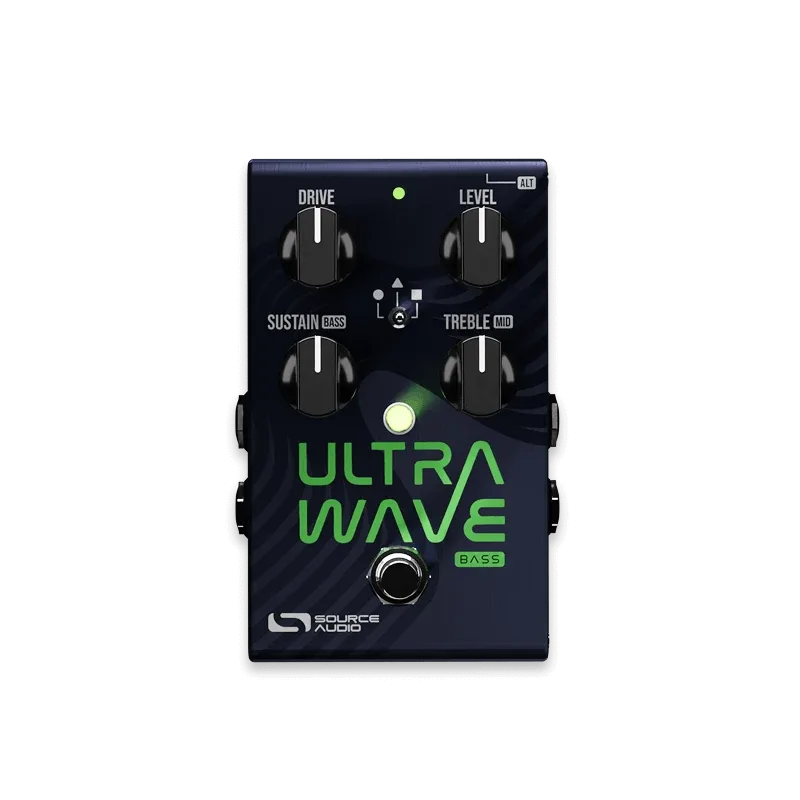


The Source Audio Ultrawave Bass Distortion Lab is a stereo bass distortion pedal built around multiband processing. Source Audio describes the approach at its core as "a dynamic and multi-dimensional sound sculpting approach known as multiband processing," delivering "ground-shaking varieties of overdrive and tremolo"1. The stereo inputs and outputs can be used with the Channel 1/Channel 2 Sync options or the Phase Offset control to create stereo ping-pong tremolo effects1. The pedal comes in a brushed anodized aluminum housing measuring 4.6" × 2.75" × 2.2", weighs 0.625 lb, and carries a 2 year warranty1.
What multiband processing does for a bass
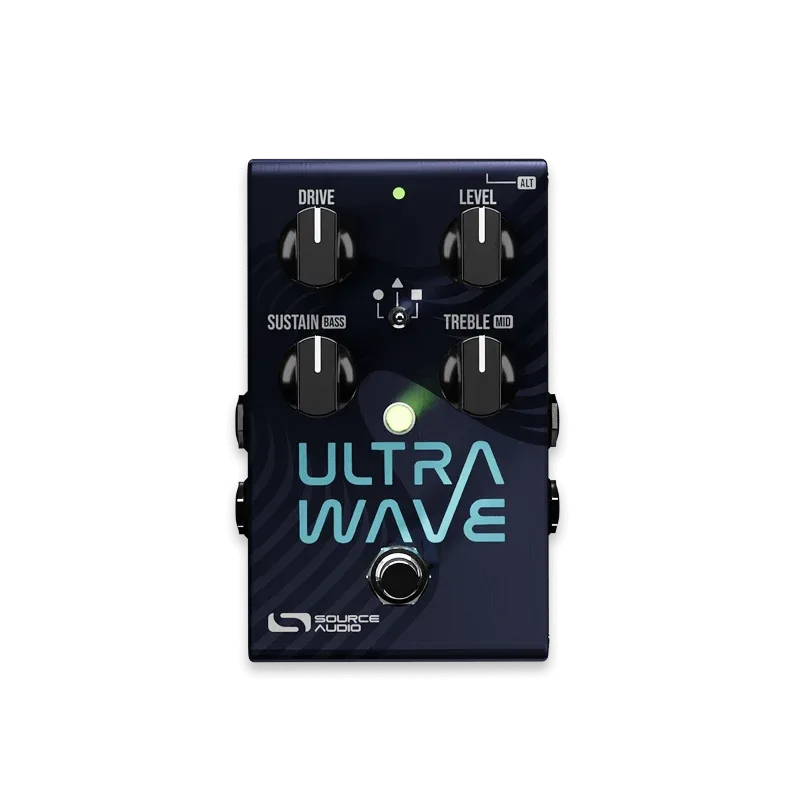
A conventional distortion pedal clips the whole signal at once, which on bass often means the low fundamentals break up or drop out while the highs fuzz over. Multiband processing splits the signal first, so each band can be driven differently. On the Ultrawave Bass Distortion Lab, Source Audio lists 37 band-splitting options, including single, 2, 3, 4, 8, and 10 bands, and each splitting option includes several sub-sets of different band-splitting frequency points1. The guitar version of the pedal, the Ultrawave Distortion Lab, extends the same engine to multiband tremolo, morphing, ring mod, an 8-band graphic equalizer, compressor and expander functions2.
Stereo operation is built in: the pedal has stereo input and output, and Source Audio suggests using the Channel 1/Channel 2 Sync options or the Phase Offset control to create stereo ping-pong tremolo effects1.
Knobs, presets and MIDI
All four of the Ultrawave's knobs can be reassigned to the parameters most useful for quick, on-stage changes, and a different set of knob assignments can be saved per preset1. That means a preset set up for a gritty drive sound might put drive, band split, level and blend under your fingers, while a tremolo preset can repurpose the same knobs for rate, depth and phase offset.
Preset handling works on two levels:
- On the pedal: 6 presets accessible via the toggle switch1
- Over MIDI: all 128 presets in memory, recallable with MIDI program change messages1
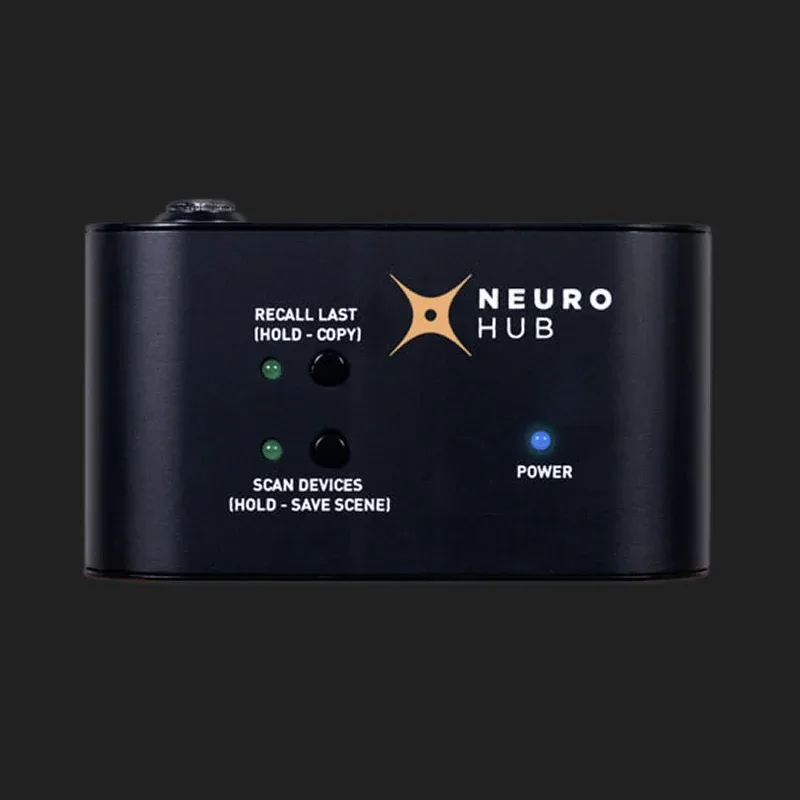
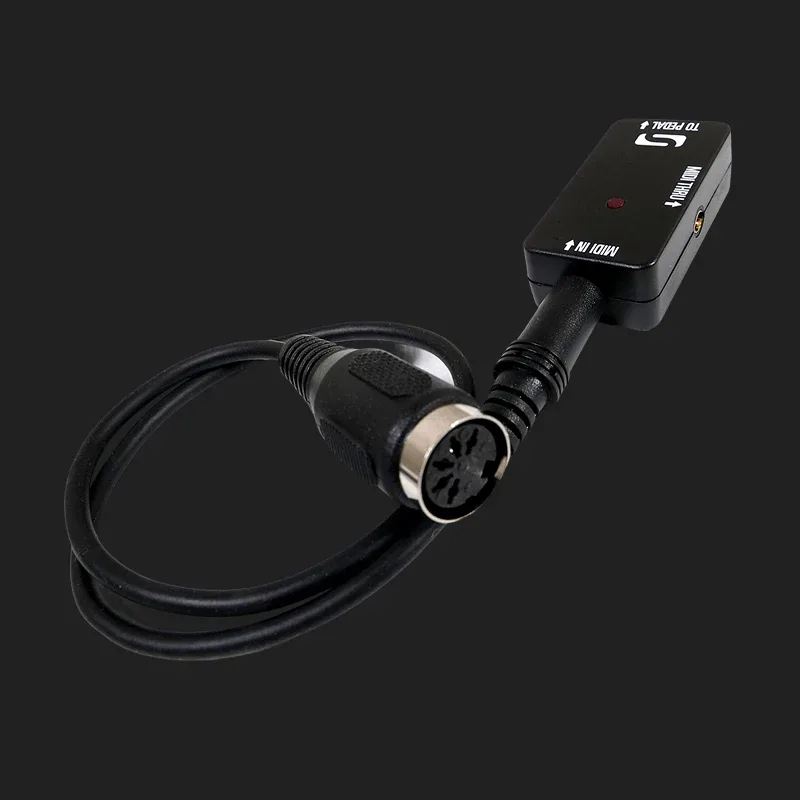
MIDI control requires the Source Audio Neuro Hub or the One Series MIDI Adapter connected to the pedal1. For players running a MIDI-switched board, that turns the Ultrawave into a fully recallable unit rather than a set-and-forget stompbox.
Bypass, power and hardware
The pedal uses what Source Audio calls Universal Bypass: you select between high-quality signal relays for true bypass and transparent buffers for analog bypass1. Buffered bypass can be useful on long cable runs or large boards, while true bypass suits simpler setups.
Power consumption is listed at 165 mA1. That figure is high enough that a battery is not on the spec sheet and a shared daisy-chain output may not keep up, so plan a dedicated supply output for it.
The Ultrawave Bass Distortion Lab is listed as sold out on Source Audio's product page as of October 2026, at a sale price of $249.001.
Physically the pedal is a compact brushed anodized aluminum housing measuring 4.6" x 2.75" x 2.2" and weighing 0.625 lb, with a 2-year warranty1.
Where it sits in Source Audio's bass line
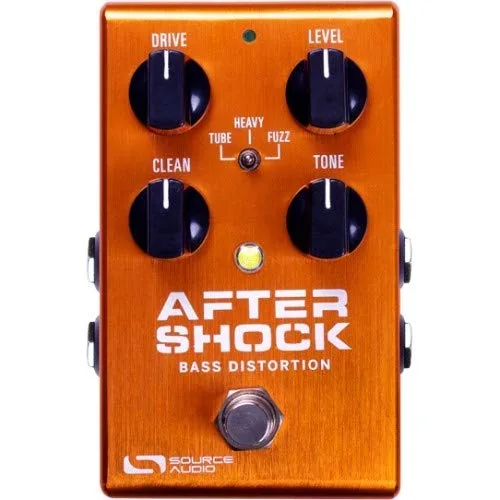
The Ultrawave Bass Distortion Lab is the current multiband distortion in a line that goes back years at Source Audio: the Soundblox Multiwave Bass Distortion and its Pro and Soundblox 2 versions preceded it, and the AfterShock Bass Distortion offered a three-engine drive approach with Neuro app editing and MIDI via the Neuro Hub. For players comparing options, the Ultrawave's distinguishing feature is the depth of its band splitting, with up to 10 bands and per-preset knob assignments, where most bass distortions process the signal as one band. For more in this family, see the site's bass pedals and distortion pedals pages1.
Videos
Leon Todd
Guitar Interactive Magazine
Brett Wondrak
Questions
What is multiband processing on a bass distortion pedal?
Multiband processing splits your bass signal into separate frequency bands and processes each one on its own before they are combined again. On the Ultrawave Bass Distortion Lab, Source Audio describes this as a dynamic, multi-dimensional sound sculpting approach, with ground-shaking varieties of overdrive and tremolo. The pedal offers 37 band-splitting options, from single band up to 10 bands, each with sub-sets of different splitting frequency points.
How many presets does the Ultrawave Bass Distortion Lab hold?
The pedal has 128 preset memory slots. Six of them are accessible directly from the pedal's toggle switch, and all 128 are available when the pedal is connected to a MIDI setup or recalled over MIDI program change messages.
Can the Ultrawave be controlled over MIDI?
Yes. Connect the pedal to the Source Audio Neuro Hub or the One Series MIDI Adapter and up to 128 presets can be recalled with MIDI program change messages. That makes it practical to slot the Ultrawave into a larger MIDI-controlled pedalboard rig.
Is the Ultrawave Bass Distortion Lab true bypass?
It uses what Source Audio calls Universal Bypass, which is selectable. You can choose between high-quality signal relays for true bypass and transparent buffers for analog bypass, so the pedal can be matched to the rest of a board either way.
How much current does the Ultrawave draw?
Source Audio lists the pedal's power consumption at 165 mA, which is well above what a typical daisy-chain supply output provides, so a dedicated supply output is the practical choice.
Is the Ultrawave Bass Distortion Lab still sold?
As of the maker's product page dated October 2026, the Ultrawave Bass Distortion Lab is listed as sold out, at a sale price of $249.00.
Sources (2)
- Ultrawave Bass Distortion Lab, Source Audio
- Ultrawave Distortion Lab, Source Audio