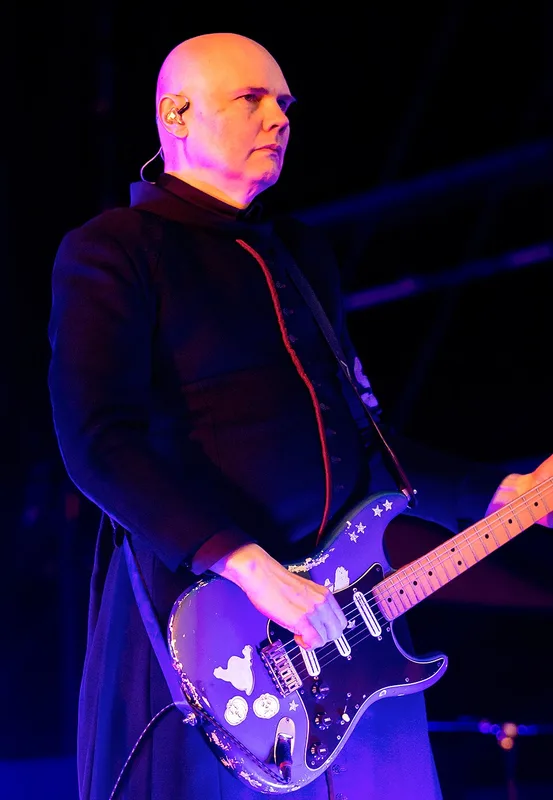
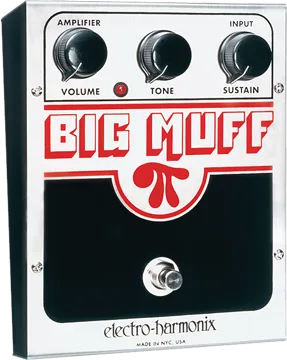
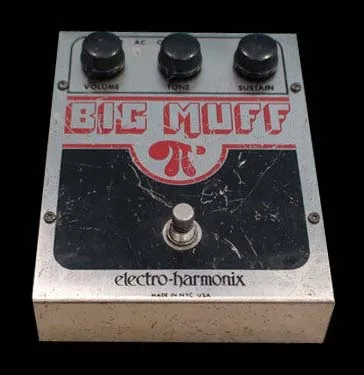
Billy Corgan is the guitarist and frontman of the Smashing Pumpkins, and his tone on the band's 1993 album Siamese Dream is one of the most widely copied fuzz sounds of the 1990s. The pedal behind it was a vintage Electro-Harmonix Big Muff Pi Version 4, the op-amp model, run into a Marshall JCM 800 100 watt head1. MusicRadar's Jonathan Horsley describes it as "the pedal that gave the '90s grunge scene one of its most memorable guitar tones, the super-pop effervescence of Siamese Dream"2.
Corgan's own view of the pedal is blunt. In a 2005 Netphoria interview he said:
"To me the Big Muff pedal changed the entire course of the album (Siamese Dream)."
The Siamese Dream fuzz sound
The Siamese Dream guitar sound came from stacking gain: a Strat, a Big Muff fuzz, and a JCM800 amp, with the pedal driving an already distorted amplifier5. Delicious Audio describes the result as "the crunchy yet wooly tone produced by these vintage fuzzes," made popular by Corgan in the early '90s on that record6.
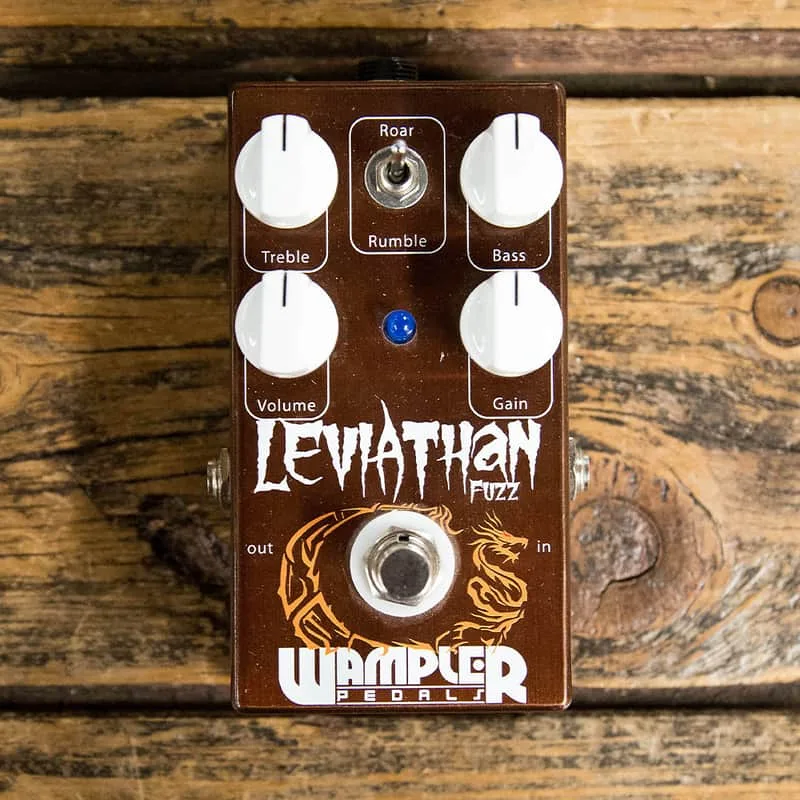
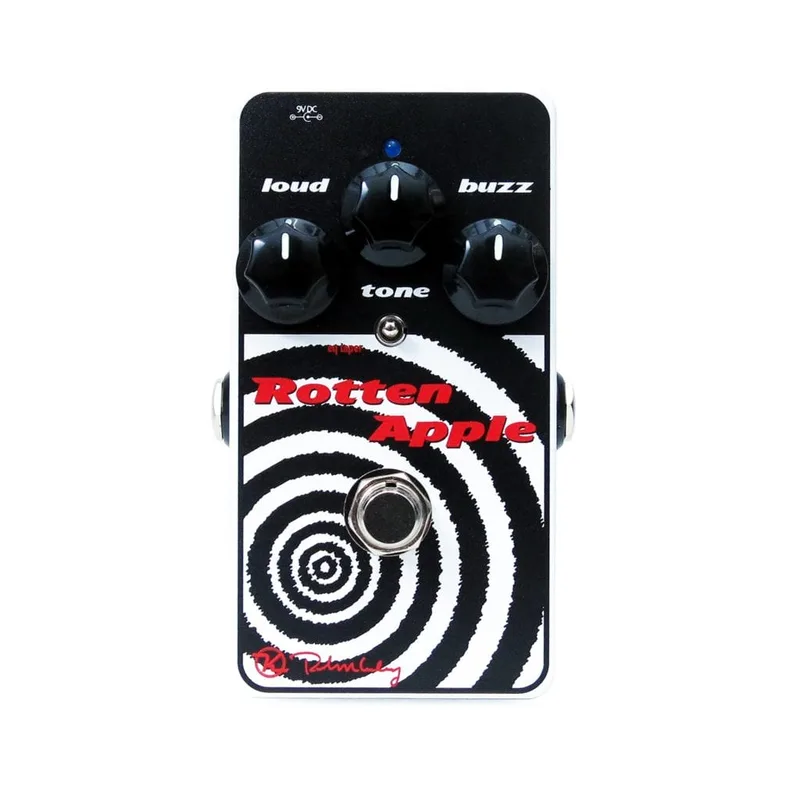
The sound's reach goes beyond Corgan's own records. Premier Guitar's review of the Wampler Leviathan notes that "Corgan's tone on the Pumpkins' 1994 landmark album, Siamese Dream, was a major influence" on that pedal's design7. The Keeley Rotten Apple Fuzz was built around Corgan-era Smashing Pumpkins tones and was tested with a Stratocaster loaded with Lace Sensor pickups, the setup Corgan used throughout that era8.
One persistent rumor is worth correcting. Wren and Cuff names its "creamy dreamer" mod after "an incorrect rumor that this mod was done to Billy Corgan's pedal when recording Siamese Dream," which the maker says is not true9. The Sustain Punch Creamy Dreamer pedal did later reach Corgan's hands: he used one in 2005 during the demo recordings for the Zeitgeist album in Scottsdale, Arizona10.
A vintage op-amp Big Muff on Siamese Dream
The pedal at the center of the story is the Big Muff Pi Version 4, the op-amp Big Muff. Where other Big Muff variants use transistors, this version uses op-amps, and it has three gain stages rather than four11. Mojo Hand FX describes it as "favored by many players for it's outrageous grungy distortion (most notably Billy Corgan)"12.
Corgan used the V4 briefly on Gish, to very good effect on Siamese Dream, and on several tracks that later appeared on Pisces Iscariot, all recorded 1991 to 19931. He and James Iha recorded many songs with a V4 Big Muff across those albums1. Kit Rae's account is specific about its role:
"Almost all the heavy (Siamese Dream) tracks were recorded through this (op-amp Big Muff), solos included."
How the pedal was identified is part of the story. Corgan revealed in a 2009 blog that he had used a vintage late 1970s Big Muff for Siamese Dream, which appears to be an op-amp Big Muff10. In late 2009 he posted a photo of his actual Big Muff, showing the exact settings for the album, identifying it as a V41. Kit Rae's Big Muff timeline also records heavy use of both the V4 op-amp version and a V5 tone bypass transistor version on the record13.
| Big Muff version on Siamese Dream | Circuit | Role on the record |
|---|---|---|
| V4 op-amp Big Muff | Op-amps, three gain stages11 | Identified by Corgan as his pedal; almost all heavy tracks, solos included1 |
| V5 tone bypass transistor version | Transistor | Heavy use alongside the V4, per Kit Rae's timeline13 |
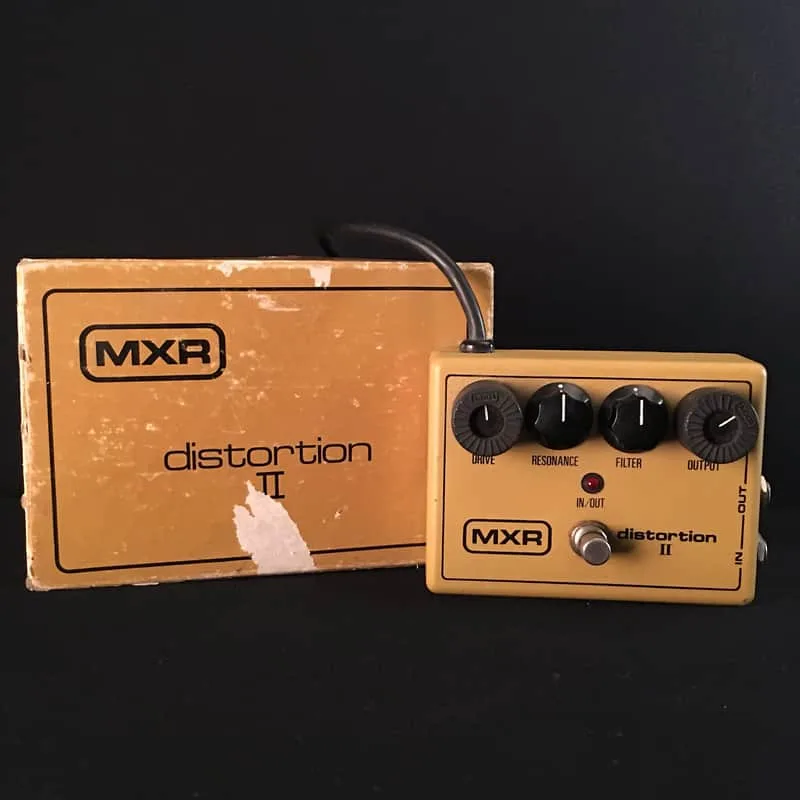
The lead tones have a companion pedal. The MXR Distortion II "has often been portrayed as THE essential companion pedal for Billy's favourite OpAmp Big Muff," according to Guitar Pedal X, for delivering the Siamese Dream lead tones14.
Why he picked it up, and why he put it down
Corgan has said he got the idea of using a Big Muff after hearing rehearsals of fellow Chicago band Catherine, whose three guitarists all used Big Muffs1. His attachment ran deep. When Electro-Harmonix founder Mike Matthews contacted him about a reissue, Corgan recalled:
"I told him I didn't want anything: I want to do it because they changed my life. That Sound is the sound!"
He also credited the band with making the pedal's reputation, saying Matthews "actually contacted me because he felt we made [the op-amp Big Muff] the fuckin' sound"15. In 2011 he asked pedal maker Devi Ever to build a custom combo fuzz blending the op-amp Big Muff circuit and a Super Fuzz circuit, indicating he still preferred the op-amp version1.
Live, the story changed. Kit Rae notes that Corgan "stopped using the Big Muff for live gigs because it was too difficult to hear himself playing against the other instruments occupying the same sound frequencies"16.
The reissue
Electro-Harmonix reissued the op-amp Big Muff Pi after Matthews contacted Corgan, with the maker's own product page stating the pedal "was popularized by the brilliant Billy Corgan who first used it on the Smashing Pumpkins' epic 1993 album Siamese Dream"1714. Corgan did a promotional video for Reverb.com in December 2017, discussing the Smashing Pumpkins' use of the Op-Amp Big Muff and demoing the reissue118.
After trying it, his verdict was:
"The magic's still in the box, I can still get what I'm looking for!"
Guitar World's Alex Lynham calls the vintage Op-Amp edition "an interesting side-street in the history of the Big Muff where the circuit was re-drawn"19. Performer Mag's buyer's guide points players toward "the op-amp reissues like the orange Billy Corgan model that came out a few years ago," calling them huge-sounding20. Guitar Pedal X describes the OpAmp Big Muff Pi Nano reissue as "most obviously connected to Billy Corgan and that Smashing Pumpkins core sound"21.
Picks, guitars and the live rig
Jim Dunlop lists Corgan as a user of 1.0mm gauge Tortex Standard Picks3. For most of a live set he plays Fender Billy Corgan Signature Strats with Billy Corgan DiMarzio pickups, tuned to E4. ZVEX lists him as owning and using various ZVEX pedals22.
His live pedalboard, from Premier Guitar's rig rundown4:
| Gear | Role in the rig |
|---|---|
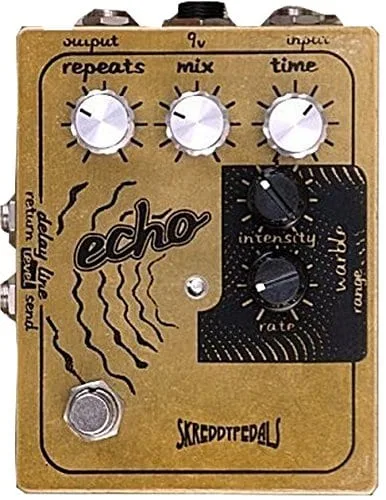
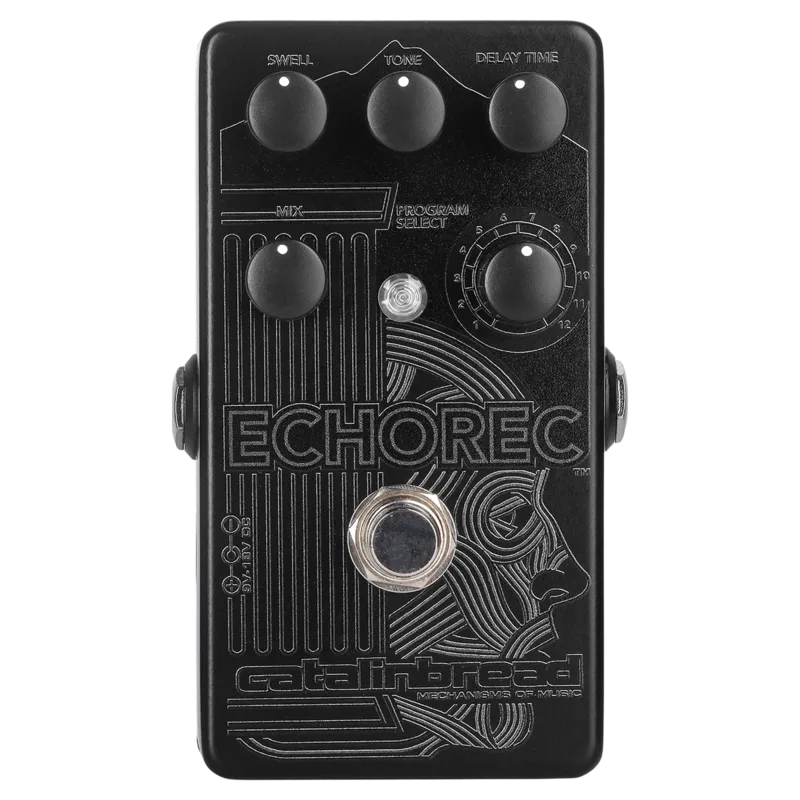
| Skreddy Echo | Closest to his preferred vintage Binson Echorec4 |
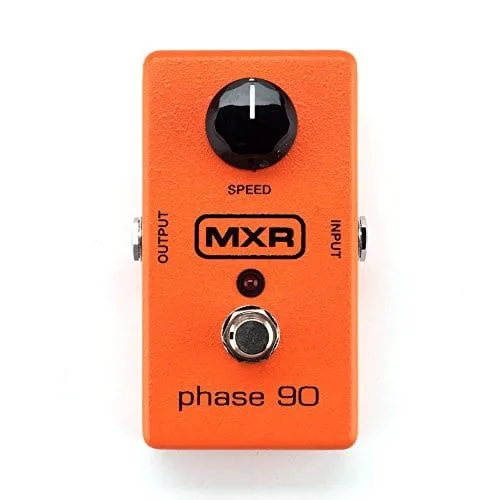
| MXR Phase 90 (two) | Used for solos4 |
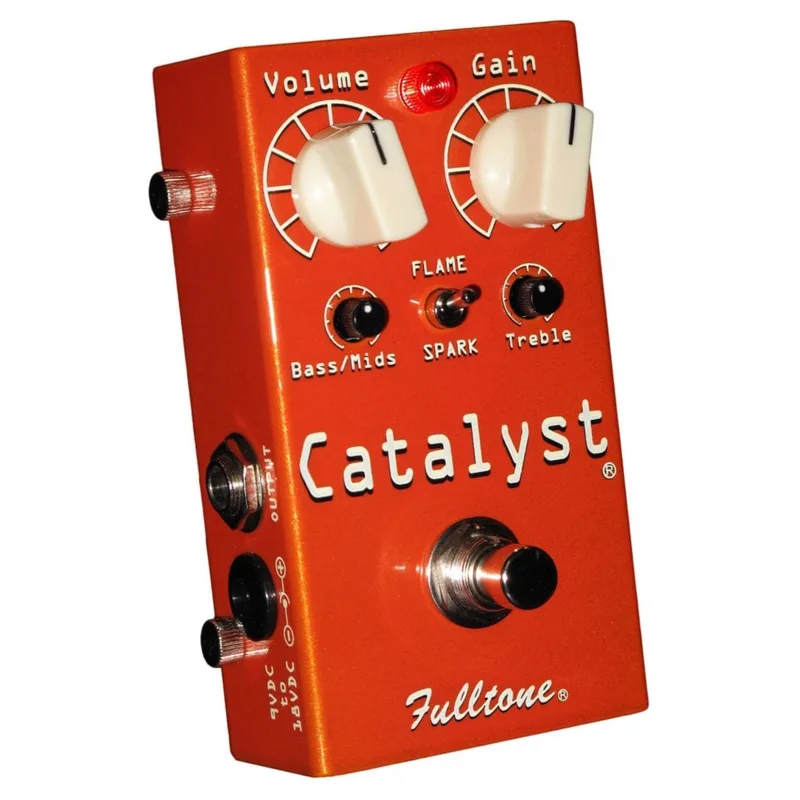
| Fulltone Catalyst | Used as a preamp4 |
| Chicago Iron Octavian | On his pedalboard4 |
| Boss PS-2 Phase Shifter | On his pedalboard4 |
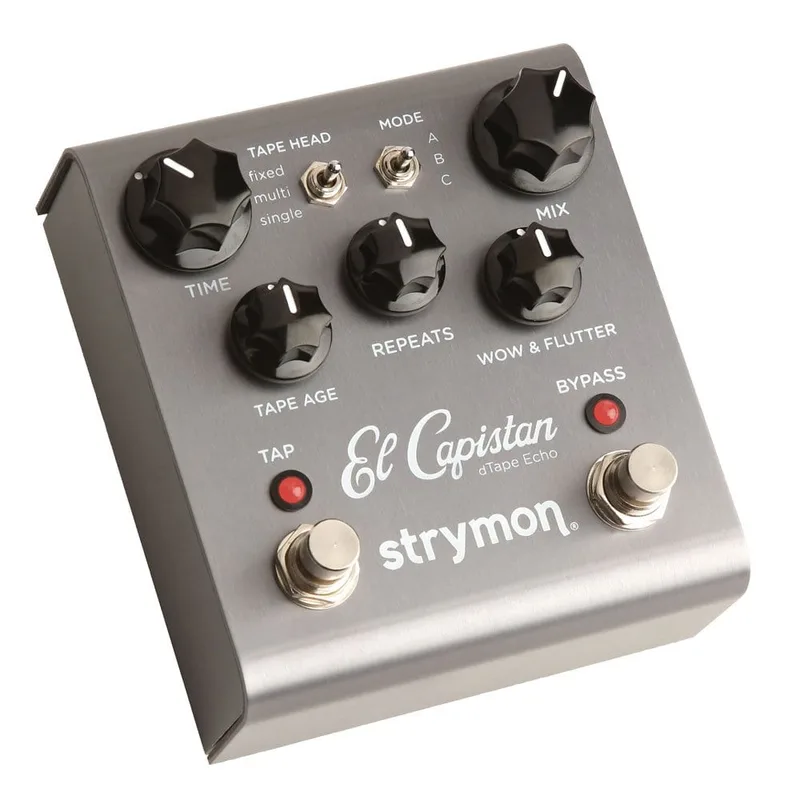
| Strymon El Capistan | On his pedalboard4 |
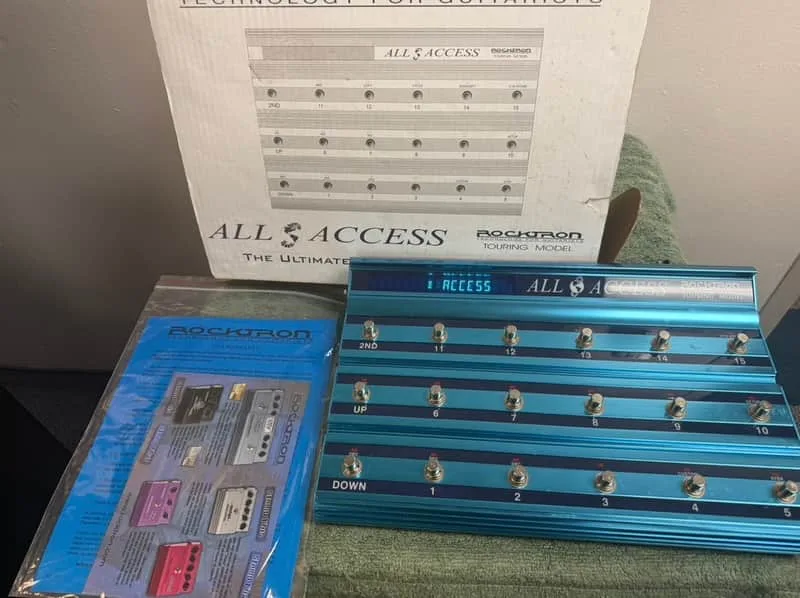
The Skreddy Echo was on his 2012 pedalboard as well10. He switches between his Salvation Mods modules with a Rocktron All Access switcher4, and in 2017 he was playing a signature Yamaha LJ16BC acoustic around the launch of his album Ogilala15.
Questions
What Big Muff did Billy Corgan use on Siamese Dream?
A vintage Electro-Harmonix Big Muff Pi Version 4, the op-amp model made around 1978. He used it for most of the album's rhythm tracks, with solos included, and identified it himself in late 2009 by posting a photo of the pedal showing his exact Siamese Dream settings. Kit Rae's history also notes a V5 tone bypass transistor version appearing on the record.
Why did Billy Corgan start using a Big Muff?
He has said he got the idea after hearing rehearsals by fellow Chicago band Catherine, whose three guitarists all used Big Muffs. He then ran a vintage USA Big Muff into a Marshall JCM 800 100 watt head, stacking the pedal's gain with the amp's for the early Smashing Pumpkins albums.
Is there a Billy Corgan Big Muff reissue?
Yes. Electro-Harmonix reissued the op-amp Big Muff Pi after founder Mike Matthews contacted Corgan about the Siamese Dream connection. Corgan demoed and discussed the reissue in a Reverb video in December 2017 and said the magic was still in the box.
What picks does Billy Corgan use?
Jim Dunlop lists him as a user of 1.0mm gauge Tortex Standard Picks. His live rig has also included a Skreddy Echo, two MXR Phase 90s for solos, a Fulltone Catalyst as a preamp, a Chicago Iron Octavian, a Boss PS-2 and a Strymon El Capistan.
Was the Siamese Dream Big Muff an op-amp or transistor version?
Both appear on the record. Kit Rae's Big Muff timeline notes heavy use of the V4 op-amp version and the V5 tone bypass transistor version, but Corgan himself identified his pedal as a V4 op-amp Big Muff, and almost all the heavy tracks were recorded through it, solos included.
Sources (22)
- The Big Muff History of All Versions Part 1, Kit Rae (kitrae.net), 2024-02
- Pioneers of fuzz: 13 guitarists who defined the fuzz pedal, MusicRadar, 2020-07-23
- Artists - Smashing Pumpkins - Dunlop, Jim Dunlop (jimdunlop.com)
- Rig Rundown, Premier Guitar, 2012-11-20
- Why Put a Distortion Pedal Before a Distorted Amp?, Vein-Tap.com, 2016-09-10
- New Pedal: Wren And Cuff Eye See '70 Fuzz, Delicious Audio, 2023-09-05
- Wampler Pedals Leviathan Pedal Review, Premier Guitar, 2011-06-14
- Keeley Electronics' Rotten Apple Fuzz and a Siamese Dream, gearnews.com, 2017-05-28
- Cust Shop Tri Pie '70 + Creamy + Mid-Flat *B-Stock BLEM*, Wren and Cuff
- Big Muff Inspired Pedals and Clones, Kit Rae's Secret Guitar, Gear, and Music Page (kitrae.net), 2005
- Electro-Harmonix Announces Reissued Op-Amp Big Muff, Guitar.com, 2017-12-12
- 1979 Baja, Mojo Hand FX
- A Fuzz and Muff pedal Timeline, Kit Rae (kitrae.net), 1993
- Guitar Pedal X, Guitar Pedal X, 2024-07-15
- Billy Corgan is working with Electro-Harmonix on a Siamese Dream op-amp Big Muff reissue, MusicRadar, 2017-10-11
- The Big Muff History of All Versions 3, Kit Rae (kitrae.net), 2017-09
- Op Amp Big Muff Pi, Electro-Harmonix, 1993
- Electro-Harmonix reissues Op-Amp Big Muff: Pumpkin Pi?, gearnews.com, 2017-12-13
- Electro-Harmonix Big Muff round-up, Guitar World, 2020-03-24
- The Ultimate Guitar Pedal Buyer’s Guide, Performer Mag, 2024-03-03
- Guitar Pedal X, Guitar Pedal X, 2019-10-17
- Artists - ZVEX Effects, ZVEX Effects (www.zvex.com)