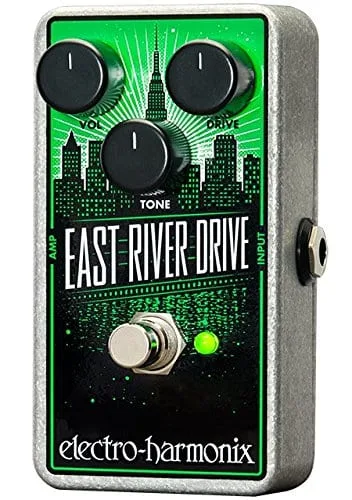
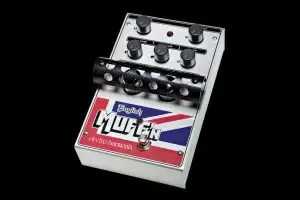
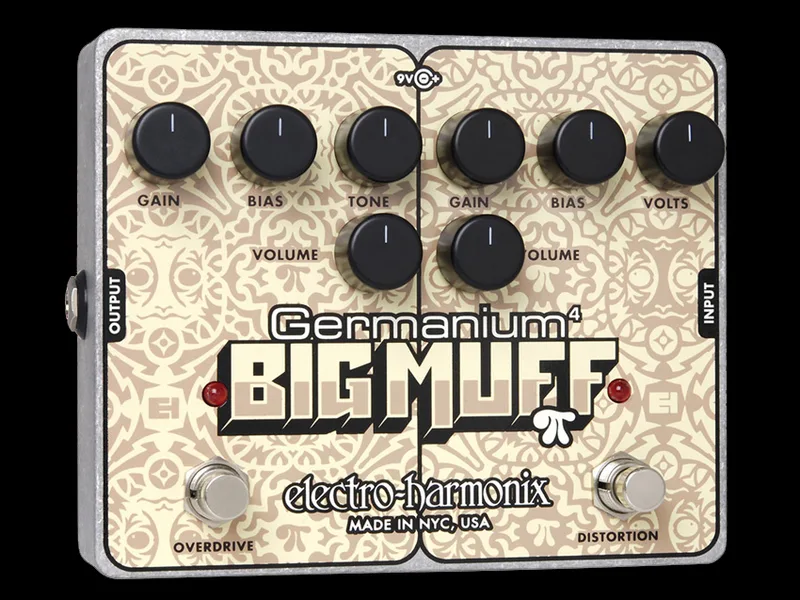
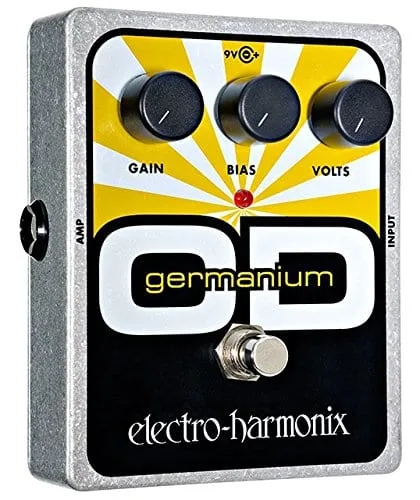
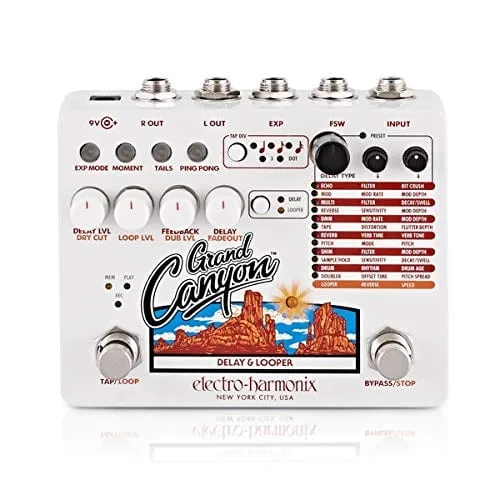
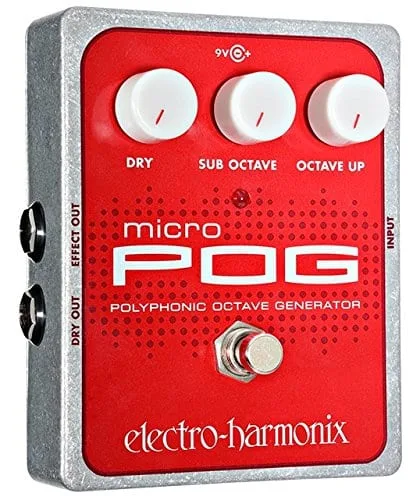
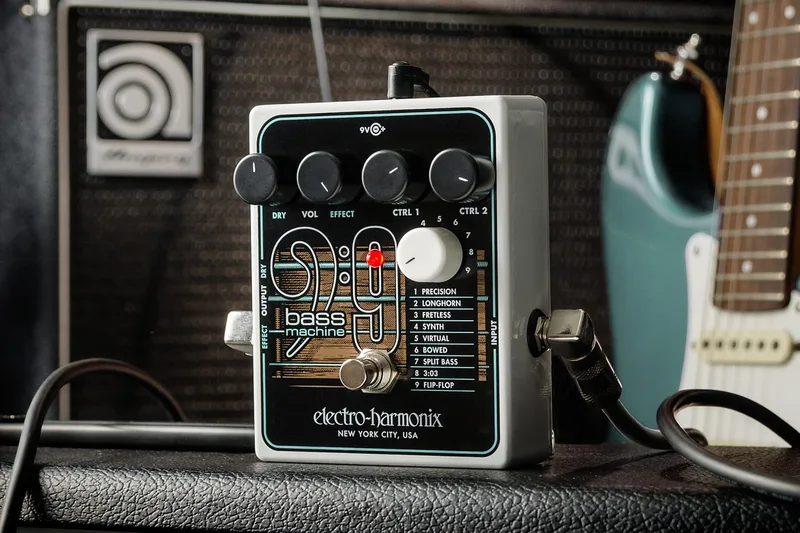
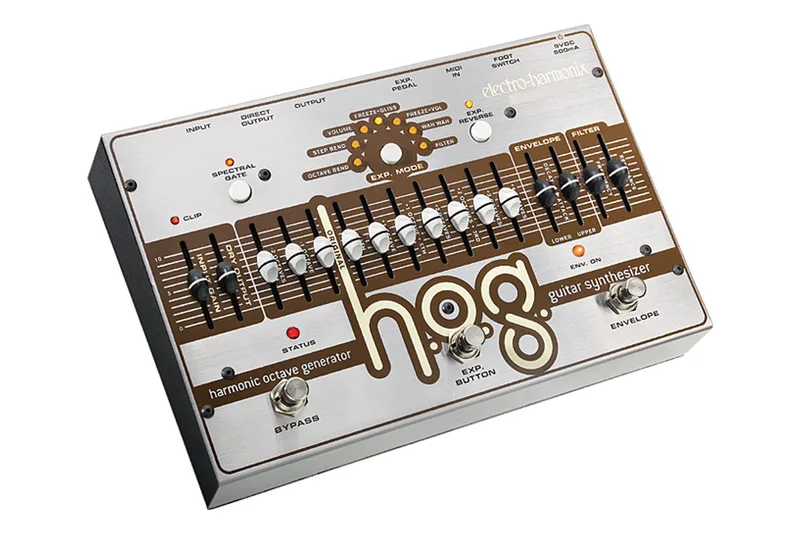
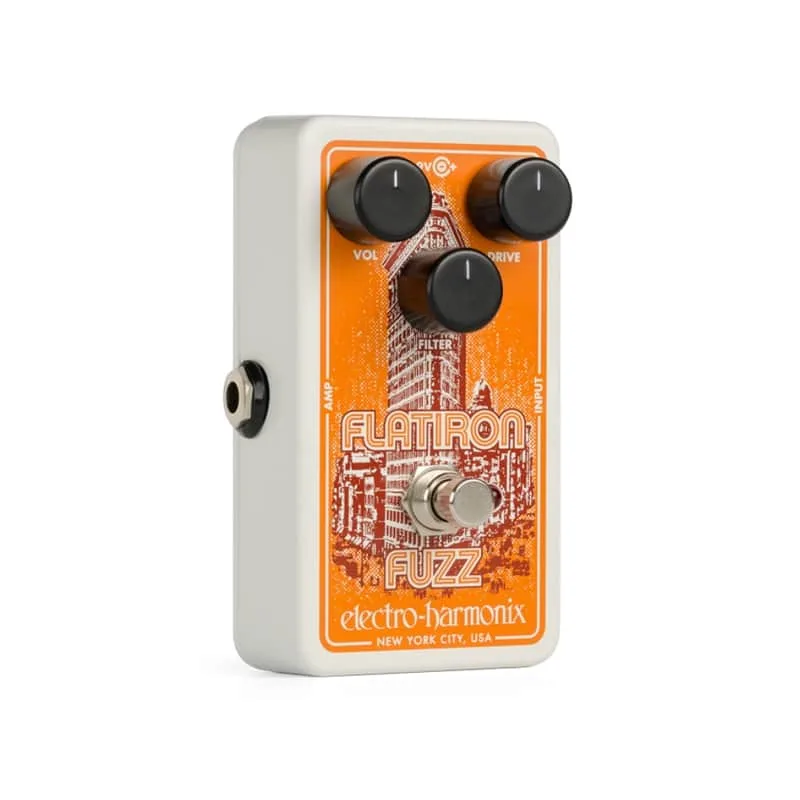
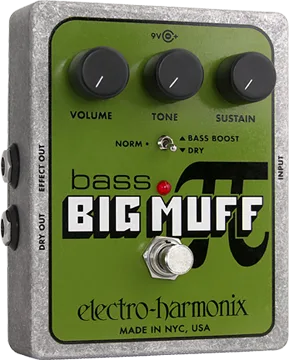
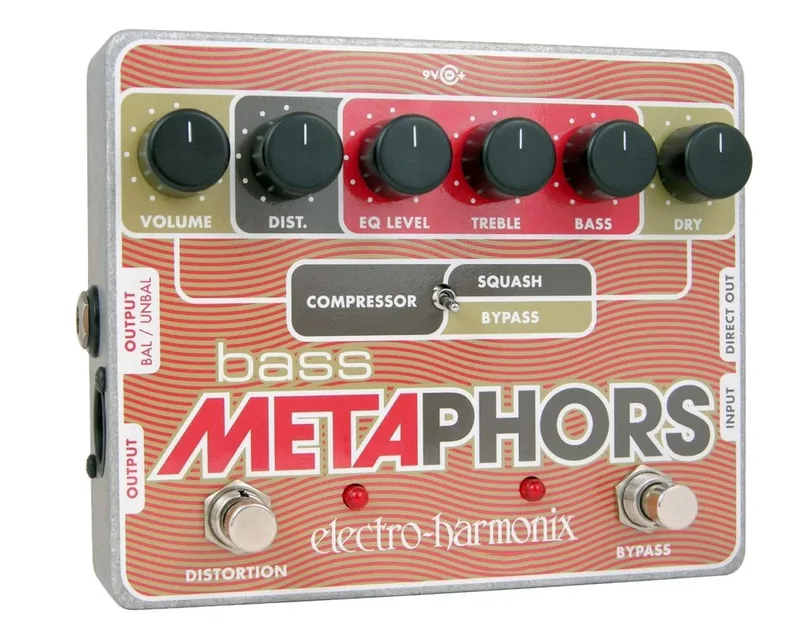
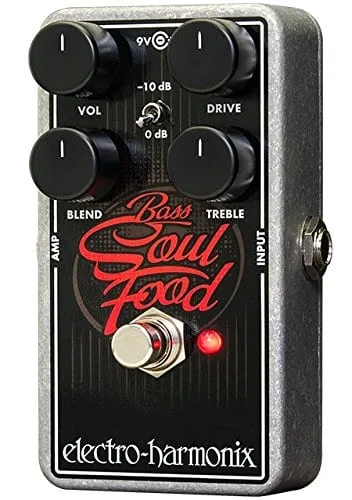
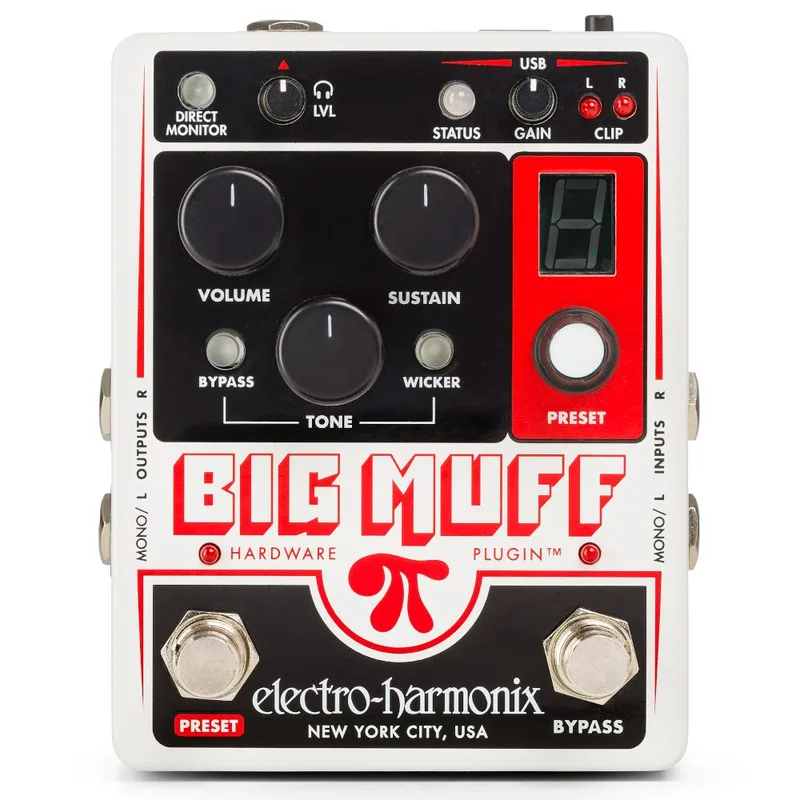
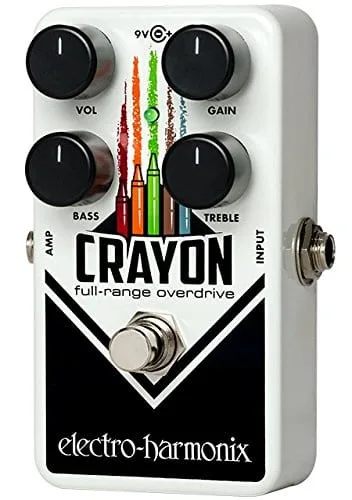
Electro-Harmonix, usually shortened to EHX, is a New York effects company founded by Mike Matthews in 19681. Its primary product line today runs to over 150 guitar effects pedals, from fuzz to delay and modulation to synthesis, and the company also sells guitar amplifiers, vacuum tubes, Bluetooth headphones and speakers, and accessories including strings, tuners and power supplies2. Its pedals are used by professional and amateur guitar and bass players, keyboardists, producers, studio engineers, DJs and vocalists, and the company says its products have been imitated and copied by almost every pedal company on the planet2.
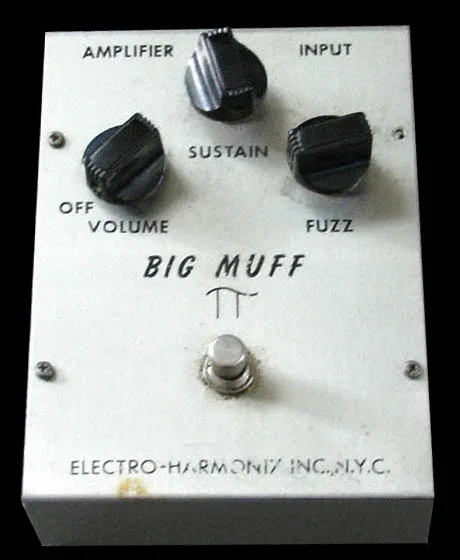
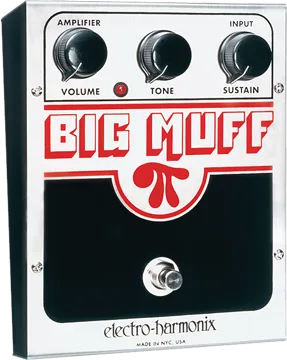
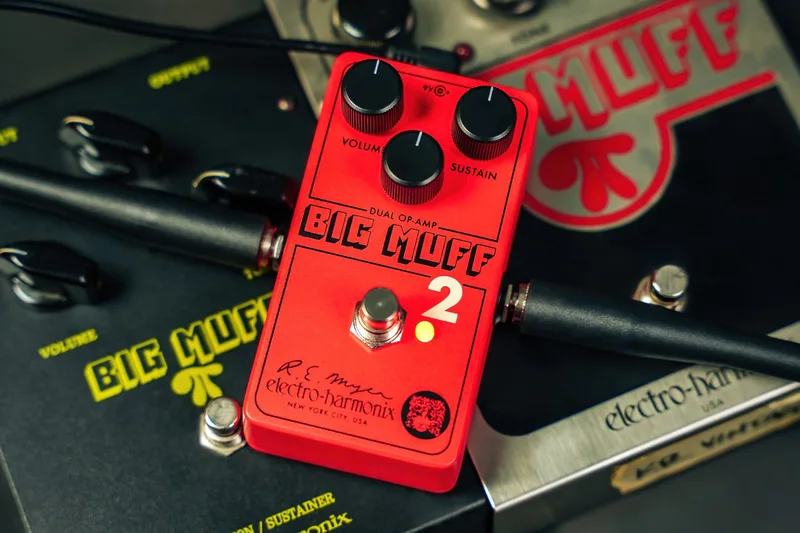
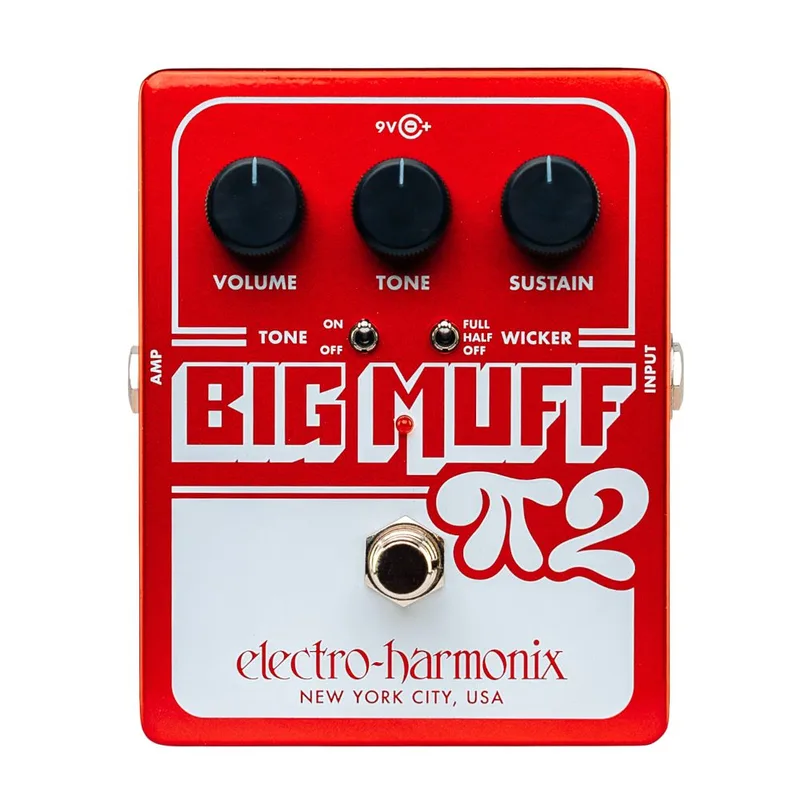
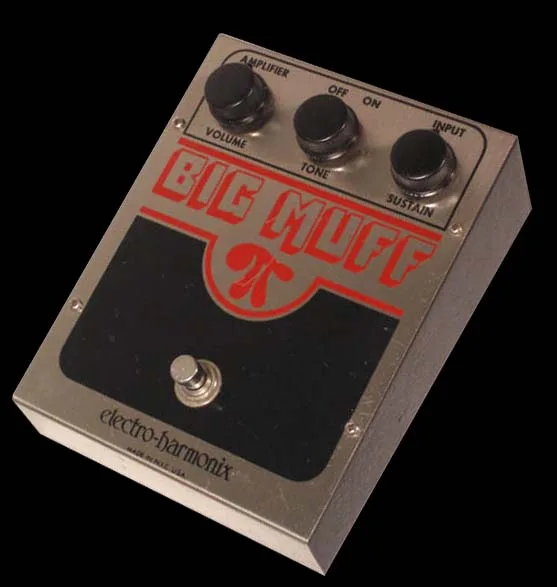
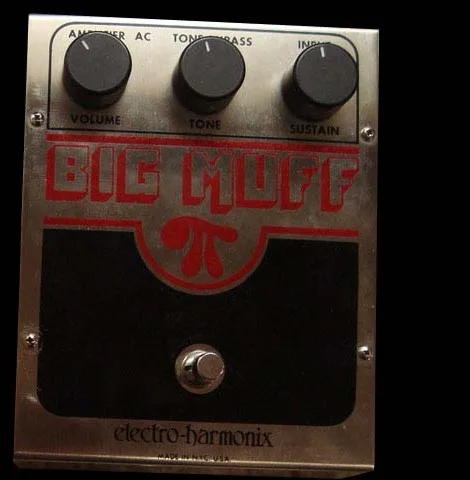
The name most players associate with EHX is the Big Muff Pi, which GuitarPlayer's Dave Hunter calls "the most popular American-made fuzz pedal of all time"3. Alongside it sit the Small Stone phaser and the Small Clone chorus, both analog designs that have stayed in the line for decades.
The story: from the 1960s to over 150 pedals
Matthews built the business quickly. By 1978 EHX was grossing $5 million annually and had offices in New York, Toronto, London, and Tokyo, with 200-something employees6. The company marked the 50th anniversary of the brand in 20185, and as of 2021 it offered over 150 active products including pedals, amps and strings, plus over 360 vacuum tubes5.
An aggressive campaign by a trade union in New York that targeted EHX's 200-something employees contributed to the pressure, and Matthews had to sell the Electro-Harmonix trademark6. JHS Pedals' account of the history records that the company "filed its second bankruptcy, closed its doors, and the mighty Big Muff disappeared for almost a decade"7.
His recovery plan pointed east: "His new plan and target market? The Soviet Union." Matthews hooked up with a very small military factory in St. Petersburg, and those were the first Electro-Harmonix pedals made in Russia6. He later got the trademark back and restarted Stateside operations, helped by a vintage market in which pedals built in the '70s were selling for more than their original price6.
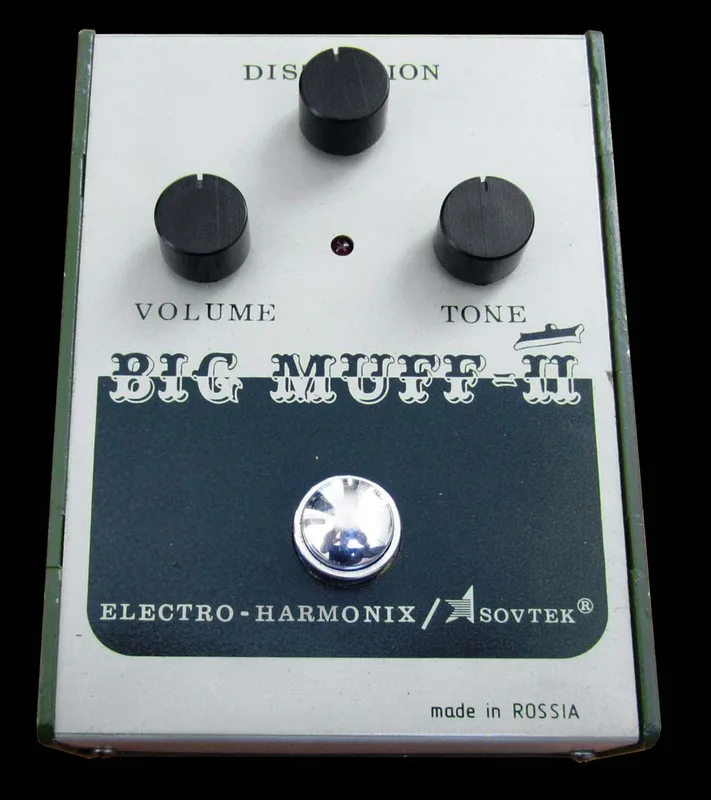
The Russian-built era explains a whole branch of Big Muff history. Matthews applied the Sovtek brand to a range of Russian-made Big Muff pedals, which used the same variation of the Big Muff circuit found in the Red Army Overdrive but carried the Electro-Harmonix name3. These morphed into the tank-colored "green Russian" pedals that Dave Hunter calls "probably the best known among E-H's" Russian offerings3. Wren and Cuff notes the originals were "rare, much-loved, but cheaply made," with poor quality components that usually required two or three back-up pedals on tour9. EHX now sells a compact, pedalboard-friendly Green Russian Big Muff Pi reissue in a mini package101112.
Known for the Big Muff Pi, Small Stone and Small Clone
On the modulation side, the Small Stone is the company's original compact phaser, an analog design still in production13. In 2025 EHX marked 50 years of the design with the Golden Small Stone, a limited edition of 600 pedals in a full-sized gold chassis, each with a certificate of authenticity141516. The Small Clone chorus pedal is another long-running analog design; Analog Mike's manual describes it as "one of the best chorus pedals ever made - with lush, bright, shimmering tones"17.
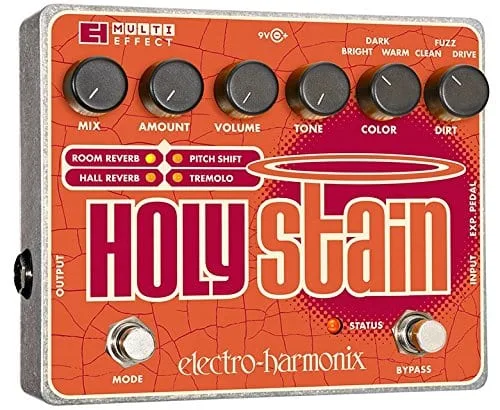
The company has also branched into multi-effects: the Holy Stain was billed as "The first multi-effect pedal from Electro-Harmonix!"18.
Mike Matthews and the Electro-Harmonix designers
Mike Matthews founded the company in 1968 and remains its public face, quoted on current product pages and identified by EHX as its founder1. He is still involved in product design, commenting on releases such as the Turnip Greens (discontinued 2025): "Beyond simply combining these two great products, we've added additional features to make the pair even more potent!"15
Behind him stood circuit designers. Analog Mike credits Howard "Mick" Davis as the designer "who designed many of the cool Electro-Harmonix pedals in the 70s"19. Signature collaborations have included the Walking on the Moon flanger for Andy Summers20.
Support and the range today
Electro-Harmonix remains an active, independent maker with its factory in New York City5. Its current catalog spans the full effects spectrum, including overdrive, distortion, delay, reverb, wah, octave and pitch, looping, synth and expression pedals, alongside amps, tubes and accessories2. Older designs are retired as the line evolves: the Stereo Polychorus was discontinued in 2011, the Enigma in 2022, and the Triple Foot Controller in 2024212223.
Mike Matthews founded Electro-Harmonix in 1968. The company marked the 50th anniversary of the brand in 2018, and by 2021 it offered over 150 active products, including pedals, amps and strings, alongside more than 360 vacuum tubes.
Where are Electro-Harmonix pedals made?
Electro-Harmonix pedals are built at the company's factory in New York City, where the company has operated since its founding. During the late 1980s and 1990s, pedals including the Big Muff were made in Russia by a small military factory in St. Petersburg.
Did Electro-Harmonix go bankrupt?
Yes, twice. Mike Matthews filed for bankruptcy in 1982 and, after continuing to struggle, was completely bankrupt by 1984, closing the company's doors. The Big Muff disappeared for almost a decade before Matthews revived the business through Russian production.
Why were some Big Muffs made in Russia?
After the 1984 bankruptcy, Mike Matthews turned to the Soviet Union as his new market and partnered with a small military factory in St. Petersburg to build pedals. Those Russian-made Big Muffs used the same circuit variation as the Red Army Overdrive and became known as the green Russian Big Muffs.
Is the Small Stone still made?
Yes. The current Electro-Harmonix Small Stone is an analog phaser in production, and in 2025 the company released a limited-edition Golden Small Stone, restricted to 600 pedals in a gold full-sized chassis, to mark 50 years of the compact phaser.