

The Source Audio Soundblox Bass Envelope Filter is a digital envelope filter pedal for bass, released by Source Audio in October 2010. An envelope filter, sometimes called an auto wah, listens to how hard you play and sweeps a filter up or down in response, so your picking dynamics shape the sound. This pedal packs 21 different filter sounds into one stompbox, covering Two Pole, Four Pole, Single Peak, Triple Peak, Peak & Notch, and Phaser categories1.
It launched at a street price of $1191, and Premier Guitar later listed it at a street price of $1202. At launch it was available with a wired Hot Hand motion controller included for a limited time3.
What it does to your sound
The pedal holds 21 presets: seven 2-pole low-pass filters, four high-pass filters, two single-peak filters, four triple-peak filters, two peak-and-notch filters, and two phase filters2. Those categories span the range of classic envelope filter behavior, from subtle low-pass sweeps to vocal-sounding multi-peak filters.
Premier Guitar's reviewer found the pedal could get close to talk box territory on one preset: set the Frequency and Sweep controls to noon on Preset 15 (triple-peak) for "sweet talking bass flavors that are rich with moving vowel sounds and can work almost like a talk box as you vary your attack"2.
Because it is digital, running on a 56-bit DSP with 24-bit converters, the pedal stays clean at high settings. Premier Guitar's reviewer noted that "thanks to the 56-bit digital signal processor and 24-bit converters, the Soundblox BEF always sounded crystal clear"2.
Controls: sweep direction, range and attack/decay
The control set centers on how the filter moves in response to your playing:
| Control area | What it does |
|---|---|
| Sweep direction | Filters can be modulated via positive or negative sweeps1 |
| Frequency range | Sets the range of the sweeps1 |
| Attack/decay | Sets the attack and decay speeds of the filter's response1 |
Positive and negative sweeps are the core choice: a positive sweep opens the filter as you play harder, the familiar auto wah motion, while a negative sweep runs the other way. Attack and decay control how quickly the filter reacts to your picking and how fast it settles back1.
Hot Hand motion control
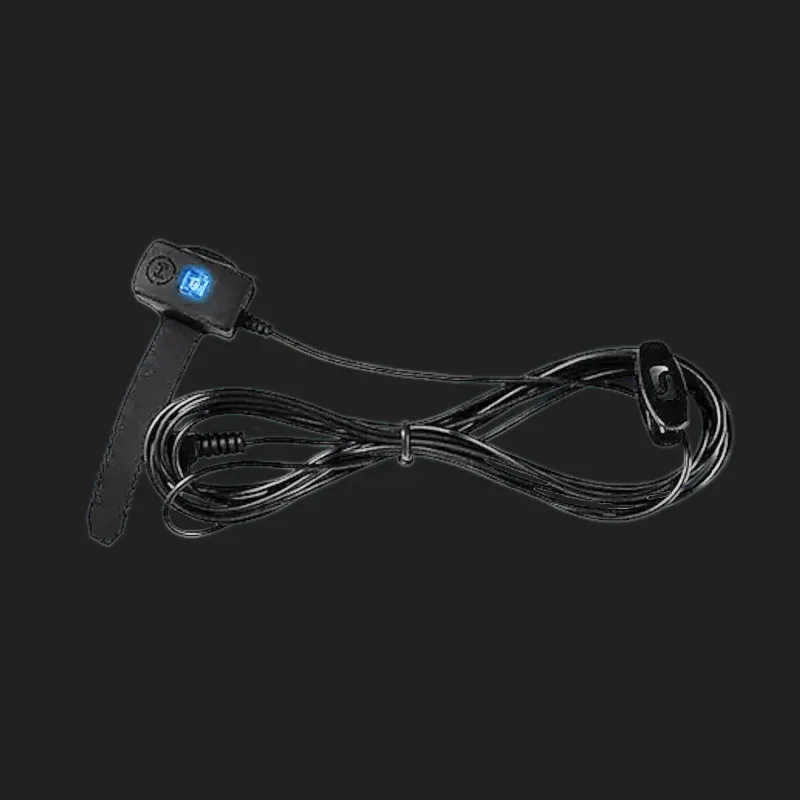
Like all Soundblox pedals, the BEF can be optionally controlled by a Hot Hand motion-sensing ring, worn on the player's hand or placed anywhere on the instrument, which modulates the filter sweeps as you move3. At launch, Source Audio included a wired Hot Hand controller with the pedal for a limited time only3.
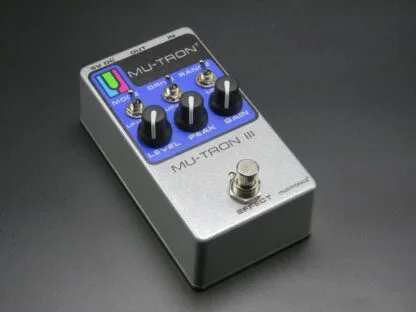
Premier Guitar's reviewer counted the Hot Hand expression controller among the pedal's strengths, alongside "so many easy-to-use presets, a flexible control set, and a real feel for what made analog envelope filters like the Mu-Tron so special"2.
Bypass and power
The pedal uses Active Analog Bypass: when the effect is off, the signal is fully routed around the DSP, and an active input ensures zero signal degradation1. That means your clean bass tone never passes through the digital converters when bypassed.
Note that the power supply is not included1, so you need to provide your own. The later Pro version shipped with a 9V DC supply in the box4.
Where it came from
Source Audio announced the Soundblox Bass Envelope Filter in October 2010 as the latest addition to its expanding line of bass effects3. The pedal's enclosure was described at launch as a thoughtfully designed box with rugged construction and sleek looks1.
Bassists associated with the launch spoke highly of it. Mike Gordon said it was "the first unit with enough control to preserve the low-end without sacrificing clarity"3. Kevin Walker said Source Audio "has revolutionized the bass envelope filter as we know it today and resurrected the bass guitar," adding that it replaced a keyboard for sounds he once needed a keyboard for3.
The guitar version and the Pro version
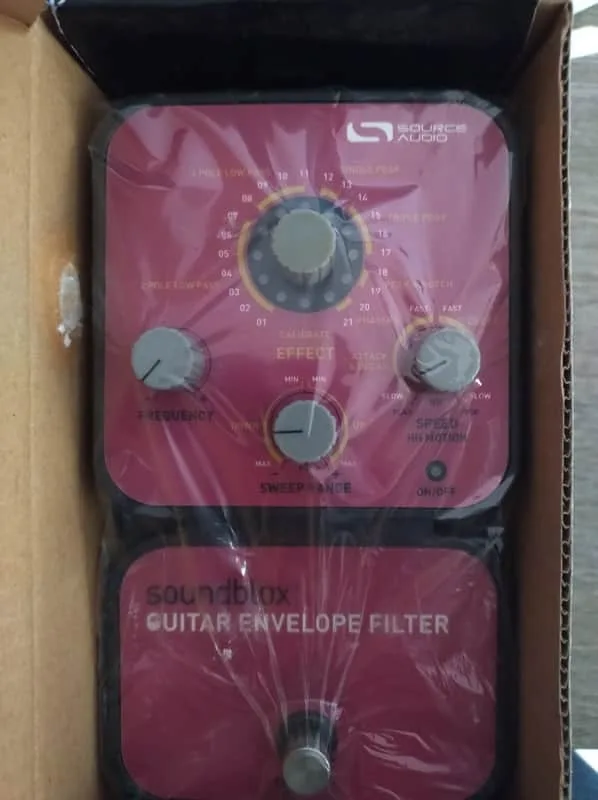
Two related pedals followed. In April 2011, Source Audio released the Soundblox Guitar Envelope Filter, designed in the mold of the bass version with the same 21 envelope filter effects, a three-knob control panel, and the same 56-bit DSP with 24-bit converters5. It also resets the filter position on even the slightest gap in the incoming signal, providing a full sweep range for every note5.
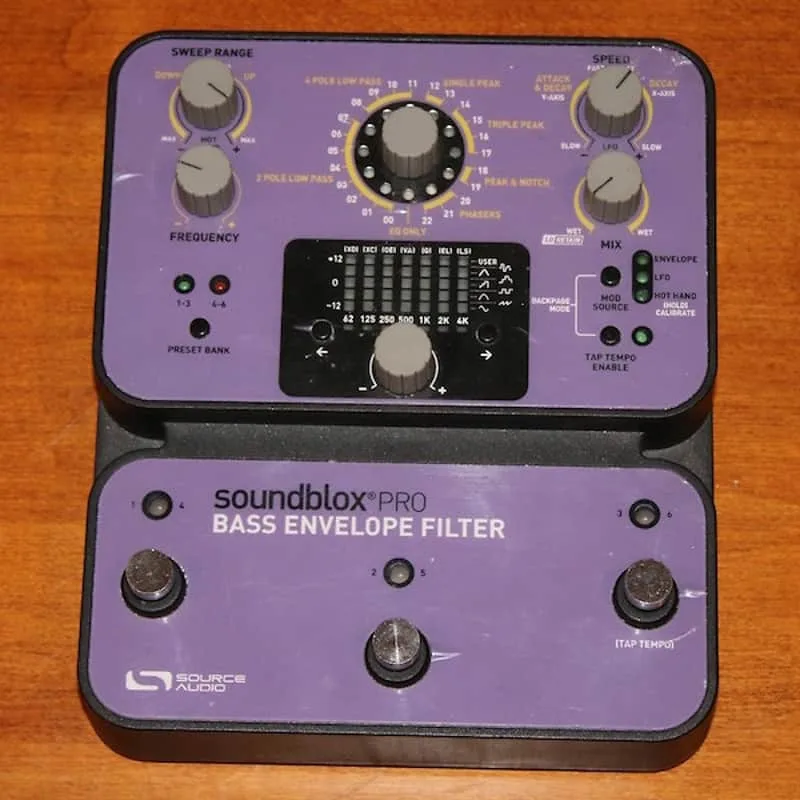
In July 2011, Source Audio expanded the bass original with the Pro version4:
The Pro version also uses the same Active Analog Bypass design, with the bypass fully routed around the DSP and an active input to ensure zero signal degradation4.
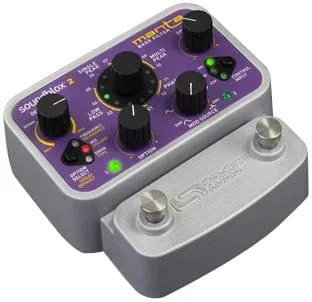
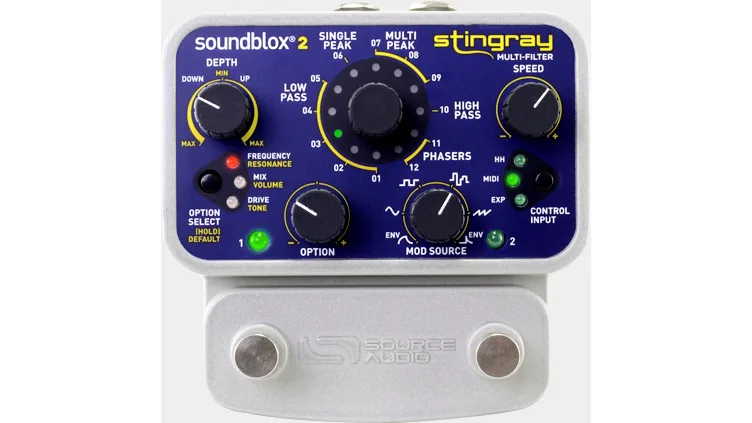
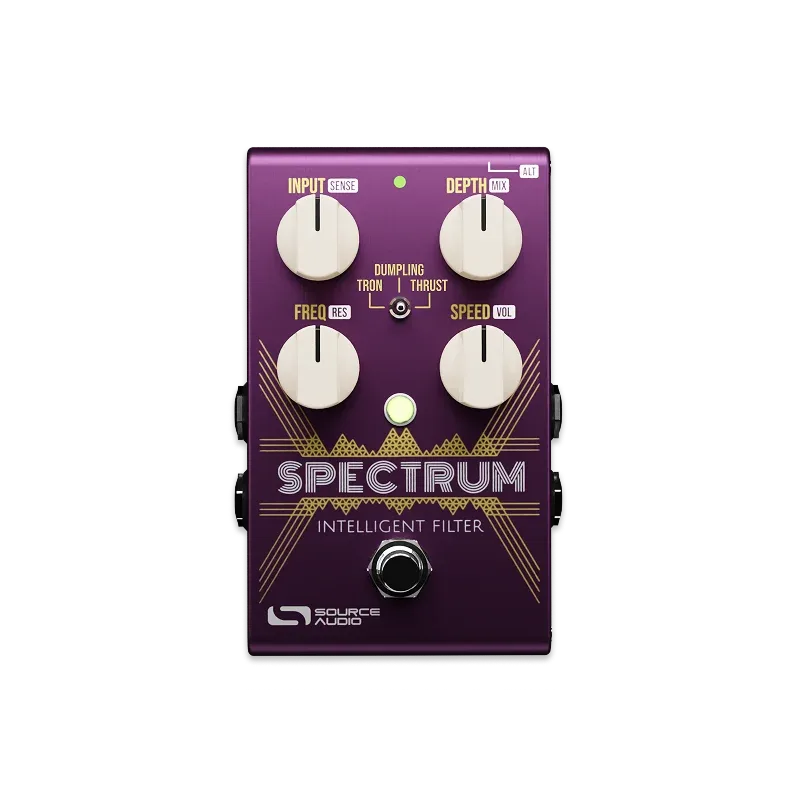
Source Audio's filter line continued from there, later including the Soundblox 2 MANTA Bass Filter, the Soundblox 2 Stingray multi-filter pedal, and the Spectrum Intelligent Filter.
Videos
sourceaudioeffects
sourceaudioeffects
sourceaudioeffects
Questions
Does the Soundblox Bass Envelope Filter come with a power supply?
No. The power supply is not included with the Soundblox Bass Envelope Filter, so you need to supply your own. By contrast, the later Soundblox Pro Bass Envelope Filter shipped with a 9V DC power supply in the box.
Is the Soundblox Bass Envelope Filter analog or digital?
It is digital. The pedal uses a 56-bit digital signal processor with 24-bit converters, which Premier Guitar's reviewer said kept it sounding crystal clear. The signal path is DSP-based, though the bypass is analog and fully routed around the DSP.
What kind of bypass does the Soundblox Bass Envelope Filter use?
It uses Active Analog Bypass. When bypassed, the signal is fully routed around the DSP, and an active input ensures zero signal degradation, so your clean tone does not pass through the digital processing when the effect is off.
Can you use the Soundblox Bass Envelope Filter with a guitar?
The pedal was designed for bass, but Source Audio later released the Soundblox Guitar Envelope Filter, which was designed in the mold of the bass version and carries the same 21 envelope filter effects in a guitar-oriented package.
What is the Hot Hand controller?
Hot Hand is a Source Audio motion-sensing ring worn on the player's hand or placed anywhere on the instrument. It modulates the filter sweeps as you move. For a limited time at launch, a wired Hot Hand controller was included with the pedal.
What is the difference between the Soundblox Bass Envelope Filter and the Soundblox Pro Bass Envelope Filter?
The Pro version, introduced in July 2011, expands on the original with 22 envelope filter effects, four modulation sources, a 7-band EQ, six user presets, a Wet/Dry Mix knob with the Lo-Retain low-end preserving algorithm, a MIDI input, and an included 9V DC power supply, at a $219 street price.
Sources (5)
- Gear Watch: Source Audio Soundblox Bass Envelope Filter, No Treble (www.notreble.com), 2010-10-20
- Soundblox Bass Envelope Filter Pedal: In-Depth Review, Premier Guitar, 2011-03-15
- Source Audio Unveils Soundblox Bass Envelope Filter, Premier Guitar, 2010-10-19
- Source Audio Introduces the Soundblox Pro Bass Envelope Filter, No Treble, 2011-07-21
- Source Audio launches Soundblox Guitar Envelope Filter, MusicRadar, 2011-04-20