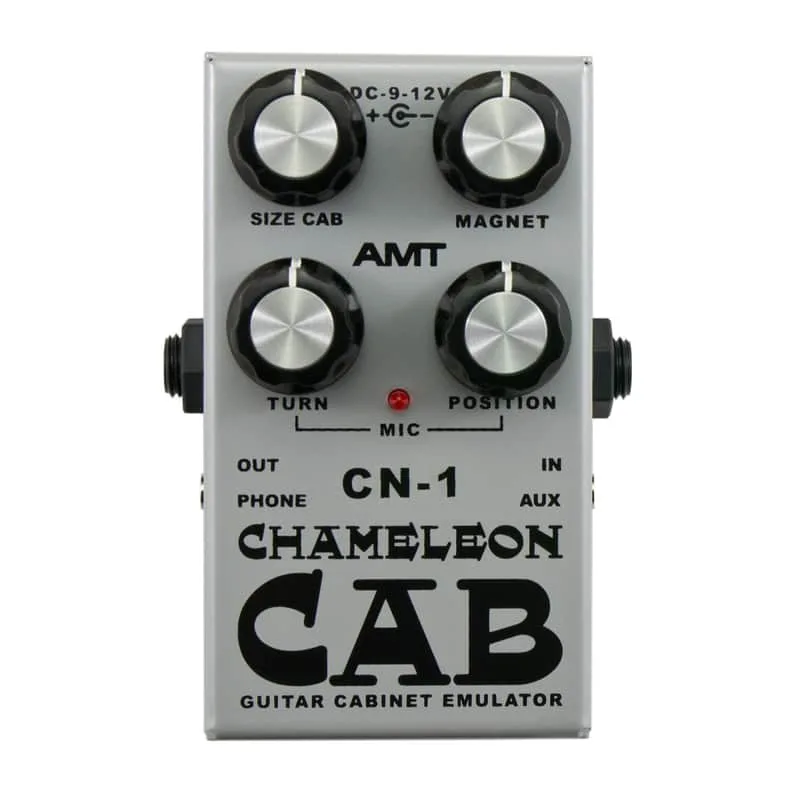


The AMT Electronics Chameleon CAB CN-1 is a speaker cabinet emulator in pedal form. Its job is to reproduce the limited frequency response of a miked guitar speaker cabinet, so that a distorted guitar signal, which sounds harsh and fizzy through full-range gear, can be played through a PA, a computer sound card, a home stereo amplifier or a DAW12. AMT describes it as a speaker cabinet emulation tool that lets guitarists play their favorite distortion and overdrive preamps directly into a computer, PA or DAW1.
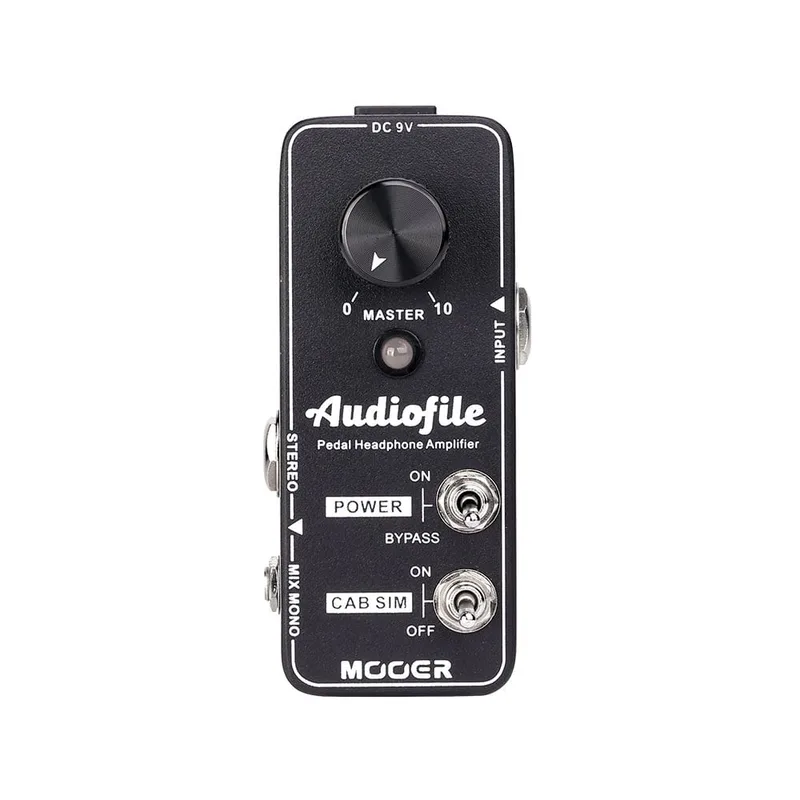
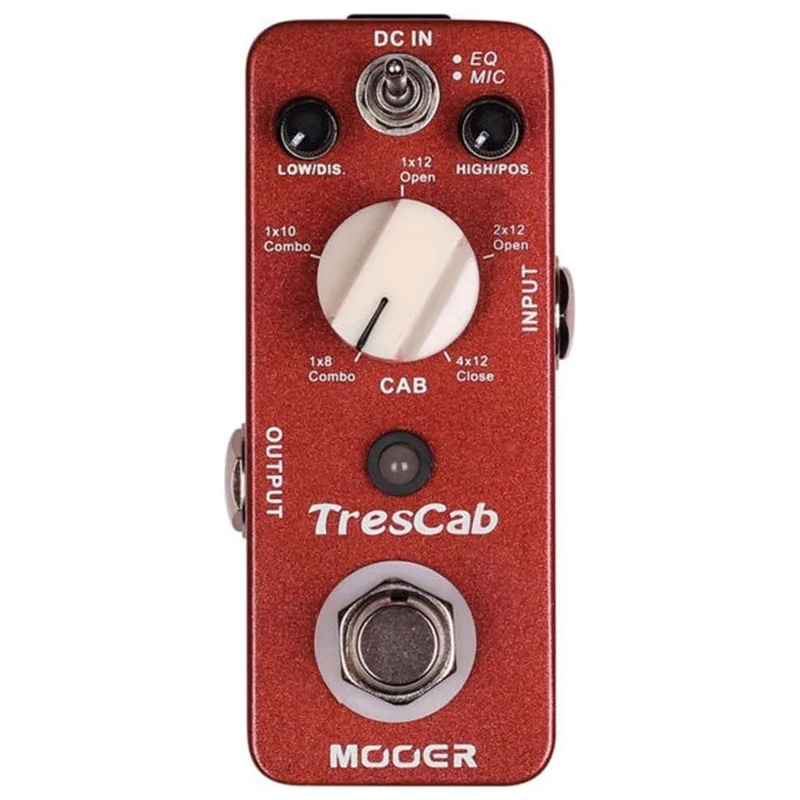
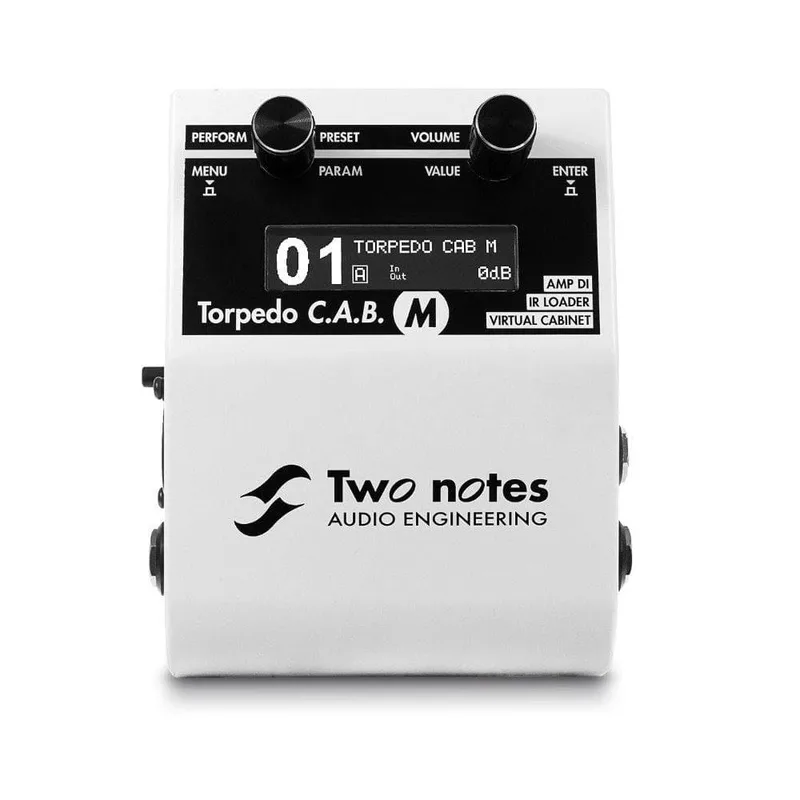
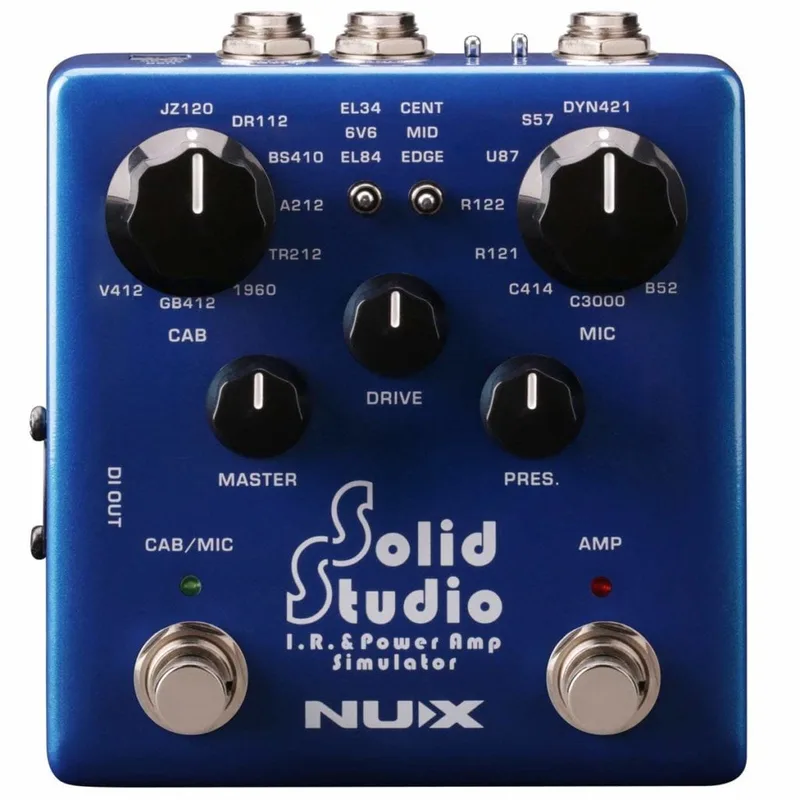
The CN-1 is part of a family of speaker simulation pedals that solve the same problem in different ways, from compact analog units like the MOOER Audiofile and Mooer TresCab to IR-based units like the Two Notes Torpedo C.A.B. M and NUX Solid Studio. The CN-1 takes the analog route, with controls that model the physical relationship between a speaker cabinet and a microphone1.
What the CN-1 does to your sound
A guitar speaker cabinet does not reproduce the full audio spectrum. It rolls off the highs and lows, and that limited frequency response is a big part of why a distorted preamp signal sounds finished through a real cab but raw through flat-response equipment. The CN-1 emulates that miked guitar speaker frequency response, which is what makes it possible to play distorted guitar through broadband systems like PA speakers, computers and home stereos2.
The emulation is built around three controls that model the physical variables of recording a cabinet1:
| Control | What it does |
|---|---|
| SIZE CAB | Adjusts the overall speaker cabinet size being emulated, from smaller 1 x 10" style cabinets all the way up to a 4 x 12" cabinet12 |
| POSITION | Emulates moving the microphone closer to the center of the speaker cone, or further away from the center12 |
| TURN | Emulates the rotational axis of the microphone, from straight on to an angled away facing microphone12 |
Together these three knobs cover the same decisions a recording engineer makes when miking a cab: which size of cabinet, where the mic sits on the cone, and at what angle the mic faces the speaker. AMT's media center also lists the CN-1's feature set as including an analog preamp with Clean, Low gain and High gain modes, a Power Amp section with 9 types, and an IR cabsim with one IR for both L/R channels per preset3.
Running a preamp into a PA or DAW
The intended signal chain is simple: a preamp pedal or preamp output feeds the CN-1's 1/4 inch input, which is designed for connecting external devices such as preamp guitar amplifiers2. The 1/4 inch output then connects to the line input of a mixer, a home amplifier, a computer sound card or similar devices2. AMT's own framing of the pedal is that guitarists can easily play their favorite distortion and overdrive preamps directly into a computer, PA or DAW with the cabinet emulation in place1.
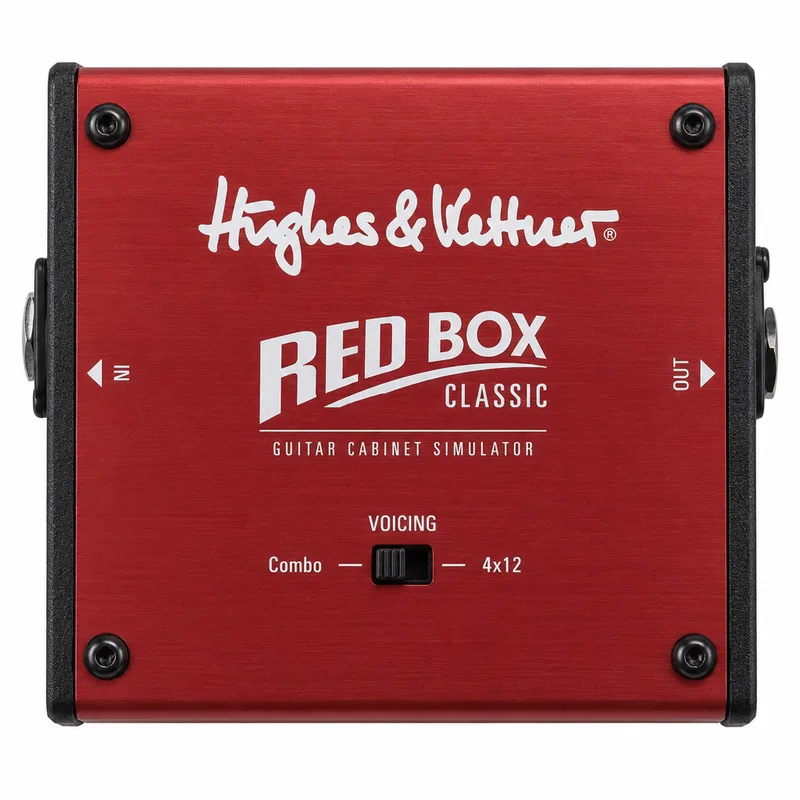
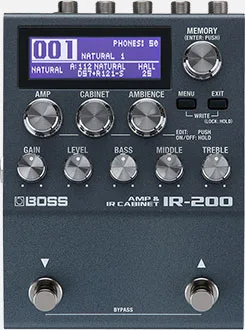
For players comparing options, the CN-1's analog approach puts it alongside pedals like the Palmer PDI 03 and Hughes & Kettner Red Box Classic, rather than with IR loaders such as the BOSS IR-200 or MOOER Radar that load user impulse responses.
Headphones and the AUX jack
The CN-1 doubles as a personal practice rig. The PHONE output accepts headphones with an impedance of 16 Ohms or higher, and plugging headphones in automatically switches on the pedal's built-in headphone power amplifier2. That is also why the current draw jumps from 10mA to 60mA when headphones are connected1.
The 1/8 inch AUX input connects external audio devices such as an MP3 player, so backing tracks can be mixed with your guitar and monitored through the same headphones or output2. A matching 1/8 inch AUX output is provided for connecting the CN-1 to other devices1.
The headphone amplifier raises current draw to 60mA when in use. At 10mA without headphones, the CN-1 is light on a pedalboard power supply, but budget for the higher figure if you practice with headphones.
Power
The CN-1 is powered by 9 to 12V DC with a negative center polarity12, matching the standard used by most pedalboard power supplies. It can also run on a 9V battery or an external DC 9V to 12V adapter2. Current draw is 10mA without headphones and 60mA with them1.
How close is it to a real amp and cab?
AMT is direct about the limits of the simulation. The maker states that due to many factors, the absolute sound identity of the simulation is practically unattainable, and that the CN-1 offers a close approximation of real guitar speakers and tube amplifiers rather than an exact match12.
"Due to many factors the absolute sound identity of the simulation is practically unattainable"
That framing is worth keeping in mind when comparing the CN-1 with IR-based cab sims: it is an analog approximation of a miked cabinet, with the three mic-placement controls shaping the response, not a captured snapshot of a specific cab and microphone1.
Videos
Brett Kingman
Impervious
Kairon Music®
Questions
Does the AMT Chameleon CAB CN-1 work with headphones?
Yes. The CN-1 has a PHONE output for headphones with an impedance of 16 Ohms or higher, and plugging headphones in automatically switches on the built-in headphone power amplifier. With headphones connected the pedal draws 60mA, compared with 10mA without them.
What power supply does the AMT CAB CN-1 need?
The CN-1 runs on 9 to 12V DC with a negative center, either from a 9V battery or an external DC adapter. Current draw is 10mA without headphones and 60mA with headphones, so a standard pedalboard power supply handles it easily.
Can I run a preamp pedal through the CN-1 straight into a PA or DAW?
Yes, that is its main purpose. AMT describes it as a tool that lets guitarists play their favorite distortion and overdrive preamps directly into a computer, PA or DAW, with the cabinet emulation providing the speaker frequency response those systems lack.
What does the AUX jack on the CN-1 do?
The 1/8 inch AUX input connects external audio devices such as an MP3 player, so you can play backing tracks alongside your guitar. There is also a 1/8 inch AUX output for connecting the CN-1 to other devices.
Does the CN-1 sound identical to a real tube amp and speaker?
No. AMT states plainly that absolute sound identity of the simulation is practically unattainable because of the many factors involved, and positions the CN-1 as a close approximation of real guitar speakers and tube amplifiers rather than an exact copy.
Sources (3)
- AMT_CN-1_Description_ENG_V2.pdf, AMT Electronics
- AMT CAB CN-1, AMT Electronics, 2026
- AMT Electronics: CN-1 Chameleon Cab (Cabinet Simulator) (ENG), Media center of AMT Electronics