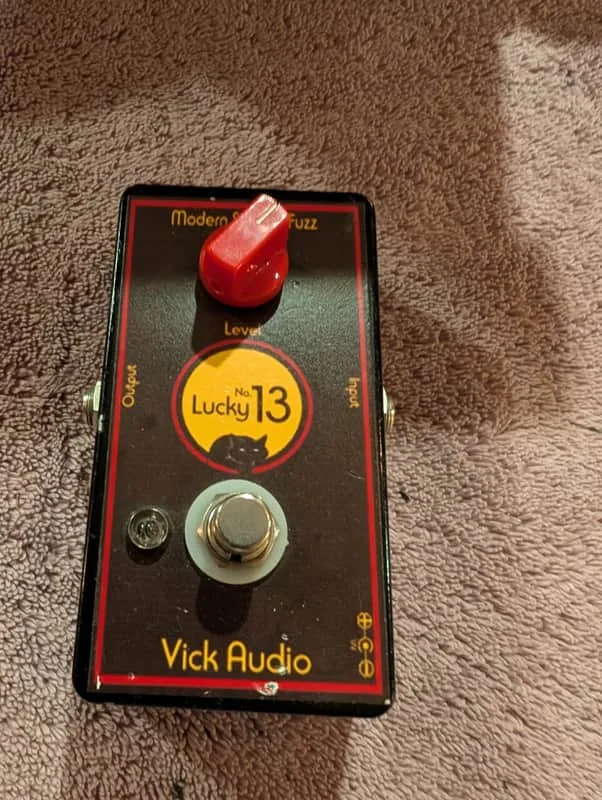


The Vick Audio Lucky No. 13 is a one-knob fuzz pedal from Vick Audio, the Arizona builder run by Mike Vickery. It is based on the Colorsound Fuzz circuit designed in the 1960s, but with what Delicious Audio describes as "higher gain, a smoother tone, and a more modern voicing" than the original circuit1. Vick Audio says the result is "an exceptional smooth fuzz with thunderous lows and loads of singing sustain"2.
The pedal was Vickery's first official product released under the Vick Audio name3. It went out of production in 2014 and was reissued in 2020 due to popular demand, after six years away1432.
What it does and how it sounds
The Lucky No. 13 takes the classic, one-knob, '60s-era Colorsound fuzz as its starting point and pushes it further. MusicRadar noted that it "should run a little hotter than the vintage Coloursound units that inspired it"42. Where a vintage Colorsound unit can sound raw and cutting, Vick Audio's version aims for a smoother, more modern take on that circuit, with the higher gain and sustain the builder describes12.
For a player, that means a fuzz that sits somewhere between a period-correct vintage reproduction and a contemporary high-gain fuzz: the DNA is 1960s Colorsound, but the voicing is built for modern rigs124.
Controls: one knob and your guitar
The Lucky No. 13 has a single volume knob to set its overall level, plus a true bypass footswitch to engage the effect3. There is no gain knob, no tone knob, and no toggles.
As with most one-knob pedals, the single control is a volume control, and it is meant to be used with your guitar's volume control to control the pedal's gain1. Guitar World explained the approach plainly:
"The Lucky No. 13's single knob acts as a volume level, with the guitar's volume used to vary the pedal's gain."
In practice, you set the pedal's output with the knob, then roll your guitar's volume down for a cleaner, tamer fuzz and back up for full gain. GuitarPlayer described the same workflow: the single knob sets level, and the guitar's volume changes up the pedal's gain2. This is the same control scheme as the vintage one-knob Colorsound units the circuit comes from.
Power and connections
The pedal runs on 9V DC through a 2.1 mm Boss style power jack, and the power supply is not included14.
There is no internal 9V battery clip, so the Lucky No. 13 cannot run on a battery. You need a 9V DC power supply with a 2.1 mm Boss style plug1.
The jacks are side-mounted, high-quality Neutrik parts4. The footswitch engages a 3PDT true bypass, so your signal passes through untouched when the effect is off1.
How it differs from a vintage Colorsound fuzz
The vintage Colorsound Fuzz was a one-knob circuit designed in the 1960s, and the Lucky No. 13 keeps that layout: one knob, true bypass switching, fuzz shaped from the guitar's volume control135. The differences are under the hood and in the voicing:
| Vintage Colorsound Fuzz | Vick Audio Lucky No. 13 | |
|---|---|---|
| Circuit | Original 1960s design1 | Based on that circuit, reworked1 |
| Gain | Vintage level | Higher gain, runs a little hotter14 |
| Voicing | Period sound | Smoother tone, more modern voicing1 |
| Controls | One knob | One volume knob3 |
| Build | 1960s construction | US-made PCB, Neutrik jacks, powder-coated enclosure1 |
Build and where it is made
The Lucky No. 13 is hand-wired, boutique quality, made in USA1. Under the hood there is a PCB circuit4, with high-quality US-made PCB construction, Neutrik audio jacks and a powder-coated enclosure12.
History: first product, discontinued, brought back
The Lucky No. 13 Fuzz was discontinued by Vick Audio back in 201442, and the pedal stayed out of production for six years2. The reissue arrived in 2020, with Guitar.com reporting an introductory price of $99 against a usual price of $1193, and MusicRadar listing it at $119, presently reduced to $994. By September 2020, GuitarPlayer reported it available now for $1192.
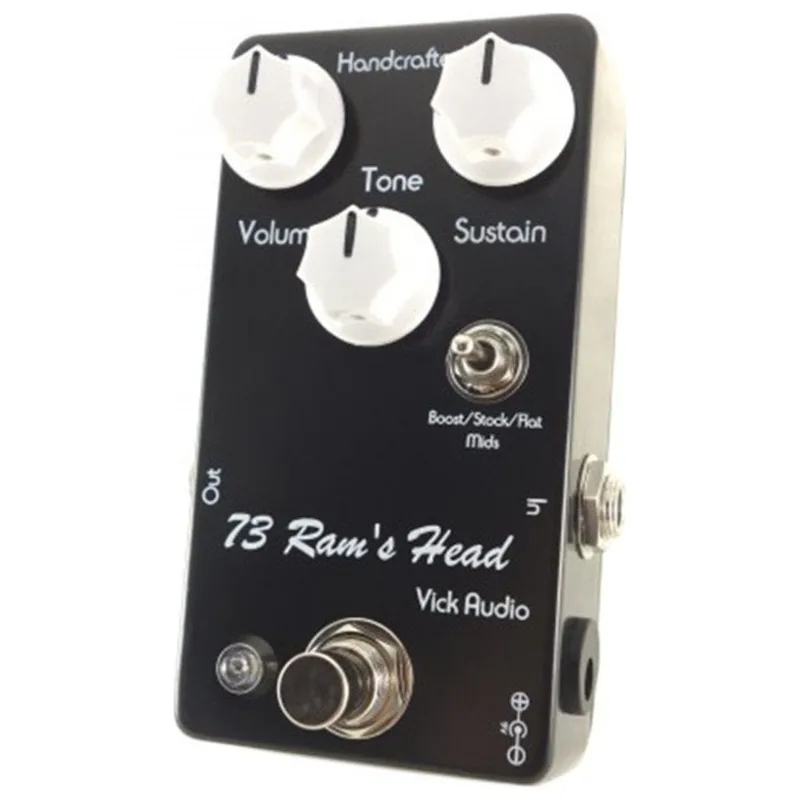
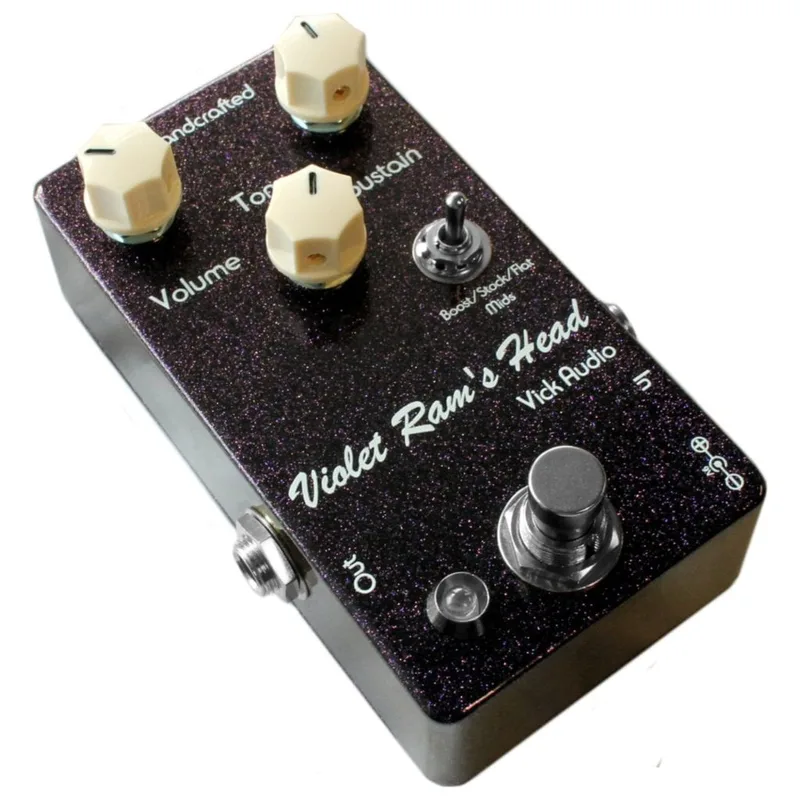
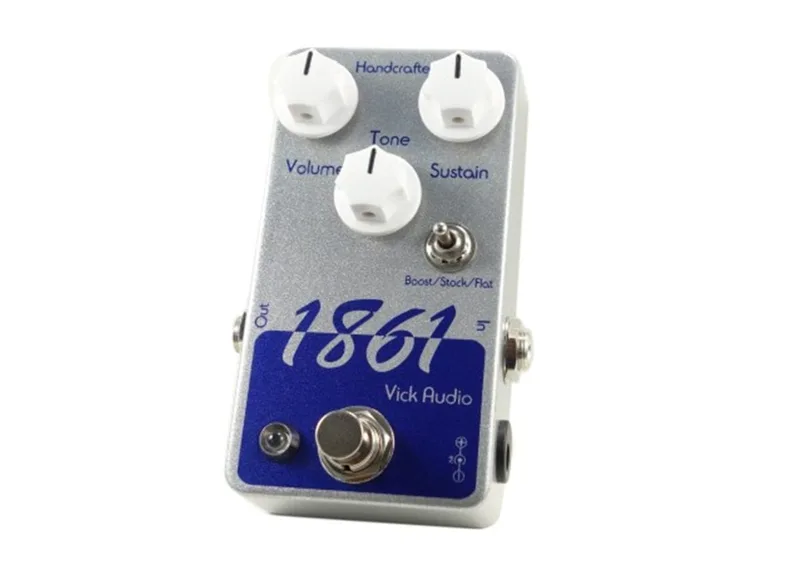
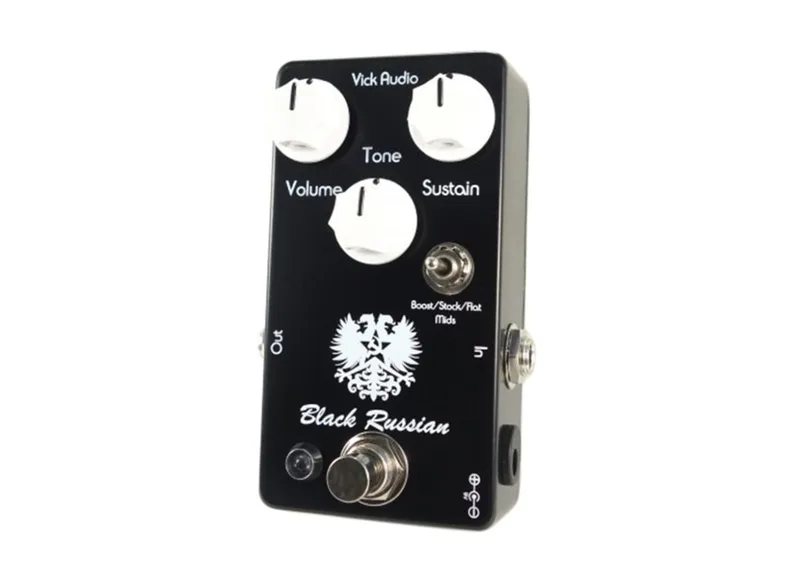
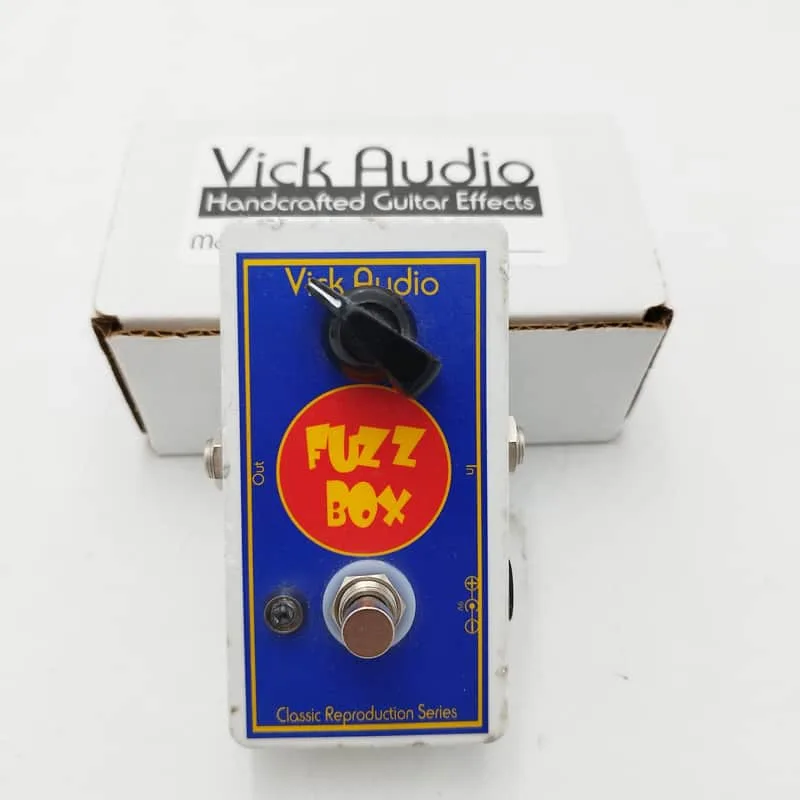
Vick Audio's range also includes other fuzzes built on classic circuits, among them the 73 Ram's Head, the Violet Ram's Head, the Vick Audio 1861 and the Black Russian, all takes on the Big Muff family, plus the Fuzz Box, another one-knob Colorsound-based design.
Videos
Vick Audio
Vick Audio
Vick Audio
News
Questions
Does the Vick Audio Lucky No. 13 take a battery?
No. The pedal has no internal 9V battery clip, so it cannot run on a battery. It uses a 2.1 mm Boss style power jack, and the power supply is not included, so you need a standard 9V DC center negative supply to run it.
Is the Lucky No. 13 true bypass?
Yes. The reissue uses a 3PDT true bypass switch, so when the effect is disengaged your signal passes through without the circuit coloring it. A true bypass footswitch is the only switch on the pedal besides the single volume knob.
Why does the Lucky No. 13 only have a volume knob?
Like most one-knob pedals, its single control sets the overall output level, and you use your guitar's volume control to vary the pedal's gain. Rolling your guitar volume down cleans up the fuzz; turning it up pushes the pedal harder.
How is the Lucky No. 13 different from a vintage Colorsound fuzz?
It is based on the Colorsound Fuzz circuit designed in the 1960s, but Vick Audio built it with higher gain, a smoother tone and a more modern voicing. MusicRadar noted it should run a little hotter than the vintage Colorsound units that inspired it.
Where is the Vick Audio Lucky No. 13 made?
It is made in the USA. Delicious Audio describes the pedal as hand-wired, boutique quality, made in USA, with a US-made PCB, Neutrik audio jacks and a powder-coated enclosure.
Sources (5)
- Vick Audio Lucky No. 13 Fuzz Reissued, Delicious Audio, 2020-09-04
- Vick Audio Announces Lucky No. 13 Fuzz Pedal Reissue, GuitarPlayer, 2020-09-09
- Vick Audio brings back the single-knob Lucky No. 13 fuzz pedal, Guitar.com, 2020-08-27
- Vick Audio reissues the No 13 Fuzz, MusicRadar, 2020-08-27
- Vick Audio reissues classic one-knob Lucky No. 13 fuzz, Guitar World, 2020-08-31