
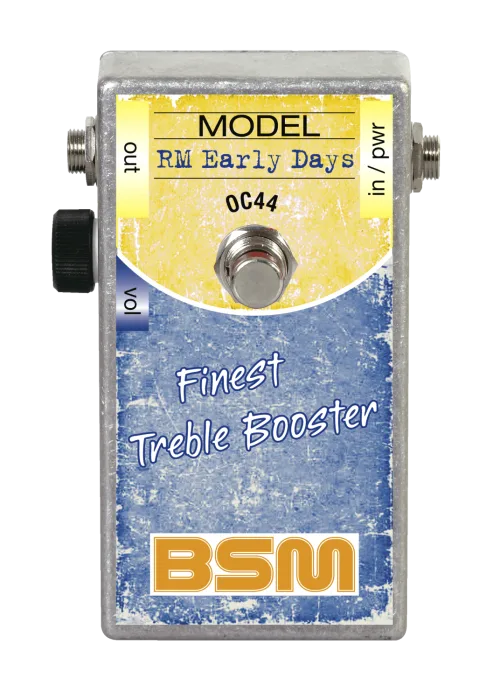
Pete Townshend, guitarist of The Who, built one of the most recognizable distorted guitar sounds of the 1960s, and for a key stretch of that decade it came from an unlikely source: not a fuzz pedal but the preamp inside a spring reverb unit. Between 1966 and 1967 he kept several Grampian 636 Spring Reverb units in his arsenal and used them as a saturation tool, cranking his Marshall amps to the limit1. The unit can be seen sitting atop his Marshall amps in many period photographs and videos2. In a 1967 Guitar Player interview, quoted by Aclam Guitars, he said he used the Grampian reverb unit for distortion, that it gave a kind of clear fuzz dirge, and that he liked a slightly broken guitar sound1.
The Grampian 636 spring reverb as a boost
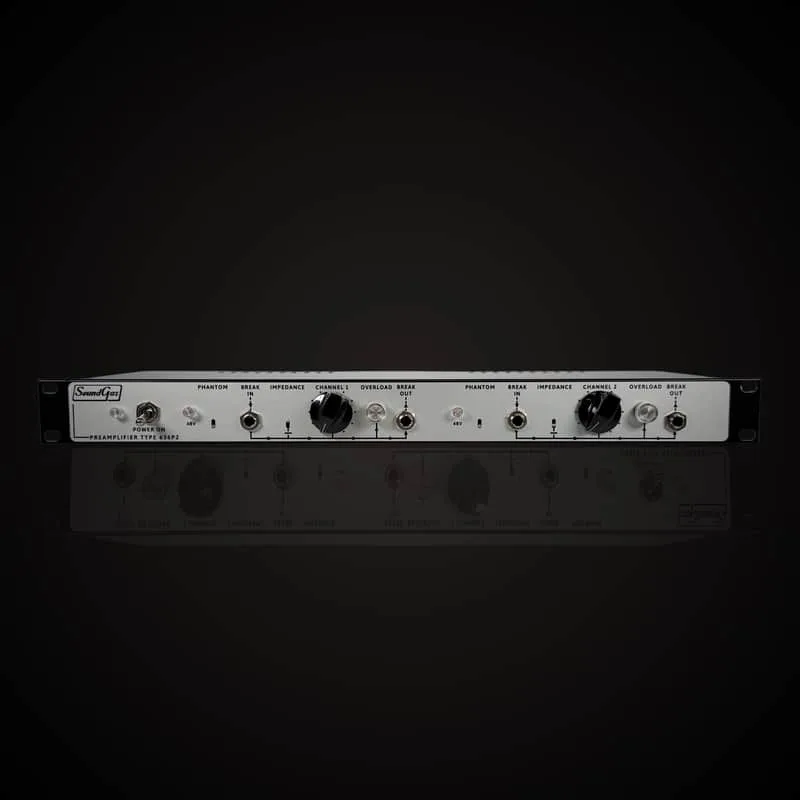
The Grampian Type 636 was a spring reverb unit. The original 636 contained a large reverb tank made of a pair of suspended springs connected to electromagnetic transducers, built to simulate the effect of a live hall7. Townshend's use of it ignored that reverb function: he used the preamp as a saturation tool, without any reverb, to crush the input of his Marshall amp8. Aclam describes the same trick as fattening up his tone and boosting the guitar signal5.
A few details of the unit matter to how it colored the sound:
- The 636 preamp had low input impedance, a trait it shared with guitar effects of that era like the Fuzz Face and Range Master, and that low input impedance is part of why it colored the signal8.
- The unit carried a built-in overload indicator lamp9.
- In a video of The Who playing at The Marquee Club, the unit sits on top of Pete's amp5.
Guitar World's rig rundown with Fontaines D.C. guitarist Carlos O'Connell, whose studio rack includes a Soundgas Type 636P, relays how Townshend approached the unit: "He figured that the gain in it was unbelievable," and he used it as a boost distortion on a score of The Who records10.
For context on how much gain that is: a distortion pedal may have 60dB or 70dB of gain, as Strymon's Pete Celi notes in a technical analysis of gain topologies11. The Grampian's preamp was doing comparable work in 1966, in a box that was never designed as a distortion or boost pedal.
How he got distortion in the 1960s
The core of the mid-60s setup was the Grampian into Marshalls. He used the units with The Who in the mid- to late-60s to get more volume and a more saturated tone from his Marshall amps6, and Guitar Player reported that he described the 636 preamp and Marshall combination as a "clear fuzz dirge"6. Gearnews describes the result as his famous clean/fuzz tones12.
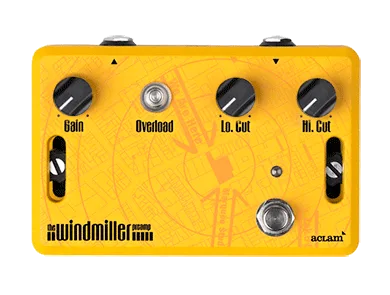
Delicious Audio's Paolo De Gregorio adds a caution worth repeating: the Grampian preamp and the cranked Marshalls may have been main causes of Townshend's problems with tinnitus and partial deafness8. A modern pedal version of the same circuit, like the Windmiller below, gets the character without the volume toll.
Did Pete Townshend use a fuzz pedal?
Yes, though the Grampian period predates the fuzzes most associated with him.
| Fuzz pedal | How it figures in Townshend's rig | Source |
|---|---|---|
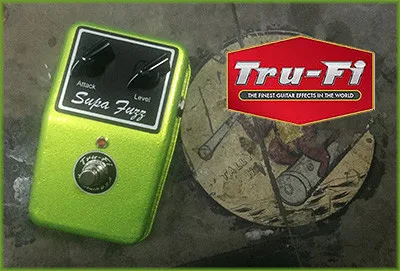
| Marshall Supa Fuzz | Appeared at his feet in live shows between 1967 and '68 | Premier Guitar13 |
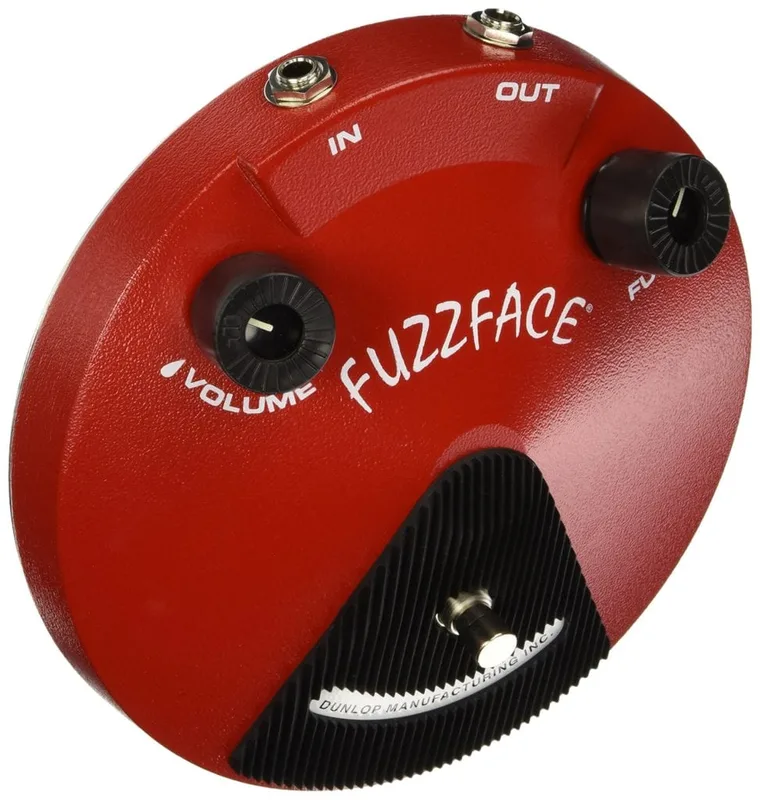
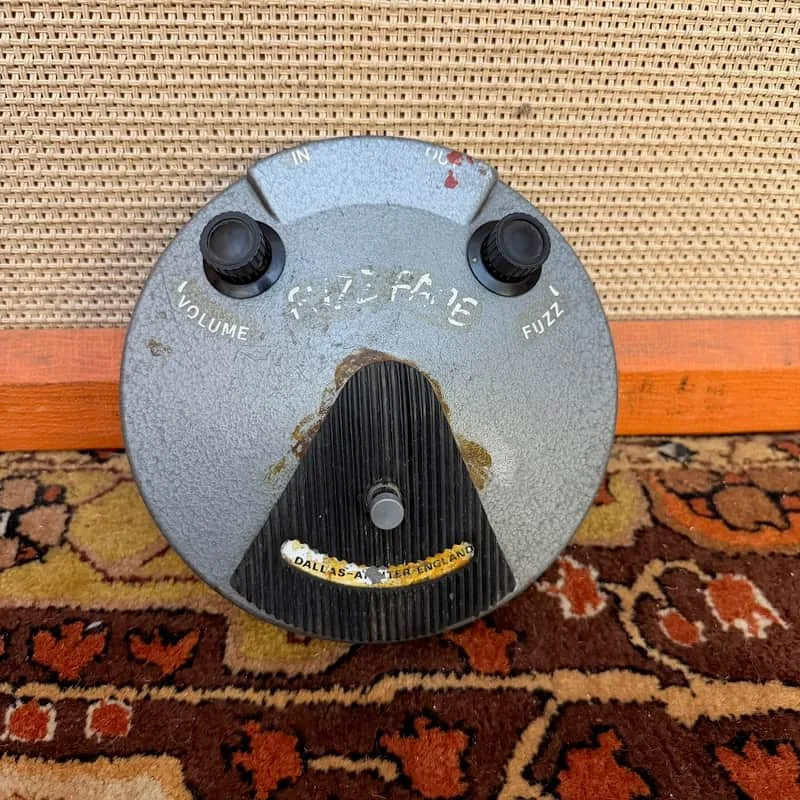
| Dallas-Arbiter Fuzz Face | Named by MusicRadar as one of his fuzzes of choice | MusicRadar3 |
| Univox Super-Fuzz | Named by MusicRadar as a fuzz of choice; used during The Who's live performances | MusicRadar3, Coda Effects14 |
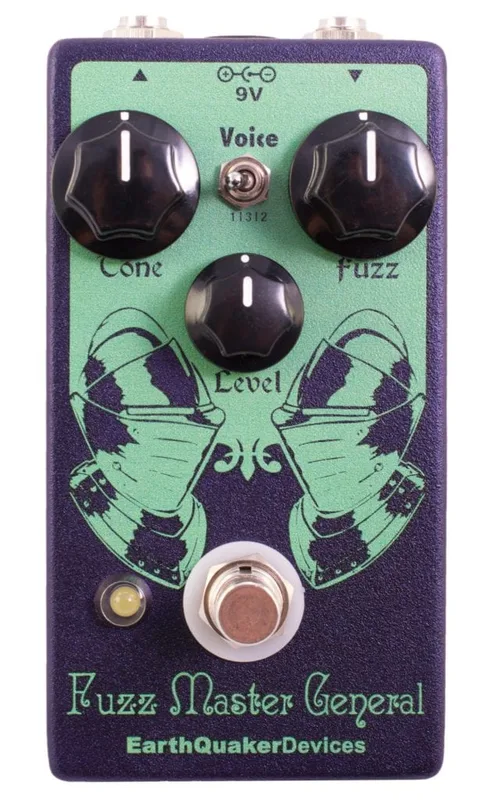
MusicRadar calls Live At Leeds "a shining example of a fuzz pedal giving an iconoclastic player the extra tonal permission to take music further into the realm of destruction"3. Premier Guitar, reviewing the EarthQuaker Devices Fuzz Master General, an octave fuzz in the Super-Fuzz lineage, notes that Pete Townshend uses Super-Fuzzes15.
The amps behind the sound
The amps were Marshalls, pushed hard. He cranked them to the limit with the Grampian feeding the front1, and Guitar World's history of distortion places him among the pro guitarists, alongside Richie Blackmore and Big Jim Sullivan, who pushed Marshall to build even more powerful amps and bigger speaker cabinets16. By the Live at Leeds era of 1970 he was playing through a Hiwatt amplifier, the amp that Aion FX later adapted for its Apollo Preamp Drive Mk. I pedal17.
Later gear: the Dyna Comp
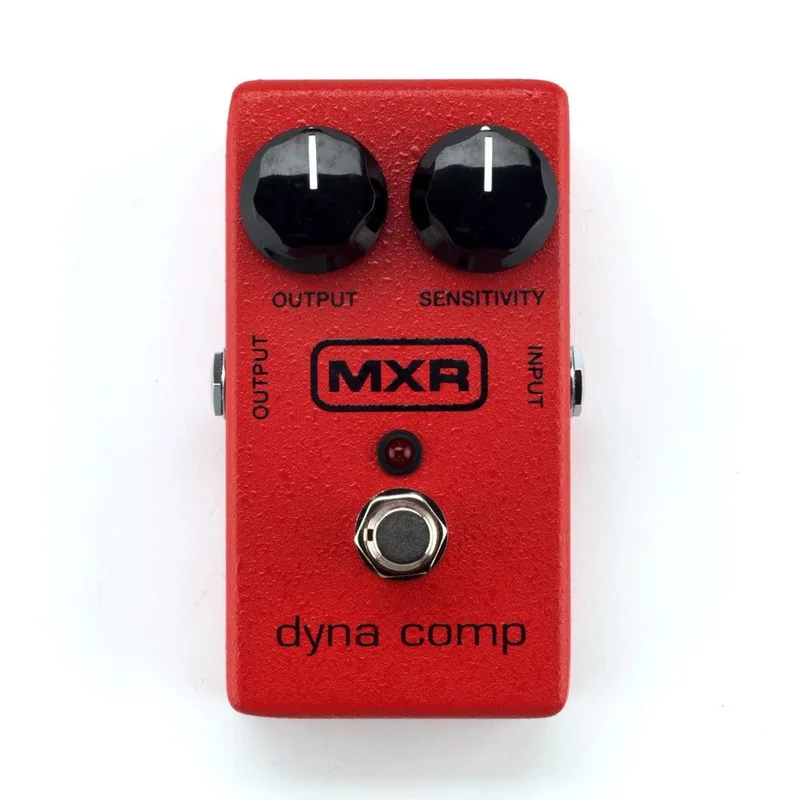
His stage rig changed over the decades. Guitar World reports that since the late '70s he has often used an MXR Dyna Comp on stage as a clean boost for solos4.
The Windmiller: the 636 as a modern pedal
In 2021 Aclam Guitars released the Windmiller Preamp, a preamp pedal that recreates the Grampian Type 636 Reverb Unit preamp59. GuitarPlayer reported at launch that the pedal is inspired by Pete Townshend and the Grampian 636 units he used with The Who in the mid- to late-60s to get more volume and a more saturated tone from his Marshall amps6. Pedal of the Day calls the original unit the secret weapon he used as a boost that gave him his signature tone during the latter portion of the decade18.
| Grampian Type 636 (original) | Aclam Windmiller Preamp | |
|---|---|---|
| What it is | Spring reverb unit with a built-in preamp7 | Preamp pedal recreating the 636 preamp59 |
| Era | Used by Townshend 1966 to 19671 | Released 202156 |
| How Townshend's trick works | Preamp crushes the input of a cranked Marshall8 | The same preamp character in pedal form59 |
| Reverb function | Present but unused by Townshend8 | Not part of the recreation59 |
The pedal gives a player the 636 preamp's character without the original's volume toll, a point Delicious Audio makes directly about the tinnitus risk of the original setup8.
FAQ
What is the Grampian 636 Pete Townshend used?
The Grampian Type 636 was a spring reverb unit with a built-in preamp. Between 1966 and 1967 Pete Townshend ran several of them as a saturation tool, using the preamp to overdrive the inputs of his Marshall amps rather than using the reverb itself. It can be seen sitting on top of his amps in period photographs and video12.
How did Pete Townshend get distortion in the 1960s?
He pushed the preamp of a Grampian 636 spring reverb unit into Marshall amps cranked to their limit, fattening and boosting the guitar signal until the input of the amp broke up51. He described the result in a 1967 Guitar Player interview as a kind of clear fuzz dirge, saying he liked a slightly broken guitar sound1.
Did Pete Townshend use a fuzz pedal?
Yes. He used a Marshall Supa Fuzz in live shows between 1967 and 196813, and MusicRadar names the Marshall Supa Fuzz, Dallas-Arbiter Fuzz Face and Univox Super-Fuzz as his fuzzes of choice3. The Univox Super Fuzz was used during The Who's live performances14.
Did Pete Townshend use a reverb unit for distortion?
Yes. He used the Grampian 636 spring reverb unit for distortion, without any reverb, crushing the input of his Marshall amp8. In a 1967 interview he said the unit gave a kind of clear fuzz dirge and that he liked a slightly broken guitar sound1.
What amps did Pete Townshend push with the Grampian?
Marshall amps, cranked to the limit1. The Grampian 636 preamp boosted and saturated the guitar signal going into them, producing the clean and fuzz tones he was known for in the mid to late 1960s126. He was also among the guitarists who pushed Marshall to build more powerful amps and bigger speaker cabinets16.
Questions
What is the Grampian 636 Pete Townshend used?
The Grampian Type 636 was a spring reverb unit with a built-in preamp. Between 1966 and 1967 Pete Townshend ran several of them as a saturation tool, using the preamp to overdrive the inputs of his Marshall amps rather than using the reverb itself. It can be seen sitting on top of his amps in period photographs and video.
How did Pete Townshend get distortion in the 1960s?
He pushed the preamp of a Grampian 636 spring reverb unit into Marshall amps cranked to their limit, fattening and boosting the guitar signal until the input of the amp broke up. He described the result in a 1967 Guitar Player interview as a kind of clear fuzz dirge, saying he liked a slightly broken guitar sound.
Did Pete Townshend use a fuzz pedal?
Yes. He used a Marshall Supa Fuzz in live shows between 1967 and 1968, and MusicRadar names the Marshall Supa Fuzz, Dallas-Arbiter Fuzz Face and Univox Super-Fuzz as his fuzzes of choice. The Univox Super Fuzz was used during The Who's live performances.
Did Pete Townshend use a reverb unit for distortion?
Yes. He used the Grampian 636 spring reverb unit for distortion, without any reverb, crushing the input of his Marshall amp. In a 1967 interview he said the unit gave a kind of clear fuzz dirge and that he liked a slightly broken guitar sound.
What amps did Pete Townshend push with the Grampian?
Marshall amps, cranked to the limit. The Grampian 636 preamp boosted and saturated the guitar signal going into them, and the combination produced the clean and fuzz tones he was known for in the mid to late 1960s. He was also among the guitarists who pushed Marshall to build more powerful amps and bigger speaker cabinets.
Sources (18)
- The Windmiller Preamp Effect Pedal, Aclam Guitars
- Aclam Guitars The Windmiller Preamp review, Guitar World, 2022-03-14
- Pioneers of fuzz: 13 guitarists who defined the fuzz pedal, MusicRadar, 2020-07-23
- How the MXR Dyna Comp became the go-to compressor pedal for countless all-star guitarists, Guitar World, 2022-10-21
- We have done it again: The Windmiller Preamp, Aclam Guitars, 2021-01-27
- Aclam Unveils New, Pete Townshend-Inspired Windmiller Preamp Pedal, GuitarPlayer, 2021-02-17
- Behringer Spring Reverberation 636: Vintage Springs in Eurorack, gearnews.com, 2024-01-31
- Aclam Windmiller Preamp (Grampian's Type 636 Reverb Emulation), Delicious Audio, 2021-10-08
- AAFF-The WIndmiller Preamp_ALL.indd, Aclam Guitars (Llevinac S.L.), 2020
- Carlos O'Connell reveals the secret weapon on his pedalboard, Guitar World, 2025-06-05
- Single Stage and Multistage Gain Topologies, Strymon (www.strymon.net), 2017-03-08
- NAMM 2021: Aclam's Windmiller Preamp pedal recreates Pete Townshend tones, gearnews.com, 2021-01-21
- The Mighty Tone Bender Fuzz: A 50-Year Legacy, Premier Guitar, 2018-12-13
- Coda Effects, Coda Effects, 2015-08
- EarthQuaker Devices Fuzz Master General Review, Premier Guitar, 2015-09-04
- The evolution of distortion: how advances in gear paved the way for heavy music, Guitar World, 2020-03-16
- Apollo Preamp Drive Mk. I / Catalinbread® WIIO, Aion FX, 2021-02-19
- Aclam The Windmiller Preamp, Pedal of the Day, 2021-04-02