The Moonrock is an octave-up fuzz pedal designed and built by Glenn S. Wyllie, a reclusive North Carolina builder who sandcast his own enclosures. It is one of the more obscure entries in the fuzz world: JHS Pedals calls it "the obscure and very difficult to find Moonrock Fuzz by G.S. Wyllie"1. Original units rarely surface, and the circuit is best known today through modern replications, above all the JHS Coyote, which JHS describes as "a complete replication" of the Moonrock1.
What makes the Moonrock interesting to players who compare circuits is not just its rarity but its topology. Most octave fuzzes lean on a transformer to create the octave. The Moonrock has a transformer too, but it does something else entirely: it acts as an inductive element shaping how the fuzz stage responds rather than creating the octave, and that difference is what gives the pedal its own character among octave and pitch pedals1.
Where it came from: Glenn S. Wyllie's octave fuzz
Wyllie's background reads like a classic one-man builder story. According to JHS Pedals, "Glenn S. Wyllie grew up in New Jersey, learned to read schematics from his electrical-engineer father by age twelve" before eventually building and sandcasting the Moonrock in North Carolina1. The sandcast enclosures are part of why the pedal is so hard to find: each one was a hand-made object, not a production run, and nothing about the operation was set up for volume.
That handmade origin places the Moonrock in a different category from the mass-produced fuzzes of the 1960s. The Moonrock belongs to a later, smaller tradition of individual builders working alone, closer in spirit to boutique one-offs than to factory pedals1.
For a player, the practical consequence is simple: an original Moonrock is a collector's item, and the realistic ways to hear the circuit are a modern replication or a build from a documented schematic314.
How it works: an octave fuzz built around a transformer
The Moonrock's distinguishing feature is what its transformer does, and just as importantly, what it does not do. JHS puts it plainly1:
"the circuit has a transformer, but it's not doing what transformers do in other octave fuzzes. It's not creating the octave at all."
In other words, the transformer is not the octave generator. Instead, JHS describes it as "a unique fuzz utilizing a transformer in an unconventional way... acting as an inductive element shaping how the fuzz stage responds"1. The transformer colors the fuzz stage's behavior rather than multiplying the frequency, so the octave-up content comes from the rest of the circuit, and the transformer's inductive character is folded into the fuzz itself.
That is a real topological difference, and it separates the Moonrock from the two best-known families of octave fuzz3:
| Circuit family | How the octave is made | Example |
|---|---|---|
| Octavia type | Diode rings add upper octave tones to the input signal, a method associated with the Dan Armstrong Green Ringer and Tycobrahe Octavia5 | Octavia |
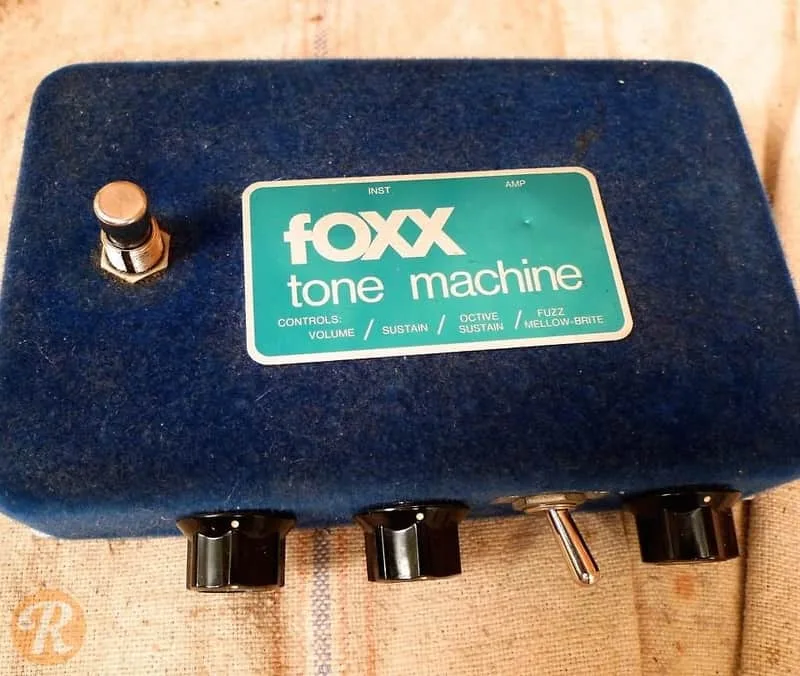
| Foxx Tone Machine type | Octave fuzz circuit used as the core, with fuzz available alongside or independently of the octave67 | Foxx Tone Machine |
| Moonrock | Transformer acts as an inductive element shaping the fuzz stage's response, not creating the octave1 | Moonrock Fuzz |
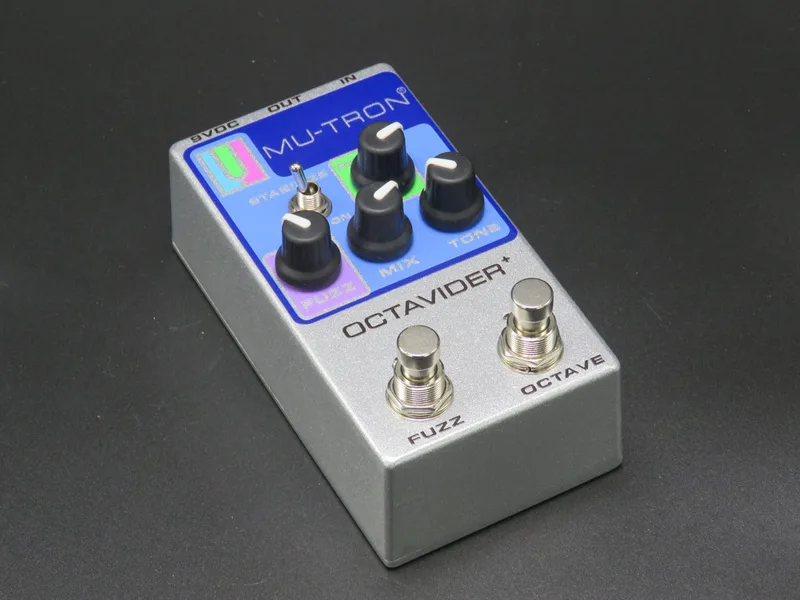
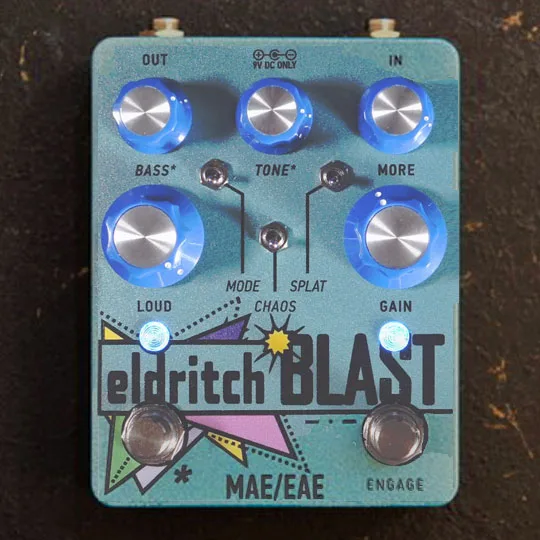
The comparison matters because the octave-up fuzz category is broad. Some pedals treat the octave as an add-on: the Mu-Tron Octavider+ has a fuzz circuit that "may be used independently or in addition to the OCTAVE effect"6. Others build the whole pedal around the octave interaction, like the EAE Eldritch Blast, "a fuzz built around a high-gain octave/intermodulation generator"8. The Moonrock sits apart from both approaches, because its transformer is doing work that in other circuits would be done by the clipping and filtering stages alone.
The Moonrock, the Octavia and the Super Fuzz
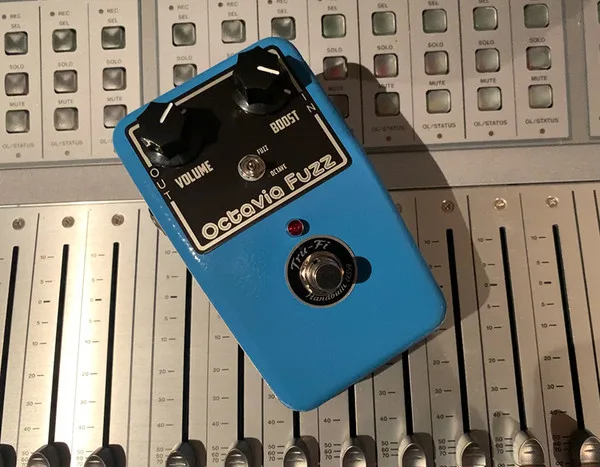
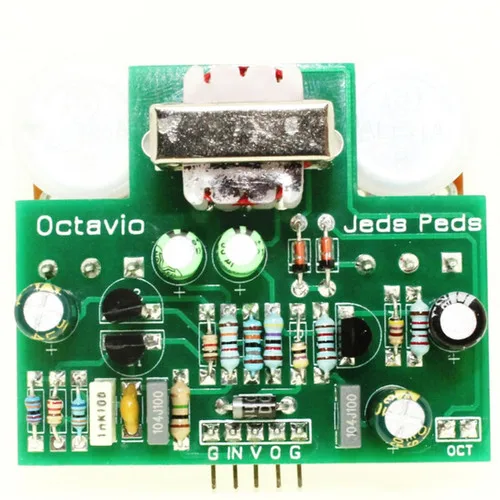
Players often ask whether the Moonrock is another Octavia derivative, since both are transformer-based octave fuzzes. The lineage says no. The Octavia line runs from the Tycobrahe original through modern takes: Function f(x) describes its Octavus as "our take on the beloved vintage Tycobrahe Octavia (octave up fuzz) circuit"9, and Tru-Fi builds its Octavia Fuzz on the same Tycobrahe circuit, one Tru-Fi associates with "Jimi and Purple Haze"10. Jed's Peds' Octavio kit follows the same idea, "a very dirty fuzz with transformer inside it producing a octave up effect"11. In all of these, the transformer is there to produce the octave.
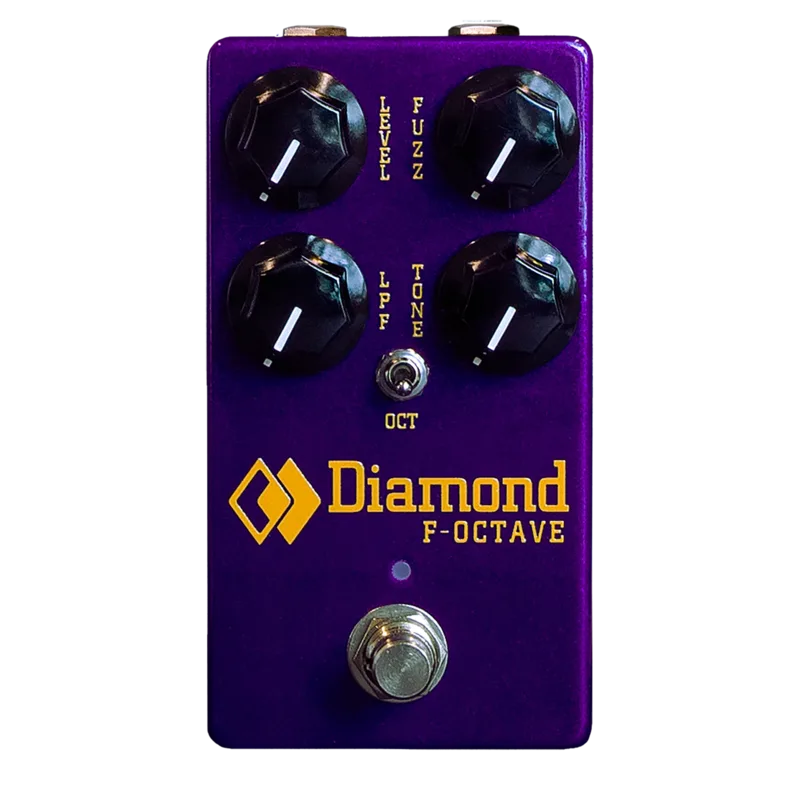
The Moonrock shares the octave-up fuzz label but not the mechanism. Its transformer shapes the fuzz stage instead of generating the octave1, which is why a Moonrock-style build does not behave like an Octavia clone with different parts. The Univox Super Fuzz is a third approach again, and pedals in the Foxx Tone Machine family, like the Pause&Effects Helium, "handmade boutique octave-fuzz based on the Foxx Tone Machine circuit"7, and Diamond Pedals' F-Octave, "crafted in tribute to the legendary Foxx Tone Machine"12, show how that other branch evolved.
Transistor and transformer substitutions
Builders who clone the Moonrock report experimenting with transistor swaps in the fuzz stage, and the reports disagree on the results. One account found that a 2N3904 in the Q2 position sounded great but gave lower volume and a less pronounced octave than the 2N2222 alternative that was also tried. The two reports conflict on which transistor did what, so treat both as unverified builder experience rather than settled fact4.
Substitution is normal practice in fuzz building generally. GuitarPCB's documentation for other circuits notes, for example, that "In place of 2SC1815 feel free to use 2N3904 which features the same pinout orientation"13, and its Tonebender build document lists a wide range of working substitutes for PNP germanium designs, including "2n404, 2n404A, 2n1305, 2n1307, 2n1309, CV7355 and many more," along with PNP Russian transistors14. The same spirit applies to Moonrock builds: transistors and the transformer can be varied, with audible changes in volume and octave strength, but there is no single agreed substitute.
Pedals based on the Moonrock
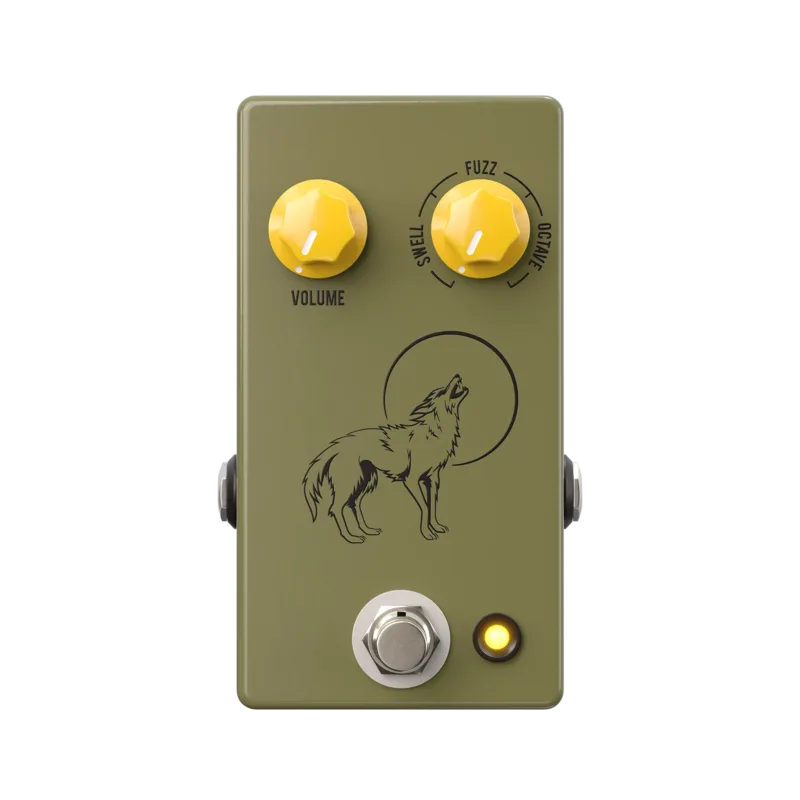
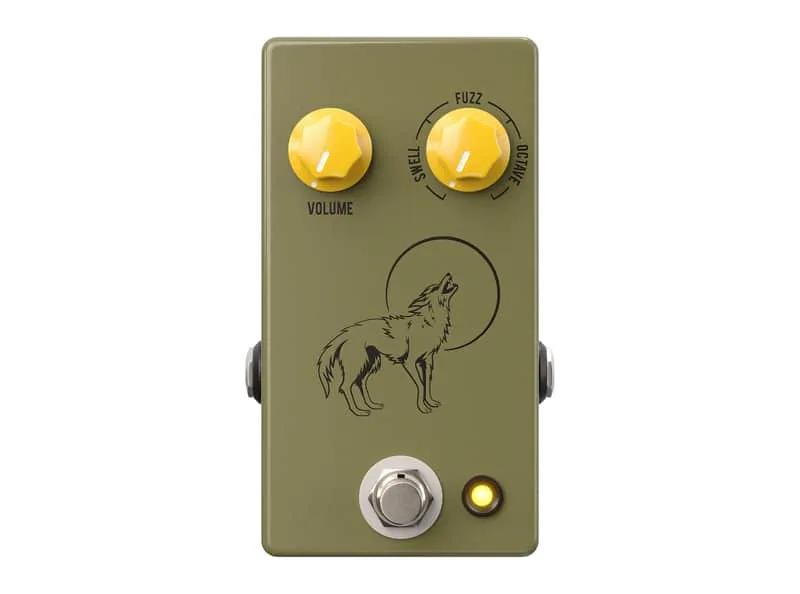
The JHS Coyote is the most direct descendant. JHS calls it "a complete replication of the obscure and very difficult to find Moonrock Fuzz by G.S. Wyllie"1, which makes it the easiest way for most players to hear the circuit without hunting an original.
For a player comparing options, the useful distinction is mechanism: Octavia-style transformer octave generation, Foxx-style octave fuzz, and the Moonrock's transformer-as-inductor approach all produce octave-up fuzz, but they respond to picking dynamics and volume-knob changes differently1315.
Pedals on this page
News
Questions
What transformer does the Moonrock fuzz use?
The Moonrock does use a transformer, but not the way other octave fuzzes do. In circuits like the Tycobrahe Octavia, the transformer and diode ring generate the upper octave. In the Moonrock, the transformer acts as an inductive element that shapes how the fuzz stage responds, while the octave comes from elsewhere in the circuit.
How rare is an original Wyllie Moonrock Fuzz?
Original Moonrock Fuzz units are obscure and very difficult to find. Wyllie was a reclusive North Carolina builder who sandcast his own enclosures, and the pedal was never made in any volume. Most players encounter the circuit today through the JHS Coyote, which JHS describes as a complete replication.
Is the Moonrock related to the Octavia or Super Fuzz?
No. The Octavia family, from the Tycobrahe Octavia onward, creates its octave with a transformer and diode ring, and the Super Fuzz uses a different push-pull arrangement. The Moonrock shares the octave-up fuzz category but generates its octave differently, with its transformer shaping the fuzz stage rather than producing the octave.
Sources (15)
- COYOTE - JHS Pedals, JHS Pedals
- JHS Pedals Coyote Octave Swell Fuzz, Pedal of the Day, 2026-04-28
- JHS Coyote is based on one of the rarest fuzz pedals ever, Guitar World, 2026-04-01
- Guitar FX Layouts: Wyllie Moonrock, tagboardeffects.blogspot.com
- TZ-2 The Fuzz by Guyatone, RockBoard PedalPedia, 2026
- Octavider+, Musitronics Mu-Tron
- Helium - Octave Fuzz by Pause&Effects | RockBoard | PedalPedia, RockBoard PedalPedia, 2026
- MAE/EAE Eldritch Blast, Electronic Audio Experiments
- Octavus - Tychobrahe Octavia Variant - Tiny and Ferocious - Function f(x), Function f(x), 2026-09-30
- Octavia Fuzz Guitar Pedal, tru-fi.com
- Octavio | DIY Guitar Effects Pedal Kits, Jed's Peds (jedspeds.co.uk)
- F-Octave by Diamond Pedals, RockBoard PedalPedia, 2026
- Fulltone-Robin-Trower-Build-Document.pdf, GuitarPCB, 2025-08
- PUTB-v4-2022.pdf, GuitarPCB, 2022-03
- [HOW TO FIND THE FUZZ YOU NEED