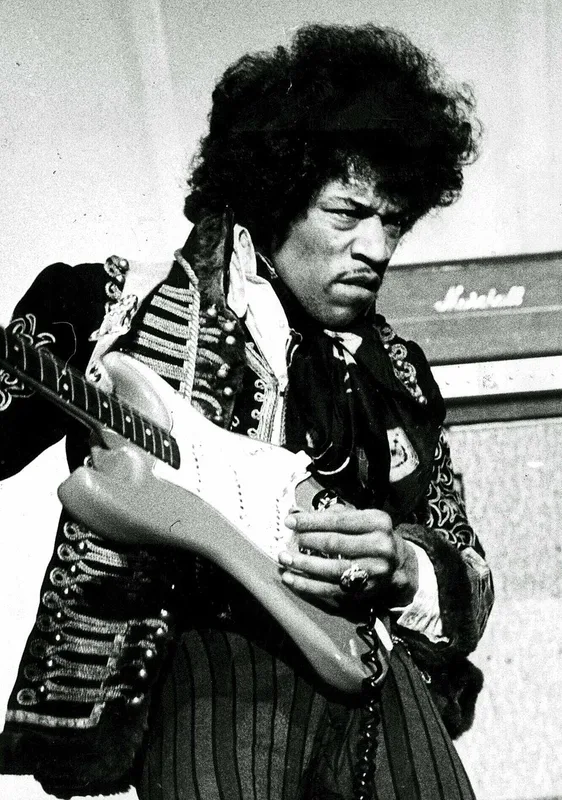
Jimi Hendrix, born Johnny Allen Hendrix in Seattle, Washington on November 27th, 1942, and died September 18th, 1970, is remembered by Guitar World as "probably the most iconic, if not the most influential electric guitar player ever"1. He started playing guitar at 15, enlisted in the US Army in 1961 and trained as a paratrooper in the 101st Airborne Division before his discharge the following year, then toured the R&B circuit, releasing 24 singles with acts like the Isley Brothers, Little Richard and Curtis Knight2.
For a pedal player, Hendrix matters because his rig defined the sound of fuzz, wah and vibe effects for everyone after him. T-Rex calls him "the father of effect pedals, with his innovative use of distortion pedals, wah-wahs, vibes and phase shifters"3. Much of what he used is still in production as signature or tribute pedals from Dunlop and others.
The right sound for each song
Hendrix matched his gear to the song, and the DigiTech Jimi Hendrix Experience Pedal, a modeling multi-effects pedal built on a metal chassis with a large treadle, maps those pairings preset by preset6. Its song models give a useful picture of what went into each track6:
| Song | Modeled rig |
|---|---|
| Purple Haze | Fuzz Face, 100-watt Marshall Super Lead, EMT Plate Reverb, Roger Mayer Octavia on the solo |
| Foxy Lady | Dallas Arbiter Fuzz Face, Marshall 100-watt Super Lead, EMT Plate reverb |
| Little Wing | 100-watt Marshall Super Lead, a recreation of a miniature rotary speaker homemade at Olympic Studios, tape flanging |
| Star Spangled Banner | Unicord Uni-Vibe, Marshall 100-watt Super Lead, hall reverb, Fuzz Face added on the solo |
| Voodoo Child | Vox Clyde McCoy Wah, brown Fender Bassman, EMT Plate Reverb |
| Wind Cries Mary | EMT Plate Reverb, Marshall 100-watt Super Lead |
| All Along the Watchtower | Acoustic guitar, 100-watt Marshall Super Lead, EMT Plate Reverb |
The pedal ships with a custom artist pedal gig bag, pick and power supply6.
The Experience years: Marshall amps, Fuzz Face and Octavia
Hendrix bought his first Marshalls in the fall of 1966, two or three Super 100 heads and four 4x12 cabinets, and was seen using them on a short French tour on October 13th, 1966, the first Jimi Hendrix Experience shows. Guitar World marked 2026 as 60 years since he first plugged into a Marshall1. He was loyal to the brand in the studio too, telling an interviewer that he really liked his old Marshall tube amp because when it was working properly there was nothing that could beat it, nothing in the whole world2.
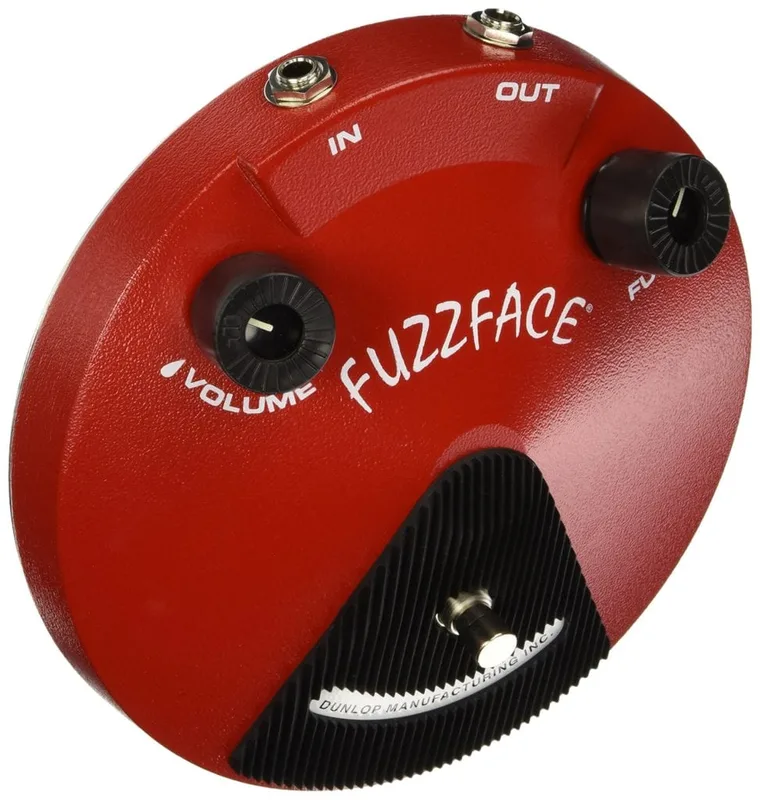
The Fuzz Face was his distortion pedal. The earliest photo of him with a Dallas Arbiter Fuzz Face comes from the Big Apple Club in Munich, Germany on November 8th, 19662, and his use of it can be heard on classic tracks like "Purple Haze" and "Foxy Lady"7. Dunlop notes that the Fuzz Face, in all of its incarnations, was the fuzz pedal he used more than any other: germanium-based fuzz in the early years, silicon-based crunch in the latter part of his career4. GuitarPCB points out the effect became very popular because Hendrix played it and there were not many distortion pedals around at the time8, and EarthQuaker Devices credits the pedal's popularity to Hendrix and scores of other 60s guitarists9.
The Octavia came from Roger Mayer, his guitar tech, who met Hendrix at a club in 1967 and handed him a brand new prototype two weeks before it was used on the "Purple Haze" solo2. Hendrix tracked "Purple Haze" and "Fire" using the Octavia pedal on his first record2, and he called Mayer "the secret of my sound" several times in interviews2. Mayer's own Classic Fuzz carries modifications he says he personally developed for Jimi, heard on his early recordings10. Hendrix also used a Big Muff V1, the 1969 model, likely from late 1969 through 19702.
Woodstock and Band of Gypsys: wah, fuzz and Uni-Vibe
At Woodstock in 1969 Hendrix chained the wah, Fuzz Face and Uni-Vibe into his Marshalls. Over the course of 1969 and 1970, at his most noted live appearances, Live at Woodstock, Live at Berkeley and Live at the Fillmore East, he used a mysterious red Fuzz Face Distortion with white knobs11, the unit Dunlop's Band of Gypsys fuzz pedals are based on12.
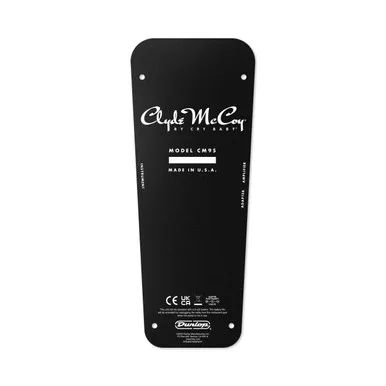
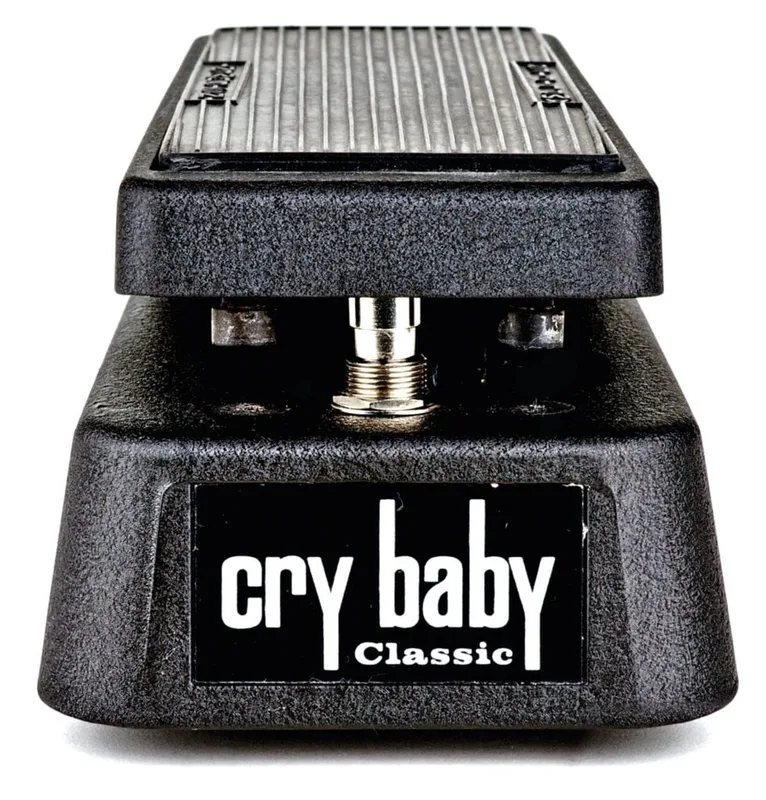
His wah was the Vox Crybaby, used throughout his career, with the first known photo from August 15, 1967 in Ann Arbor, while he recorded Axis: Bold as Love2. Before the pedal existed he got the effect by hand, what he called the "hand wah," first used on record on "I Don't Live Today" in February 19672. Original Cry Babys varied enough that he went through six or seven before finding one that sounded right13, and he played one with the bottom left rubber foot removed to tilt it at the angle he found comfortable14.
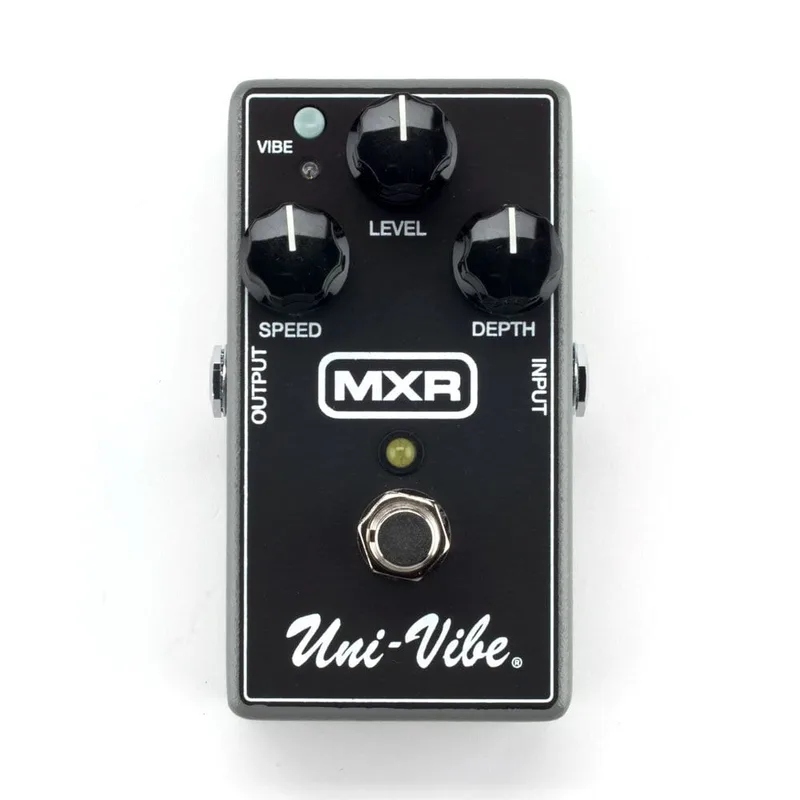
The Uni-Vibe is the effect most tied to this era. Voodoo Lab notes its unique sound achieved legendary status when Hendrix used it on his Band of Gypsys record and his Woodstock performance of "The Star Spangled Banner"15, and Strymon points to "Machine Gun" from Band of Gypsys as its most famous use16. The unit itself was the vintage Shin-ei Uni-Vibe, which he used from 1969 to 19705.
Signature and tribute pedals
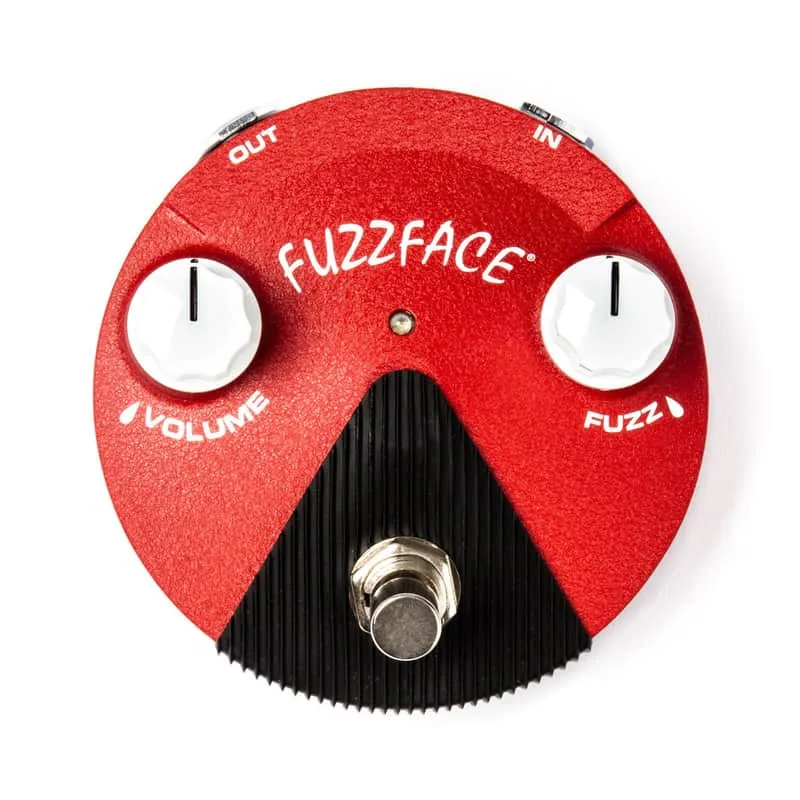
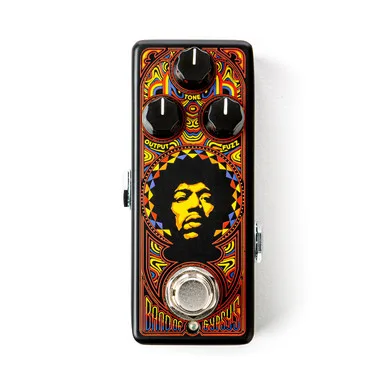
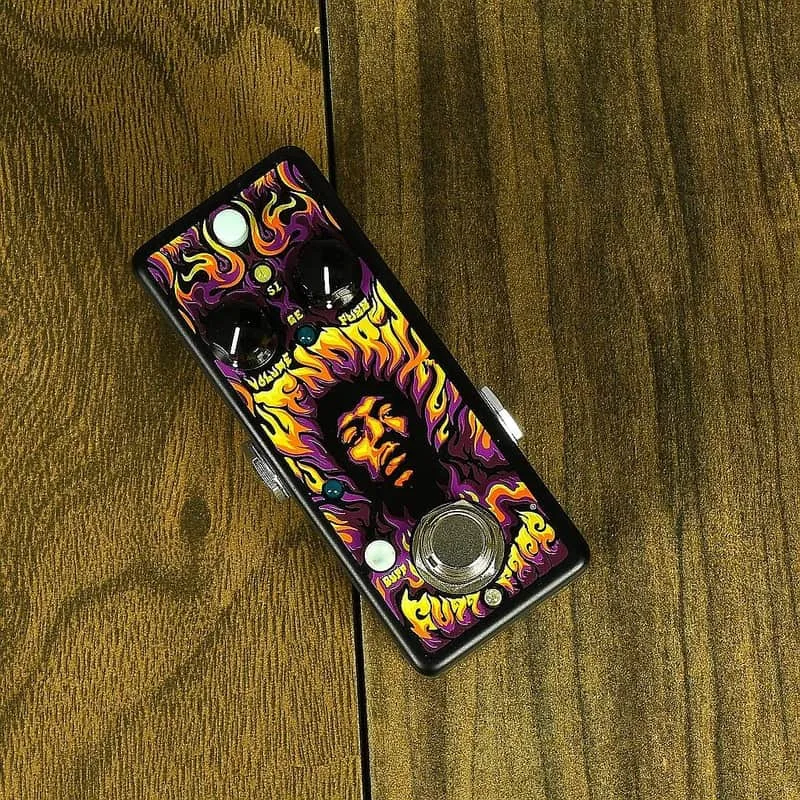
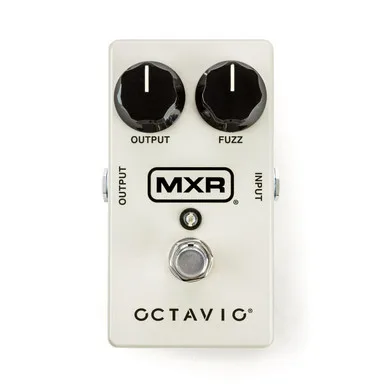
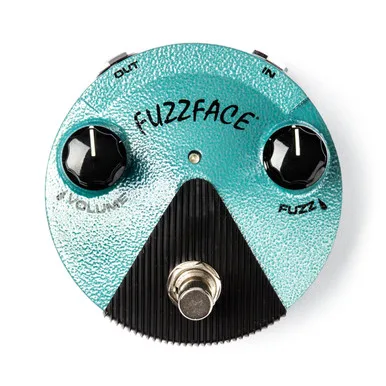
Dunlop's Authentic Hendrix line reproduces his circuits for modern boards. The Jimi Hendrix Fuzz Face Distortion is a faithful reproduction of the 1969-70 Dallas Arbiter Fuzz Face he used on classic albums such as Electric Ladyland, in a pedalboard-friendly housing with a status LED, true-bypass switching and a 9-volt power jack1718. The Band of Gypsys Fuzz Face Mini puts the aggressive Band of Gypsys fuzz sound in an MXR mini housing with a Tone control12, and the '69 Psych Series Fuzz Face combines both of his fuzz flavors, silicon crunch and germanium saturation, in one mini housing4. The '69 Psych Series Octavio Fuzz updates the original cheese wedge Octavio circuitry for modern players and pedalboards19, and the JHM9 wah is based on the personal wah pedal he used20.
In 2012 Dunlop released a limited-edition Jimi Hendrix 70th Anniversary Tribute Series of four pedals, each covered in artwork inspired by John Van Hamersveld's poster from Hendrix's 1968 Shrine Auditorium gig, with an intro and demo video featuring guitarist Eric Gales21.
Questions
What fuzz pedal did Jimi Hendrix use on Purple Haze?
Hendrix used the Dallas Arbiter Fuzz Face, the fuzz pedal he used more than any other, and his use of it can be heard on classic tracks like Purple Haze and Foxy Lady. The Purple Haze solo also used the Roger Mayer Octavia, which Mayer handed to him as a prototype in January 1967, two weeks before the session.
What effects did Hendrix use at Woodstock?
At Woodstock in 1969 Hendrix chained a wah, a Fuzz Face and a Uni-Vibe into his Marshall amps. Over the course of 1969 and 1970 he appeared at his most noted live appearances, including Woodstock, Berkeley and the Fillmore East, using a mysterious red Fuzz Face Distortion with white knobs.
What is an Octavia pedal?
The Octavia is a fuzz pedal that adds an octave-up fuzz tone, designed by Roger Mayer, who was Jimi Hendrix's guitar tech. Mayer handed Hendrix a prototype at the Chislehurst Caves show in January 1967 and called it the Octavia. Hendrix used it on the Purple Haze solo and on Fire on his first record.
Did Jimi Hendrix plug his wah in backwards?
What is known is a different tweak: Hendrix used a Cry Baby wah with the bottom left rubber foot removed, to tilt the wah at the angle he found comfortable. He also went through six or seven original Cry Baby pedals before finding one that sounded right.
What wah pedal did Jimi Hendrix use?
Hendrix used the Vox Crybaby Wah throughout his career. The first known photo of him with a wah is from August 15, 1967 in Ann Arbor, while he was recording Axis: Bold as Love. Before that he achieved the effect by hand, calling it the hand wah, first on record on I Don't Live Today in February 1967.
What Uni-Vibe did Hendrix use on Machine Gun?
Hendrix used the vintage Shin-ei Uni-Vibe from 1969 to 1970, and the effect can be heard on Machine Gun from Band of Gypsys as well as his Woodstock performance of The Star Spangled Banner. The Uni-Vibe's sound achieved legendary status largely through those performances.
What amp did Jimi Hendrix use?
Hendrix is tied above all to Marshall amps. He purchased two or three Super 100 Marshall heads and four 4x12 cabinets in the fall of 1966, and in the studio many of his classic tracks were recorded with a 100-watt Marshall Super Lead. He said of his old Marshall tube amp that nothing in the whole world could beat it.
Sources (21)
- Marshall x Hendrix 60th Anniversary: 1959 Handwired Head, 4x12 & Fuzz Face, Guitar World, 2026-09-17
- THE TECHNOLOGY OF JIMI HENDRIX, JHS Pedals, 1967-08-15
- → T-REX EFFECTS ← Pedals for guitar and bass players!, T-Rex Effects
- JIMI HENDRIX™ '69 PSYCH SERIES FUZZ FACE® DISTORTION, Dunlop (www.jimdunlop.com)
- JHMS3.pdf, Jim Dunlop (jimdunlop.com), 2023
- DigiTech Jimi Hendrix Experience Pedal, Barry Rudolph (Gear Lust / Music Connection "New Toys"), 2024
- The guitar pedal that changed the world the Fuzz Face, Tru-Fi (tru-fi.com)
- Fuzz Face Analysis, GuitarPCB
- FUZZCYCLOPEDIA : A Side-by-Side Comparison of EQD Fuzz Boxes, EarthQuaker Devices, 2021-08-10
- Guitar Effects Pedals by Roger Mayer, Roger Mayer
- BAND OF GYPSYS™ FUZZ FACE® MINI DISTORTION, Dunlop (jimdunlop.com)
- JIMI HENDRIX™ '69 PSYCH SERIES BAND OF GYPSYS™ FUZZ, Dunlop (jimdunlop.com), 1969
- Celebrating Fifty Years of Cry Baby, Dunlop (lifestyle.jimdunlop.com), 2017-03-14
- Wah Wah Pedal article, Analog Man Vintage guitar effects (analogman.com), 2015
- Micro Vibe (NOS), Voodoo Lab, 2026-10-14
- What was the original univibe effect?, Strymon, 2015-06-30
- JIMI HENDRIX® FUZZ FACE® DISTORTION, Dunlop (jimdunlop.com)
- JIMI HENDRIX® FUZZ FACE® DISTORTION LIMITED EDITION, Dunlop (www.jimdunlop.com)
- JIMI HENDRIX™ '69 PSYCH SERIES OCTAVIO® FUZZ, Dunlop (jimdunlop.com)
- RANGE OF EXPRESSION: FIND YOUR CRY BABY® WAH, Dunlop (lifestyle.jimdunlop.com), 2021-10-08
- Dunlop Introduces Limited-Edition Jimi Hendrix 70th Anniversary Tribute Series Pedals, Guitar World, 2012-11-21