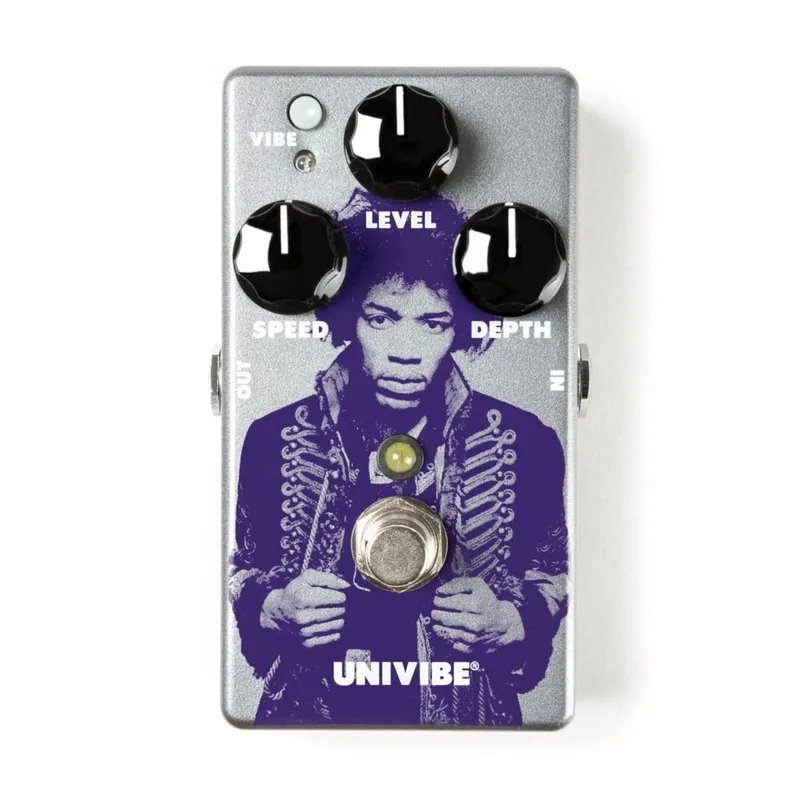
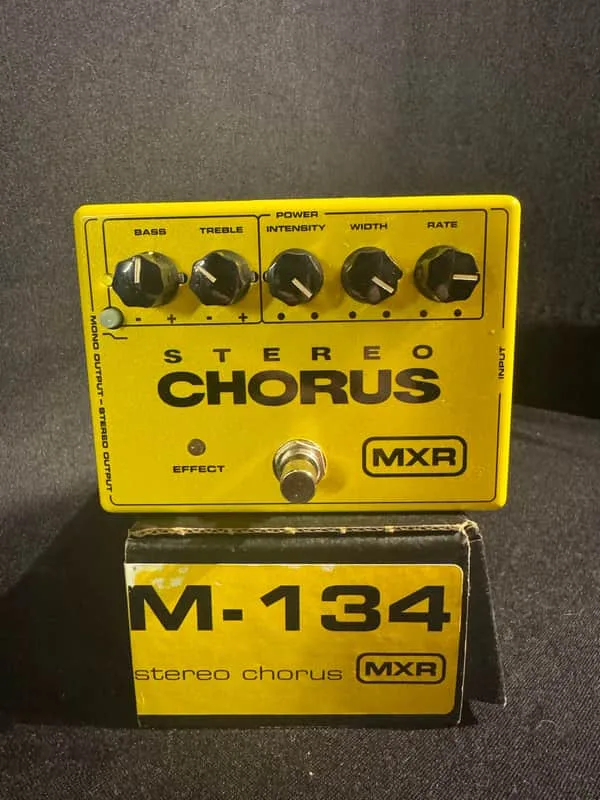
Dunlop describes the Phase 90 as sitting "with the Cry Baby® Wah Wah and the Fuzz Face® Distortion as one of the truly iconic effect pedals in music history"3.
From a Rochester repair shop to the Phase 90
MXR's founders, Keith Barr and his partner Terry Sherwood, owned an audio repair shop in Rochester, New York, where they were shocked by the poor quality of the guitar effects their customers brought in. That frustration became the company: the first few dozen Phase 90s were constructed in a basement and sold out of a car at gigs1.
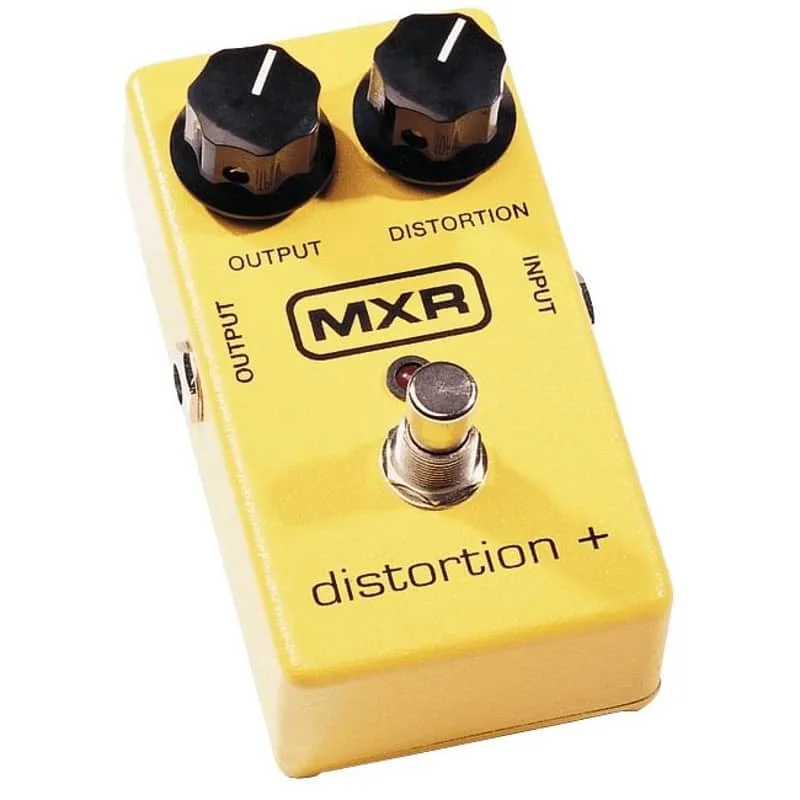
The Phase 90 itself is a phaser pedal designed by Keith Barr in 19745. From there MXR added three more pedals to the core lineup: the Distortion+, the Dyna Comp Compressor, and the Blue Box Octave Fuzz1. The company's first print ad appeared on the back cover of Rolling Stone, featured the then-unheard-of Phase 90, and stated "MXR: We Are Here."1
"MXR: We Are Here."
The core lineup: Phase 90, Distortion+, Dyna Comp and Blue Box
The four pedals that defined the early MXR range cover four of the most common effect types on a pedalboard1:
| Pedal | Effect type | Notes |
|---|---|---|
| Phase 90 | Phaser | Designed by Keith Barr in 1974; current model number M10157 |
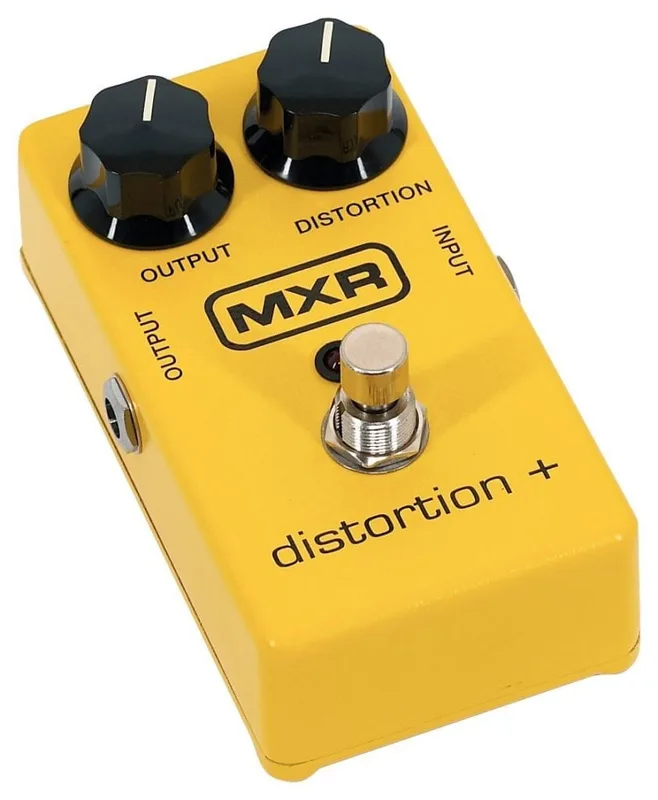
| Distortion+ | Distortion | Dunlop says it delivers "everything from cool overdriven blues tones to huge '80s hard rock distortion"8 |
| Dyna Comp | Compressor | Part of the original core lineup1 |
| Blue Box | Octave fuzz | Octave Fuzz, part of the original core lineup1 |
The current Phase 90 (M101) can be powered by a 9-volt battery, a Dunlop ECB003 9-volt adapter, or the DC Brick, Iso-Brick, and Mini Iso-Brick power supplies7. The Distortion+ reissue adds a power jack and an LED to the original design6.
Owned by Dunlop
Jim Dunlop bought the MXR licensing rights and currently manufactures reissues of the classic MXR effects, including the Distortion+ and the M-133 Micro Amp69. Under Dunlop the brand has grown to dozens of models for guitar players and bass players1, and in 2014 Dunlop marked the 40th anniversary of MXR's incorporation with a series of mini documentary videos covering its history, featuring artists, engineers, pedal designers, and original MXR personnel1.
Founders, designers and outside builders
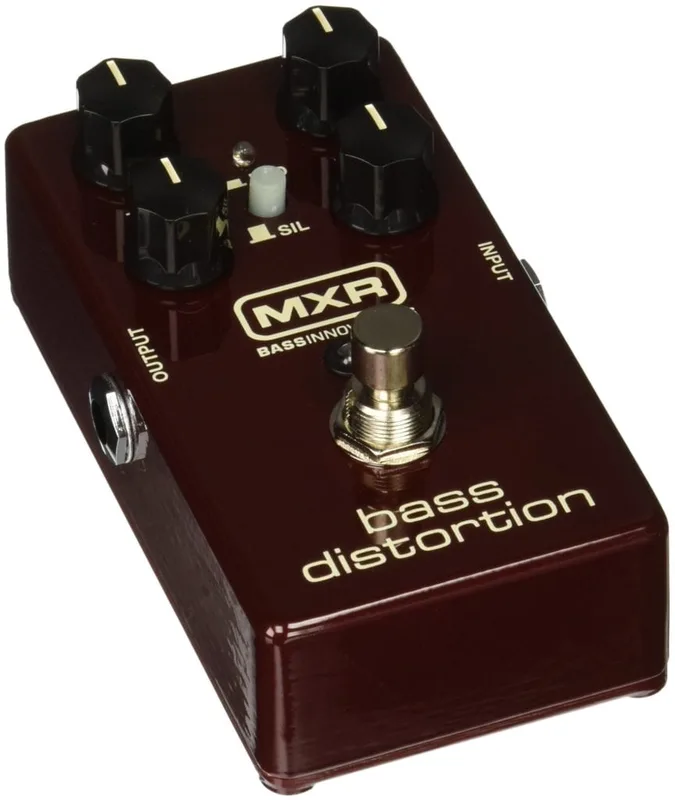
Beyond Keith Barr's original work, modern MXR pedals draw on outside designers. The MXR Timmy Overdrive is based on a design from veteran pedal builder Paul Cochrane, which Dunlop describes as "widely celebrated among high level pros"10. The M85 Bass Distortion was developed working closely with Ryan Ratajski, founder of Fuzzrocious Pedals11. The MXR Turbo Tuner is built around the core engine of the original Sonic Research Turbo Tuner12.
Signature effects with artists
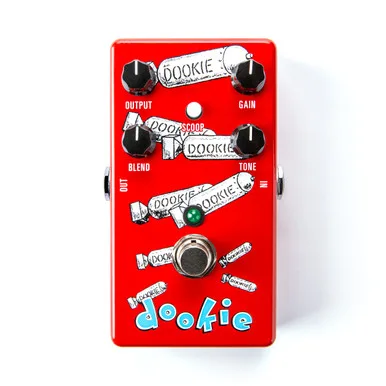
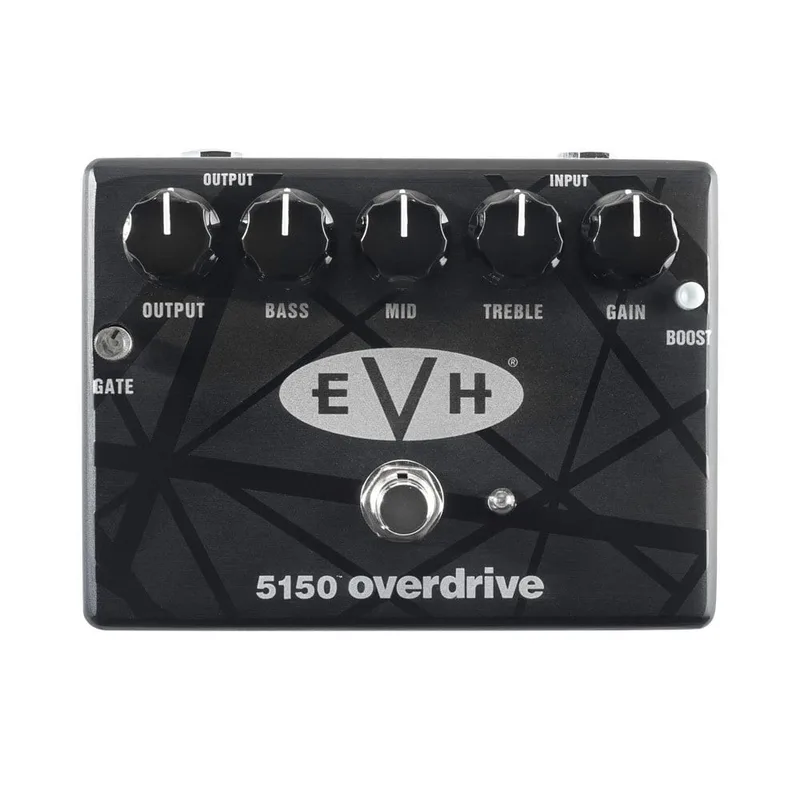
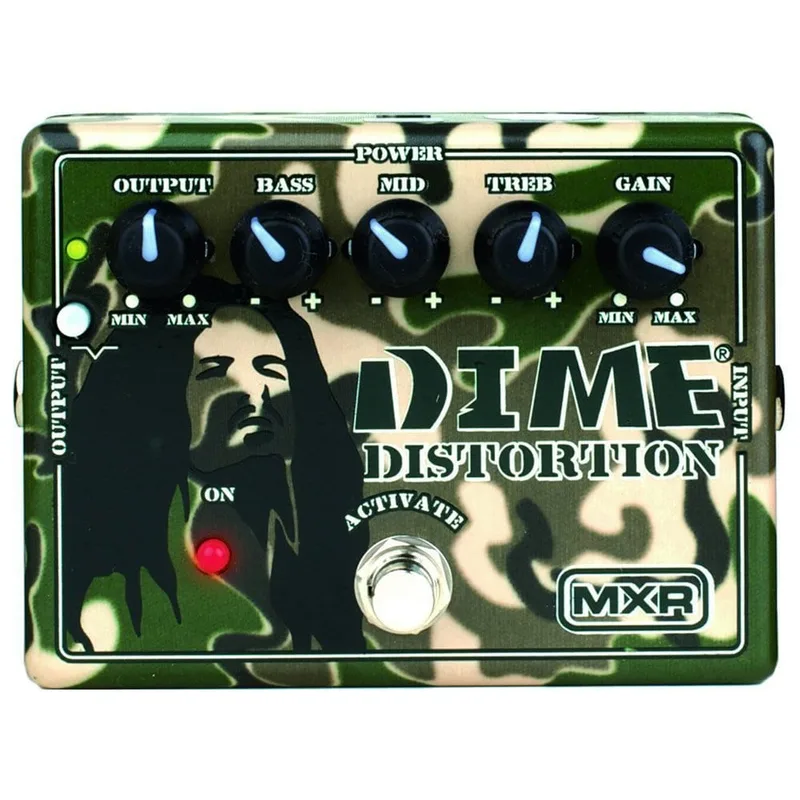
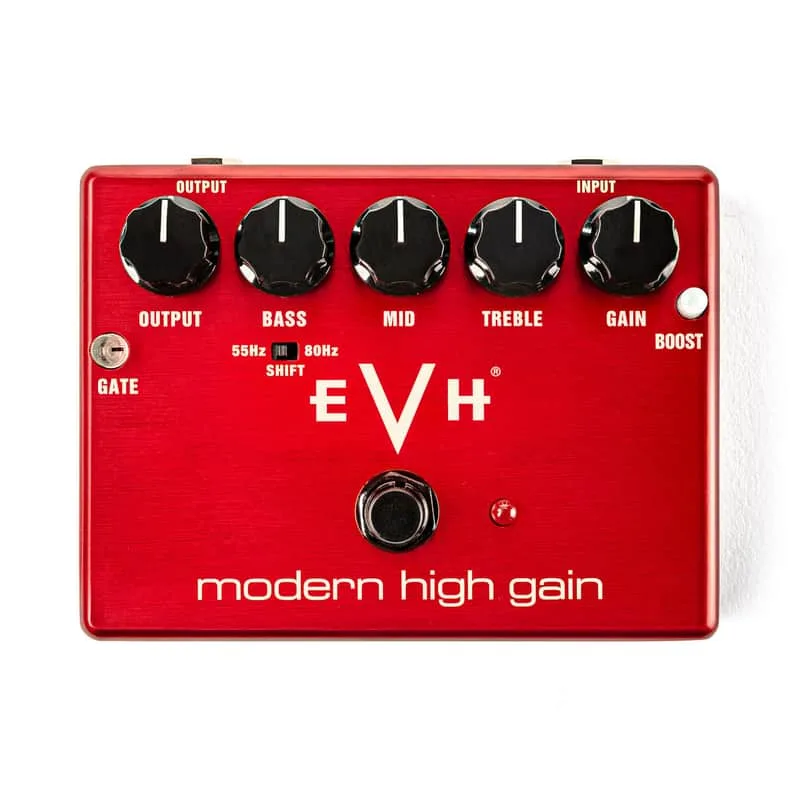
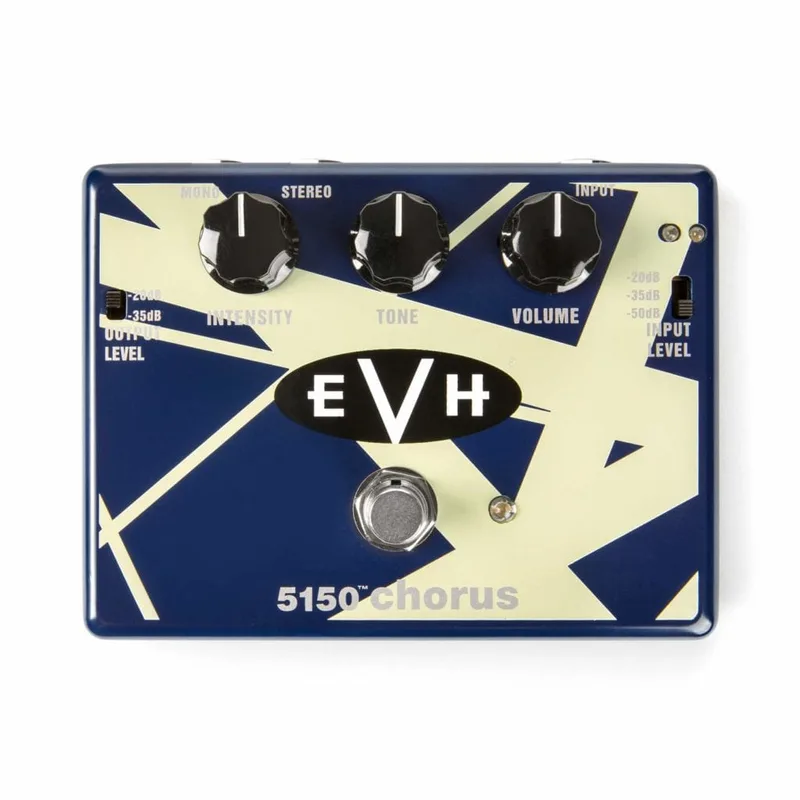
MXR has developed several signature effects in conjunction with guitar players such as Eddie Van Halen, Slash, Zakk Wylde, and Dimebag Darrell1. The range also includes artist-tied models like the Dookie Drive 30th Anniversary (model code DD30)13.
The modern range
The current lineup spans most effect types, from the Flanger and the Deep Phase phaser to the Carbon Copy analog delay, which first hit pedalboards in 20081415. Recent additions include:
- The Layers Pedal, a guitar effects pedal with sustain and layering, requiring a 9-volt (300mA) center-negative power supply16
- The Textures Granular Synth Engine, which offers granular synthesis with dynamics processing plus built-in reverb, filter, and vibrato effects17
- The Rockman X100 Analog Tone Processor, which requires 9 volts18
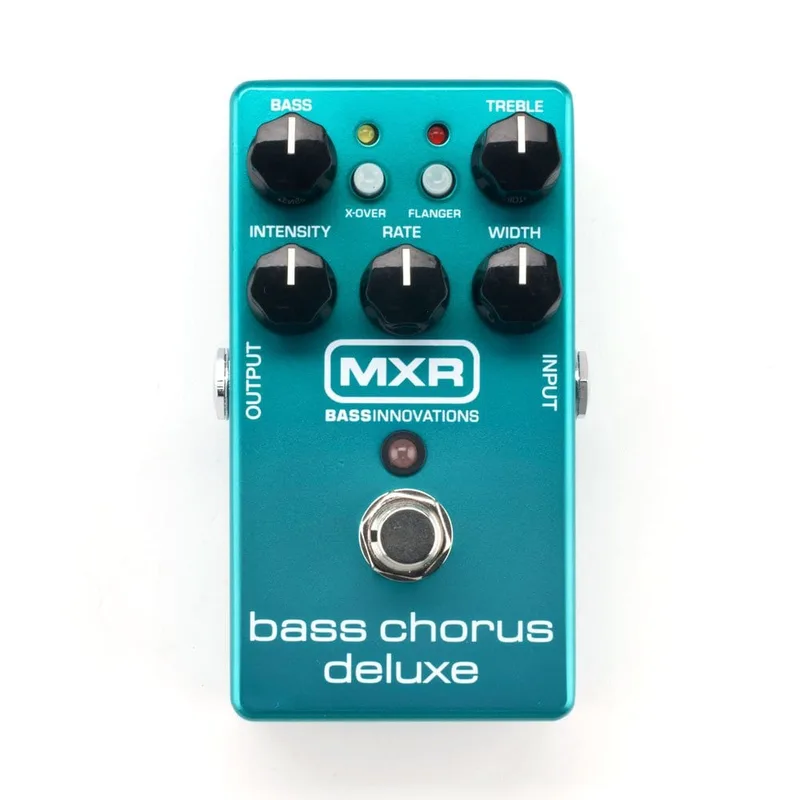
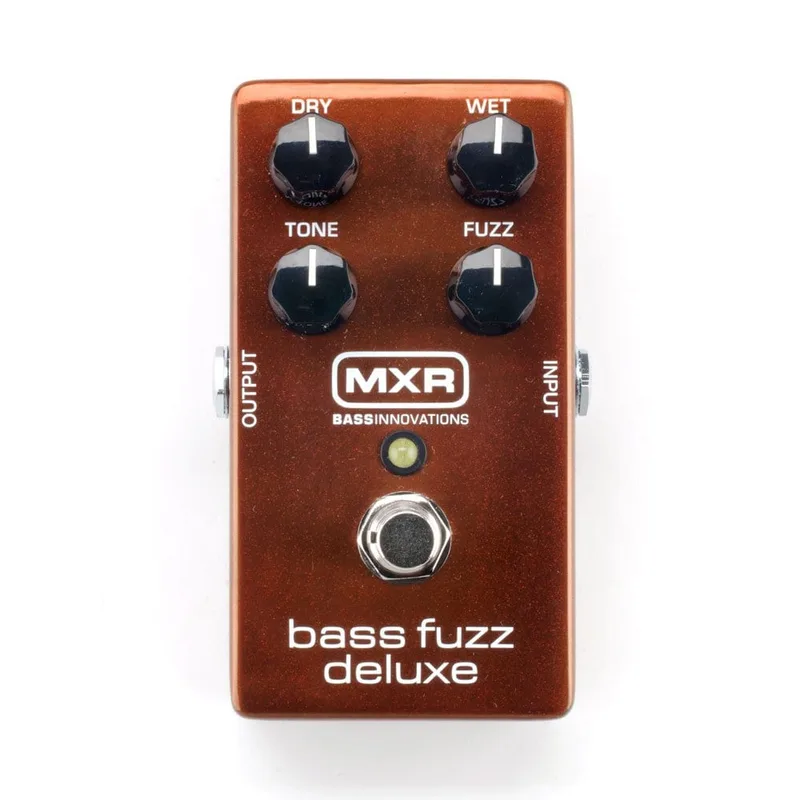
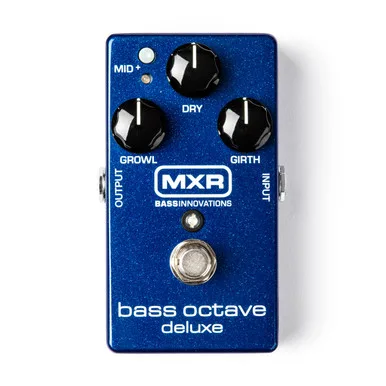
- Bass pedals including the Bass Fuzz Deluxe, Bass Octave Deluxe, Bass Chorus Deluxe, and the M280 Vintage Bass Octave1920
Support and power
Powering an MXR pedal is straightforward across the range. Most models run on a 9-volt battery or the Dunlop ECB003 9-volt adapter, and many are also compatible with the DC Brick, Iso-Brick, and Mini Iso-Brick power supplies, which are not included with the pedal78. A few examples from current product pages:
| Pedal | Power |
|---|---|
| Phase 90 | 9V battery, Dunlop ECB003 adapter, or Brick Series supplies7 |
| Distortion+ | 9V battery, Dunlop ECB003 adapter, or Brick Series supplies7 |
| Sugar Drive | Dunlop ECB003 9-volt adapter21 |
| Fullbore Metal Distortion | 9V battery, Dunlop ECB003 adapter, or Brick Series supplies7 |
| Reverb | Included Dunlop ECB003 9-volt adapter, or Iso-Brick and Mini Iso-Brick22 |
| Layers | 9-volt, 300mA, center-negative power supply16 |
Not every MXR pedal runs on a battery. The Layers Pedal requires a 9-volt (300mA) center-negative power supply16, and the Rockman X100 requires 9 volts from a Dunlop ECB003 adapter or an MXR Brick Series power supply18. Check the specific pedal's page before building your power setup.
The range (163)
News
Questions
Who founded MXR?
MXR was founded by Keith Barr and his partner Terry Sherwood. The two owned an audio repair shop in Rochester, New York, and were shocked by the poor quality of the guitar effects their customers brought in, which led them to build their own. Barr designed the Phase 90, the company's first pedal, in 1974.
Is MXR owned by Dunlop?
Yes. Jim Dunlop bought the MXR licensing rights and currently manufactures reissues of the classic MXR effects, including the Distortion+ and the Micro Amp, alongside dozens of new MXR models for guitar and bass players. MXR pedals are sold under Dunlop Manufacturing, Inc.
What was the first MXR pedal?
The Phase 90 was MXR's first pedal, designed by Keith Barr in 1974. The first few dozen units were constructed in a basement and sold out of a car at gigs. MXR then added three more pedals to the core lineup: the Distortion+, the Dyna Comp Compressor, and the Blue Box Octave Fuzz.
What power supply do MXR pedals use?
Most MXR pedals run on a 9-volt battery or the Dunlop ECB003 9-volt adapter, and many are also compatible with Dunlop's DC Brick, Iso-Brick, and Mini Iso-Brick power supplies, which are sold separately. Some higher-current pedals, like the Layers, require a 9-volt center-negative supply delivering 300mA.
Sources (22)
- MXR: A Short History, Dunlop (lifestyle.jimdunlop.com), 2014-03-05
- HOW MXR PEDALS BECAME LEGENDARY, JHS Pedals
- MXR® PHASE 99, Dunlop (jimdunlop.com)
- Best boost pedals 2026: including the best clean boost pedals for guitar, Guitar World, 2020-07-01
- MXR Phase 90 Analysis, GuitarPCB, 1974
- MXR Distortion + Analysis, GuitarPCB
- MXR® PHASE 90, Dunlop (jimdunlop.com)
- MXR® DISTORTION+, Jim Dunlop (jimdunlop.com)
- MXR MicroAmp Analysis, GuitarPCB (guitarpcb.com)
- MXR® TIMMY® OVERDRIVE, Dunlop (jimdunlop.com)
- MXR® BASS DISTORTION, Dunlop (jimdunlop.com)
- MXR® TURBO TUNER, Jim Dunlop (jimdunlop.com)
- MXR® DOOKIE DRIVE™ PEDAL 30TH ANNIVERSARY, Jim Dunlop (jimdunlop.com)
- MXR® FLANGER, Dunlop (www.jimdunlop.com)
- MXR® Carbon Copy® Mini Analog Delay, Dunlop (lifestyle.jimdunlop.com), 2019-05-15
- MXR® LAYERS™ PEDAL, Jim Dunlop (jimdunlop.com)
- M310.pdf, Jim Dunlop (jimdunlop.com), 2026
- MXR® ROCKMAN® X100™ ANALOG TONE PROCESSOR, Jim Dunlop (jimdunlop.com)
- MXR® BASS FUZZ DELUXE, Jim Dunlop (www.jimdunlop.com)
- M280.pdf, Jim Dunlop (jimdunlop.com), 2022
- MXR® SUGAR DRIVE™ PEDAL, Jim Dunlop (jimdunlop.com)
- MXR® REVERB, Dunlop (jimdunlop.com)