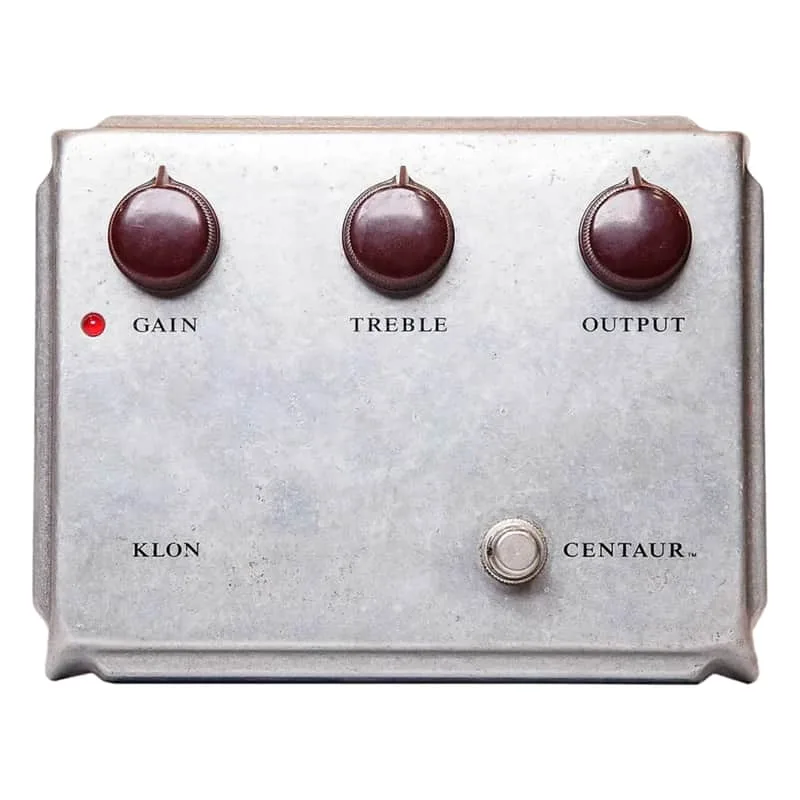
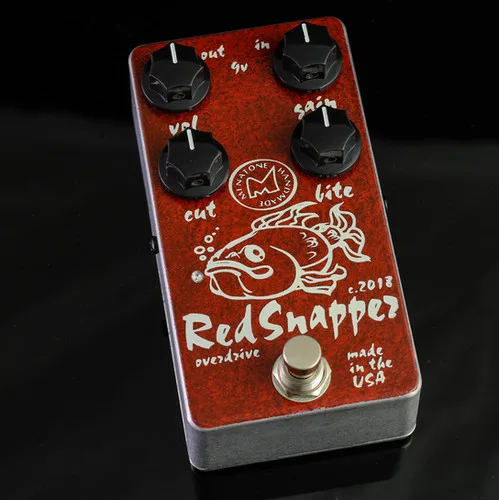
A transparent overdrive is a drive pedal built to add gain, volume and touch sensitivity while leaving the character of your guitar and amp alone. Where a Tube Screamer cuts lows and pushes mids, a transparent drive is designed so that with the gain low and the volume up, your rig still sounds like your rig, just louder and more worked. The pedals most often named in this category are Paul Cochrane's Tim and Timmy, the MXR Timmy, the Klon Centaur and its many descendants, the Menatone Red Snapper and the Greer Lightspeed1.
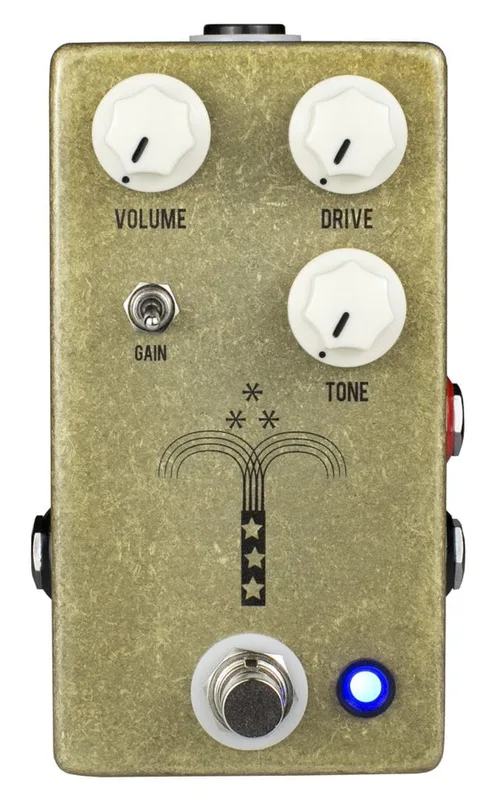
This page compares the pedals most closely associated with the transparent label: the Timmy family, the MXR Custom Shop Timmy Overdrive, the Fulltone OCD, the JHS Pedals Morning Glory V4 and the Wampler Euphoria. The comparison runs deepest on the Timmy family.
What makes an overdrive transparent
The category has a history. Transparent overdrives emerged from the boutique pedal boom, and the name stuck as builders and reviewers used it to describe drives that leave a rig's core tone largely intact. The term now covers a family of circuits that players reach for when they want grit without a strong EQ stamp of their own.
The idea caught on with players who wanted their amp and guitar to stay audible in the sound, and the transparent label spread from builder to builder as the category grew.
So the Timmy is not just a member of the category; by one account it helped define it. Guitar Pedal X groups it alongside the Klon Centaur, Menatone Red Snapper and Greer Lightspeed as a "Transparent" Overdrive1.
The Klon itself sits in an interesting position here. A Klon-style pedal is often described as a colored boost with a mid hump, while a true transparent drive aims for neutrality, and the two families suit different rigs and playing styles. Players comparing the two can find current Centaur-style pedals rounded up in Klon Centaur-style overdrives compared, and the whole landscape of drive categories in the quick guide to drive pedal categories.
The circuits side by side
The pedals in this comparison come from different makers and different eras.
| Pedal | Maker | What the record says |
|---|---|---|
| Fulltone OCD | Fulltone | Compared side by side against the Catalinbread Dirty Little Secret by That Pedal Show, two guitars through two amps, minimal talking2 |
The comparison format itself is worth knowing: That Pedal Show's AB Comparisons put two pedals head to head with minimal commentary, so players can hear the differences for themselves rather than rely on a verdict.
The Tim and Timmy relationship matters when choosing. The Timmy is the compact four-knob version of the original Tim, built around the same transparent circuit philosophy3. The MXR Timmy then brought that circuit to a smaller, more affordable and more widely available format; MusicRadar's verdict on it was:
"MusicRadar verdict: Smaller, more affordable, more available and just as musical as Paul Cochrane's originals, Timmy"
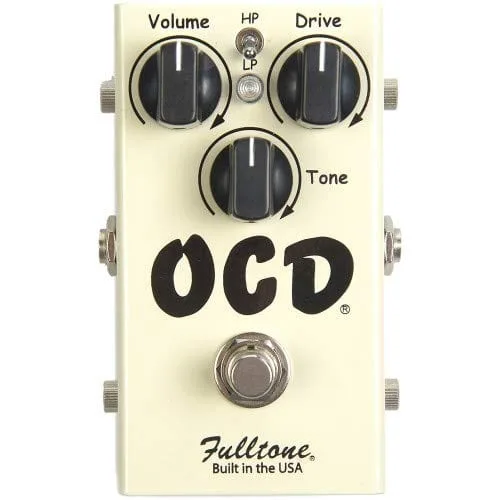
The Fulltone OCD is a different animal. In That Pedal Show's AB comparison against the Catalinbread Dirty Little Secret, Dan and Mick played two guitars through two amps with minimal talking, and their on-camera assessment of the OCD was that "it's more overdrive pedal" than the Dirty Little Secret52. That places the OCD further toward the full-drive end of the spectrum than a low-color transparent boost, which is worth knowing if your goal is neutrality above all.
"Transparent" is a label reviewers and makers use, not a measurable standard. Two pedals both called transparent can still sound different in the midrange. The best test is a side-by-side at the same amp settings, which is exactly the format That Pedal Show uses in its AB comparison videos2.
What reviewers said about each pedal
The Timmy family has the deepest review record of any pedal in this set.
Guitar World's Paul Riario reviewed the MXR Timmy and found that "the MXR Timmy Overdrive delivers transparency with a capital T", calling it "one of the most transparent, responsive overdrive pedals you will find, with three clipping modes for added range"6. Of the original Cochrane-built versions, he wrote that "the Timmy pedal is a perennial on lists of best overdrive pedals, including ours, and it's because it is a super-trans" parent, amp-like overdrive in constant demand6.
MusicRadar's review team reached the same conclusion from the value angle: smaller, more affordable, more available, and just as musical as the originals, leaving the Timmy "one of the first names that come to mind when you think of transparent overdrive" and a pedalboard must-have4.
Tone Island's buying guide calls the MXR Custom Shop Timmy famed for its transparent overdrive and extremely well-built, noting it comes from the MXR Custom Shop7.
For the Fulltone OCD, the published verdict here comes from That Pedal Show's comparison with the Catalinbread Dirty Little Secret25:
In the video, Dan and Mick run both pedals through two guitars and two amps with minimal talking, and conclude the OCD is the more overdrive pedal of the two, while the Dirty Little Secret leans more toward its amp-in-a-box character5. Players weighing an OCD against a true transparent drive can also see the amp-in-a-box pedals compared page for that other school of drive.
How a transparent drive fits a pedalboard
For players still deciding what kind of drive they need at all, the broader overdrive, distortion and fuzz pedals compared page lays out the three gain categories side by side, and the overdrive pedals type page covers the effect in general.
Questions
What is a Klon-style overdrive?
A Klon-style overdrive is a pedal built on the circuit ideas of the Klon Centaur, a rare 1990s overdrive known for a mid-forward, boosted character rather than a neutral one. A 2004 Legendary Tones review found the Maxon OD-820 more transparent and quieter than the Centaur, and roughly $100 cheaper, noting the Centaur suits players who want added mids. Many current versions of the circuit exist.
Is a Timmy a transparent overdrive?
Yes. Paul Cochrane's Timmy, the smaller four-knob version of his Tim overdrive, is described by Guitar World as possibly the first 'transparent' boutique overdrive, and Guitar Pedal X groups it with the Klon Centaur, Menatone Red Snapper and Greer Lightspeed as a transparent overdrive. Reviewers consistently call it super-transparent and amp-like.
What is the difference between a transparent overdrive and a Tube Screamer?
A Tube Screamer-type pedal cuts low end and boosts midrange, which thickens a lead tone but colors your sound. A transparent overdrive like the Timmy is built to leave your core tone alone, adding gain and volume without reshaping the frequency balance. JHS Pedals names the Timmy and the Xotic RC Booster as great transparent pedals that don't color your sound.
Can a transparent overdrive be used as a clean boost?
Yes, that is one of their main uses. Because a transparent overdrive preserves your amp's character, running it at low gain and high volume works as a boost that pushes the amp harder without changing its voice. JHS Pedals recommends stacking transparent drives like the Timmy this way to build gain in stages.
Sources (7)
- Guitar Pedal X, Guitar Pedal X, 2024-06-20
- TPS AB Comparisons, That Pedal Show, 2017-01-03
- Paul Cochrane Timmy: history of the classic overdrive pedal, Guitar World, 2020-04-03
- MXR Timmy review, MusicRadar, 2020-11-19
- TPS AB Comparisons, That Pedal Show, 2017-01-03
- MXR Timmy Overdrive review, Guitar World, 2020-11-19
- 11 Best Overdrive Pedals For 2026 (Includes Budget Options), Tone Island, 2026