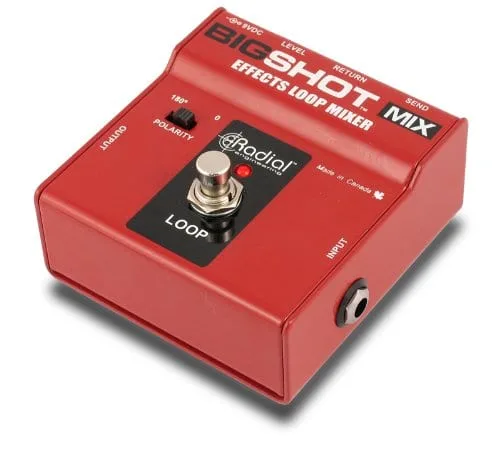
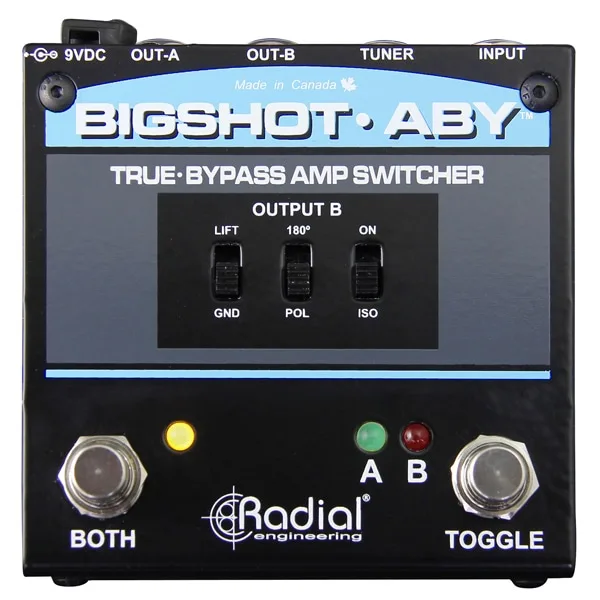
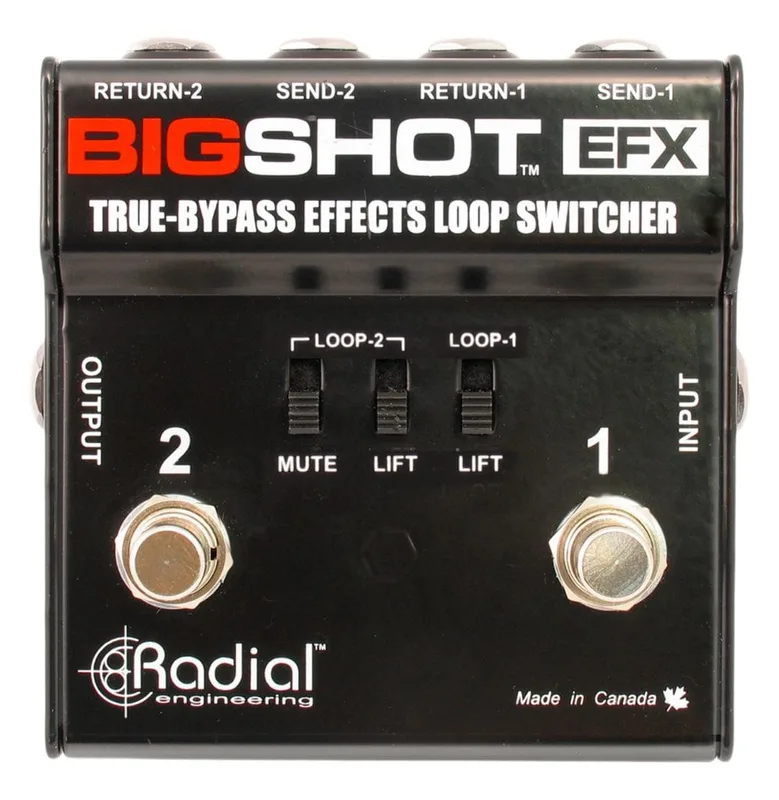
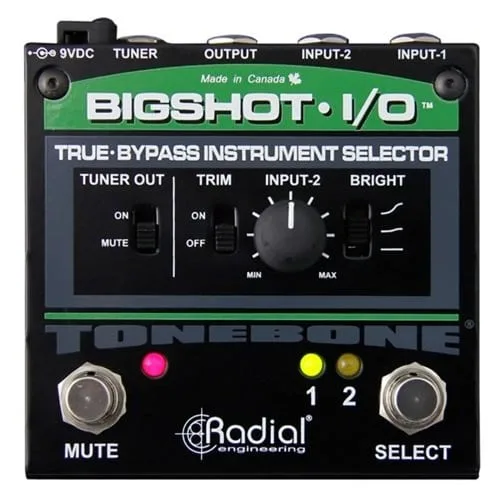

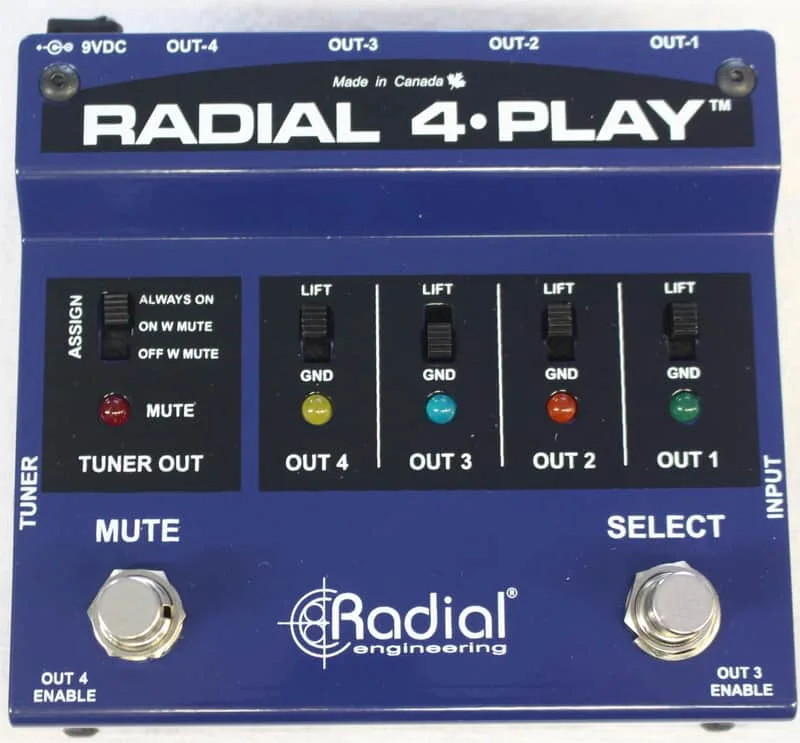
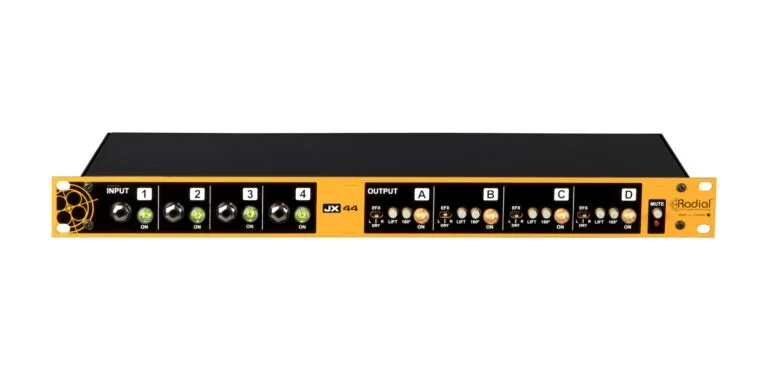
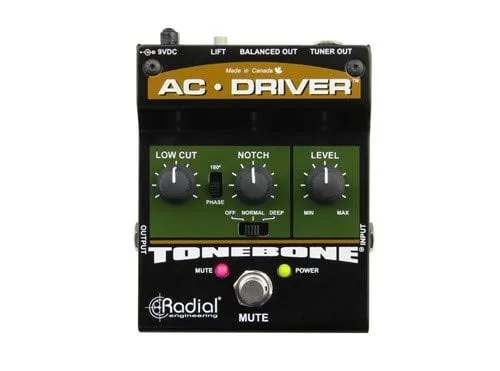
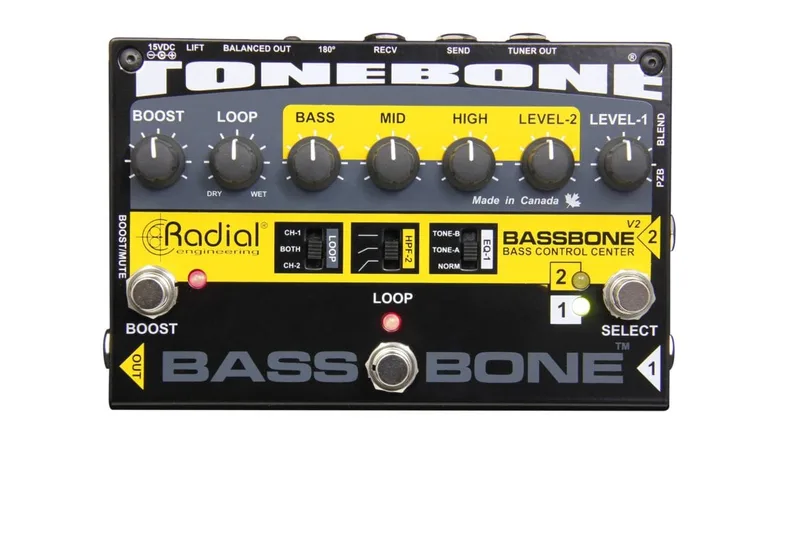
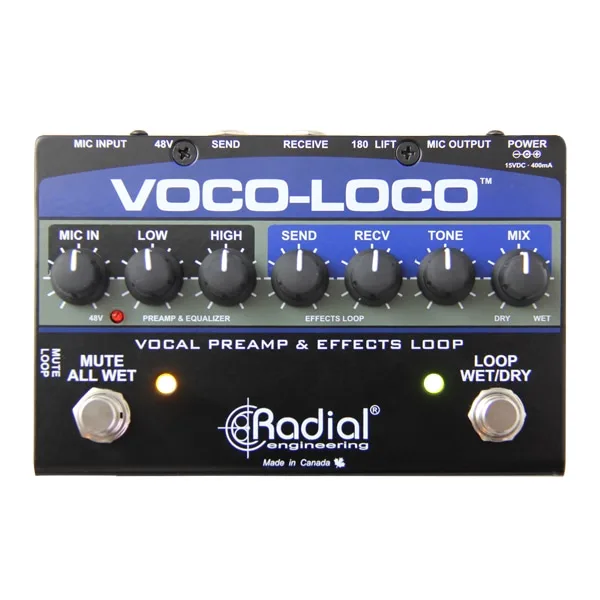
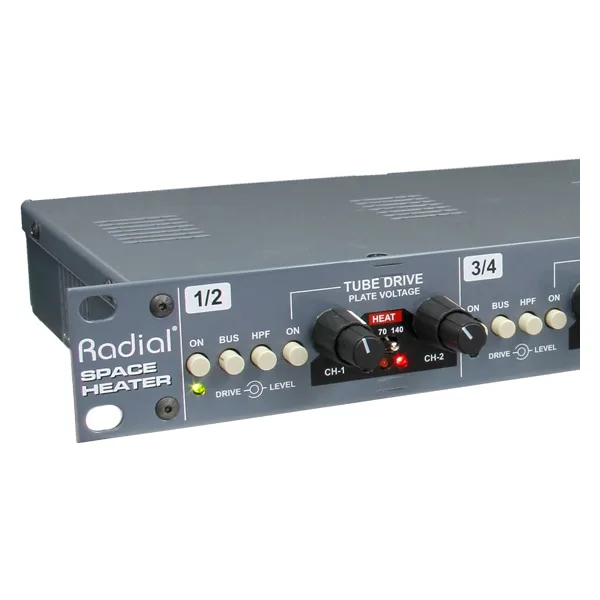
The company is headquartered in Vancouver, BC, and remains a Canadian firm1. It employs over 50 people and ships more than 60,000 electronic items each year1.
From JP CableTek to Radial Engineering
Radial's history begins under a different name: the company originally went by JP CableTek Electronics, Ltd., before becoming Radial Engineering1. It was formed in 1991 and incorporated in 19921. From there it grew into a maker employing over 50 people and shipping more than 60,000 electronic items each year1.
For guitar players, the Reamp line is the part of that story that matters most. Reamping is a studio recording technique that involves taking a recorded audio track, usually guitar or bass, and playing it back through a guitar amp, then recording the amp's output to a new track6. A reamp box makes that possible: the Radial Reamp JCR is a high-performance passive Reamper that lets you take a pre-recorded track and send it through a guitar amp or pedal chain without noise7. The ProRMP covers the same job as a passive Reamper86, and the Reamp Station combines two studio essentials in one chassis: an active DI box for recording an instrument and the JCR Reamper6.
Radial lays out the basic reamping workflow with the ProRMP:
- Record the guitar track using a Radial direct box like the Pro48, which splits the signal so the player can hear an amp while a clean, dry performance is captured9.
- Send the recorded track out of the interface into the reamp box.
- Feed the reamp box's output into a guitar amp or pedal chain and record the result to a new track6.
The EXTC products extend the idea to mixing. The EXTC 500 is a 500 series effects send and receive module that lets you incorporate guitar effects into pro studio workflows8, and the EXTC-Stereo is a stereo guitar effects interface and reamper that can also feed tracks through one or two amplifiers via its send jacks5. Mixer Andrew Scheps, whose credits include Metallica, Red Hot Chili Peppers, Audioslave, Linkin Park, Green Day and U2, uses the EXTC 5008.
"Reamping and using pedals while mixing have always been part of my work flow, but with the Radial EXTC it's finally easy"
Peter Janis and the move to Regimen Equity Partners
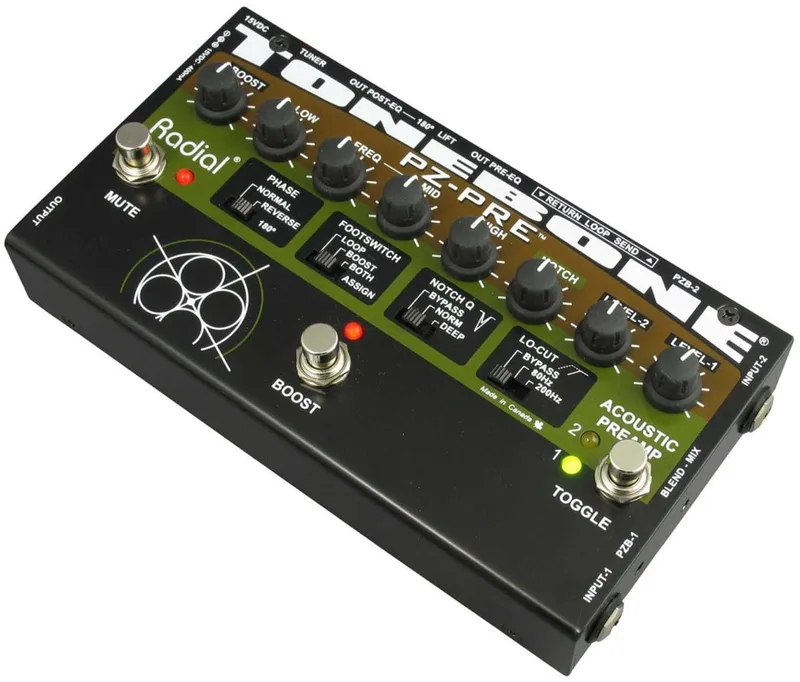
Peter Janis has served as president of Radial Engineering, and it was Janis who introduced the Tonebone PZ-Pre preamp to the press111213. Under his leadership the company, founded in 1991 and incorporated in 1992, grew to over 50 employees shipping more than 60,000 electronic items each year1.
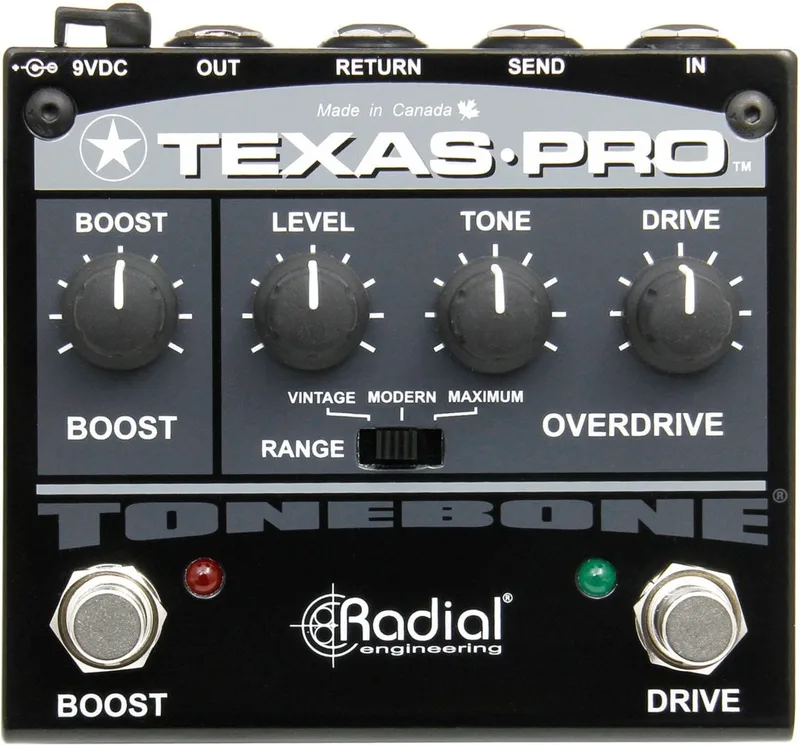
The Tonebone pedal line
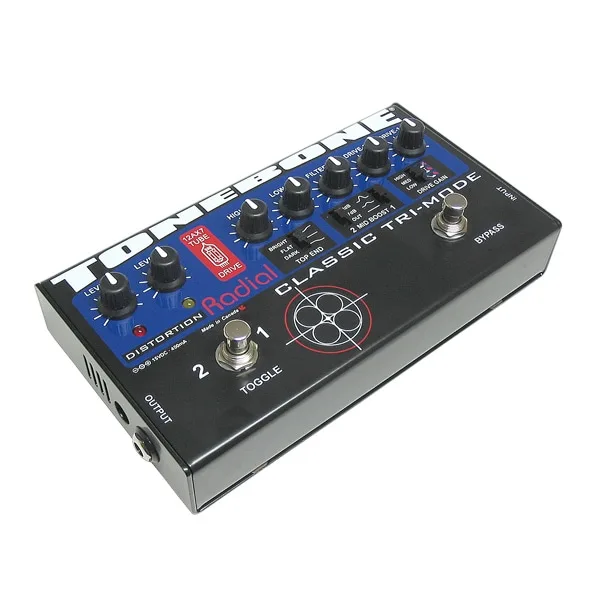
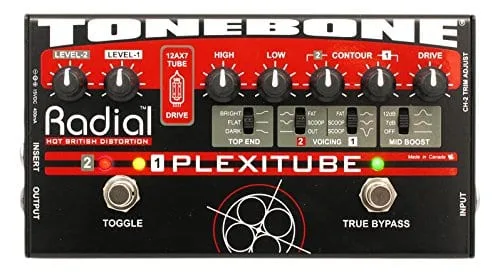
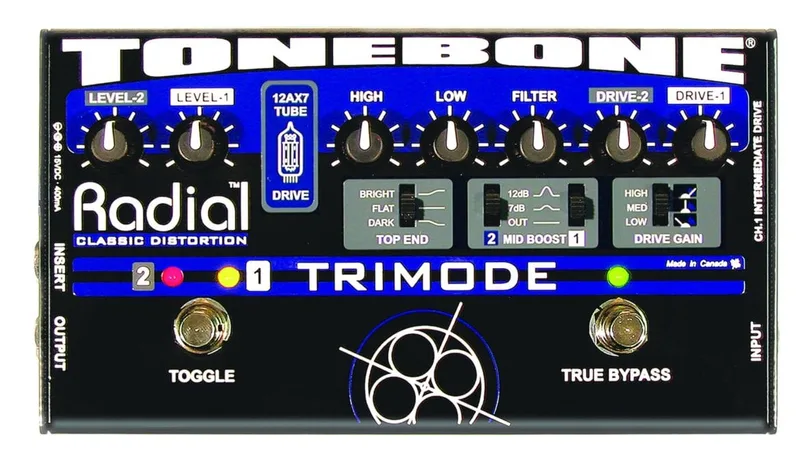
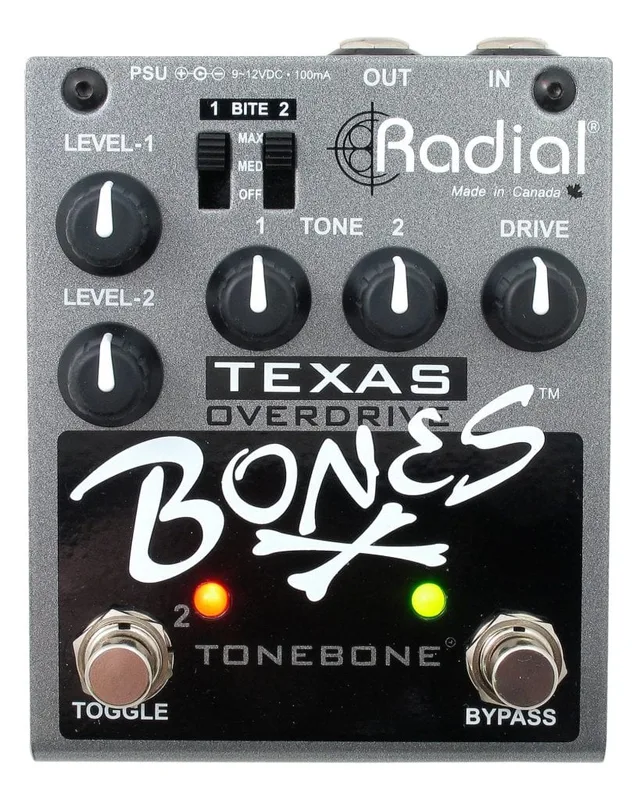
Tonebone is Radial's pedal line, and it leans on tubes and switching rather than modeling. The Tonebone Trimode is a hybrid overdrive pedal that combines the control of a dual-stage solid-state front end with the warmth of a 12AX7 vacuum tube, mounted on its side to lower the pedal profile for easy footswitch action14. It is built like a tank and designed to fit on most pedalboards14.
The line grew through the 2010s:
Radial's product activity in this era is documented at NAMM 2016, where the Canadian firm unveiled 12 new problem-solving DIs and switchers15. Those announcements continued the company's pattern of practical, well-built devices for players and studios, the reputation it has built since forming in 199116.
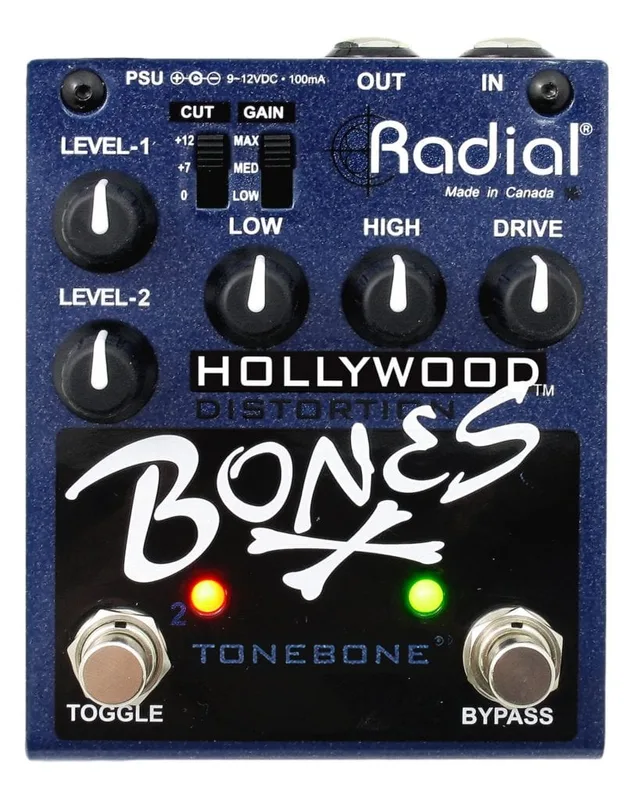
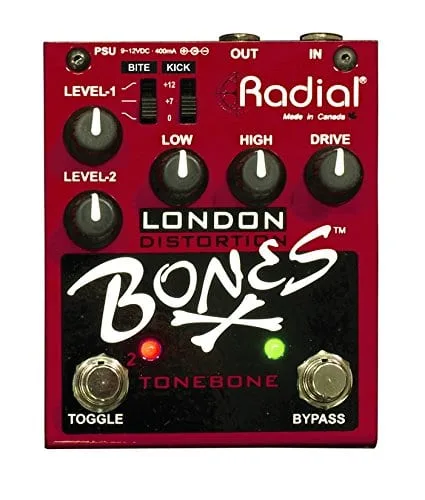
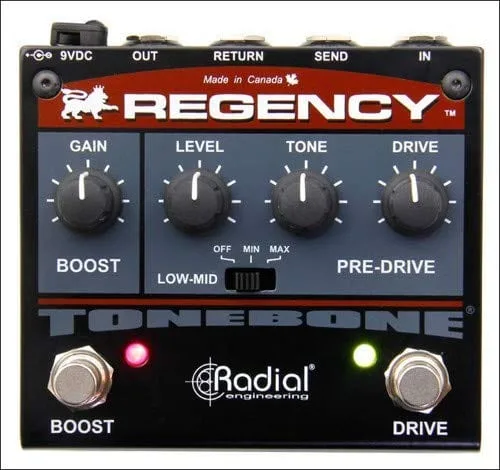
Outside the Tonebone name, Radial's pedal range includes distortion and boost pedals such as the Bones London, a dual-mode distortion pedal with a high gain circuit modeled after a British Plexi half stack16, and the Regency, whose send and receive 1/4" jacks connect pedals in an effects loop engaged by pressing the Boost footswitch17. For pedalboard integration, the TrainTrack Plus brackets affix Radial J-Class devices such as the JDI and Highline Stereo to the underside of a pedalboard; they are designed for Pedaltrain boards (Classic JR and larger) and can also be mounted on certain modular pedalboard models18.
Support and contact
Radial Engineering can be reached by phone at 604-942-10011. The company employs over 50 people and ships more than 60,000 electronic items each year1. Players comparing its distortion pedals can also look at other distortion pedals and overdrive pedals, and its switchers sit alongside other switching pedals.
The range (39)
Questions
Where is Radial Engineering based?
Radial Engineering is based in Port Coquitlam, British Columbia, Canada. The company relocated to a larger facility there in 2021, and it also runs a United States warehouse facility in Loveland, Colorado, which opened in 2019.
Who owns Radial Engineering?
Since 2018, Radial Engineering has been owned by Regimen Equity Partners. Founder Peter Janis sold the company to the equity firm to provide resources for further growth. Radial continues to operate as a maker of direct boxes, reampers, switchers and pedals.
What is the Radial Tonebone line?
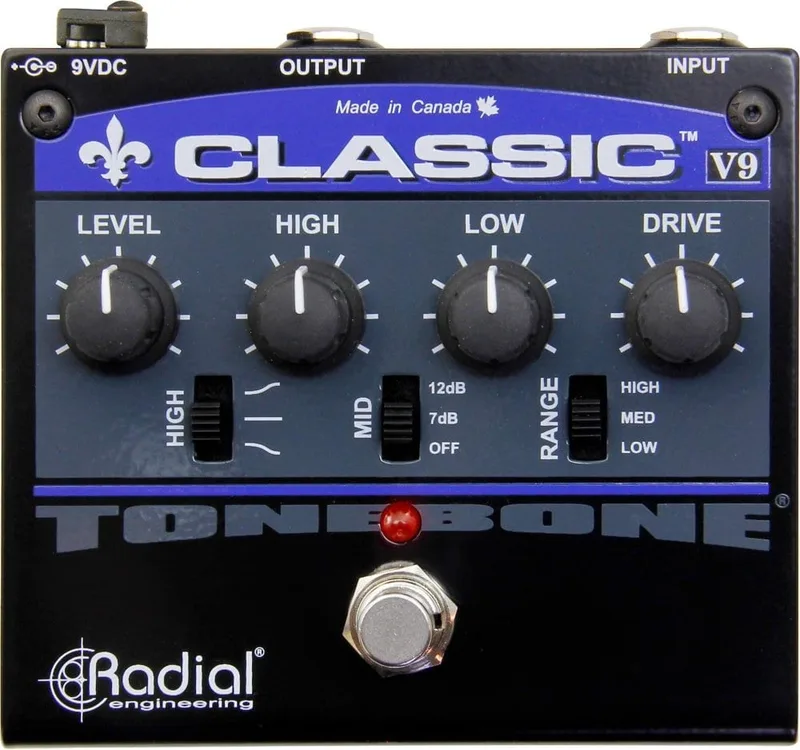
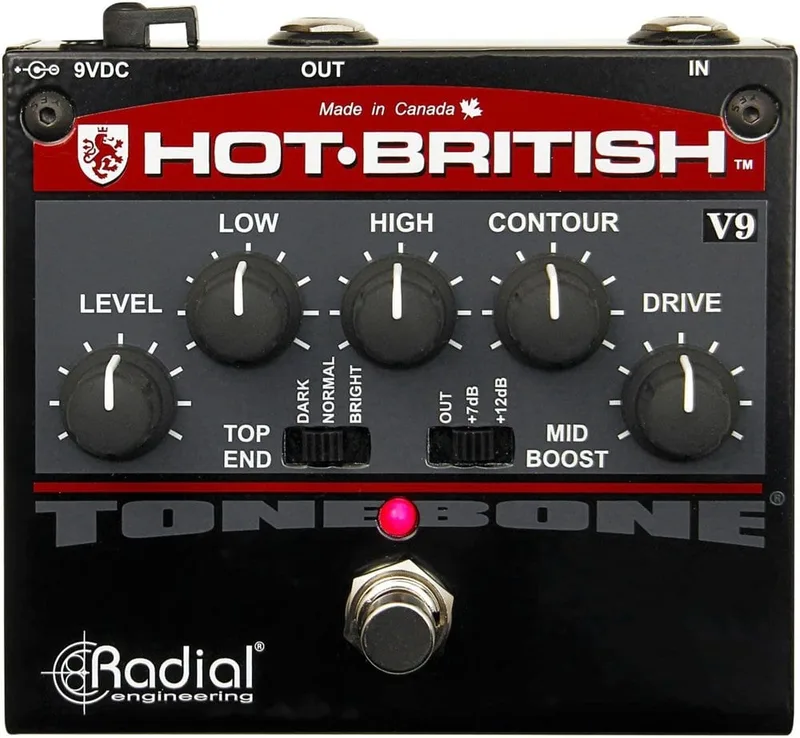
Tonebone is Radial's line of guitar pedals and switching devices, including tube distortion pedals such as the Trimode, Classic V9 and Hot British V9, and switchers such as the BigShot ABY and BigShot i/o. Radial expanded the line with the Headlight and Bumper selectors in 2016.
What does a re-amp box do for guitar recording?
Reamping is a studio technique where you play a recorded track back through a guitar amp and record the amp's output to a new track. A reamp box like the Radial JCR or ProRMP takes the line-level signal from your interface and feeds it to an amp or pedal chain at the level and impedance the amp expects, without noise.
Does Radial still make the EXTC re-amper?
Yes. The EXTC is available as the EXTC 500, a 500 series effects send and receive module that connects guitar pedals to pro studio gear, and as the EXTC-Stereo, a stereo guitar effects interface and reamper. Mixer Andrew Scheps uses the EXTC 500 in his workflow.
Sources (18)
- History - Radial Engineering, Radial
- X-AMP by Radial Engineering, RockBoard (www.rockboard.de), 2026
- X-Amp Specifications, Radial Engineering, 2018-04-10
- X-Amp - Radial Engineering, Radial Engineering, 2026-03-25
- EXTC-Stereo, Radial Engineering, 2026-07-16
- Comparing Reampers, Radial Engineering, 2023-09-20
- JCR - Radial Engineering, Radial Engineering, 2026-07-03
- EXTC 500, Radial Engineering, 2026-03-25
- ProRMP - Radial Engineering, Radial Engineering, 2026-03-31
- Andrew Scheps, Radial Engineering, 2018-11-28
- Radial Releases Bones Vienna Dual-Mode Analog Chorus, Premier Guitar, 2010-01-12
- NAMM 2014 VIDEO: Radial Engineering Bassbone OD, MusicRadar, 2014-01-26
- Radial Engineering's Bassbone OD (Overdrive) Now Shipping, Guitar Interactive Magazine, 2014-05-06
- Trimode Specifications, Radial Engineering, 2018-04-26
- NAMM 2016: Radial unveils 12 new problem-solving DIs and switchers, MusicRadar, 2016-01-20
- Bones London, Radial Engineering, 2021-03-17
- Regency Features, Radial Engineering, 2018-06-19
- TrainTrack Plus, Radial Engineering, 2026-03-24