Analog delay and tape echo are the two vintage-minded branches of the delay family. One works with bucket-brigade chips, the other with the wobble and wear of recording tape, and both have inspired a wave of modern pedals that chase those characters without the drawbacks of the originals. This page puts seven of them side by side: the Catalinbread Belle Epoch Tape Echo, DOD Rubberneck Analog Delay, Ibanez ES2 Echo Shifter, JHS Pedals Panther Analog Delay, MXR Carbon Copy Deluxe, MXR EP103 Echoplex Delay and Wampler Faux Tape Echo V2.
The interesting split in this group is not brand against brand but technology against technology. Some of these pedals are true analog bucket-brigade delays, some are digital pedals dressed in tape echo clothes, and one is a hybrid with an analog dry path feeding a digital delay engine. Knowing which is which tells you a lot about what each will do to your repeats.
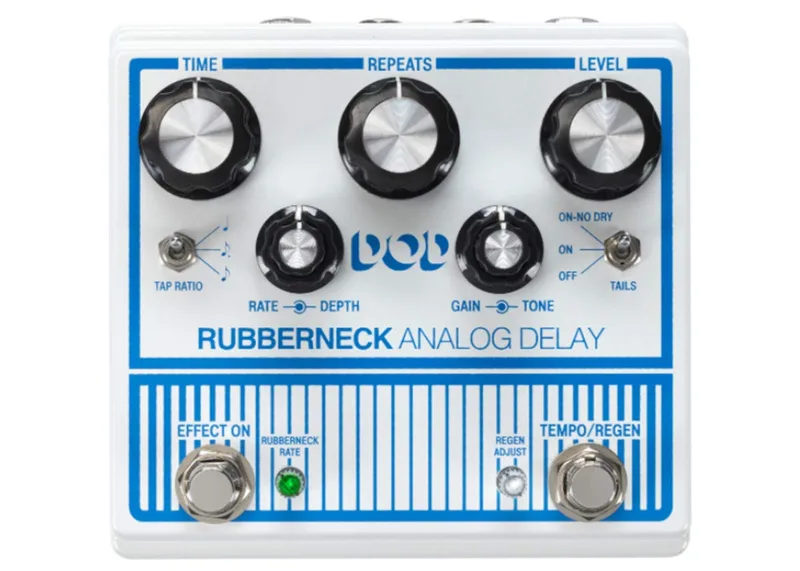
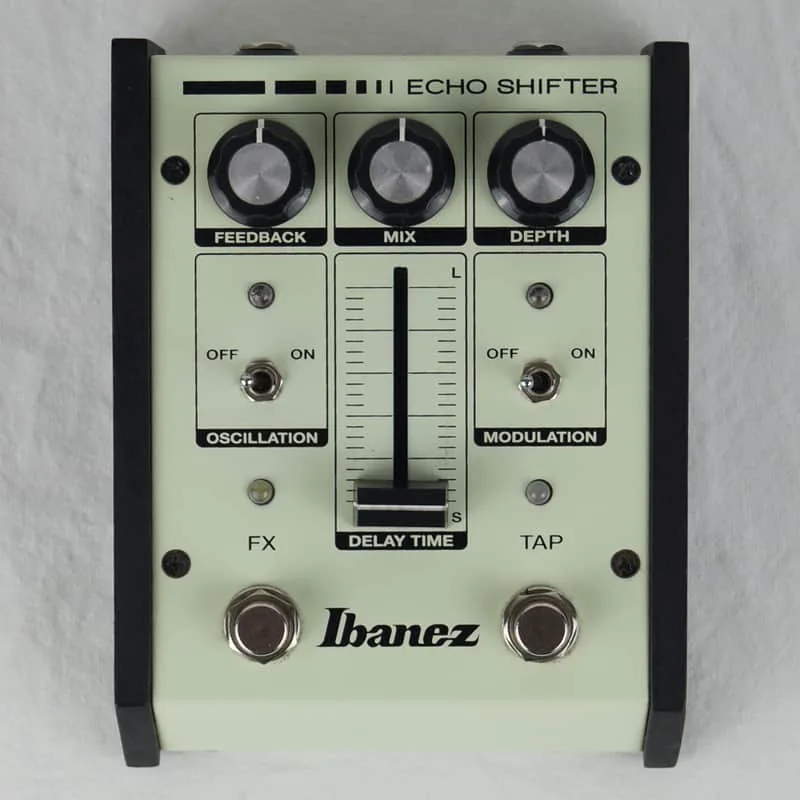
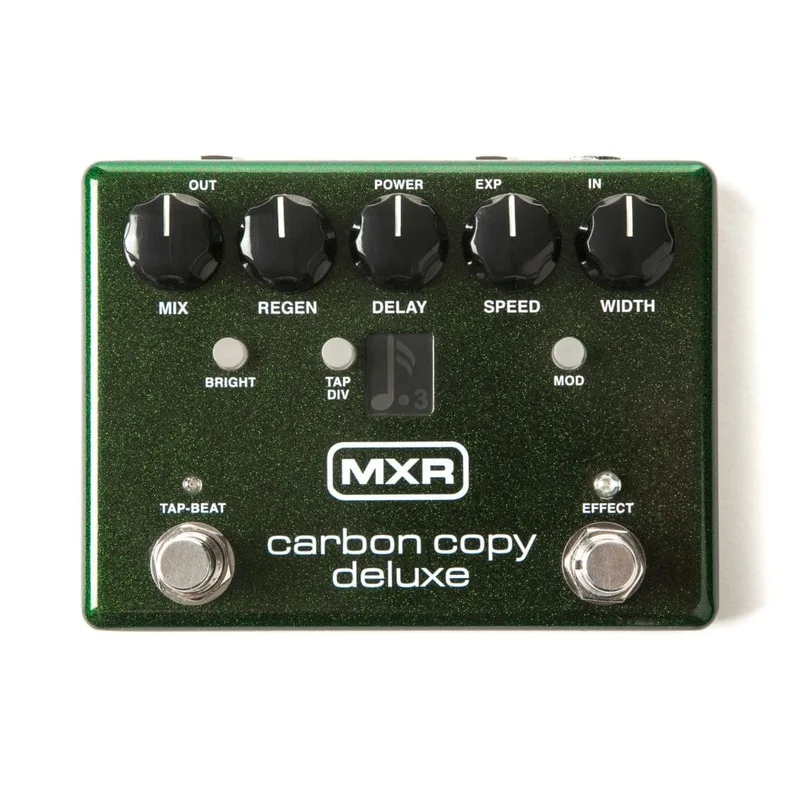
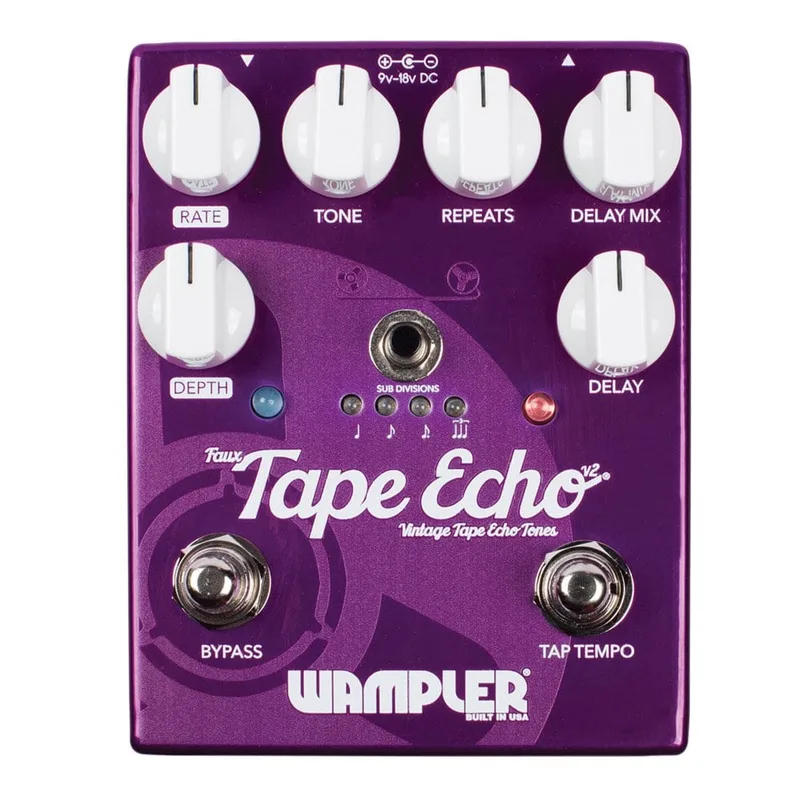
The seven pedals side by side
| Pedal | Maker | Technology as described | Delay character |
|---|---|---|---|
| Belle Epoch Tape Echo | Catalinbread | - | Delay pedal with tape echo character1 |
| Rubberneck Analog Delay | DOD | - | - |
| ES2 Echo Shifter | Ibanez | - | - |
| Panther Analog Delay | JHS Pedals | Analog, true bucket-brigade2 | - |
| Carbon Copy Deluxe | MXR | - | - |
| EP103 Echoplex Delay | MXR | Digital3 | Echoplex tape echo effects recreated in a pedal4 |
| Faux Tape Echo V2 | Wampler | Analog dry path, digital delay5 | Up to 600ms of tape-style delay with modulation and note decay6 |
A dash means that pedal's technology is not described, so nothing is claimed for it. What the table does show is the spread across this group: two ends of the technology spectrum sit in it, from a true bucket-brigade analog delay to a fully digital Echoplex tribute, with a hybrid in between.
The Echoplex name on the EP103 does not mean it is a tape machine or even an analog circuit. Stompbox Book's history of the Echoplex notes the EP103 is a digital pedal3, carrying the name and the sound of the original tape echo rather than its mechanism.
Bucket-brigade versus tape: what differs
An analog delay is built around bucket-brigade device chips, usually shortened to BBD. The chip hands your guitar signal down a long line of tiny internal stages, one step at a time, and the time that journey takes becomes the delay. Pedal of the Day, reviewing the JHS Panther, framed the payoff of that design in plain terms:
"Being a true Bucket Brigade delay like the Panther is, you get sounds and tones that are hard to replicate elsewhere"2
That is the case for analog delay in one sentence: the repeats come out of the chip with a character of their own, one that reviewers keep describing as difficult to copy by other means.
Tape echo takes a different route. Instead of a chip, the classic machines recorded the signal to a loop of magnetic tape and played it back a moment later, and the physical imperfections of that process became the sound. Catalinbread, maker of the Belle Epoch, puts the dividing line this way:
"The "wow and flutter" found in tape echoes are what separates them from a "normal" delay"1
Wow and flutter are the pitch wobble that comes from a real tape transport never running at a perfectly steady speed. That wobble, along with the way each tape pass degrades the signal, is what players mean when they talk about tape echo character, and it is the quality the Belle Epoch is built to deliver in pedal form1.
The Wampler Faux Tape Echo V2 sits across both worlds. Guitar Interactive Magazine reported at its release that it "provides up to 600ms of clean, tape-style delay with realistic modulation and note decay"6, meaning it chases the tape sound with a delay engine rather than a tape loop. MusicRadar's review adds the detail of its signal path, calling it:
"an all-analogue, un-messed-with dry signal path combined with digital delay"5
So your untouched guitar signal stays analog from input to output, while the repeats are generated digitally and voiced to behave like tape, modulation wobble and decaying notes included65.
Despite the word tape in its name, the Faux Tape Echo V2 does not run tape. It is tape-style, a simulation of the medium rather than the medium itself6.
The Echoplex lineage and the Fulltone question
Much of this comparison traces back to one machine: the Echoplex, the vintage tape echo that the EP103 and several others in this group answer to. That Pedal Show built an entire episode around that lineage, comparing modern delay pedals against a Fulltone Solid State Tape Echo. As they put it47:
"we've swapped out the Echoplex for the modern production equivalent"7
That swap is the question this whole corner of the pedal market answers: whether a modern unit can stand in for a vintage tape machine. The Fulltone Solid State Tape Echo is one answer, solid state rather than tape, and That Pedal Show devotes a chapter of the episode to explaining it, from 1:20 to 2:30, with its sounds following from 3:007. The Belle Epoch and the pedals alongside it in that video face the same test against the tape original.
The EP103 is MXR's answer to the same question, and it takes the digital route3. Guitar World's review connected it directly to the machine it honors:
"The drop-dead gorgeous effects of the original Echoplex tape echo live on again in the wonderfully versatile EP103 pedal"4
The same review's bottom line called it a wonderfully versatile pedal in which the effects of the original Echoplex tape echo live on, without the maintenance headaches of a vintage tape unit4. That last part is the practical argument for every pedal on this page: a tape machine needs its tape, heads and transport looked after, and a pedal does not.
What reviewers said about each
The published verdicts on this group, attributed:
- JHS Pedals Panther Analog Delay: Pedal of the Day called it a true Bucket Brigade delay and said you "get sounds and tones that are hard to replicate elsewhere"2.
- Wampler Faux Tape Echo V2: MusicRadar described "an all-analogue, un-messed-with dry signal path combined with digital delay"5, and Guitar Interactive Magazine noted its "up to 600ms of clean, tape-style delay with realistic modulation and note decay"6.
- MXR EP103 Echoplex Delay: Guitar World found "the drop-dead gorgeous effects of the original Echoplex tape echo live on again in the wonderfully versatile EP103 pedal"4, without a vintage unit's maintenance headaches.
- Catalinbread Belle Epoch: Catalinbread itself frames its character by the tape qualities it carries, the wow and flutter that separate tape echoes from a normal delay1.
Who each suits
The Panther suits the player who wants a true bucket-brigade analog delay and the tones Pedal of the Day says are hard to replicate elsewhere2. The Belle Epoch suits the player chasing tape echo character, the wow and flutter that Catalinbread calls the separating quality of tape echoes1. The Faux Tape Echo V2 suits the player who wants tape-style repeats up to 600ms with an untouched analog dry signal65. The EP103 suits the player who wants the Echoplex sound, which Guitar World found lives on in the pedal, without maintaining a vintage tape machine43.
Questions
What is the difference between analog delay and tape echo?
An analog delay passes your signal through bucket-brigade chips, which Pedal of the Day describes as giving tones that are hard to replicate elsewhere. A tape echo records to tape, and Catalinbread points to the wow and flutter of tape as the thing that separates tape echoes from a normal delay. Many modern pedals recreate that tape character without tape.
How long can an analog delay repeat?
Bucket-brigade chips limit analog delay times, which is why many players pair them with digital units for longer repeats. As a point of comparison in this group, the Wampler Faux Tape Echo v2, which uses a digital delay engine with an analog dry path, provides up to 600ms of tape-style delay.
Do tape echo pedals use real tape?
Some do and some do not. In this comparison the Wampler Faux Tape Echo v2 provides tape-style delay with realistic modulation and note decay rather than recording to tape, and the Fulltone Solid State Tape Echo that That Pedal Show used as a modern Echoplex equivalent is, as its name says, solid state.
What is a bucket-brigade delay chip?
A bucket-brigade device, or BBD, is the chip at the heart of an analog delay. It hands your signal down a line of capacitors a step at a time, which takes time, and that delay is what becomes the echo. Pedal of the Day calls the JHS Panther a true Bucket Brigade delay and says it gets sounds hard to replicate elsewhere.
How does a Fulltone Solid State Tape Echo differ from an Echoplex?
The Echoplex was a vintage tape machine, while the Fulltone Solid State Tape Echo is its modern production equivalent, as That Pedal Show put it when they swapped one in for the other in their tape echo comparison. The Fulltone unit delivers tape echo character in a solid state design.
Sources (7)
- Belle Epoch +, Catalinbread Effects
- JHS Pedals Panther Analog Delay, Pedal of the Day (www.pedal-of-the-day.com), 2017-10-31
- Echoplex, Stompbox Book (stompboxbook.com), 2019-03-03
- Review: Dunlop EP103 Echoplex Delay Pedal, Guitar World, 2016-09-07
- Wampler Faux Tape Echo review, MusicRadar, 2014-02-12
- Wampler Pedals Release the Faux Tape Echo v2, Guitar Interactive Magazine, 2016-11-11
- That Pedal Show, That Pedal Show, 2016-09-23