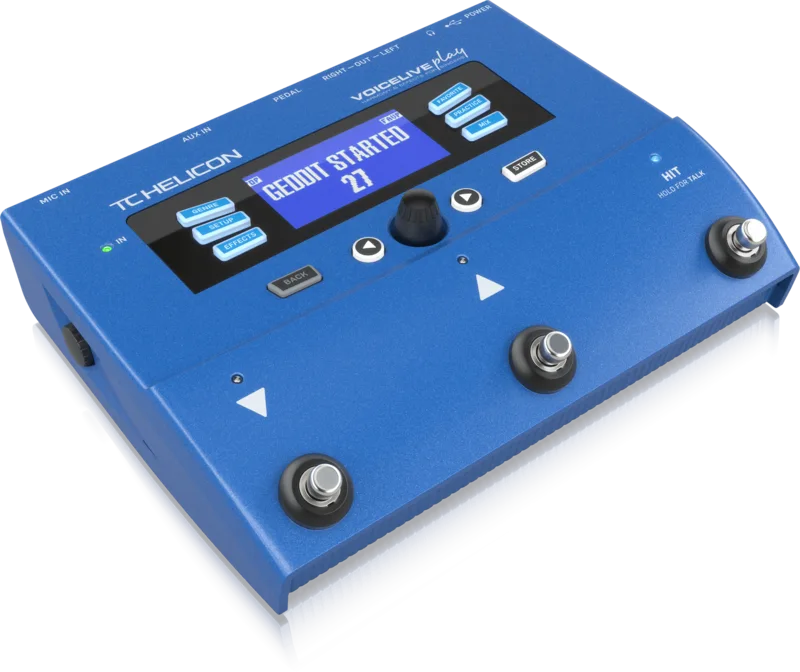
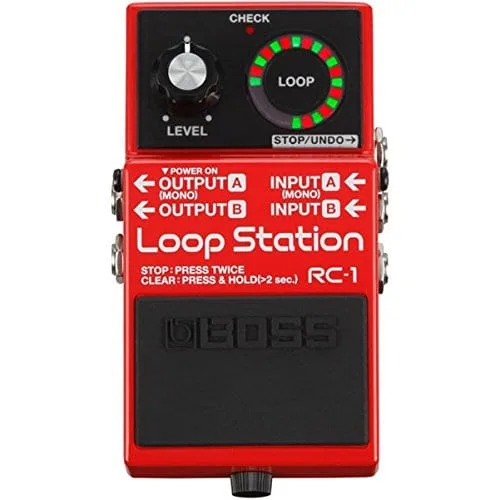
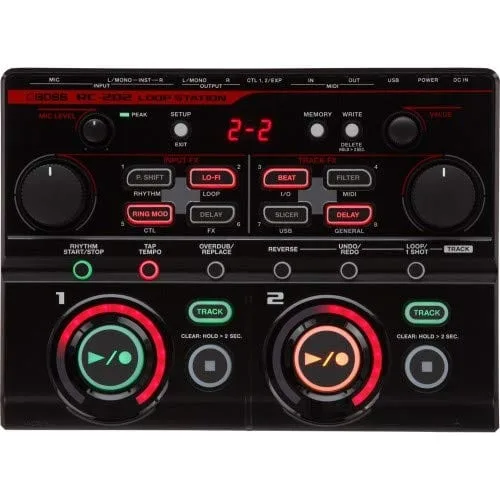
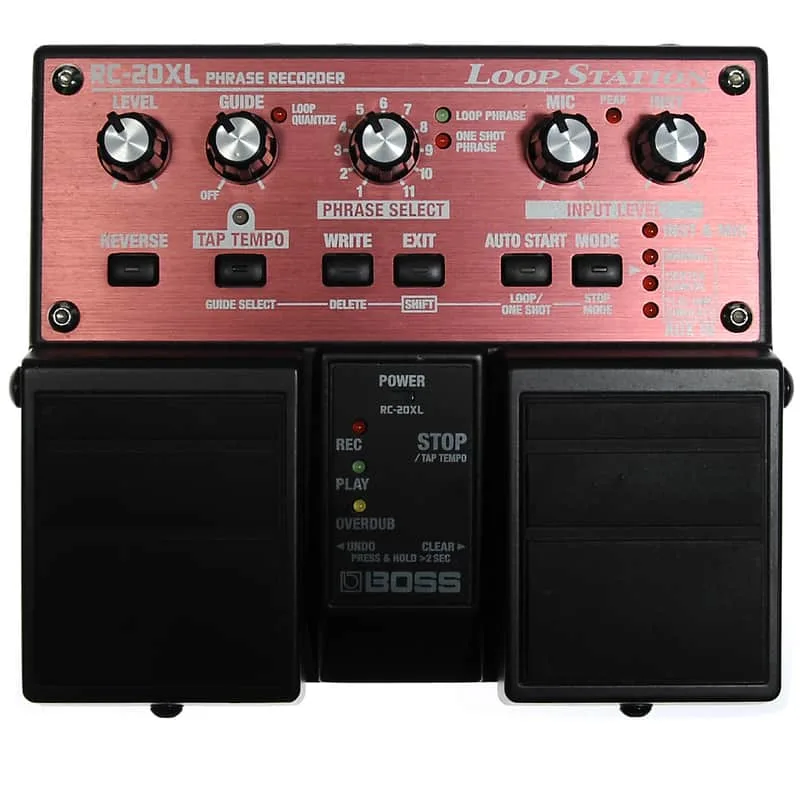
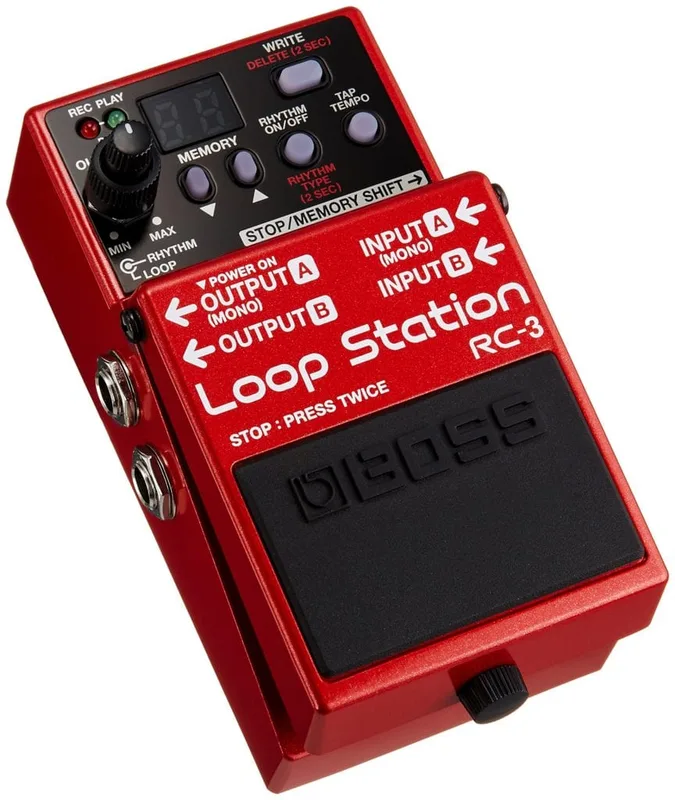
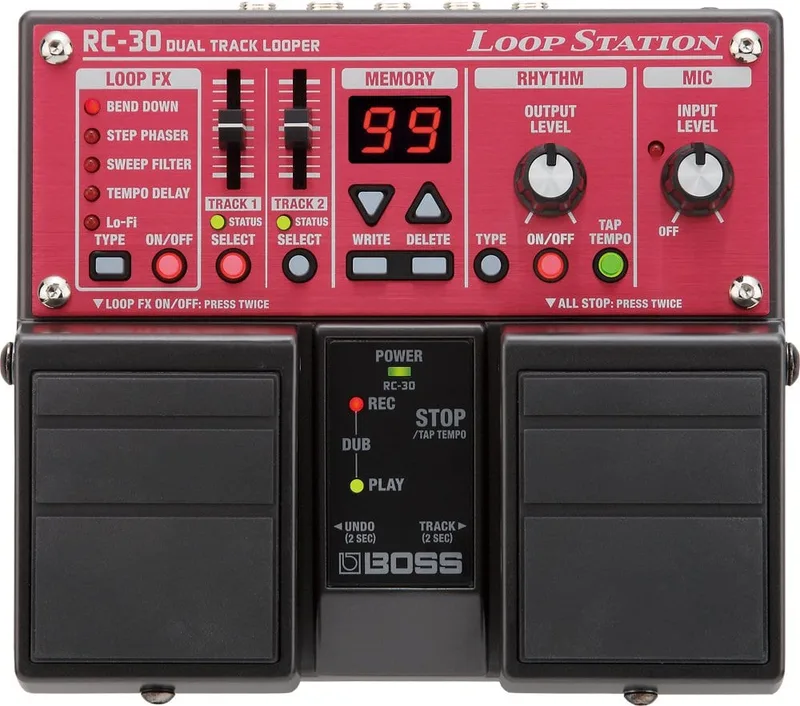
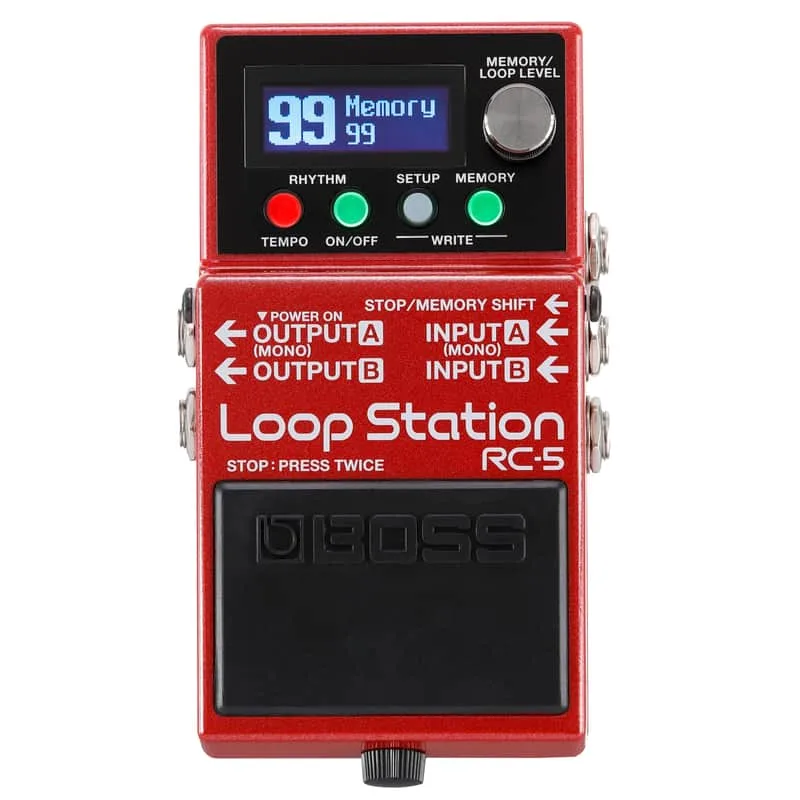
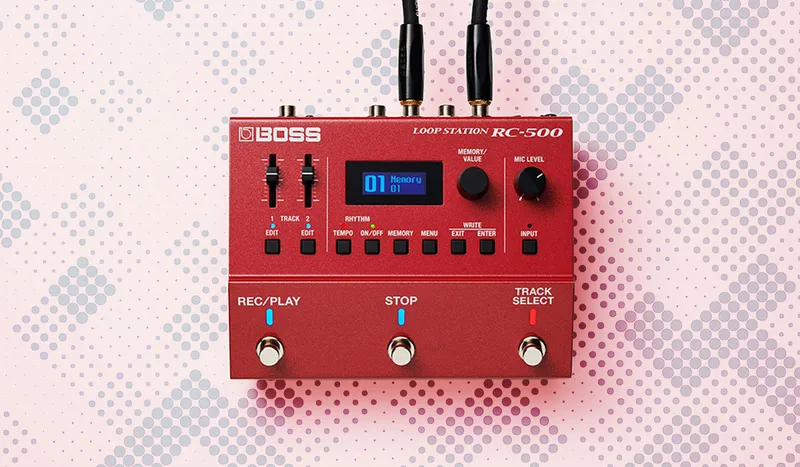
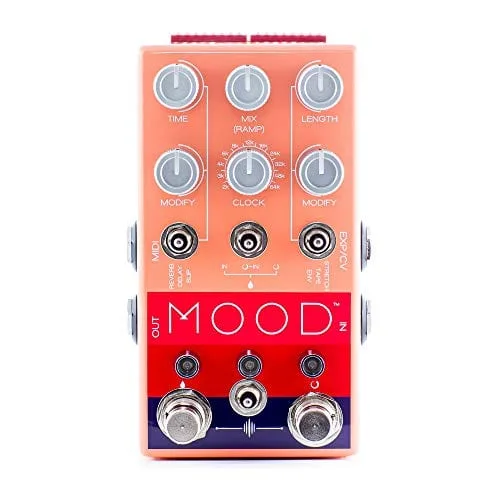
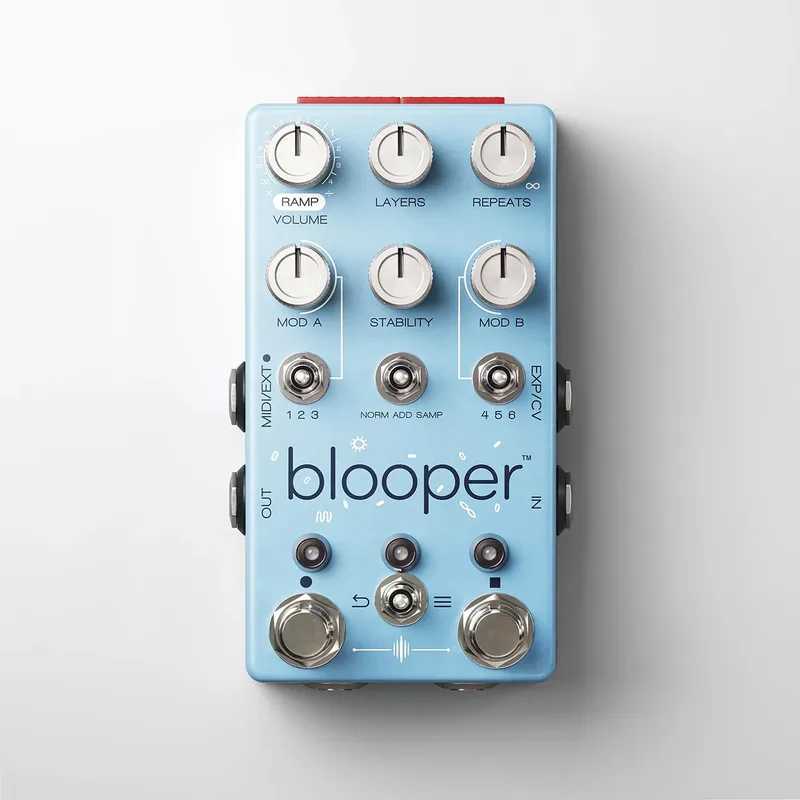
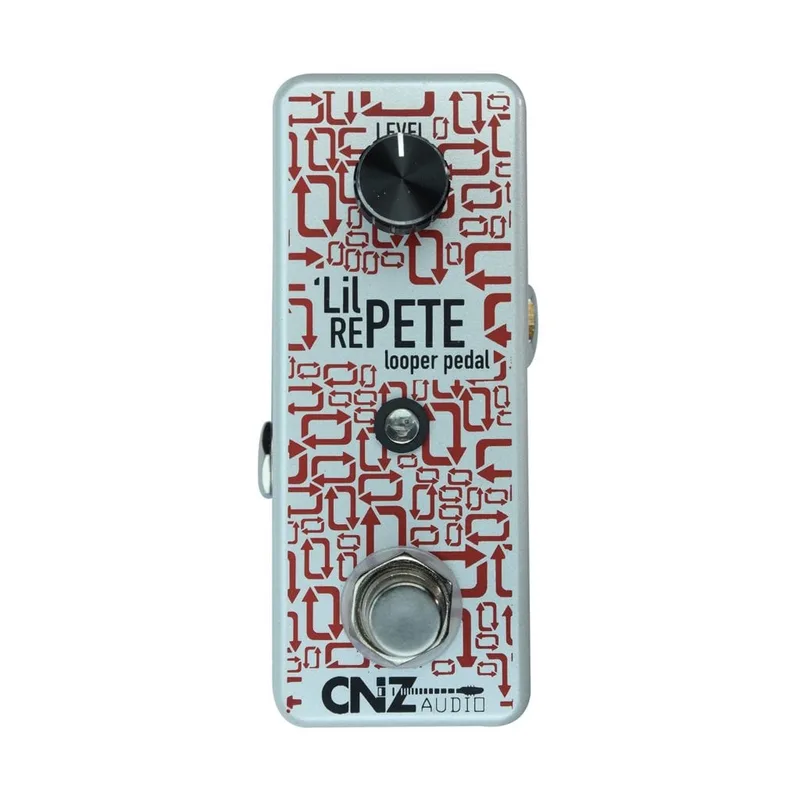
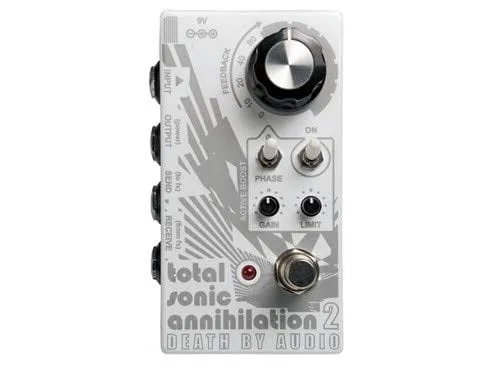

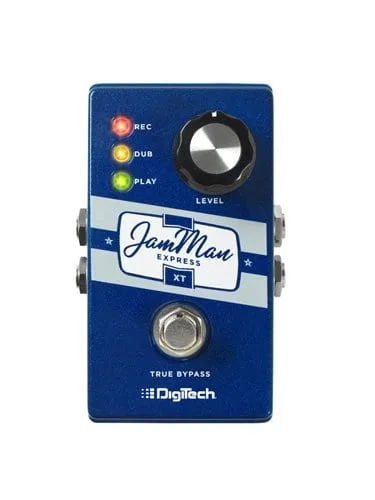
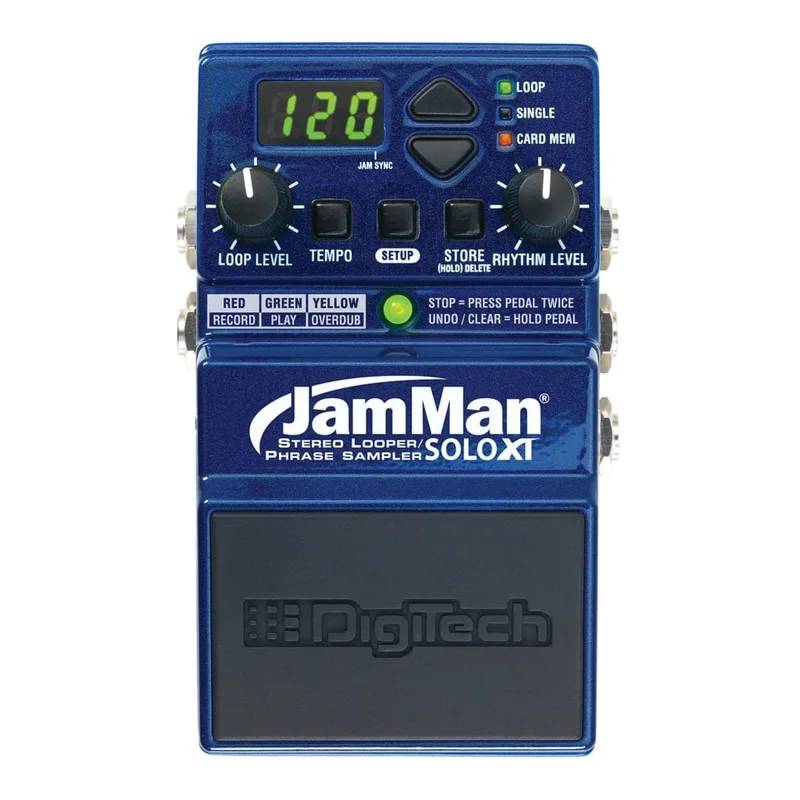
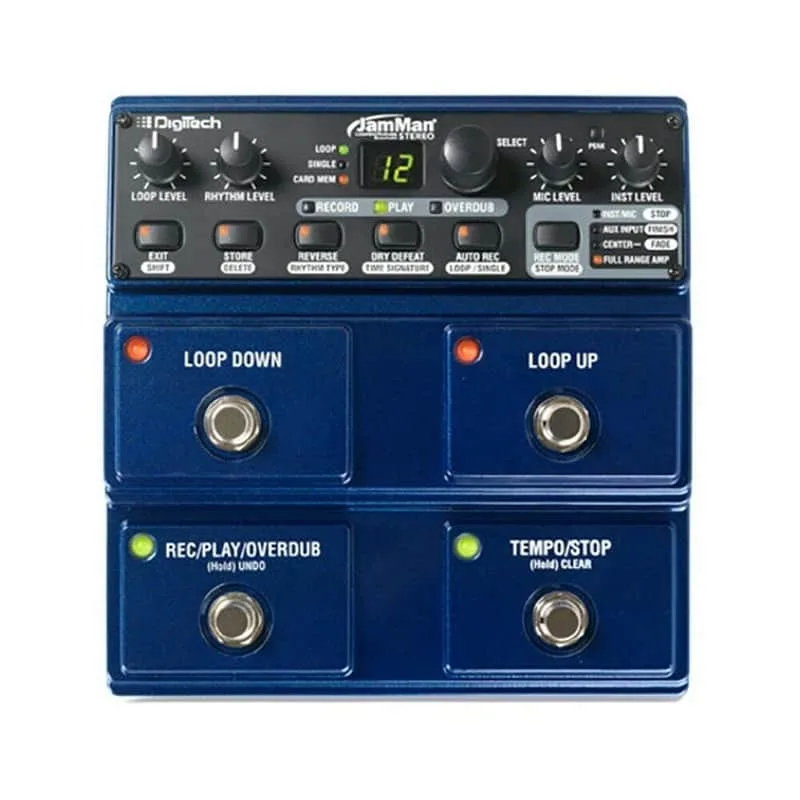
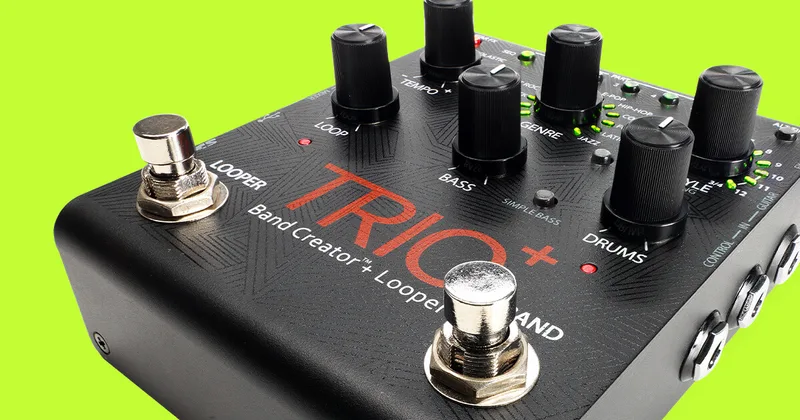
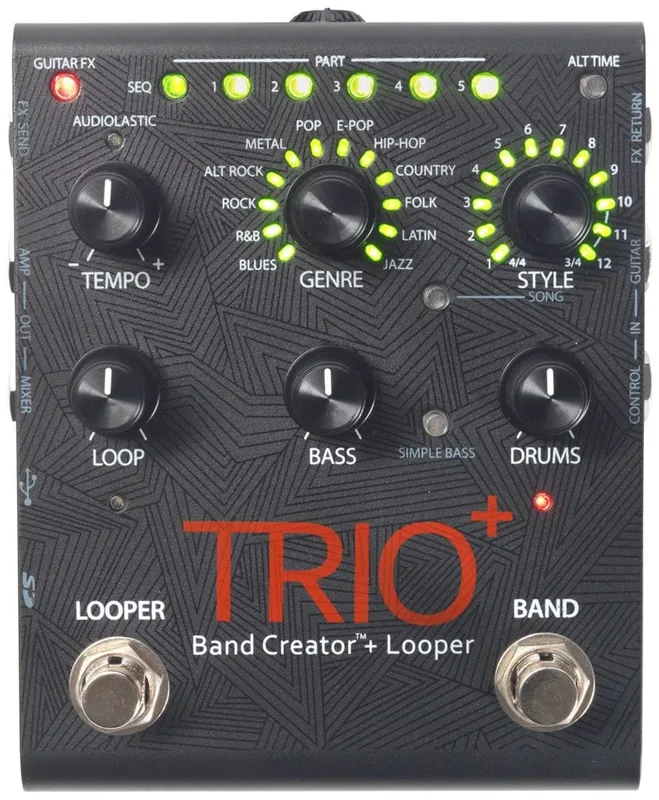
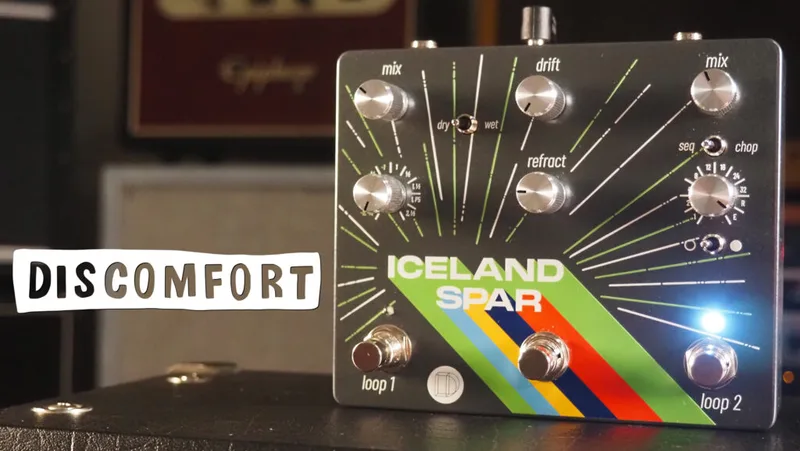
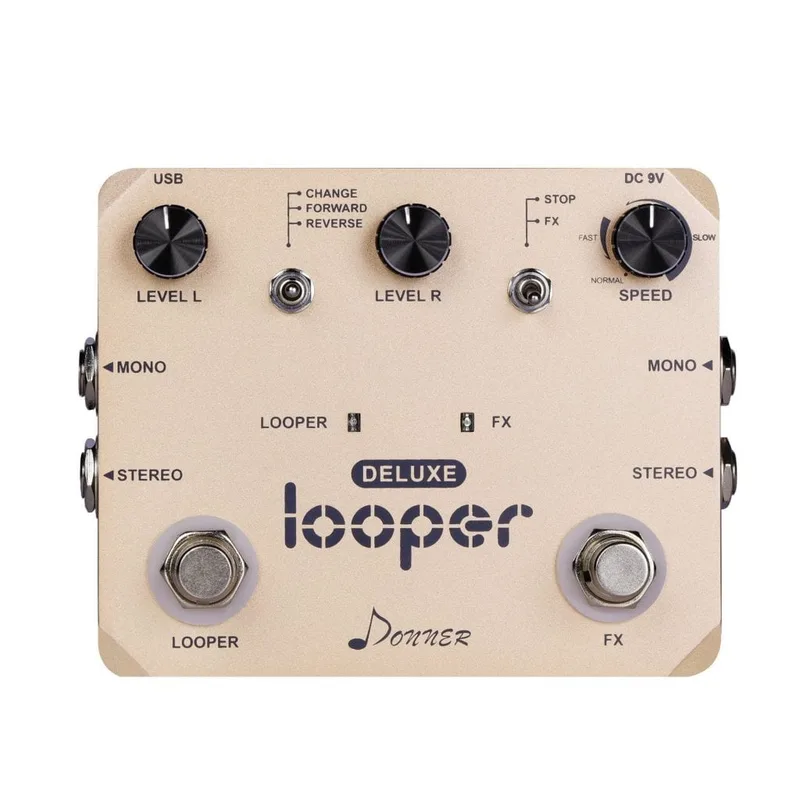
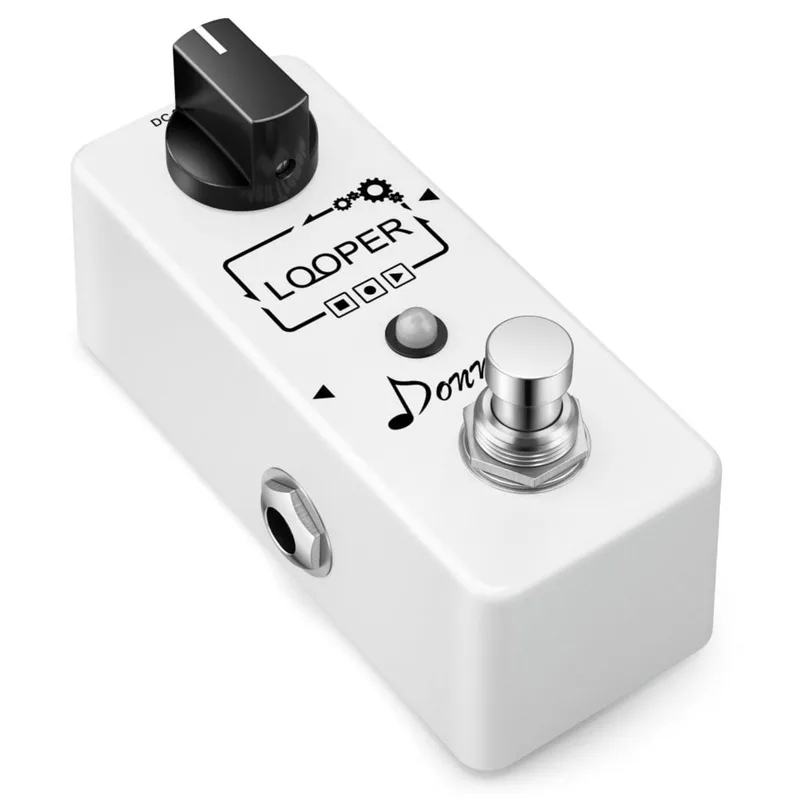
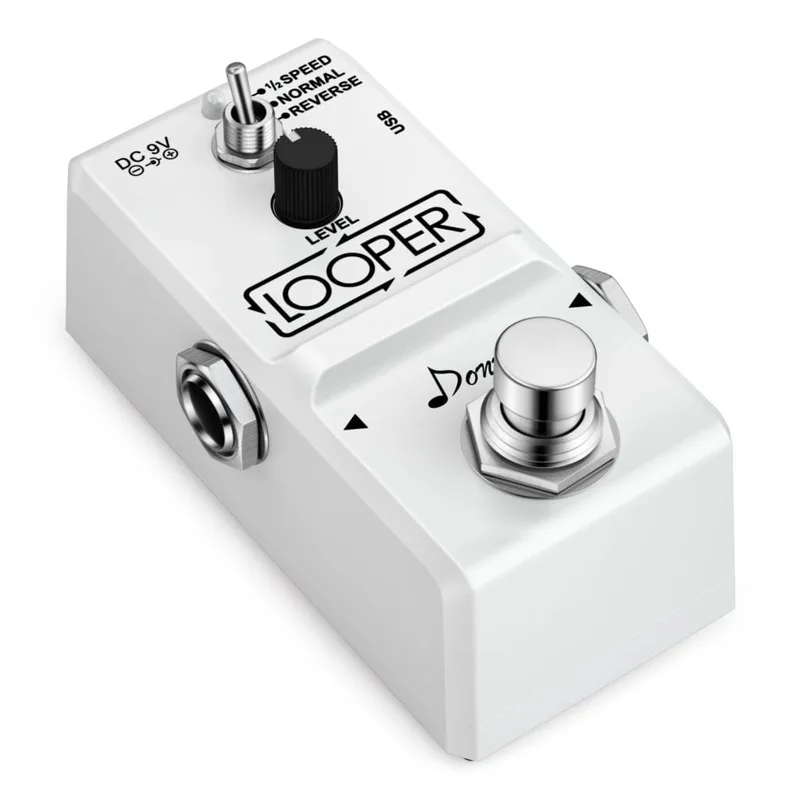
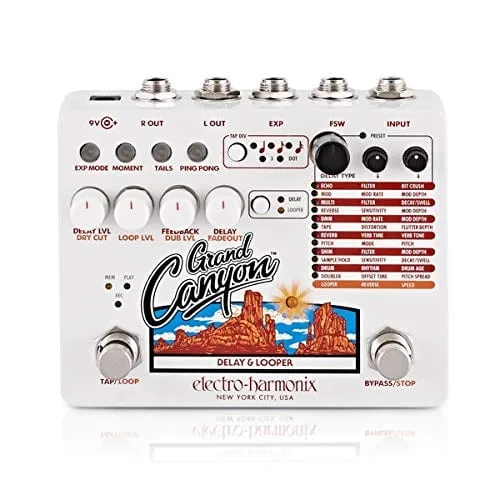
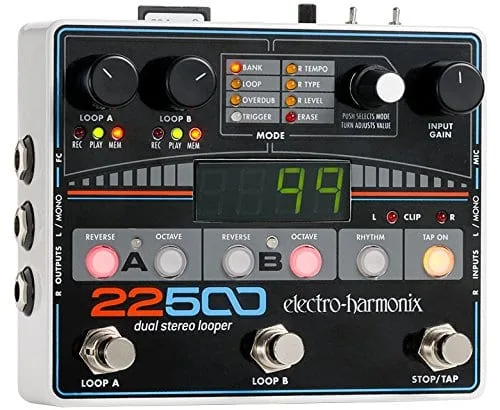
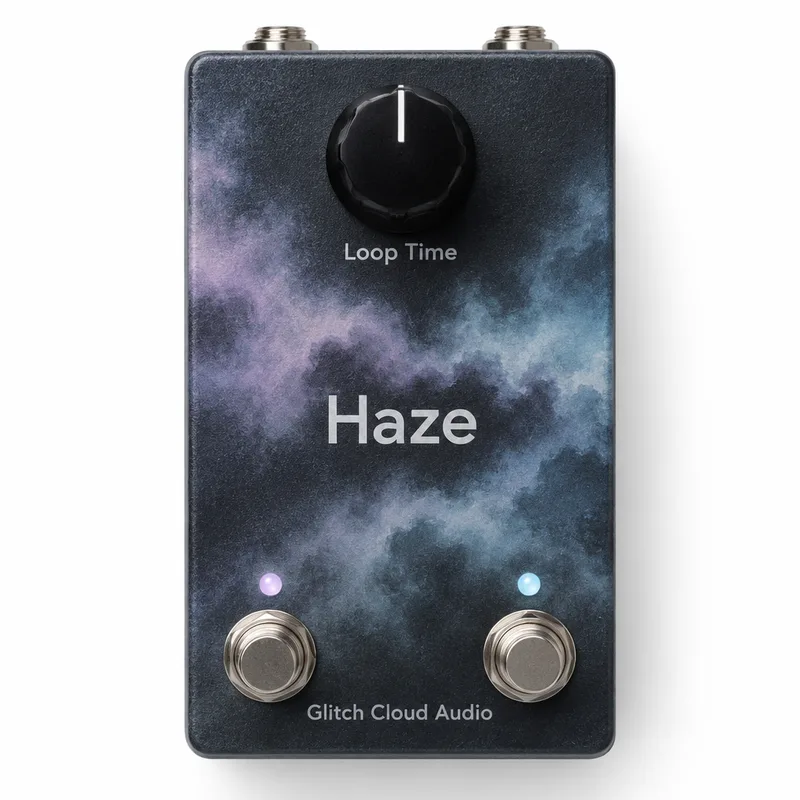
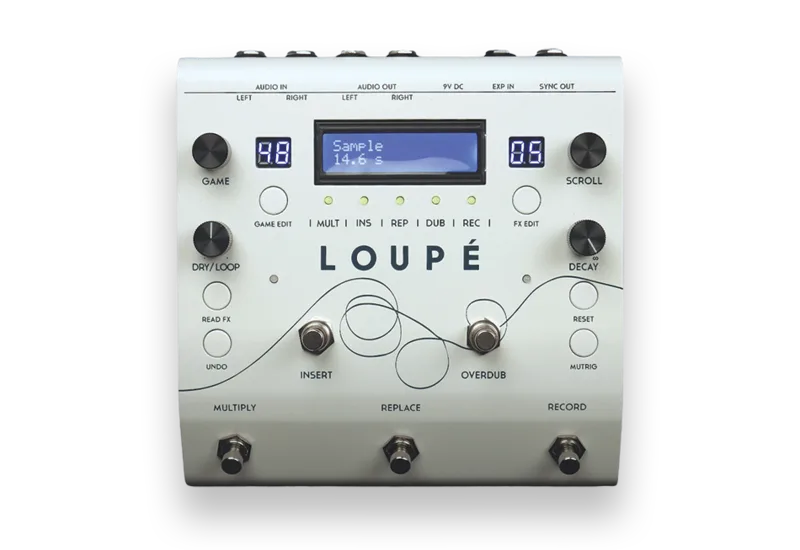
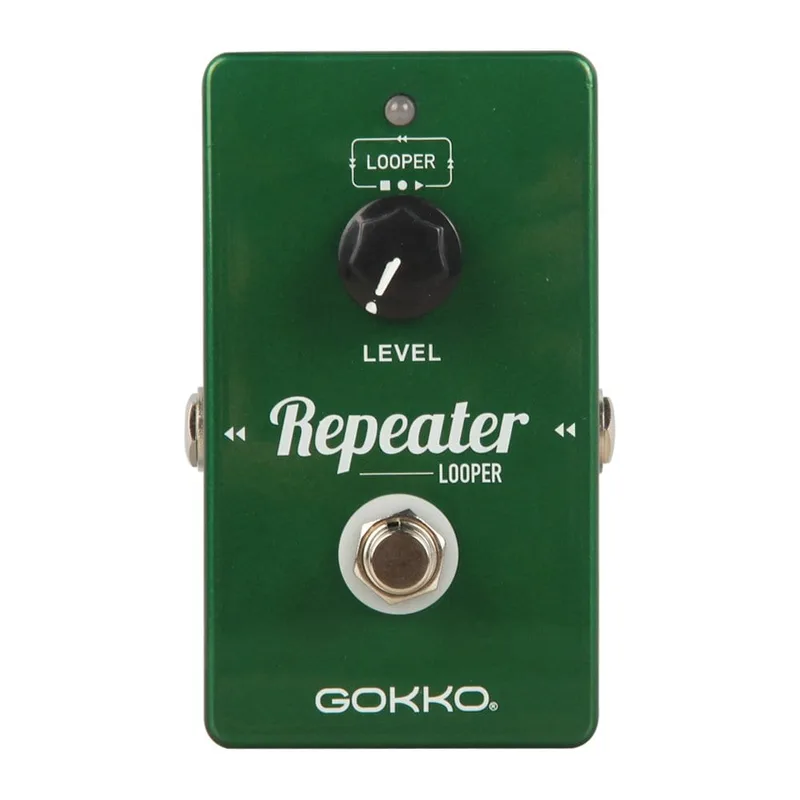
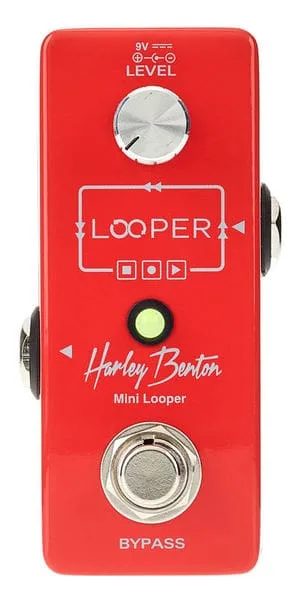
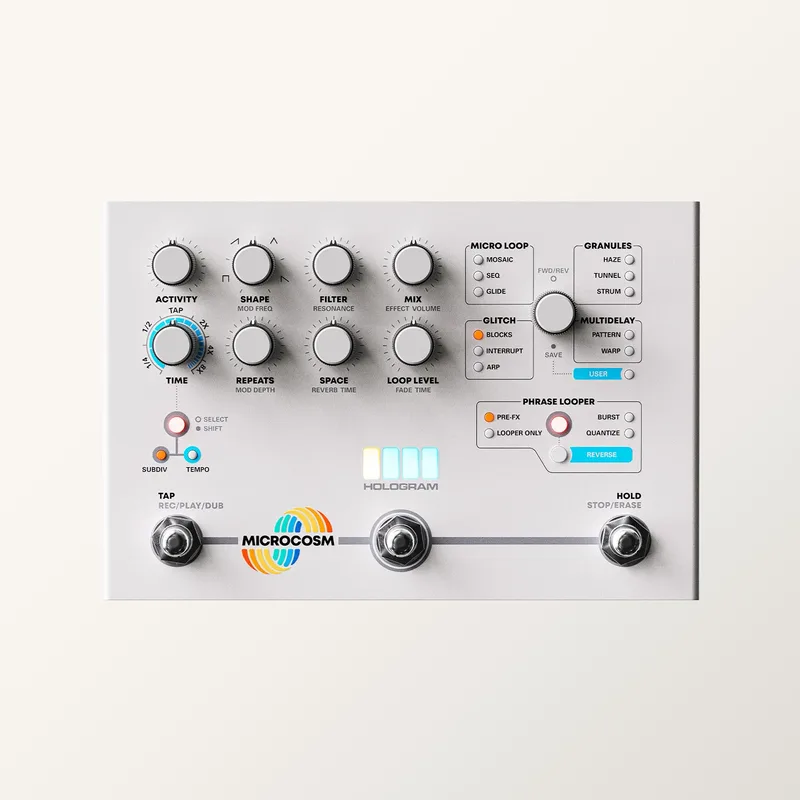
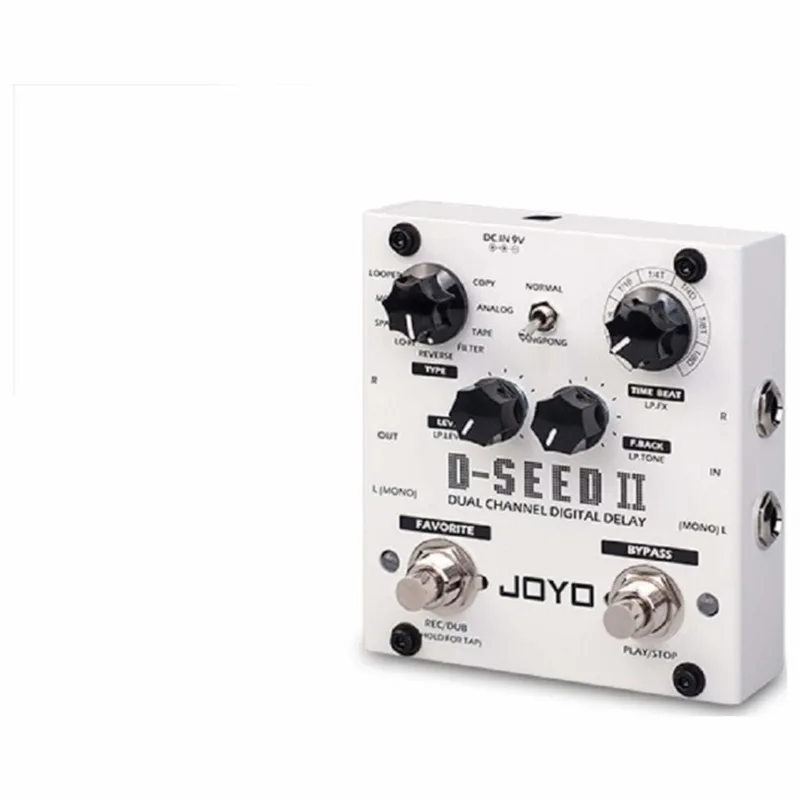
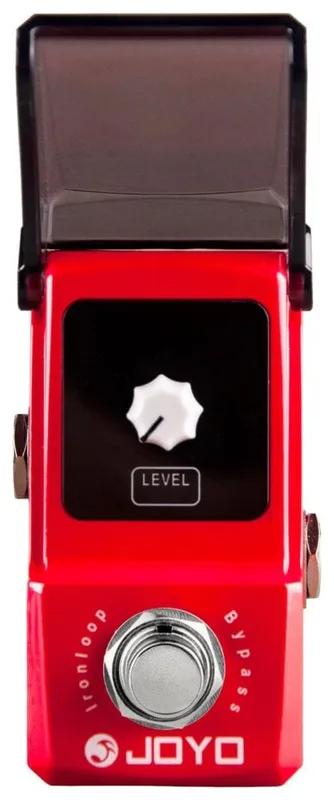
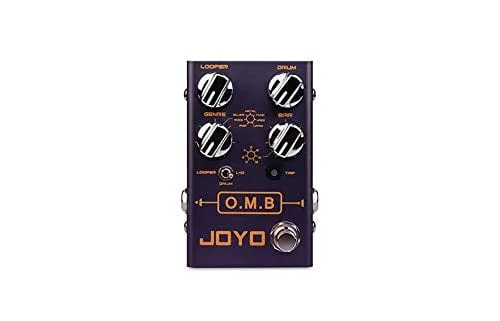
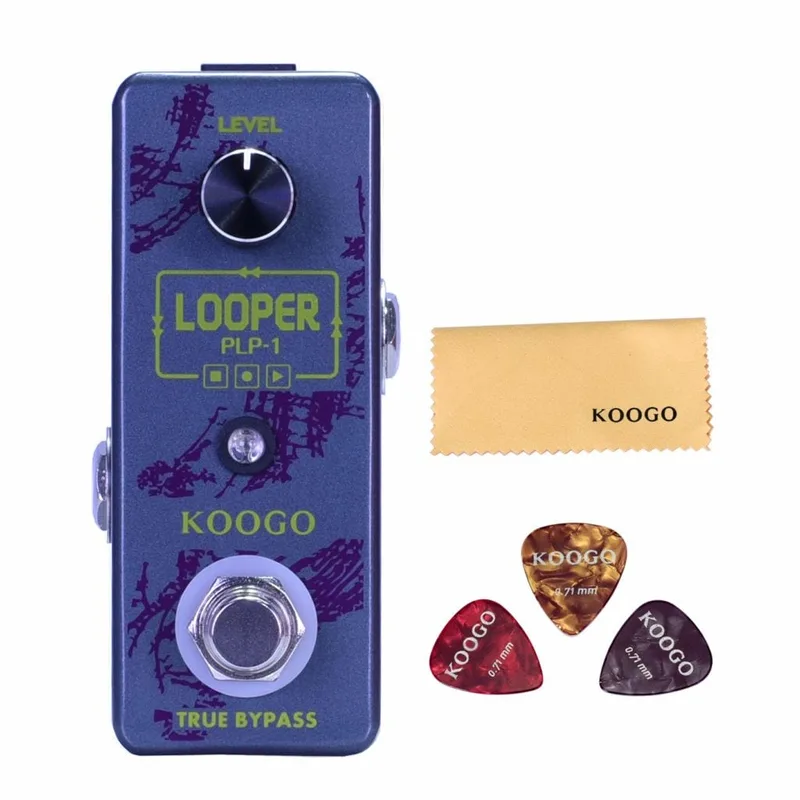
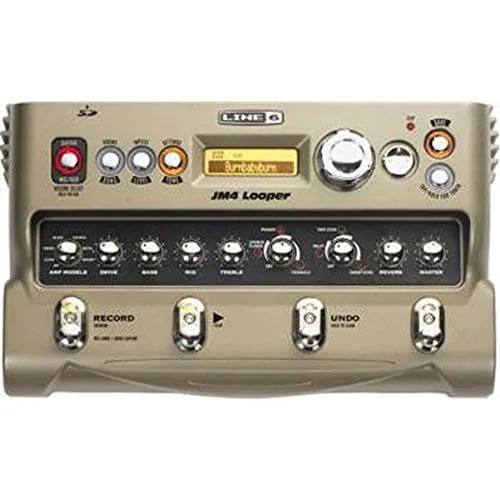
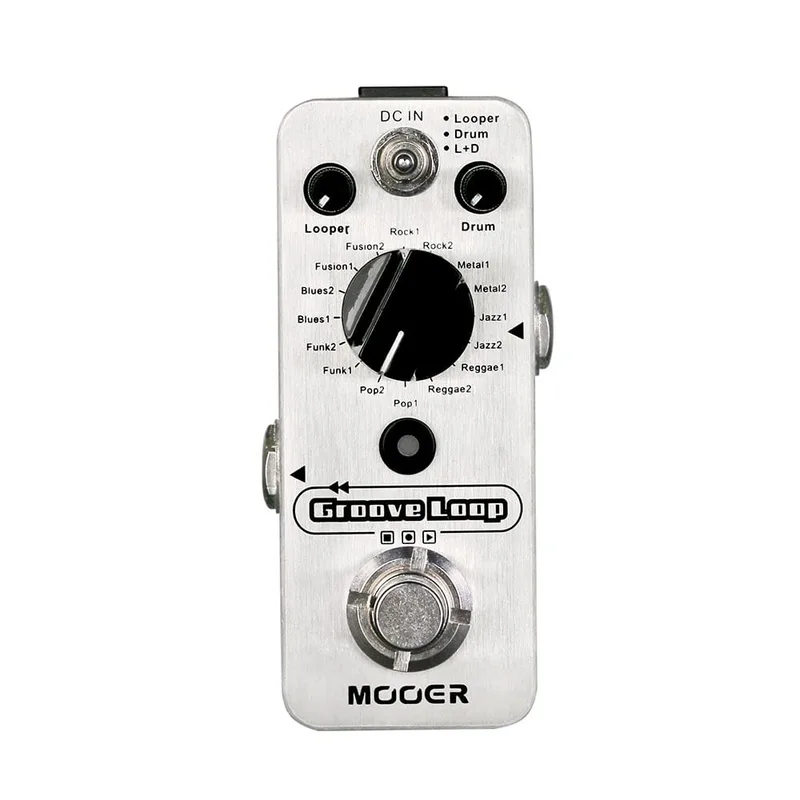
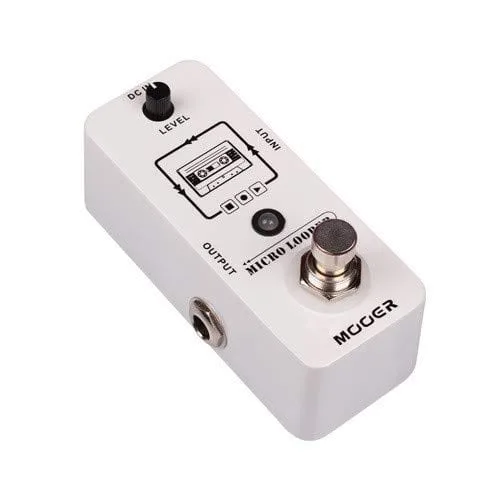
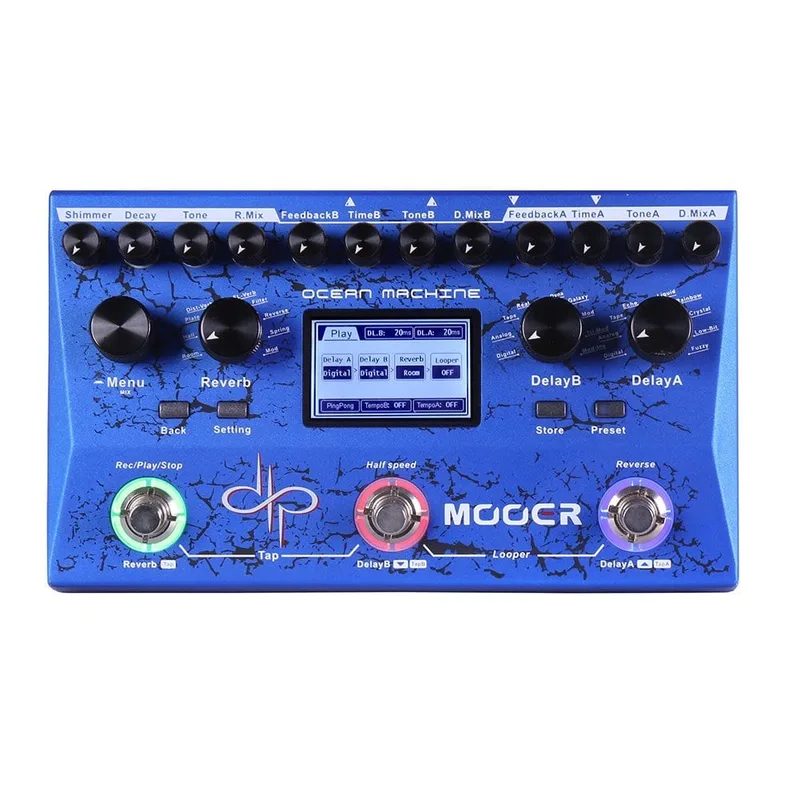
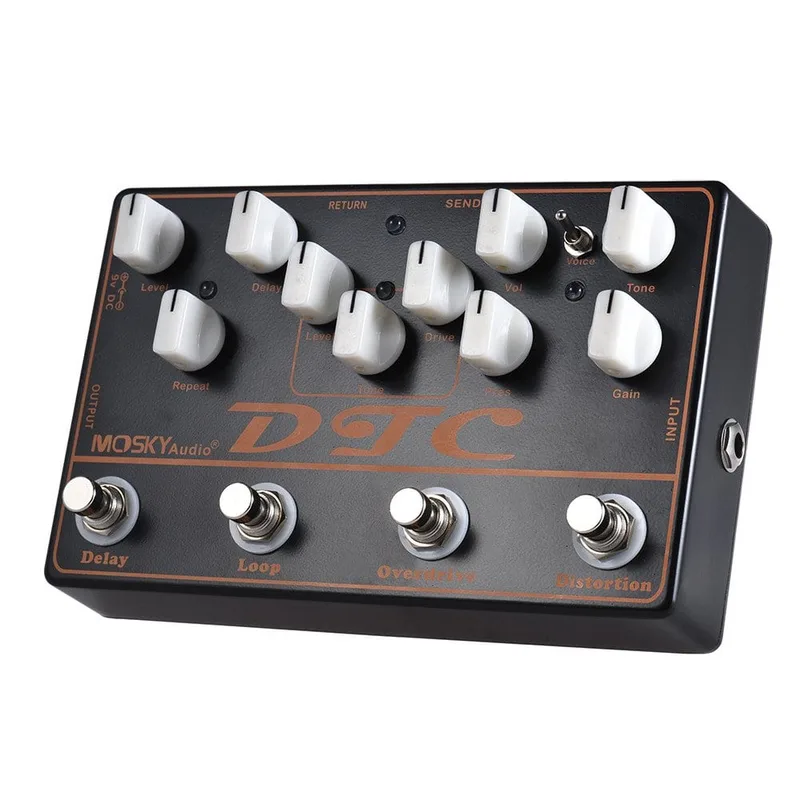
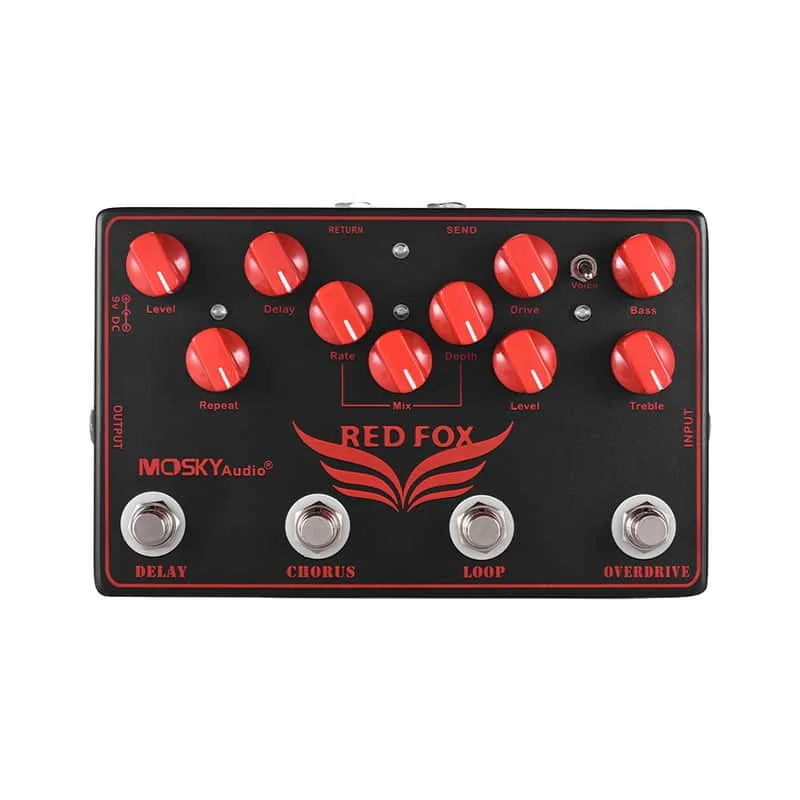
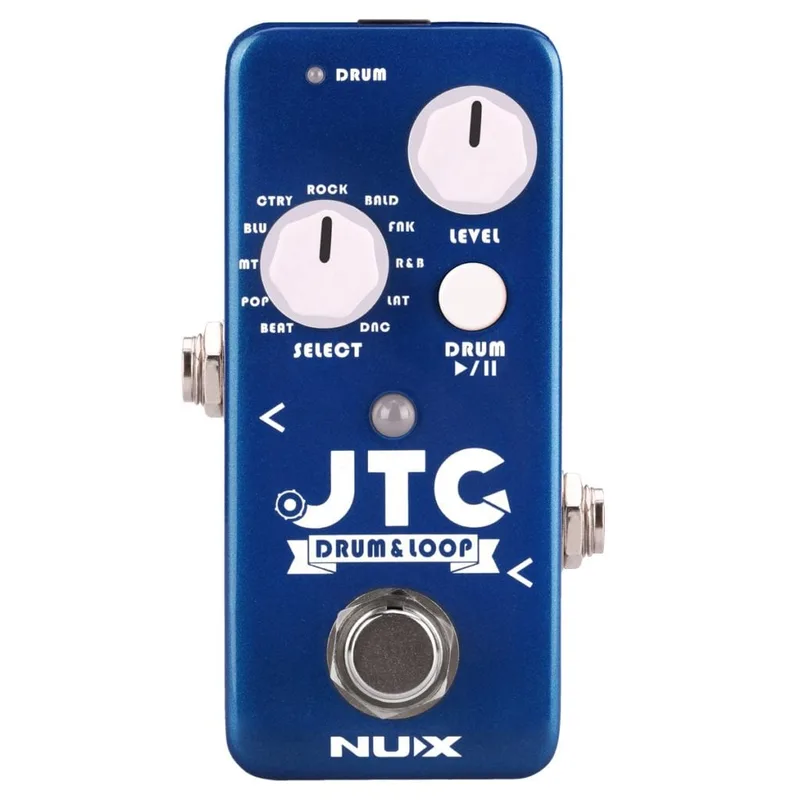
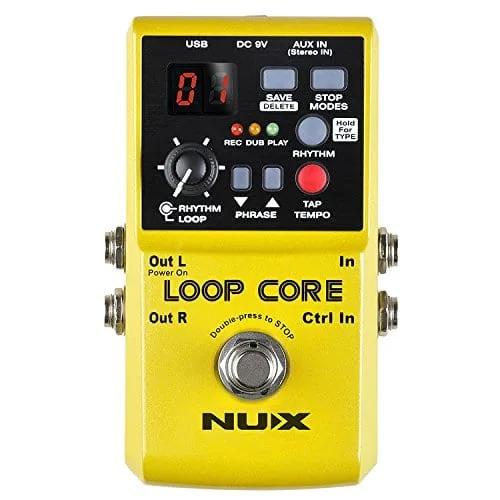
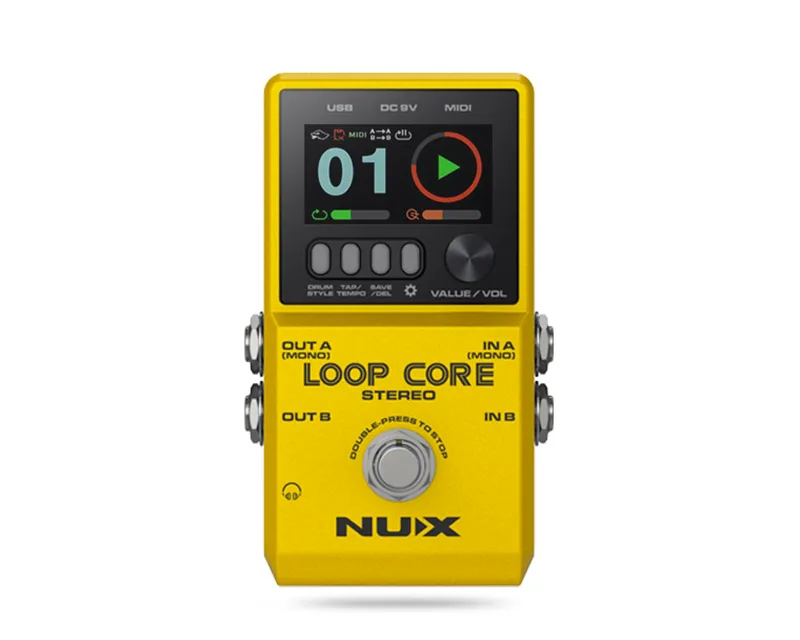
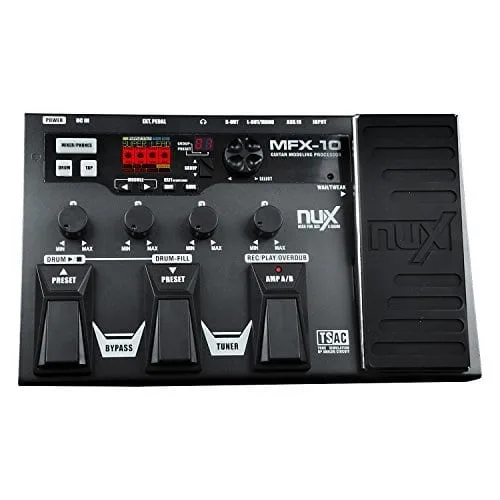
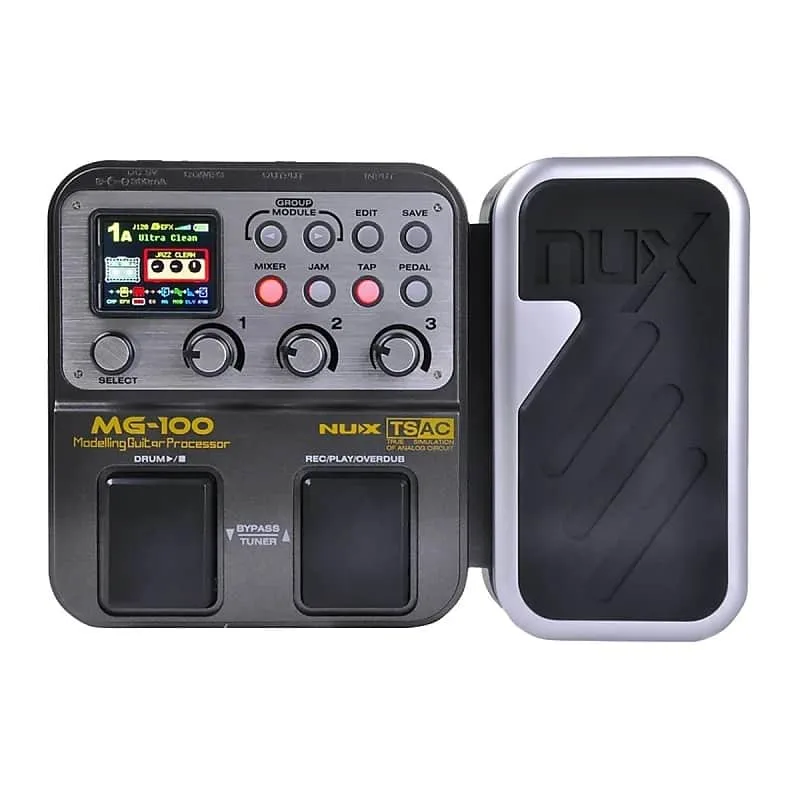
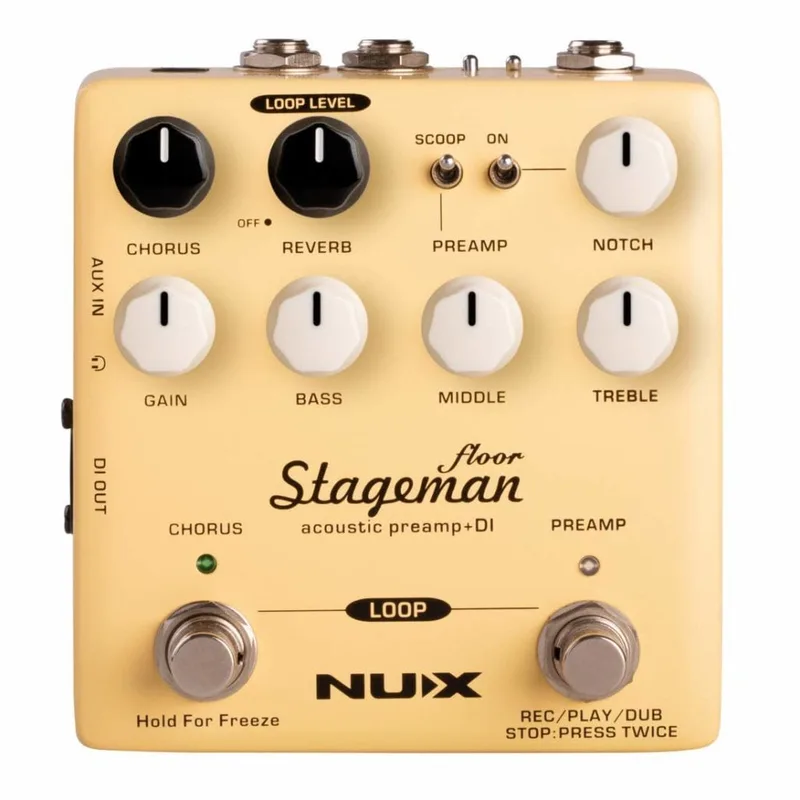
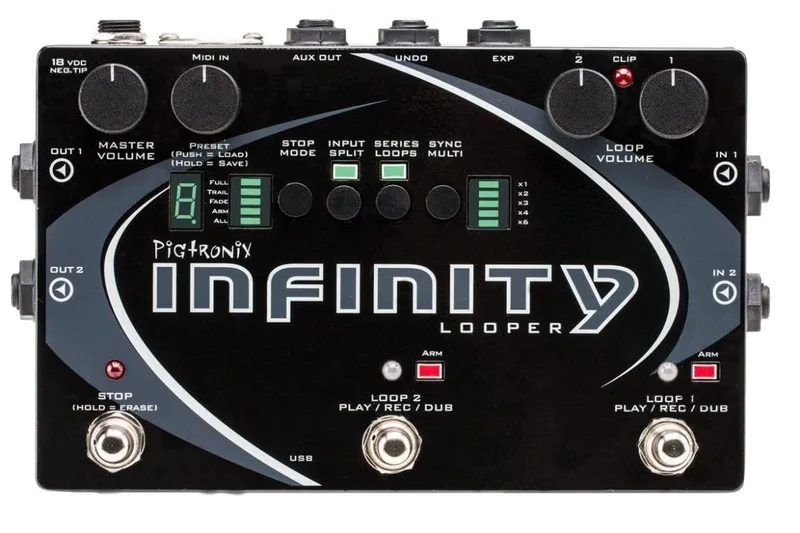
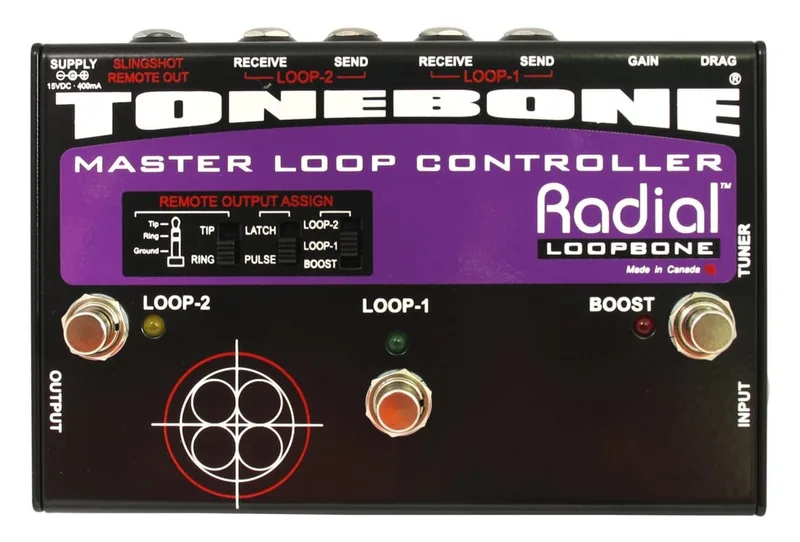
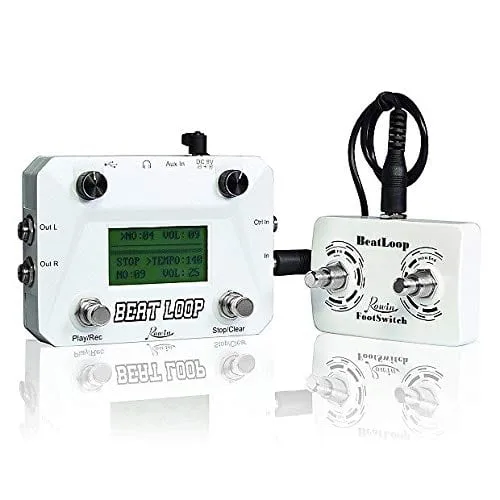
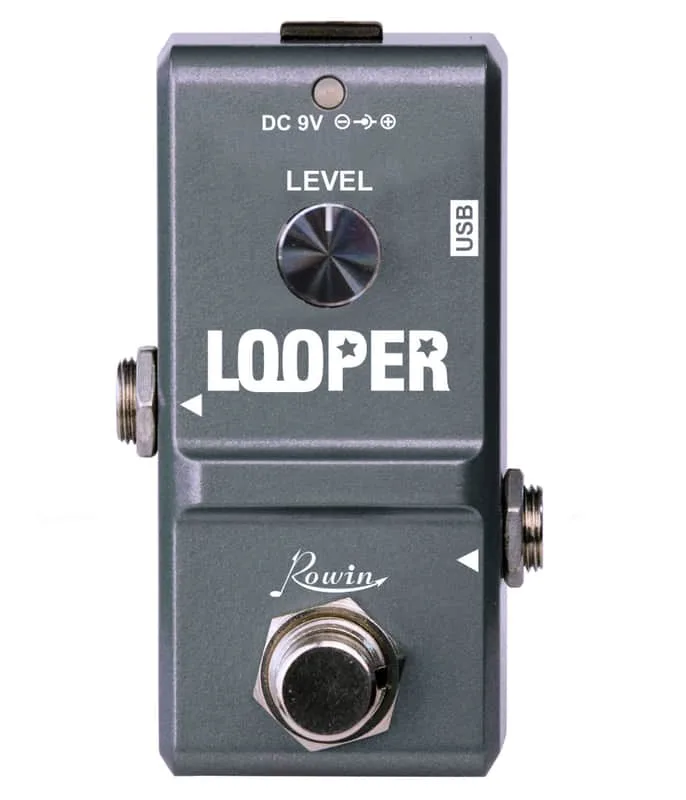
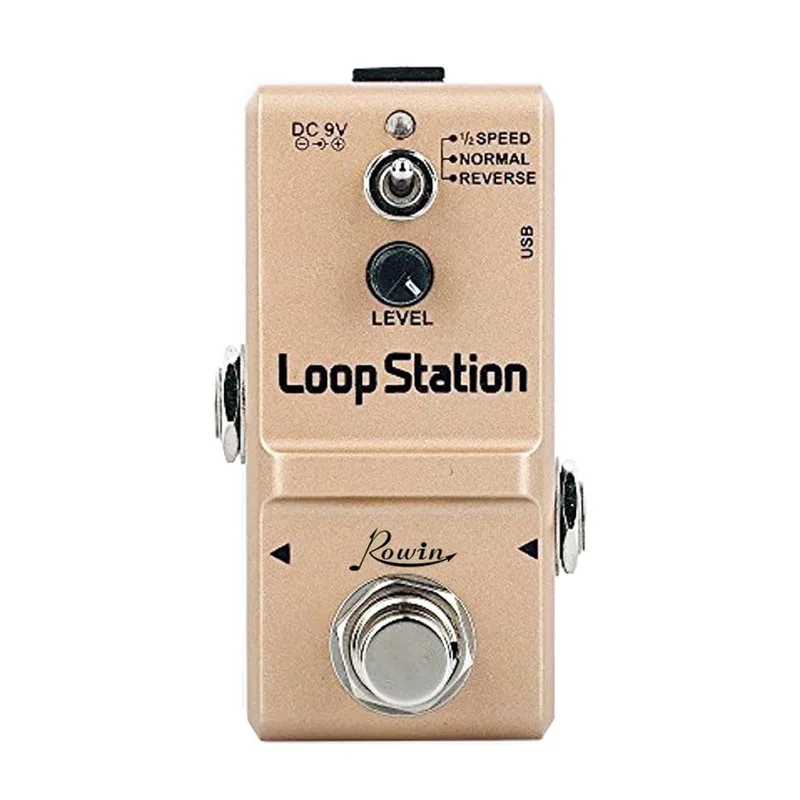
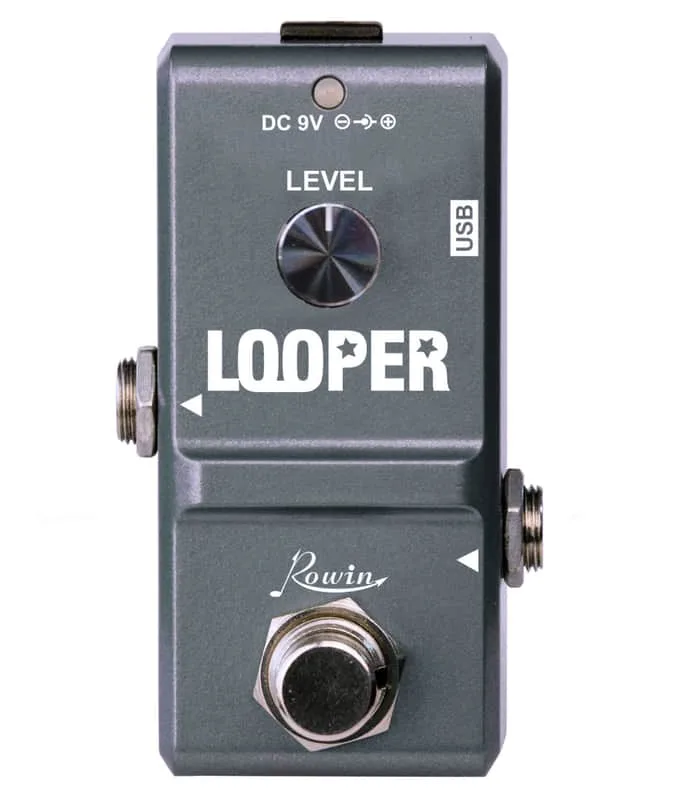
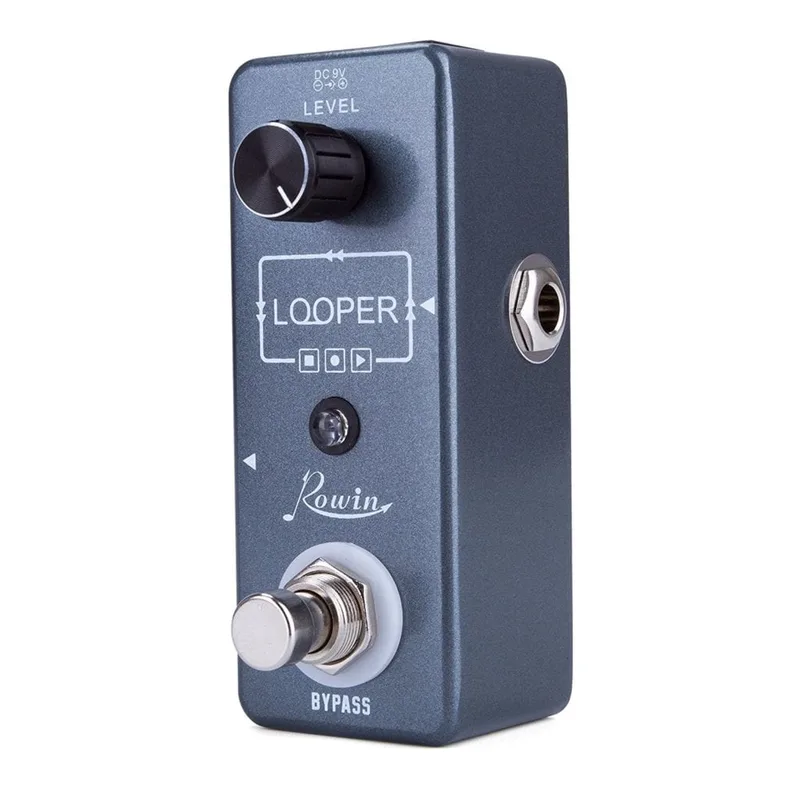
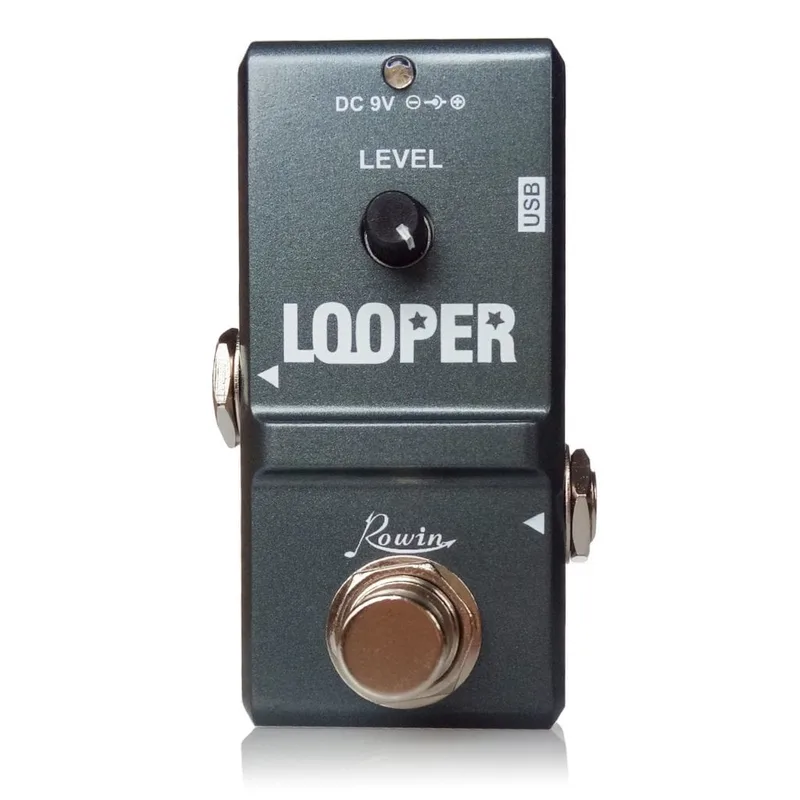
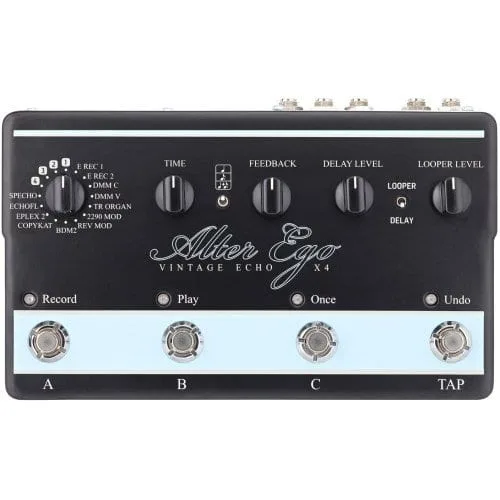
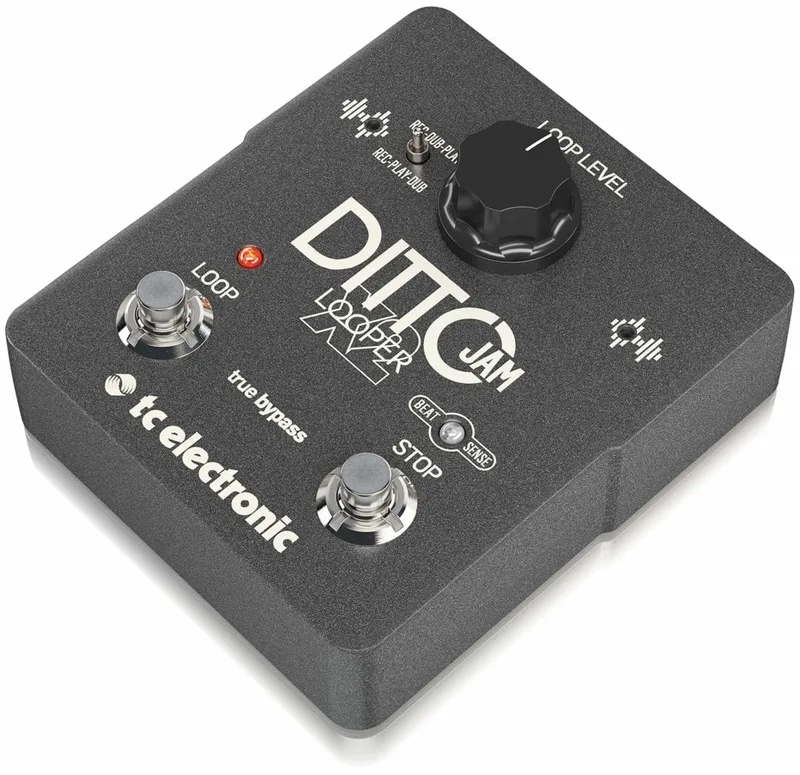
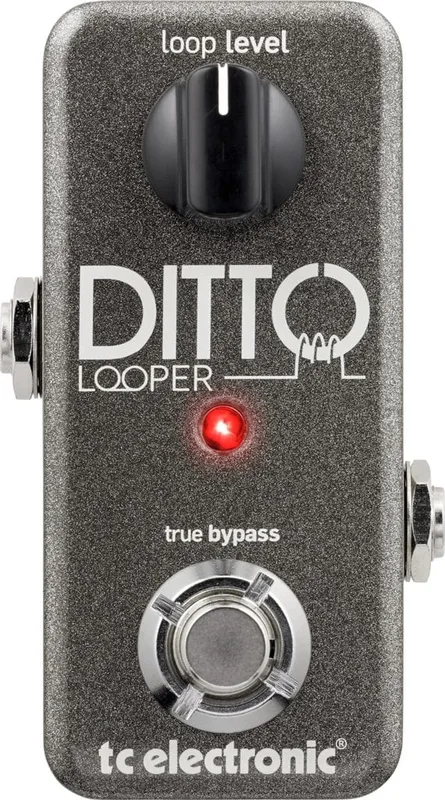
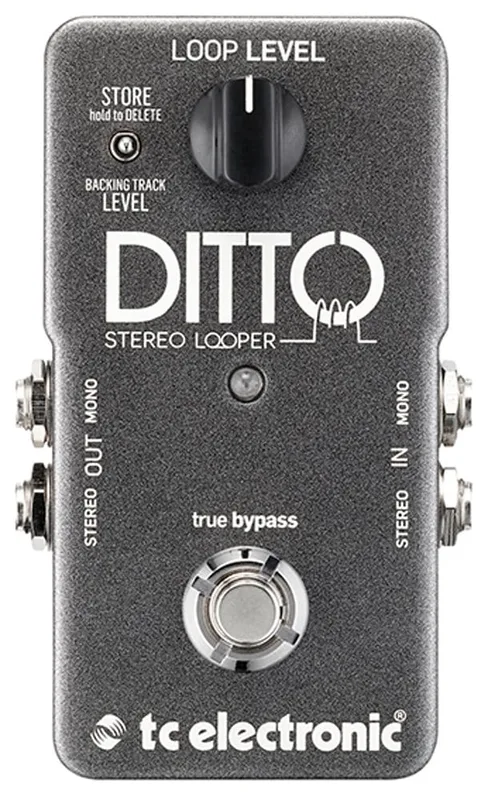
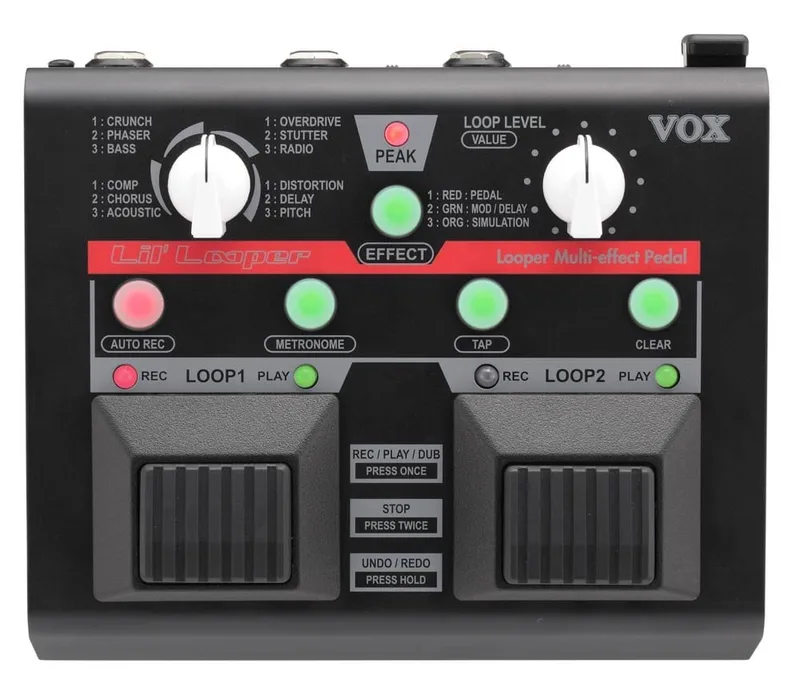
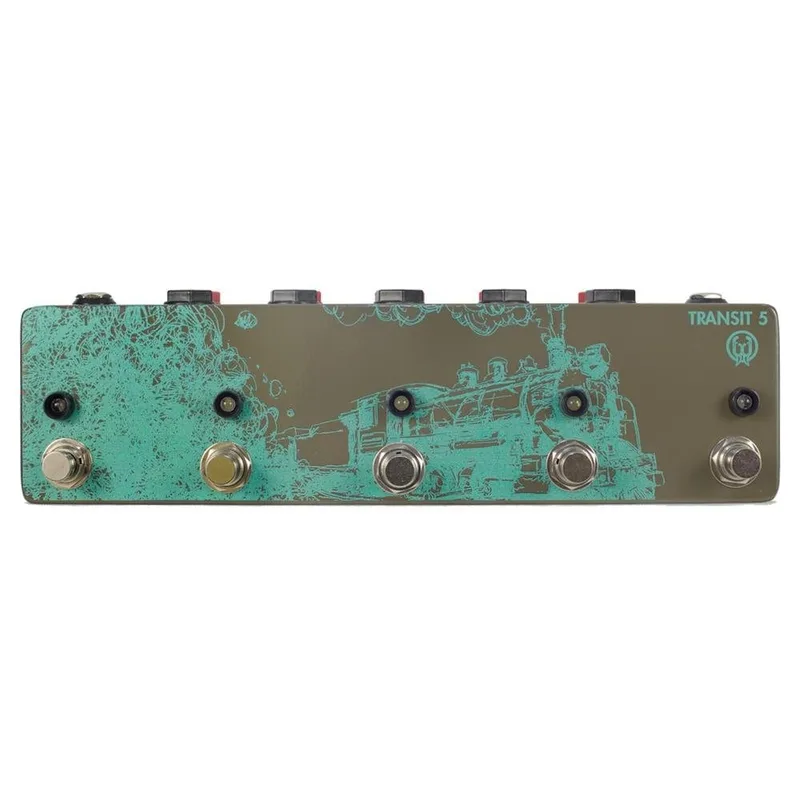
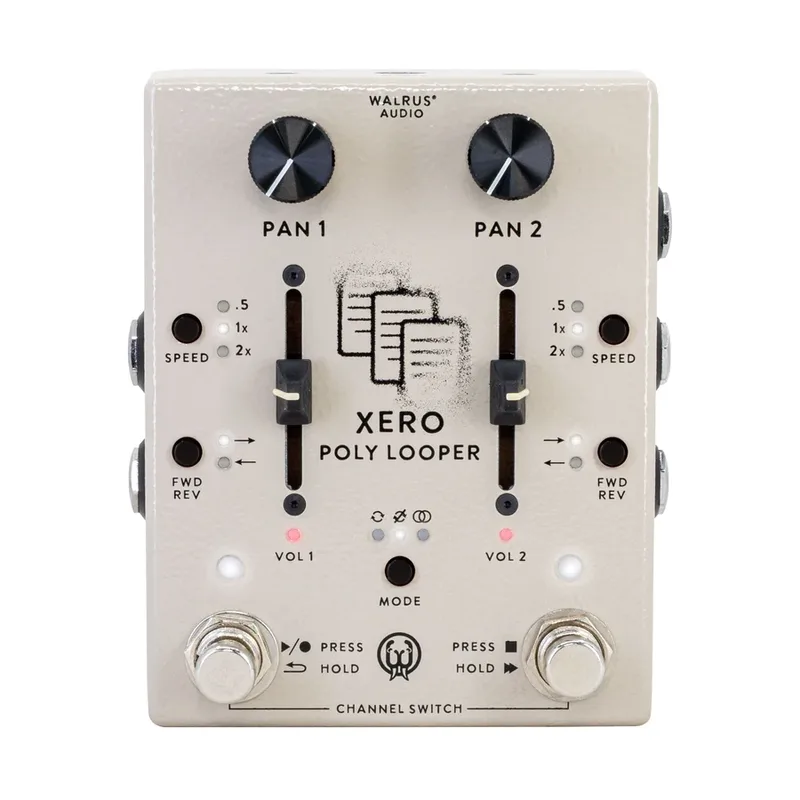
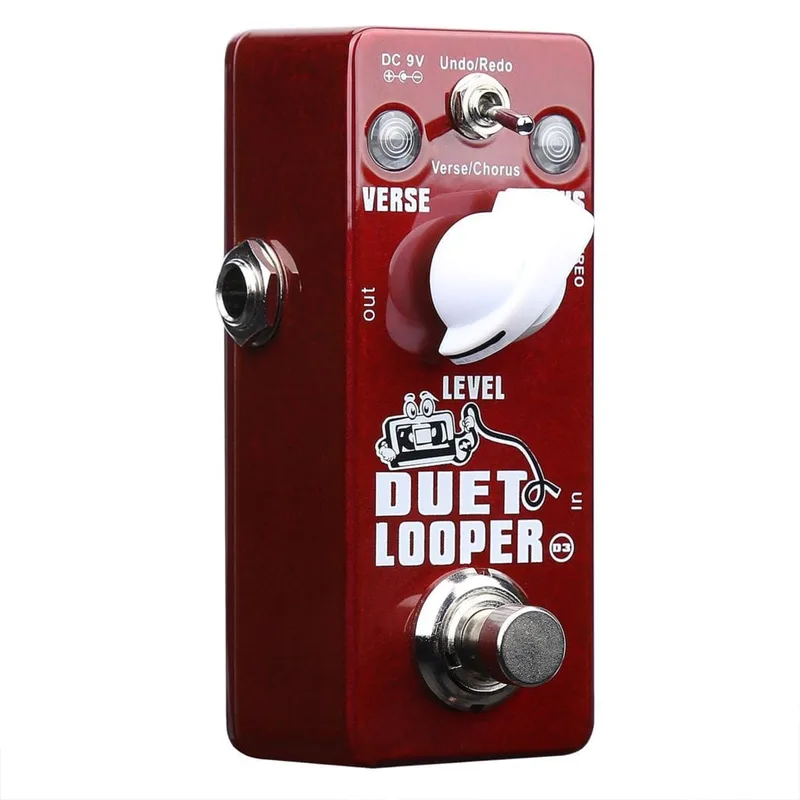
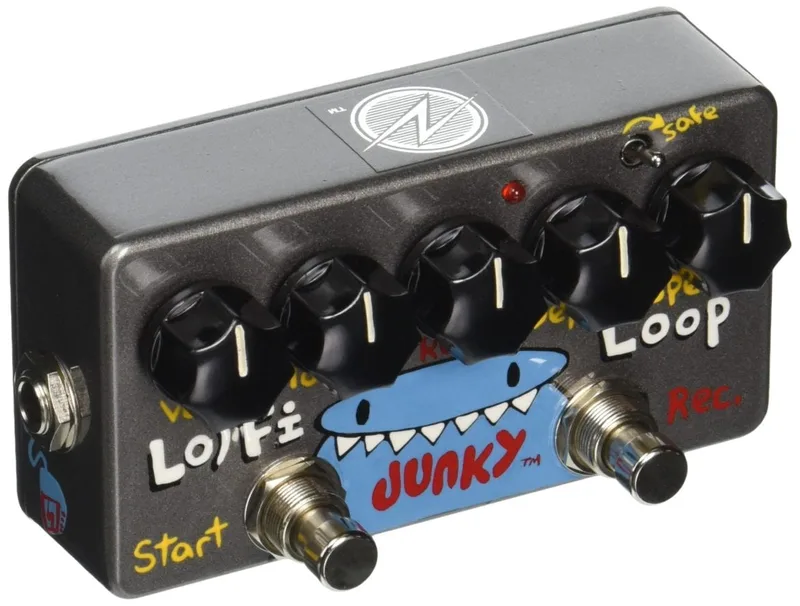
A looping pedal, usually just called a looper, records a phrase of your playing and then plays it back on repeat while you keep playing over it. Boss's guide for electric guitarists describes it as a pedal that lets you "record, layer, manipulate, and loop sounds in real time with a footswitch," and notes that it works for acoustic guitarists, beatboxers, and vocalists too1. In practice that means you can lay down a chord progression, loop it, and then solo over the top, or build a full arrangement one layer at a time entirely on your own.
Boss's Henry Yates makes a useful framing point: loopers like the RC Loop Station series are "real-time multi-tracking devices rather than mere effects"2. A looper does not color your tone the way an overdrive or a reverb does. It captures your signal, stores it, and hands it back, and everything else about the experience comes from what you play into it.
What a looper pedal does
The basic job is simple. You step on a footswitch, play a phrase, step again, and the phrase repeats. You then play over it, and each pass you make can be added as another layer, an overdub, on top of the ones before. Boss describes the core function as recording, playback, and layering3. Advanced loopers add undo and redo functions, tempo syncing, and visual indicators that help you time the start and end of a loop precisely3.
Because a looper repeats whatever you feed it, it is not limited to guitar. Boss's acoustic guitar guide covers the same record, layer, and manipulate workflow for acoustic players1, and its bass guide describes how solo bassists and live performers like Victor Wooten use loop pedals to build grooves, add melodies, and create soundscapes live9. The MOOER MVP3 Loopation is built explicitly as a loop pedal for voice and instruments, designed for musicians creating seamless loops with vocals as well as guitars6.
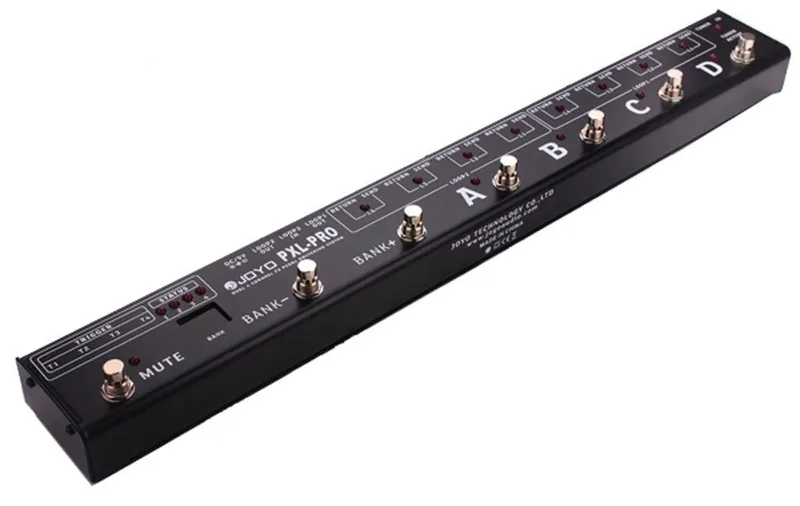
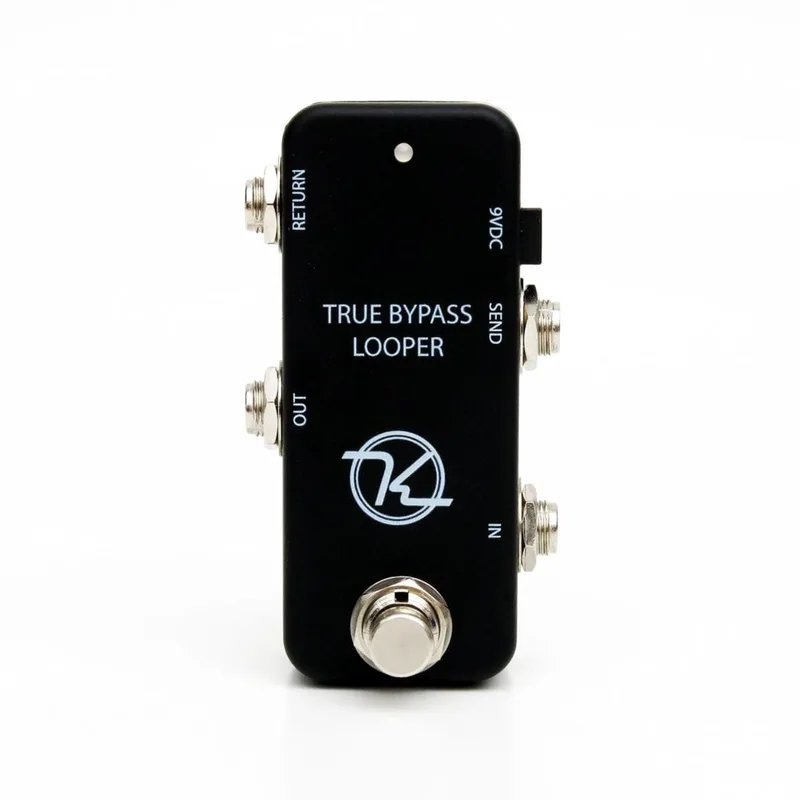
One thing to be clear about early: on this site, "looper" covers two different families of pedal that share a name. This page is about phrase loopers, the recording kind. There is also a whole category of true bypass loopers and loop switchers, which are signal-routing pedals that switch other effects in and out of your chain and record nothing. Bright Onion says it plainly on its Mini Dual AB Looper: "this is not a phrase or sample looper pedal where you can record your guitar and then play over the loops"10. Those switching pedals are covered on the switching pedals page, and they come up below only where the two worlds overlap.
How a looper records and plays back
Every phrase looper follows the same basic cycle, though the exact footswitch choreography differs from model to model:
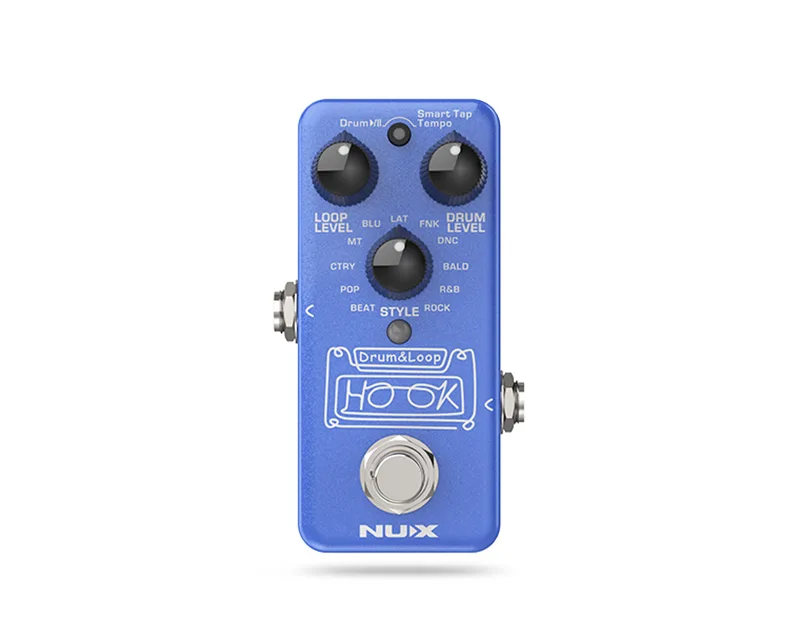
- Record. Press the switch and play. The NUX HOOK Drum & Loop describes its Normal Recording mode as behaving "like regular looper pedal, while you press the footswitch, it starts to record immediately"11.
- Close the loop. Press again to stop recording. On the Fishman AFX Broken Record Mini Looper, tapping again "stops recording and immediately start[s] PLAYING the loop and the LED turns green"12.
- Overdub. Play over the repeating loop; what you play is added as a new layer.
- Exit overdub. On the Fishman, another tap exits overdub at the end of the looped audio and the loop returns to plain playback12.
- Stop or clear. Most pedals offer a way to stop playback and erase the loop, often with a long press.
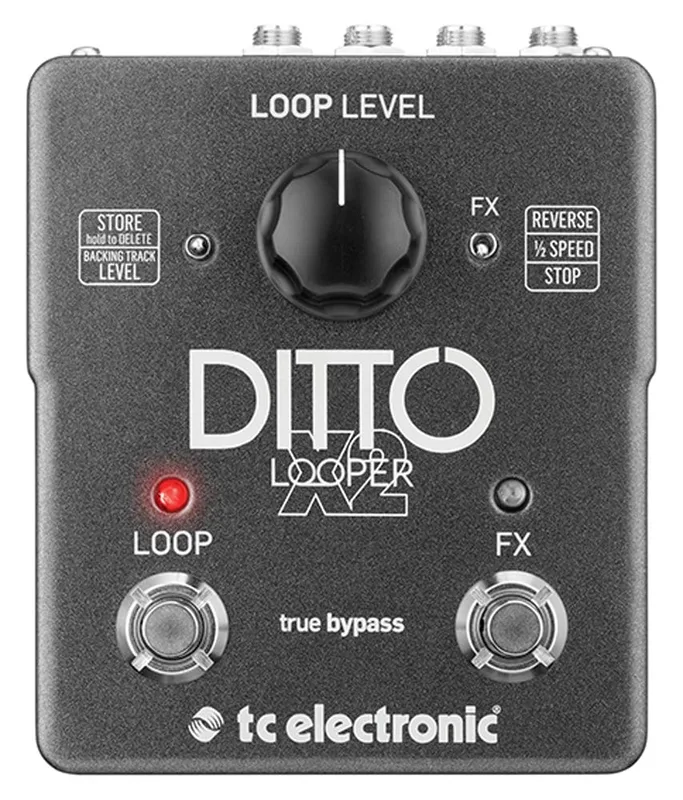
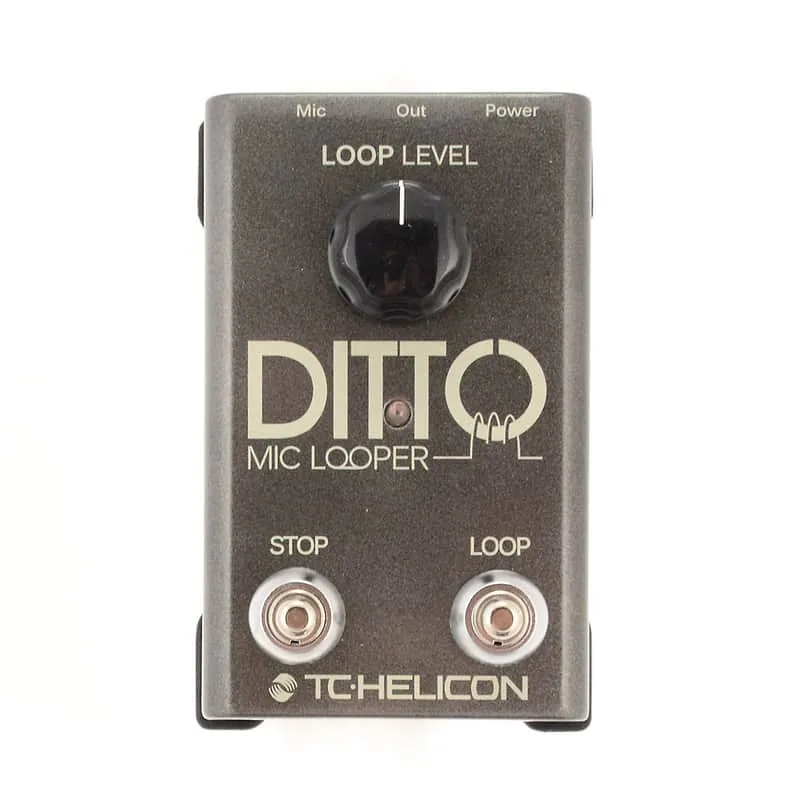
The simplest designs compress all of this into a single footswitch. TC Electronic describes the Ditto Stereo Looper's operation in one sentence: "You press once to record, press once again to play the loop"13. That one-button pattern, record, play, overdub, is the lingua franca of small loopers, and once you have used one you can use nearly all of them.
Larger loopers split the functions across multiple pedals. The Sheeran Looper X uses pressing and holding its Mode and Function pedals to reach track, waveform, and mixer views, looper mode switching, mute and solo, fade in and out, real-time playback direction, and loop length, speed, and pitch manipulation14. That is the other end of the spectrum: a recording instrument you navigate with your feet rather than a single button you stomp.
Kinds of looper: single, multi-track, and sampler-style
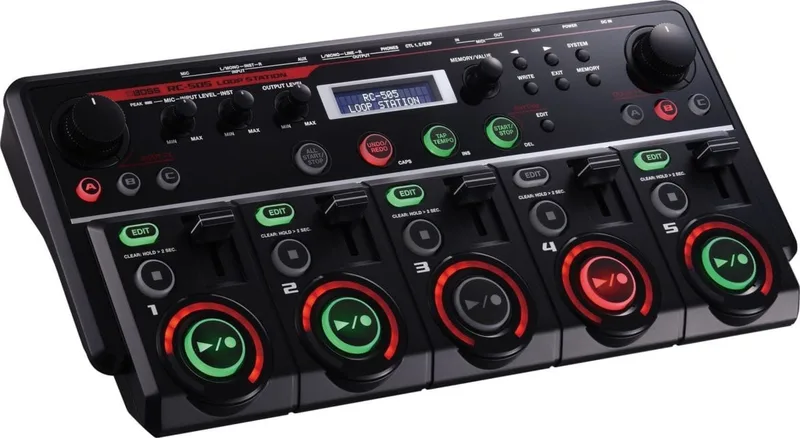
Boss divides the field by form factor: floor-based loopers are foot-controlled and hands-free, while tabletop loopers are triggered by hand and are the usual choice for beatboxers and vocalists3. Within the foot-controlled world, a few broad kinds emerge from what the makers themselves describe.
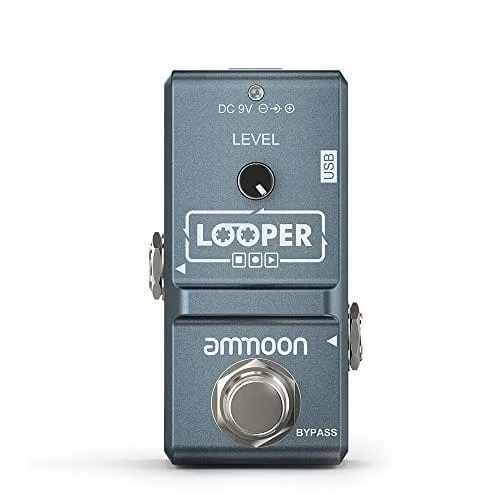
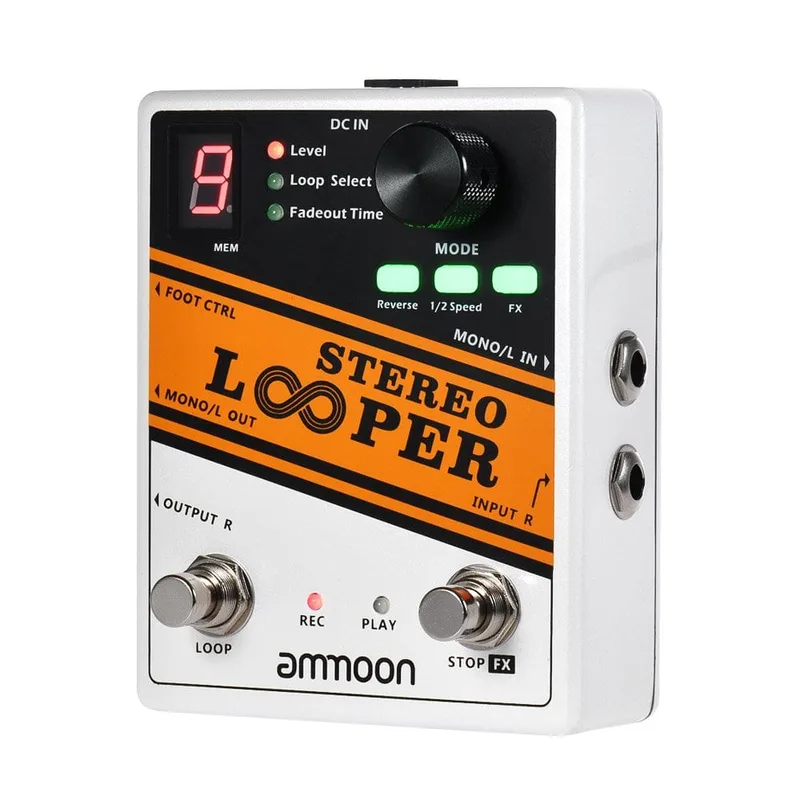
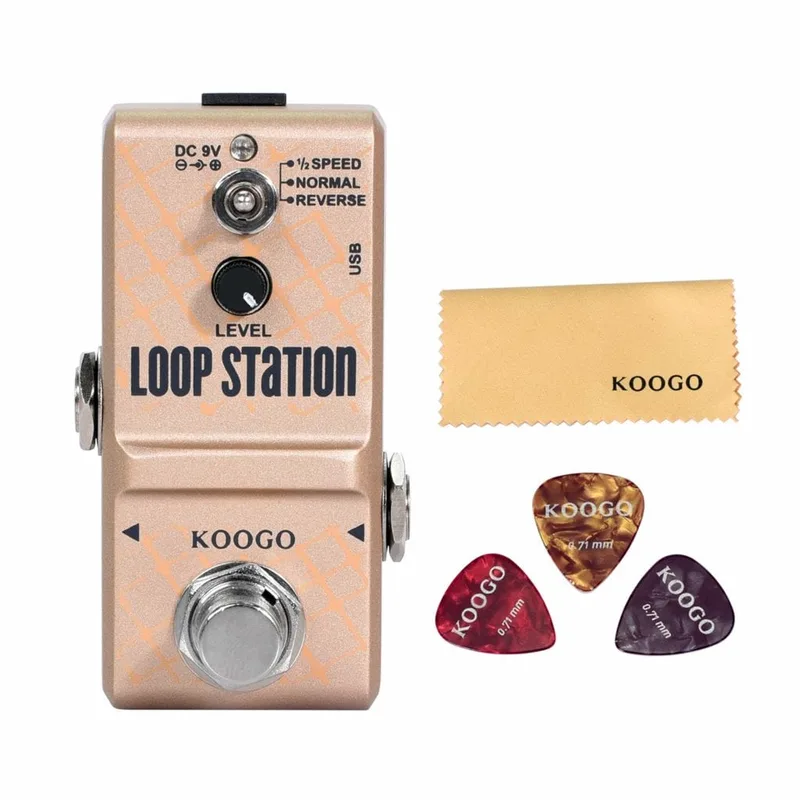
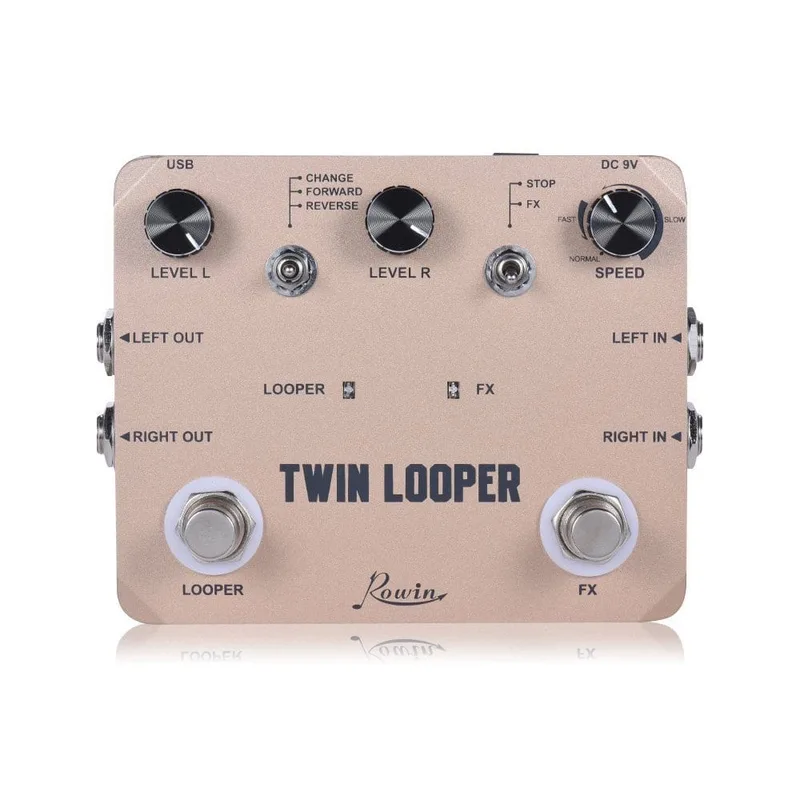
Single-track loopers record one loop and stack overdubs on it. The TC Electronic Ditto Stereo Looper's one-press record and play design is the archetype13, and the MXR Clone Looper follows the same idea with up to 6 minutes of recording and an unlimited number of layers4. Small budget examples include the Ammoon Nano Looper, described by RockBoard's PedalPedia as a compact and versatile loop pedal15, and the Rowin Twin Looper16.
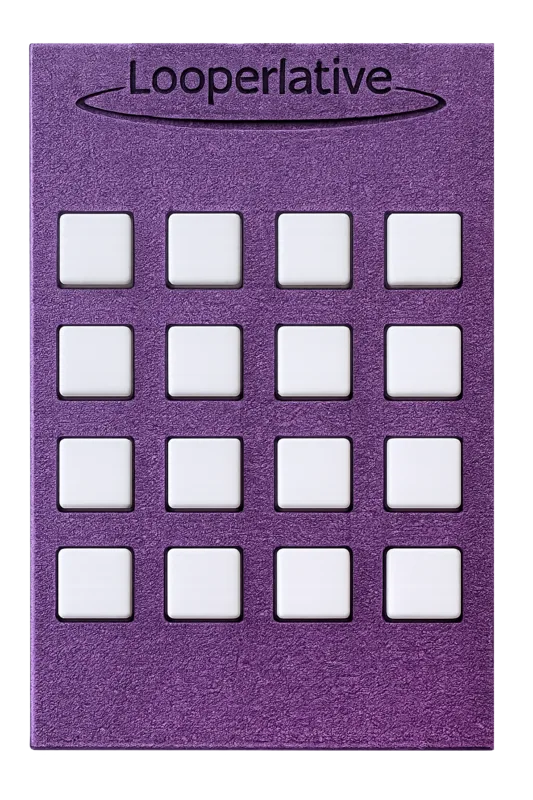
Multi-track loopers treat the loop as several independent tracks rather than one stack. The Sheeran Looper + lists its looping functions as Record, Overdub, Play, Stop, Undo/Redo, Clear Track, Clear All, Reverse, 1/2 Speed, Fade In/Out, Solo, and Mute, with two die-cast pedals controlling the track record, overdub, playback, and stop status of your loops17. The Sheeran Looper X goes further with track, waveform, and mixer views14. At the extreme, the Looperlative LP1 Gen B is a rack-style unit whose manual documents a drum machine menu, drum clock out, and start/stop control alongside its looping engine18.
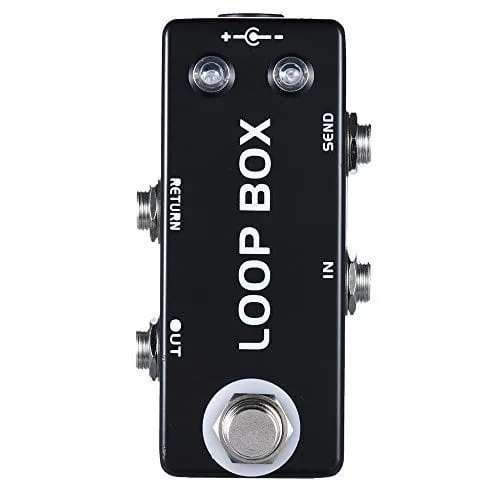
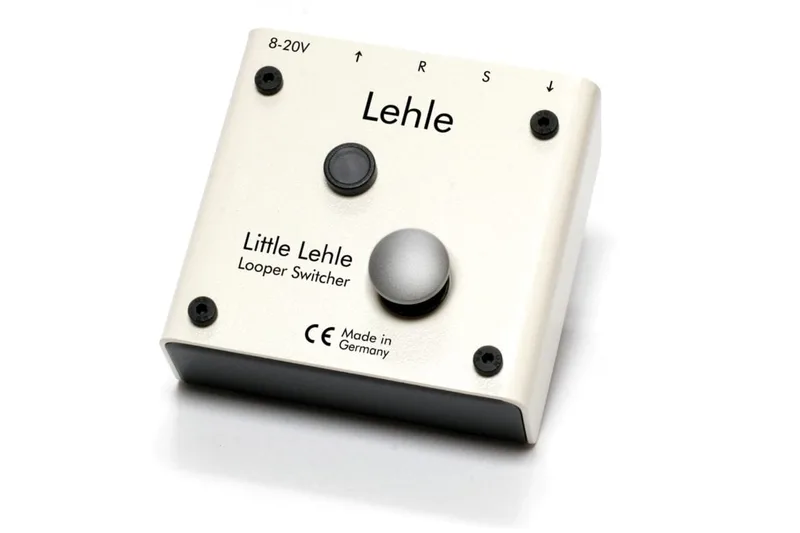
Not every pedal with "looper" in its name records anything. True bypass loopers and loop switchers, like the Bright Onion DYO 7 Switch Looper19 and the American Loopers A/B Loop Selector20, route your signal around other pedals. If you want to record and layer phrases, look for a phrase looper.
What the usual controls do
Controls fall into three groups: footswitches, level knobs, and function buttons. What follows is what the makers themselves say their controls do.
| Control | What it does | Example |
|---|---|---|
| Record/Play footswitch | One press records, another press closes the loop and starts playback | TC Electronic Ditto Stereo Looper13 |
| Overdub exit | Ends overdub at the loop's end and returns to playback | Fishman AFX Broken Record12 |
| Rec/Dub combined switch | First press records, second ends the loop into overdub mode, third ends overdub, later presses toggle overdub | Looperlative LP118 |
| Mode and Function pedals | Access track, waveform, and mixer views, mute, solo, fade, reverse, speed, and pitch | Sheeran Looper X14 |
| Merger Ctrl | Toggles looper and drum machine to run independently or together; hold to delete recorded tracks | Donner Circle Looper21 |
The Looperlative LP1's manual spells out the combined Rec/Dub behavior in detail: "First press begins recording a loop. The second press ends the loop and places it in overdub mode. The third press ends overdub," with subsequent presses toggling overdub on and off18. That single-switch design, where the pedal decides what you mean from context, is common on compact loopers, while bigger units give each function its own control.
Recording, overdubbing, and undo
Overdubbing is where a looper earns its keep. Once the base loop is playing, everything you play over it can be captured as another layer, and on pedals like the MXR Clone Looper the number of layers is unlimited within its 6-minute span4. The question that separates a usable looper from a frustrating one is what happens when you lay down a bad layer.
Undo and redo are the answer, and they are standard on advanced designs. The MOOER MVP3 Loopation lists features for overdubbing, deleting, undoing, redoing, and reversing recordings6. The Sheeran Looper + builds undo and redo into hold functionality on its pedals, alongside clear track and clear all commands17. Boss's guide notes that undo/redo functions, tempo syncing, and visual indicators for precise timing are what advanced loopers offer3.
The practical habit most loopers reward: close the loop on a strong downbeat, overdub sparingly, and use undo the moment a layer goes wrong rather than trying to play over the mistake.
Where a looper goes in the signal chain
Placement is the question loopers argue about most, and the makers' advice is consistent. Boss's looping guide recommends placing a looper last in the chain, after delay and reverb, "so all effects are recorded within the loop and won't be altered when switching settings mid-performance"3. Its acoustic guitar guide agrees: the best place on a pedalboard is at the end, because you loop every possible signal and effect triggered1.
Boss's pedal order guide adds a nuance: "the looper should come before the delay," with the exact spot depending on how you want looped phrases to be effected2. The trade-off is simple. Looper last and your recorded parts carry whatever effects you used when you recorded them, but you cannot change those effects on the recorded layer. Looper before your time effects and the whole loop passes through them live, so moving a knob reshapes everything, recorded parts included.
Two related placement rules from the same guides: the tuner goes first in the chain, before all other pedals2, and amp and cabinet simulator pedals most commonly sit at the end of the chain, where the signal is routed to a PA, an audio interface, or headphones2.
If you run a switching-based pedalboard, Voodoo Lab's guide recommends placing "dry" pedals like drives, fuzz, and compressors in the early loops and "wet" effects like delays and reverbs in the later loops22. A loop switcher acts as a gatekeeper so an inactive pedal and its cables do not exist in the signal path, which removes the high-end roll-off and tone suck that builds in a long chain22.
Power needs
Phrase loopers are mostly digital and mostly expect standard pedalboard power, but the details vary, and a few switching loopers have unusual requirements worth checking before you buy.
- The Master Effects Super Four Hundred uses a standard Boss-style 9V supply, 2.1mm, center pin negative, and requires a minimum of 150mA7.
- The Bright Onion Mini Triple Looper takes a 9V DC center negative 2.1mm barrel supply, with the Boss-style socket used to power the LEDs8.
- The Vahlbruch Xroads requires an external regulated 9V supply, not included, with reversed polarity: positive at the ring, negative at the tip23.
History and landmark loopers
The looper's recent history is a story of recording time, memory, and rhythm features growing fast.
Questions to ask when choosing a looper
A short list of questions is worth answering before you buy.
Questions
Should a looper go before or after other pedals?
Most makers recommend putting a looper at the end of the chain, after delay and reverb, so every effect is captured inside the loop and will not change when you switch settings mid-performance. Boss also suggests keeping the looper before the delay if you want the looped phrase itself to be delayed. The right spot depends on whether you want to record your effects or play effects over the recording.
Can you save loops on a looper pedal?
Many can. The MOOER Micro Looper saves all recorded loop data automatically when power is switched off, and the MXR Clone Looper stores up to 6 minutes of layers even when the pedal is unplugged. Check a specific model's memory behavior before buying if keeping loops between sessions matters to you.
What is the difference between a looper and a delay pedal?
A delay repeats what you just played for a set time and fades out; a looper records a phrase and plays it back for as long as you want, while you layer new parts on top. Some delay pedals include a short looper, like the MOOER D7, which has a built-in looper usable with any of its delay settings.
How long can a looper pedal record?
It varies a lot by model. The MOOER Micro Looper offers up to 30 minutes, the MOOER MVP3 Loopation up to 70 minutes across 11 memory slots, and the MXR Clone Looper up to 6 minutes of unlimited layers. The DigiTech JamMan Solo HD extends to 32 hours with an optional memory card.
Do looper pedals work with bass guitar?
Yes. Boss's bass looping guide describes players like Victor Wooten using loop pedals to build grooves, add melodies, and create soundscapes live. Some switching-based loopers, like Saturnworks parallel loopers, offer a bass mod that lets more low frequencies into the circuit without cutting highs, and it works with guitars too.
Can a looper sync with a drum machine?
Some do. The Donner Circle Looper has a built-in drum machine with 100 grooves and a Merger Ctrl button that toggles the looper and drums to work independently or simultaneously. The Looperlative LP1 includes a drum machine with 64 programmable patterns, a drum clock out, and start/stop control.
Sources (23)
- The Complete Guide to Loop Pedals for Acoustic Guitarists, BOSS Articles (articles.boss.info), 2025-04-04
- The Ultimate Guide to Guitar Effects Pedal Order and Signal Chain, BOSS (articles.boss.info), 2023-03-01
- The Complete Guide to Loop Pedals for Electric Guitarists, BOSS (articles.boss.info), 2025-04-04
- MXR® CLONE LOOPER™ PEDAL, Dunlop (jimdunlop.com)
- Micro Looper_MOOER Audio, MOOER Audio
- MVP3 Loopation_MOOER Audio, MOOER Audio
- Super Four Hundred, Master Effects
- True Bypass Looper, Bright Onion Pedals
- The Complete Guide to Loop Pedals for Bass Players, BOSS (articles.boss.info), 2025-04-08
- True Bypass Looper, Bright Onion Pedals
- HOOK - NUX Audio, NUX Audio, 2025-10-30
- AFX Broken Record Pedal Looper Mode, Fishman Transducers Inc
- DITTO STEREO LOOPER, TC Electronic
- Sheeran Loopers, sheeranloopers.com, 2026
- Looper by Ammoon, RockBoard PedalPedia, 2026
- Twin Looper by Rowin, RockBoard PedalPedia, 2026
- Sheeran Loopers, sheeranloopers.com, 2026
- LP1GenBUserManual-2.52.pdf, Looperlative, 2022-12-16
- True Bypass Looper, Bright Onion Pedals
- American Loopers A/B Box Loop Selector Switcher, American Loopers (www.americanloopers.com)
- Circle Looper Guitar Pedal with Drum Machine Time Display Donner, donnerdeal.com
- Guitar Effects Switching System Guide, Voodoo Lab, 2026-06-24
- Vahlbruch, Vahlbruch FX, 2022